
Jardin de roses — History & Facts
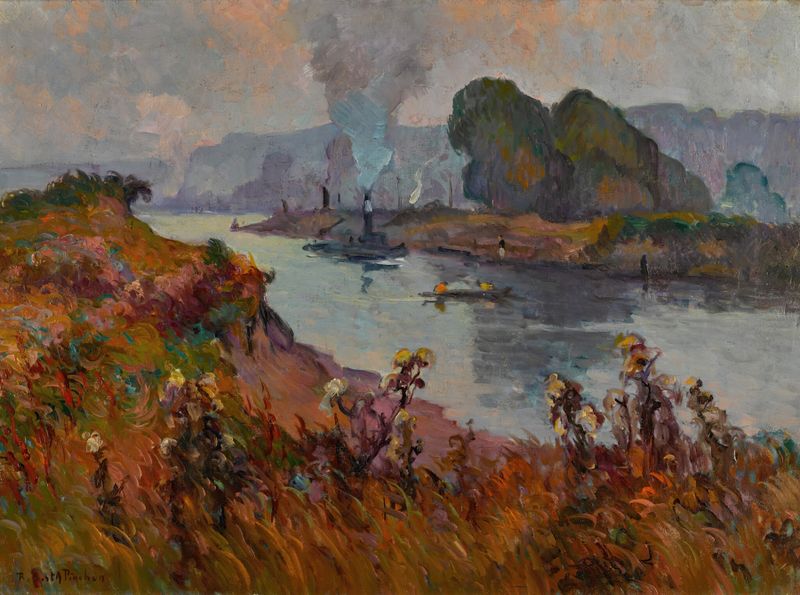
Could a single brushstroke hold eternity? In Jardin de roses, Robert Antoine Pinchon invites us to ponder the transformative power of artistry amidst a world on the brink of revolution. This painting is a testament to the fleeting beauty of life, captured in vibrant hues and delicate strokes that resonate far beyond their canvas. Focus first on the riot of colors in the foreground, where bold pinks and soft whites of the roses bloom vibrantly against a lush green backdrop. Notice how the light dances through the petals, creating an ethereal glow that contrasts sharply with the shadowy depths surrounding them.
The composition draws your eye in, inviting a gentle exploration of the intricate details—each brushstroke meticulously layered to evoke both softness and strength. Yet, beneath the surface lies a deeper emotional tension. The roses, symbols of beauty and transience, stand resilient in their garden, a silent protest against the encroaching chaos of the external world. The juxtaposition of lush life and impending revolution speaks to the fragility of existence; while nature flourishes, society teeters on the edge of transformation.
In this moment, Pinchon captures not just a scene, but an emotional landscape that reverberates with the echoes of change. Created in 1910, this work emerged during a period marked by significant shifts in art and society. Pinchon was a prominent member of the Rouen School, where artists began to break free from traditional forms, embracing Impressionism’s vibrancy and spontaneity. The excitement and unrest of the era influenced his palette and approach, reflecting a world ripe for transformation as it stood on the cusp of modernity.
More Artworks by Robert Antoine Pinchon
Browse all →
Faubourg de Rouen
Robert Antoine Pinchon
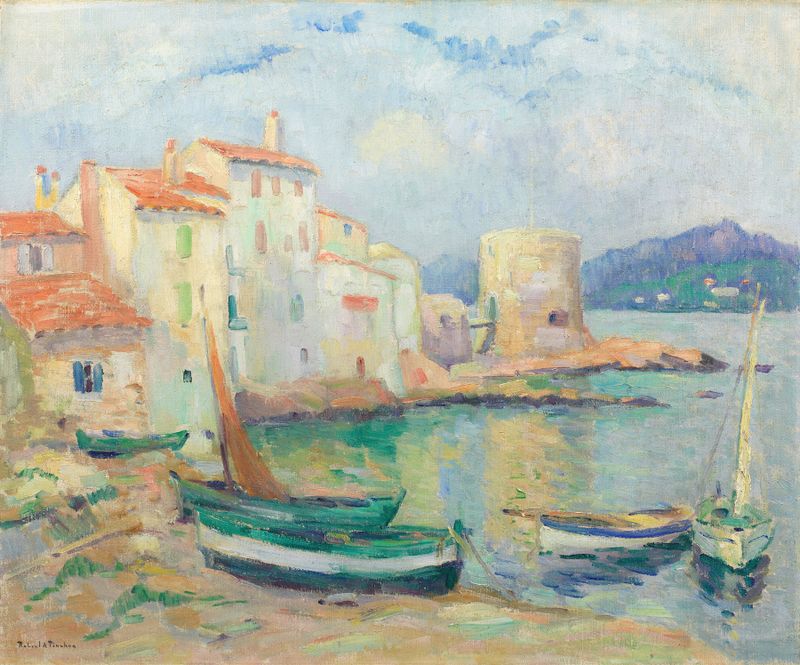
Vieux port de Saint-Tropez
Robert Antoine Pinchon

Le port de Saint-Valéry-en-Caux
Robert Antoine Pinchon

Le port de Honfleur
Robert Antoine Pinchon

Rouen, La Seine, Vue Depuis Le Hauteurs De Caudebec
Robert Antoine Pinchon
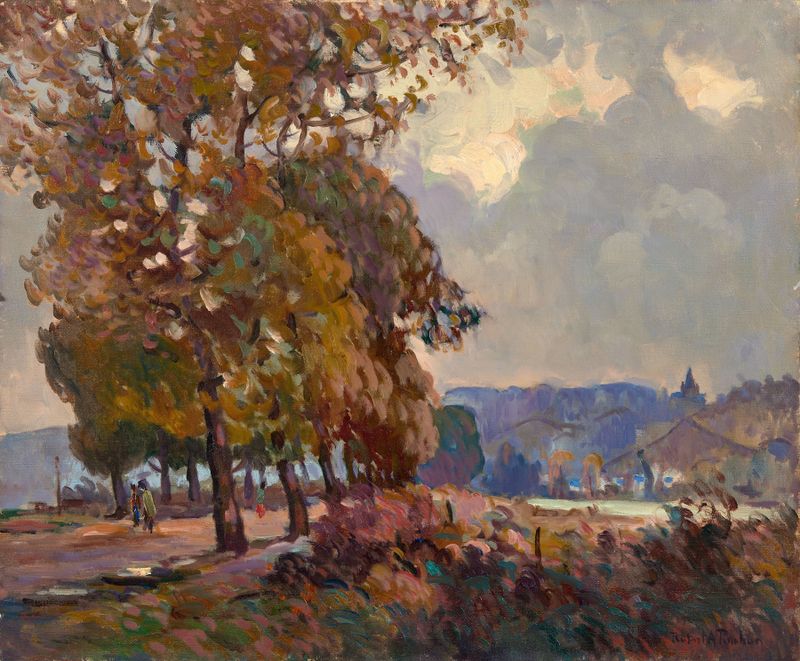
Bords de la Seine vers le Bas Caumont
Robert Antoine Pinchon
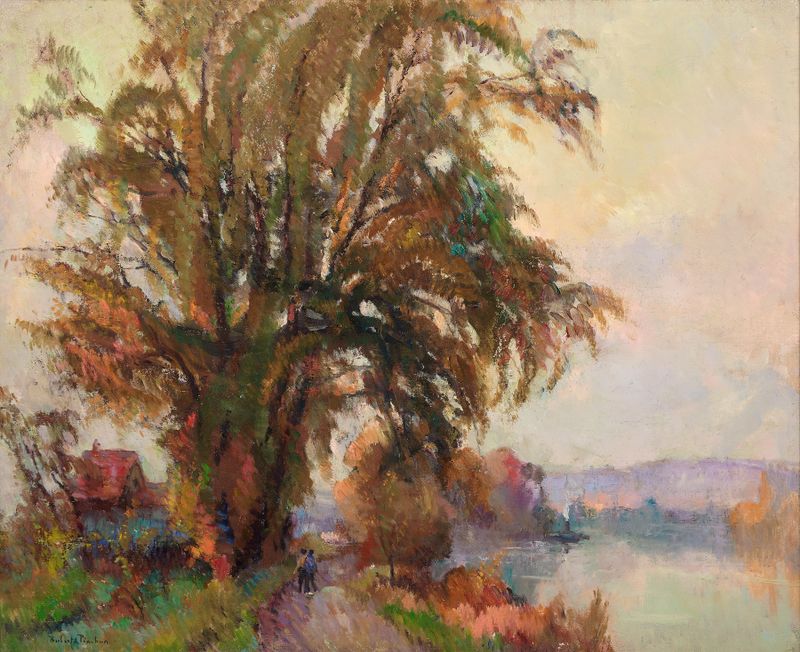
Bords de Seine vers Rouen
Robert Antoine Pinchon

La Seine a L’île Lacroix
Robert Antoine Pinchon
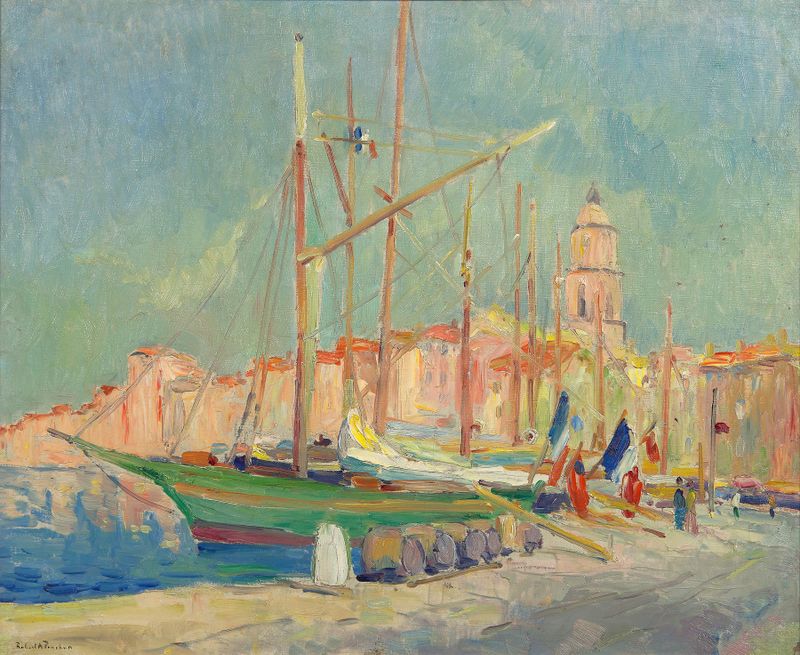
Bateaux pavoisés dans le port de Saint-Tropez
Robert Antoine Pinchon
Bord de Seine
Robert Antoine Pinchon





