
Jardin devant le Mas Debray — History & Facts
In Jardin devant le Mas Debray, Vincent van Gogh presents a lively garden scene filled with vibrant colors. The painting features lush greenery and blooming flowers, showcasing a variety of hues from bright yellows to deep greens. The sky is painted in soft blues, adding a serene backdrop to the lively garden.
The overall composition invites the viewer to immerse themselves in this tranquil outdoor space. This artwork is executed in oil on canvas, a common medium for van Gogh. The brushwork is expressive, with thick strokes that create texture and movement throughout the painting. The colors are applied in a way that enhances the vibrancy of the scene, reflecting van Gogh's signature style.
The dimensions are approximately 60 x 80 cm, making it a medium-sized piece that captures attention. Vincent van Gogh painted Jardin devant le Mas Debray during a period of intense creativity in the 1880s. This work reflects his fascination with nature and the beauty of everyday life. Interestingly, this painting is part of a series of garden scenes that van Gogh created while living in France, showcasing his unique perspective on the world around him.
The vibrant colors and dynamic brushwork are hallmarks of his post-impressionist style.
More Artworks by Vincent van Gogh

Starry Night
Vincent van Gogh

Van Gogh's Chair
Vincent van Gogh

The Night Café
Vincent van Gogh
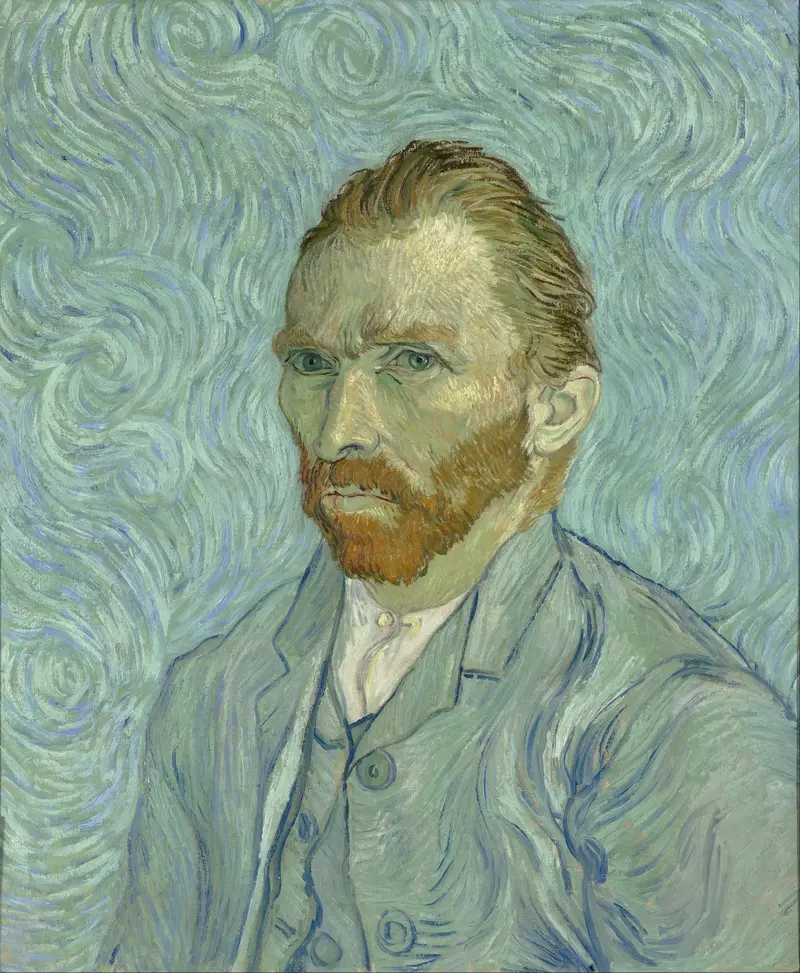
Self-Portrait (1889)
Vincent van Gogh

Café Terrace at Night
Vincent van Gogh

Almond Blossom
Vincent van Gogh

Flowering Garden
Vincent van Gogh

A Wheatfield, with Cypresses
Vincent van Gogh

Orchard in Blossom (Plum Trees)
Vincent van Gogh

Snowy Landscape with Arles in the Background
Vincent van Gogh
More Landscape Art
Starry Night
Vincent van Gogh

View of Delft
Johannes Vermeer

Water Lilies
Claude Monet

The Grand Canal, Venice, looking north-west from the Ca' Corner to the Ca' Contarini degli Scrigni, with the campanile of Santa Maria della Carità
Canaletto

Windsor Castle
Canaletto

The Grand Canal looking North-East from the Palazzo Dolfin-Manin to the Rialto Bridge
Canaletto