
Jean Louis Rodolphe Agassiz (1807-1873) — History & Facts
This sentiment resonates deeply within the layers of Hunt's work, where the act of creation births a tangible connection to both subject and viewer. Look closely at the figure, a stalwart presence captured in serene contemplation. Notice how the light gently pools over Agassiz’s features, illuminating his thoughtful brow and the resolute set of his jaw. The rich, earthy tones envelop him, grounding the viewer while hints of brighter colors breathe life into the background.
Each brushstroke serves not just to depict but to evoke — a reminder that every detail is steeped in both the weight of history and the lightness of exploration. The artist subtly contrasts the vibrancy of nature with the solidity of man’s intellect. Agassiz, portrayed in his scholarly attire, embodies the quest for knowledge, yet his gaze towards the distance suggests an introspective longing, perhaps for the uncharted realms of discovery. The juxtaposition of his stillness against the energetic brushwork in the surrounding landscape reflects a harmony between human thought and the natural world, suggesting that creation is both a personal odyssey and a universal truth. In the mid-1870s, Hunt was immersed in the growing excitement of American art, striving to forge a distinctive identity amid the influences of European styles.
Painting Jean Louis Rodolphe Agassiz during this period, he honored a man pivotal to the field of natural sciences while personally grappling with the complexities of artistic expression. This work encapsulated not only the reverence for an influential figure but also the broader quest for authentic representation in an evolving world.
More Artworks by William Morris Hunt
Browse all →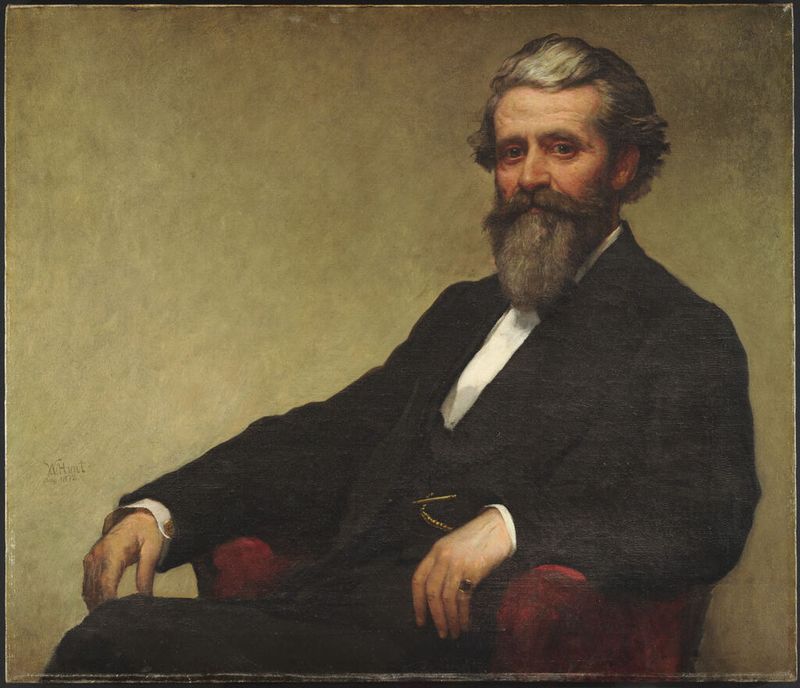
Judge John Lowell (1824-1897)
William Morris Hunt

The Spouting Whale
William Morris Hunt
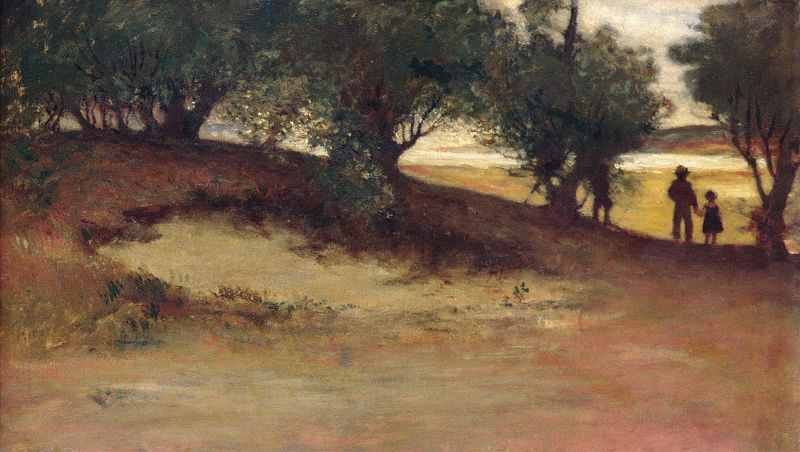
Sand Bank with Willows, Magnolia
William Morris Hunt
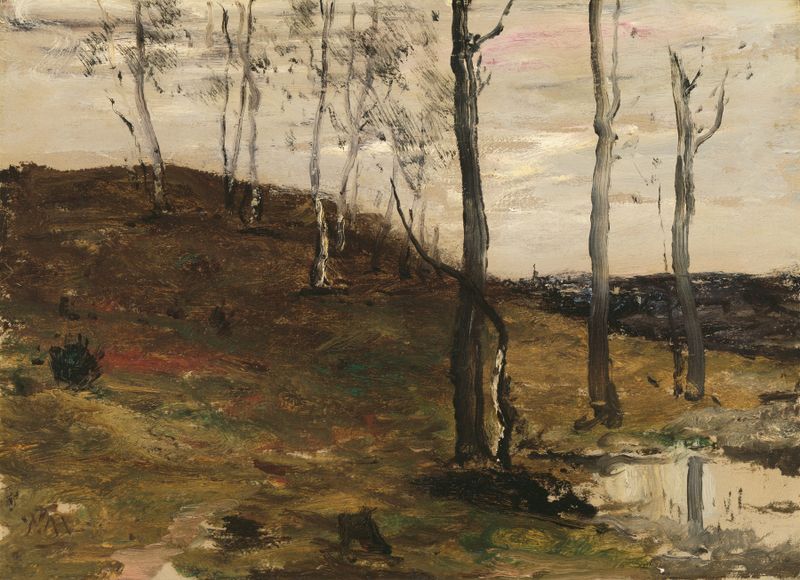
Hillside with Trees
William Morris Hunt

Hillside with Trees
William Morris Hunt
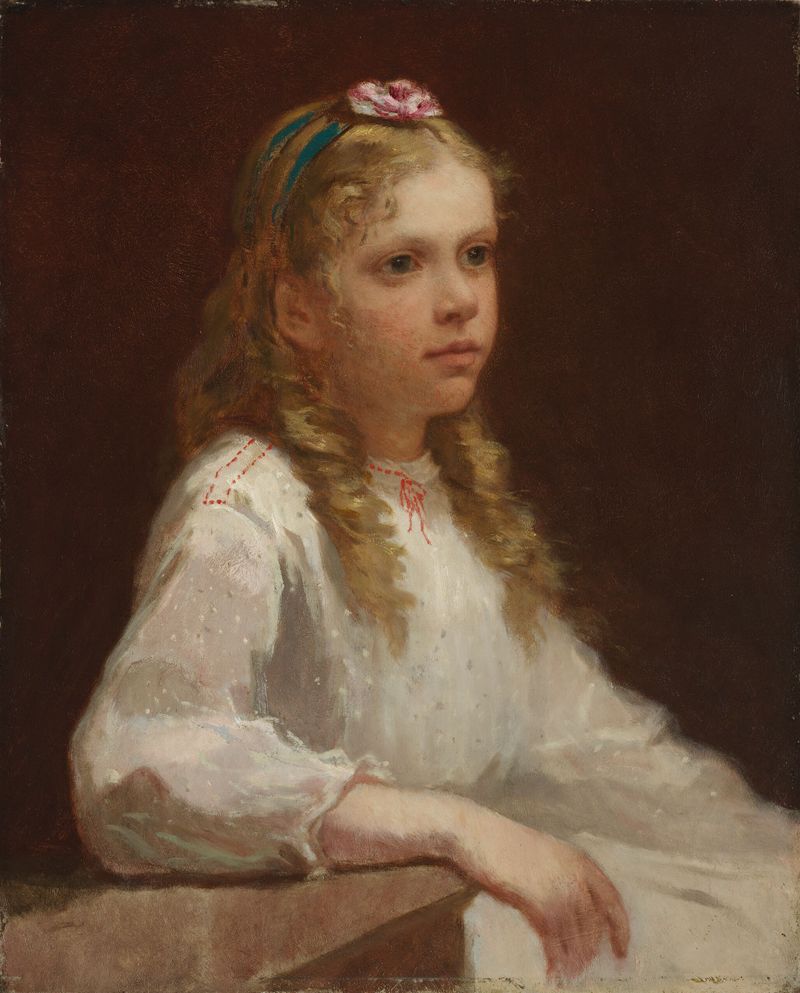
Susan Heard Oliver Dabney
William Morris Hunt
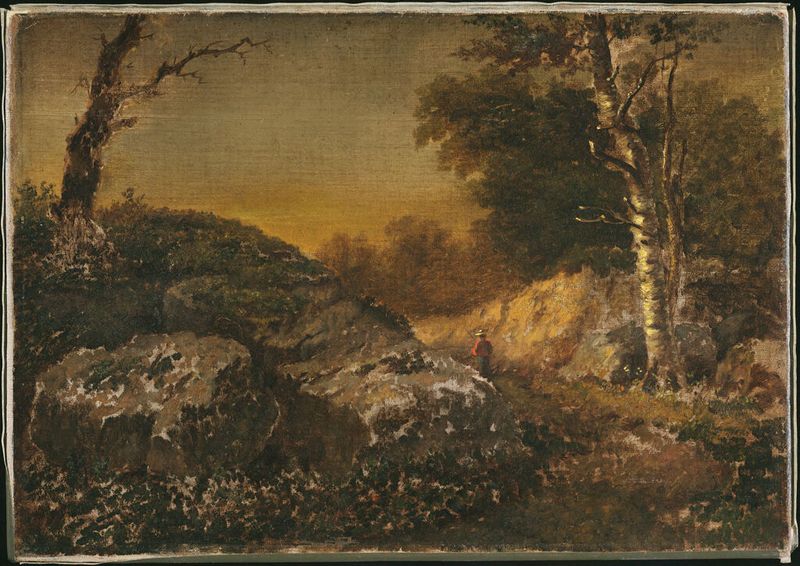
Autumn Landscape with Man Fishing
William Morris Hunt
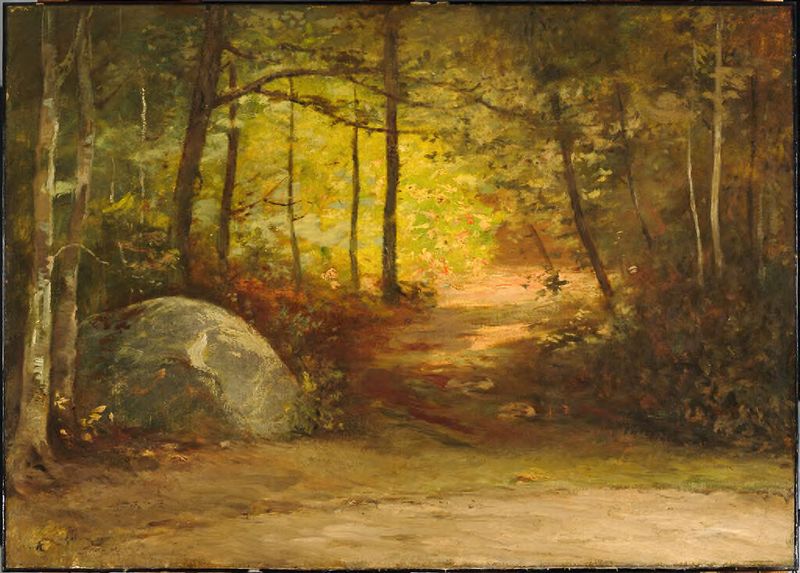
The Gypsies' Parlor
William Morris Hunt
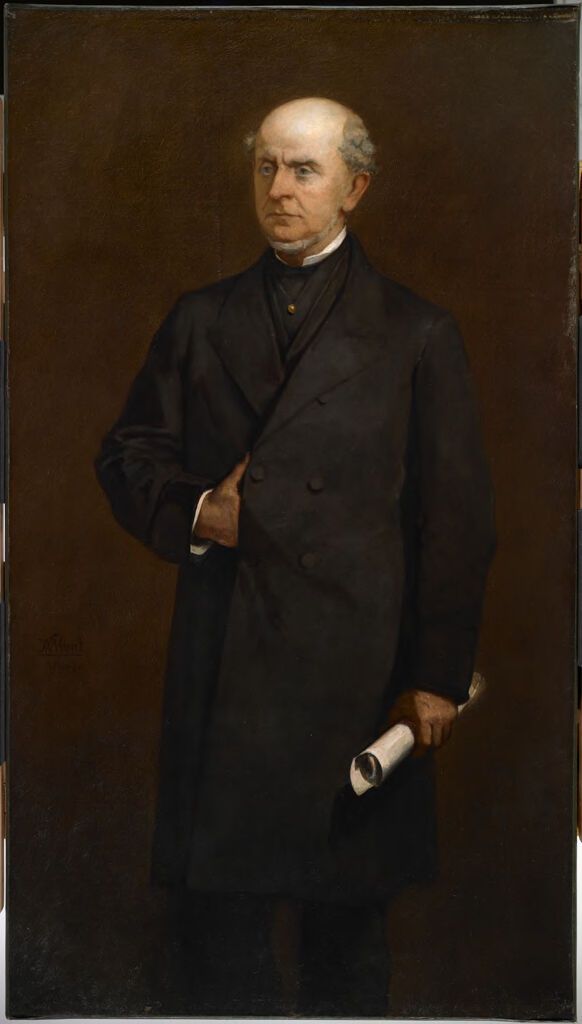
Charles Francis Adams (1807-1886)
William Morris Hunt
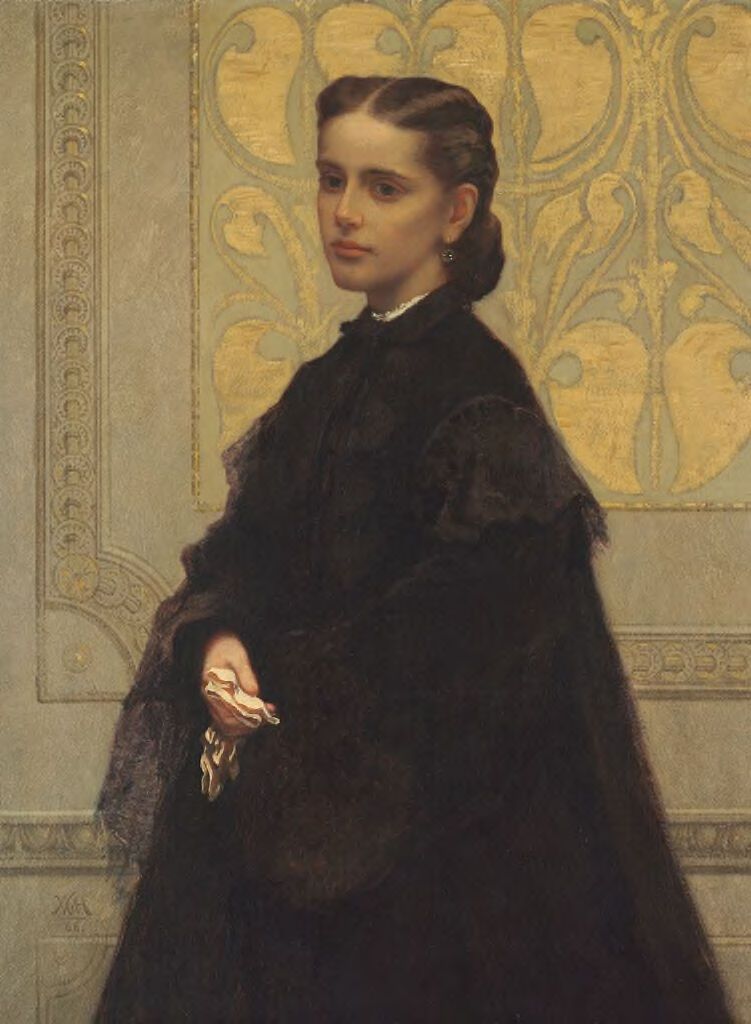
Mary Elizabeth Robbins
William Morris Hunt
More Portrait Art
Browse all →
Las meninas
Diego Velázquez

Self-portrait with a Bandaged Ear and Pipe
Unidentified artist

Girl with a Pearl Earring
Johannes Vermeer

The Sampling Officials of the Amsterdam Drapers’ Guild, Known as ‘The Syndics’
Rembrandt van Rijn

The Hundred Guilder Print: the man seen on the back in the lower left corner
Rembrandt van Rijn

Portrait of Dr Gachet
Vincent van Gogh