
Mary Elizabeth Robbins — History & Facts
In Mary Elizabeth Robbins, the passage of time manifests in layers of pigment, each one a whisper of the past that cradles the present. Look to the left of the canvas, where gentle light caresses the subject's serene face, illuminating the delicate contours of her features. The artist employs a soft color palette, predominantly muted greens and warm earth tones, to create a sense of intimacy and tranquility. Notice how the body is draped in a flowing gown, its fabric meticulously rendered, conveying both grace and the weight of memory.
Each stroke carries depth, inviting viewers to linger on the details that hint at the emotions held within. Dig deeper into the hidden meanings woven into this portrait. The calm expression on her face juxtaposes the complexity of what lies beneath—perhaps the burden of time, the passage of youth, or the nostalgia that accompanies all beauty. The contrasting textures of her soft skin and the intricate fabric suggest a dialogue between the ephemeral and the enduring, evoking a bittersweet awareness of life's fleeting moments. In 1866, Hunt painted this work during a period of personal and professional reflection.
Residing in Boston, he was navigating the evolving art landscape, influenced by the Pre-Raphaelite Brotherhood and the American Romantic movement. Amidst this backdrop, the artist sought to capture not just a likeness but a profound sense of humanity, creating a timeless connection that resonates through the years.
More Artworks by William Morris Hunt
Browse all →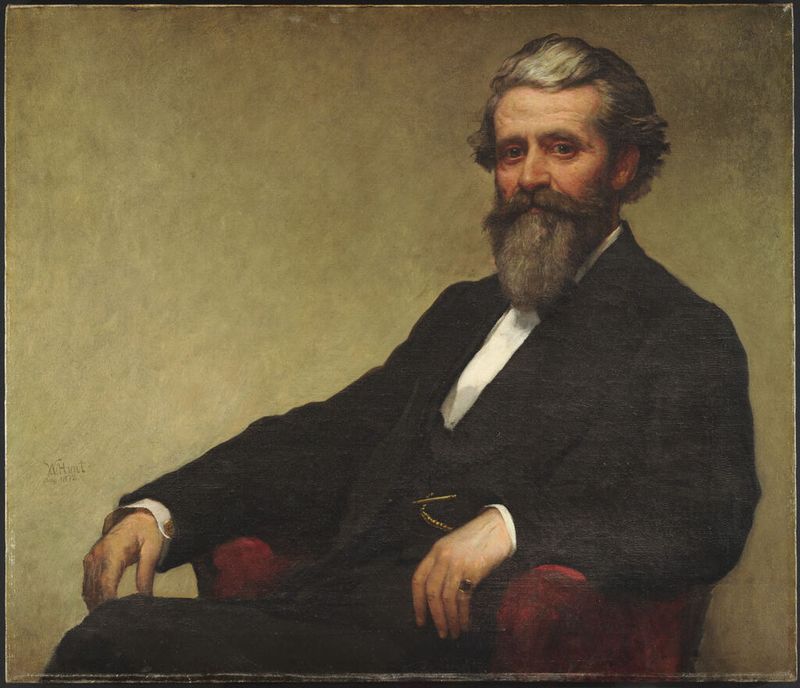
Judge John Lowell (1824-1897)
William Morris Hunt

The Spouting Whale
William Morris Hunt
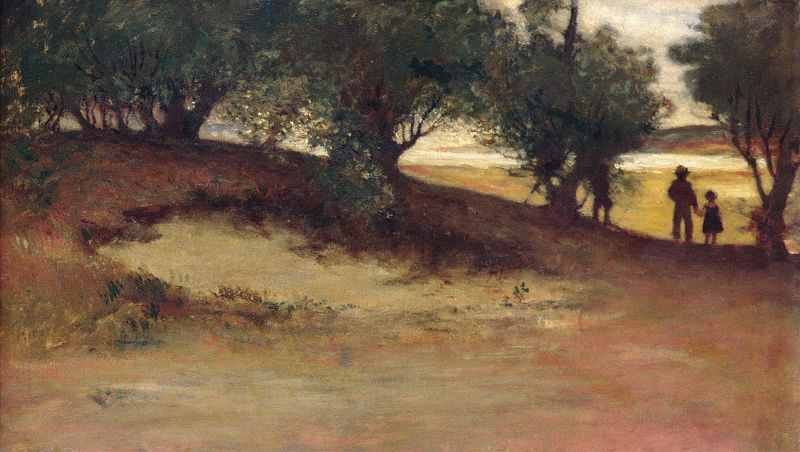
Sand Bank with Willows, Magnolia
William Morris Hunt
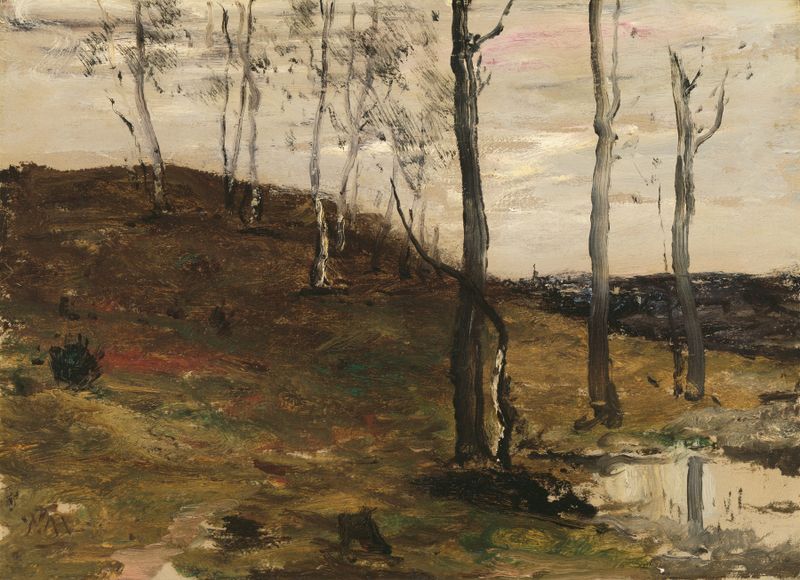
Hillside with Trees
William Morris Hunt

Hillside with Trees
William Morris Hunt
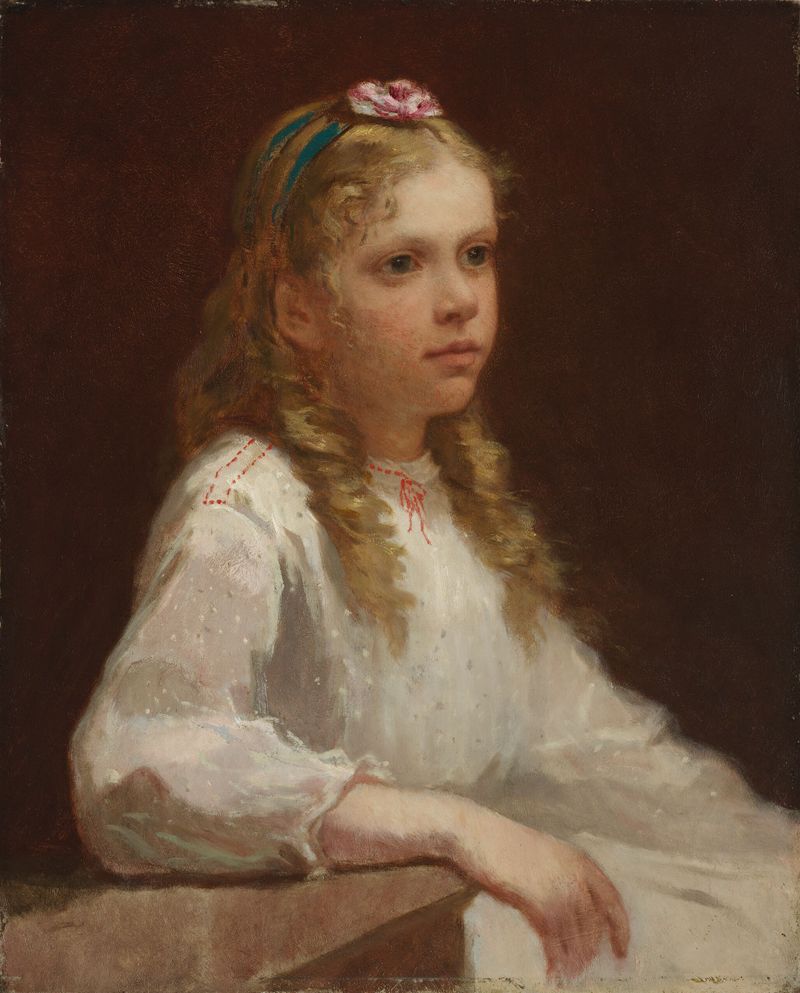
Susan Heard Oliver Dabney
William Morris Hunt
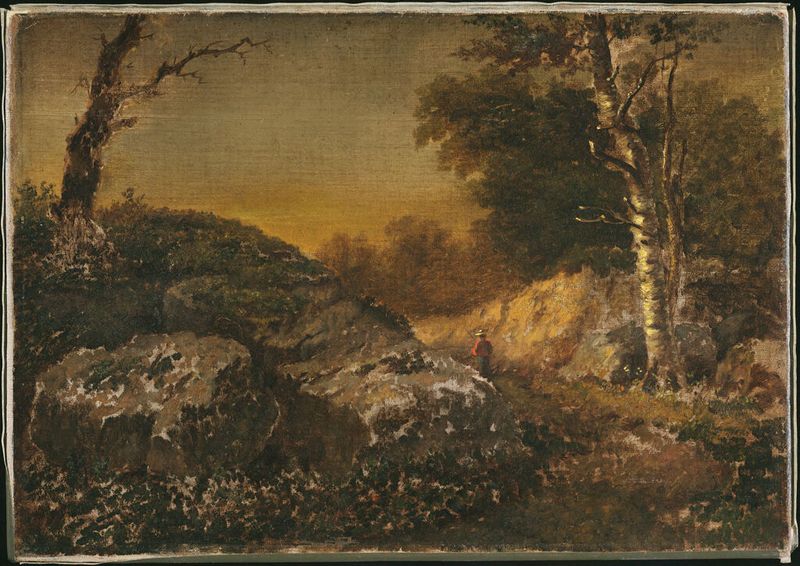
Autumn Landscape with Man Fishing
William Morris Hunt
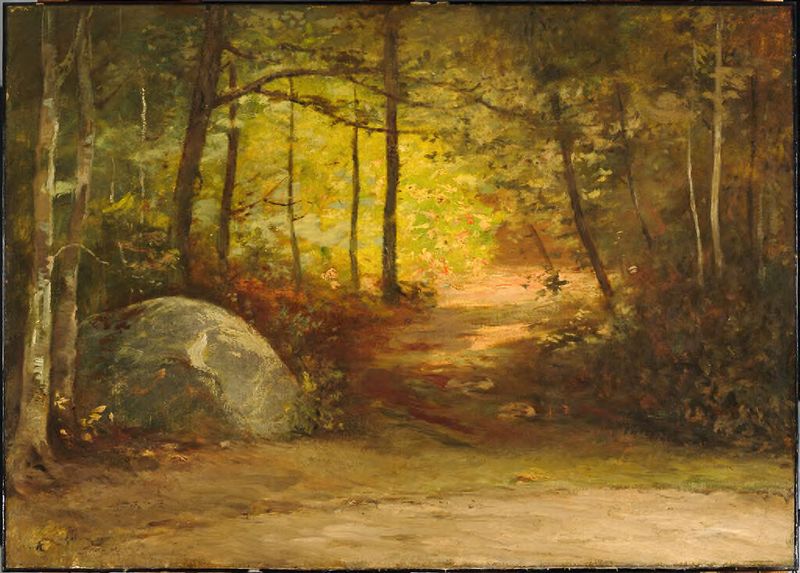
The Gypsies' Parlor
William Morris Hunt
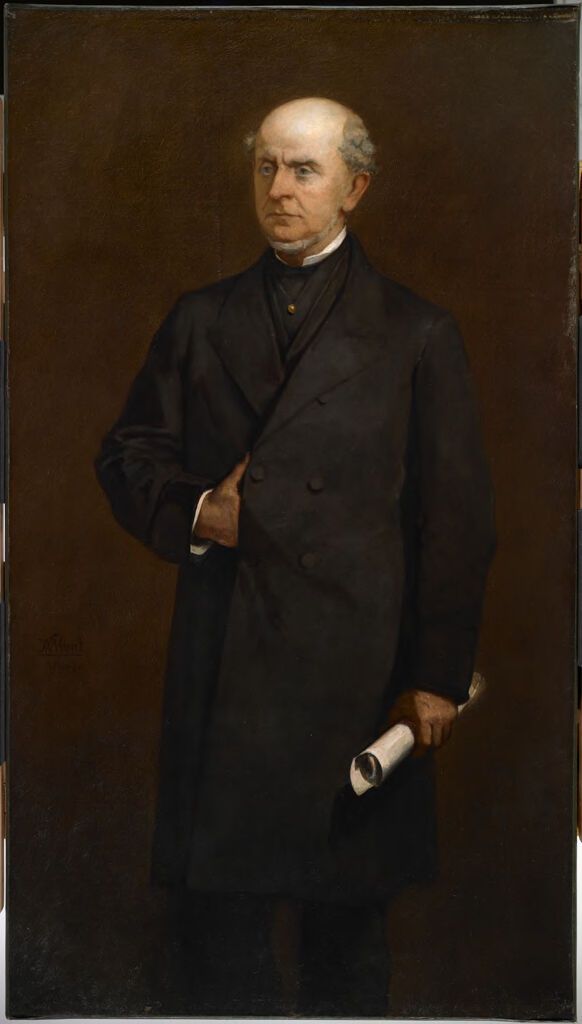
Charles Francis Adams (1807-1886)
William Morris Hunt
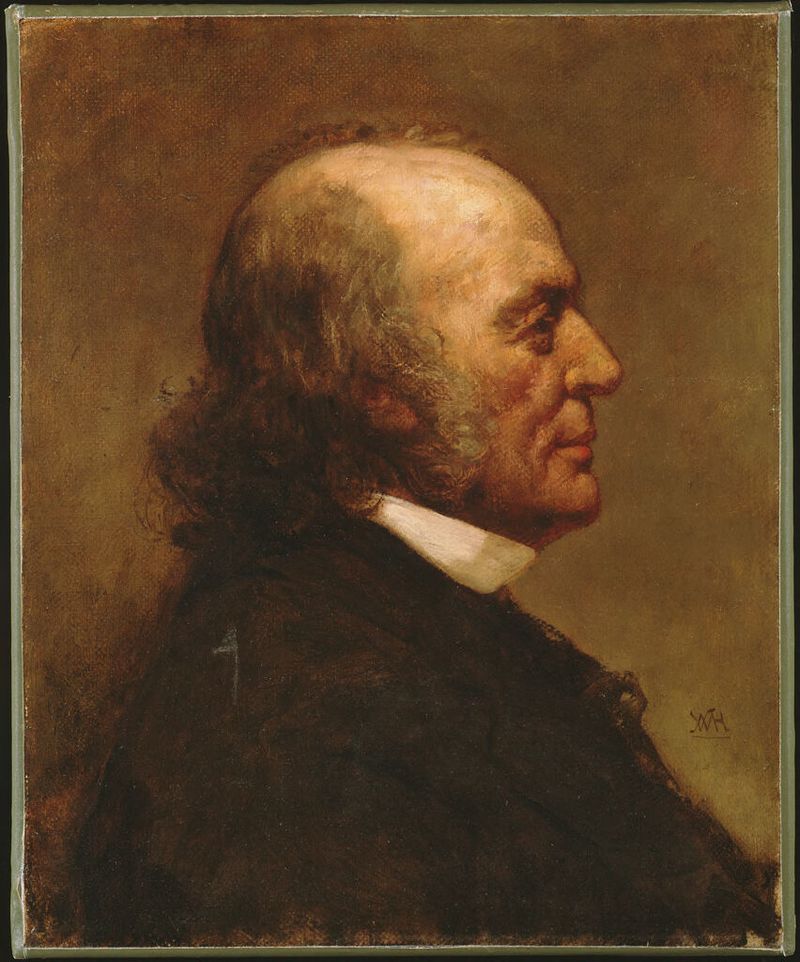
Jean Louis Rodolphe Agassiz (1807-1873)
William Morris Hunt
More Portrait Art
Browse all →
Las meninas
Diego Velázquez

Self-portrait with a Bandaged Ear and Pipe
Unidentified artist

Girl with a Pearl Earring
Johannes Vermeer

The Sampling Officials of the Amsterdam Drapers’ Guild, Known as ‘The Syndics’
Rembrandt van Rijn

The Hundred Guilder Print: the man seen on the back in the lower left corner
Rembrandt van Rijn

Portrait of Dr Gachet
Vincent van Gogh