
Judge John Lowell (1824-1897) — History & Facts
In the realm of color, Hunt found a voice that whispers truths and portrays profound character with each brushstroke. Look to the left at the striking use of deep greens and rich browns that envelop Judge John Lowell, grounding him in a natural yet dignified environment. The soft light cascades gently across his face, illuminating the solemnity of his expression while casting shadows that add depth and mystery. Notice how the painter captures texture—each fold of the judge’s robe seems to breathe, inviting the viewer to ponder the weight of justice he represents. Delve deeper into the contrast between Lowell's serene demeanor and the tumultuous backdrop of his times.
The warm hues suggest stability and wisdom, while the underlying cool tones evoke the complexity of his judicial responsibilities. This interplay of colors not only captures the man but also hints at the societal challenges he faced, making the portrait a reflection of both individual and collective struggle. William Morris Hunt created this work in 1872 during a period marked by both personal and artistic evolution. Residing in Boston, he was part of the American Impressionist movement, striving to elevate the status of American art.
At that time, Hunt was grappling with his own artistic identity, seeking to blend realism with a more expressive use of color, an ambition beautifully realized in this compelling portrait.
More Artworks by William Morris Hunt
Browse all →
The Spouting Whale
William Morris Hunt
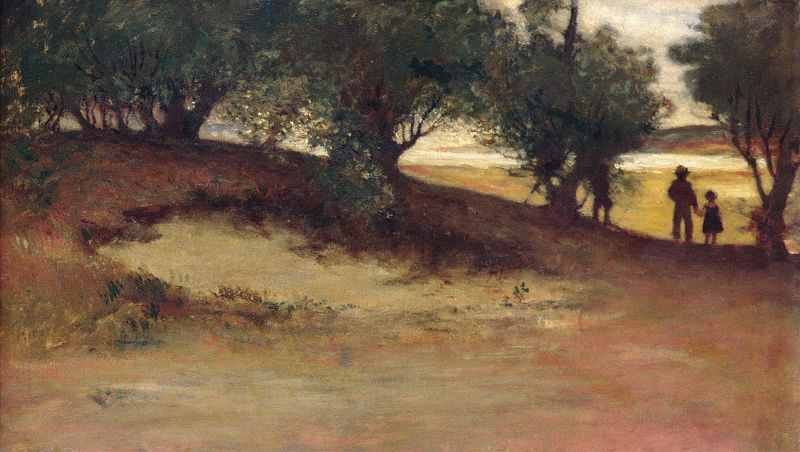
Sand Bank with Willows, Magnolia
William Morris Hunt
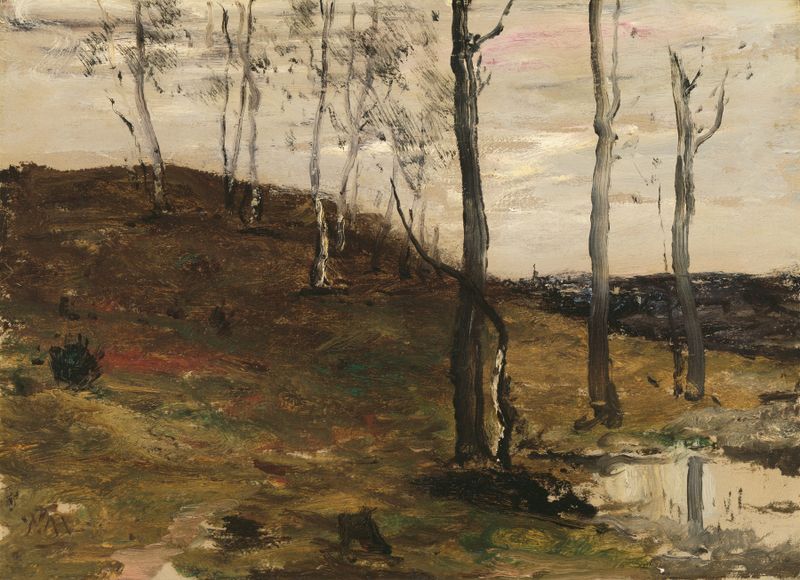
Hillside with Trees
William Morris Hunt

Hillside with Trees
William Morris Hunt
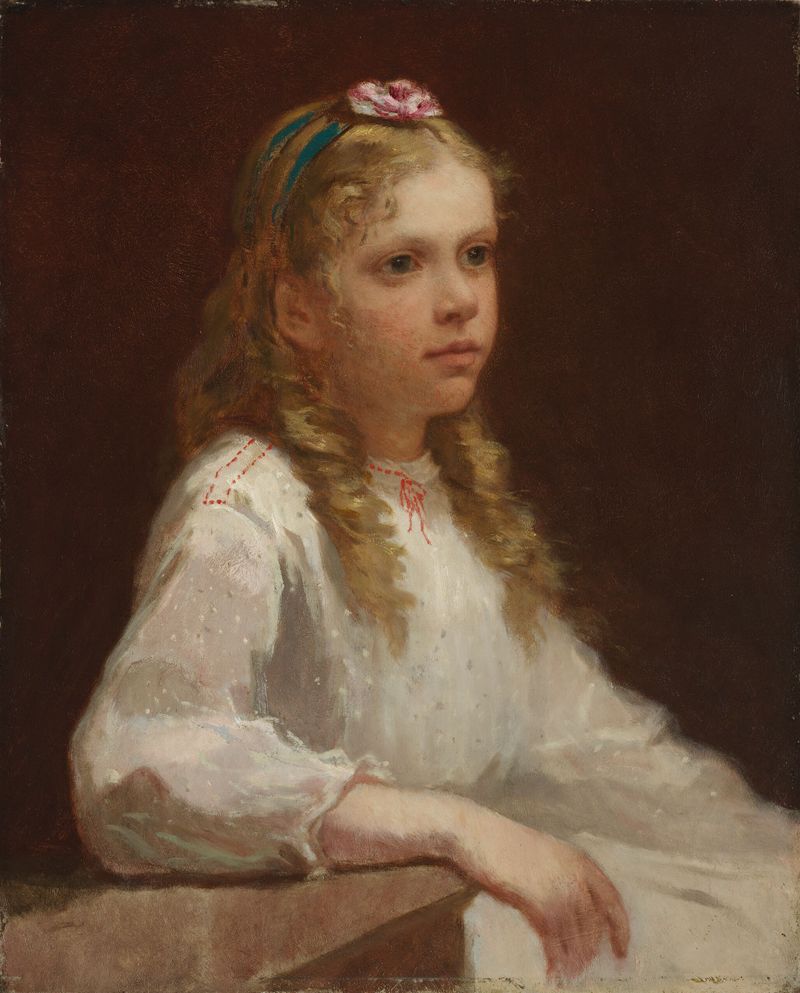
Susan Heard Oliver Dabney
William Morris Hunt
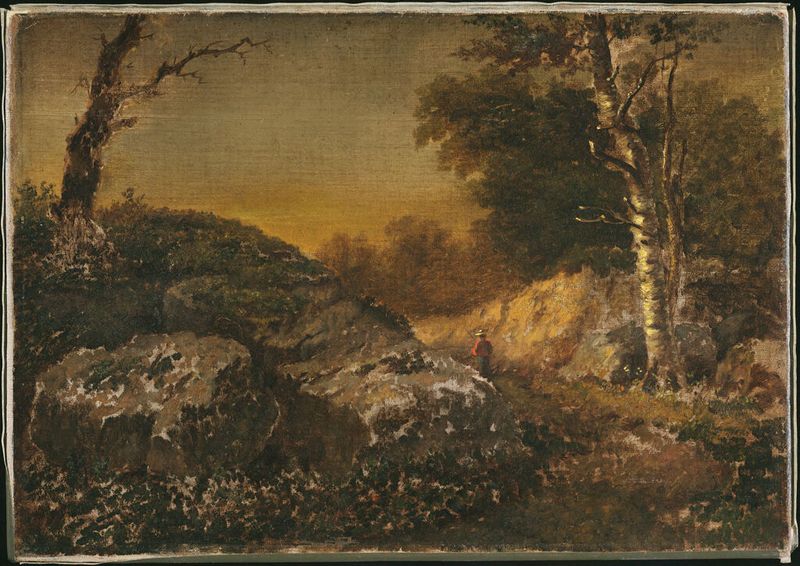
Autumn Landscape with Man Fishing
William Morris Hunt
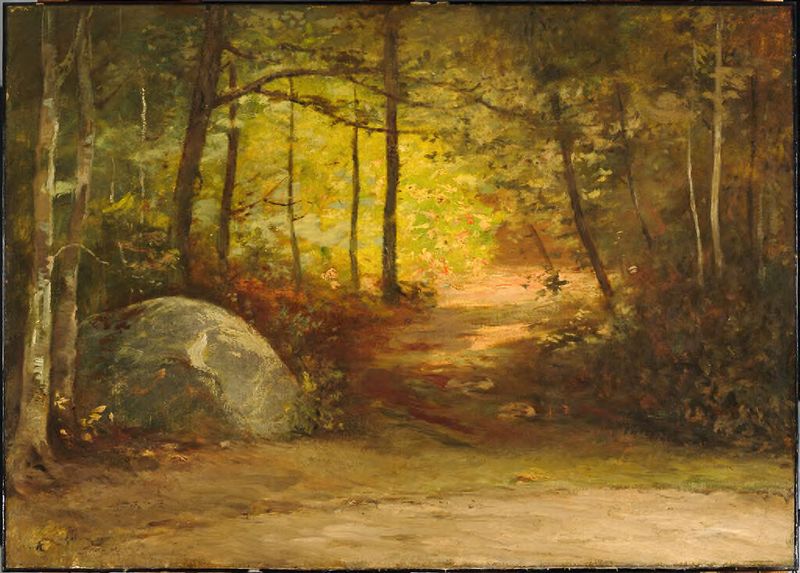
The Gypsies' Parlor
William Morris Hunt
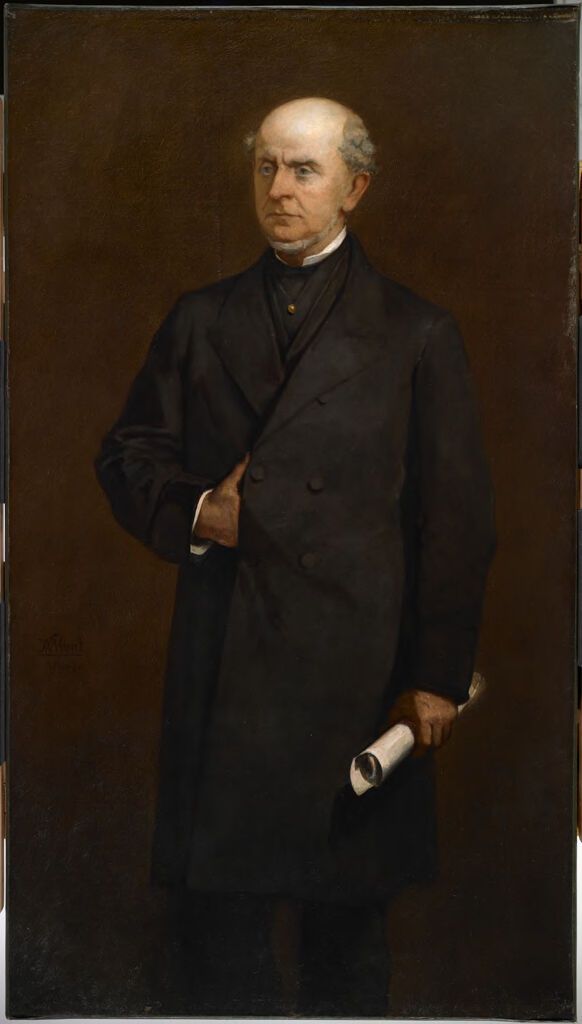
Charles Francis Adams (1807-1886)
William Morris Hunt
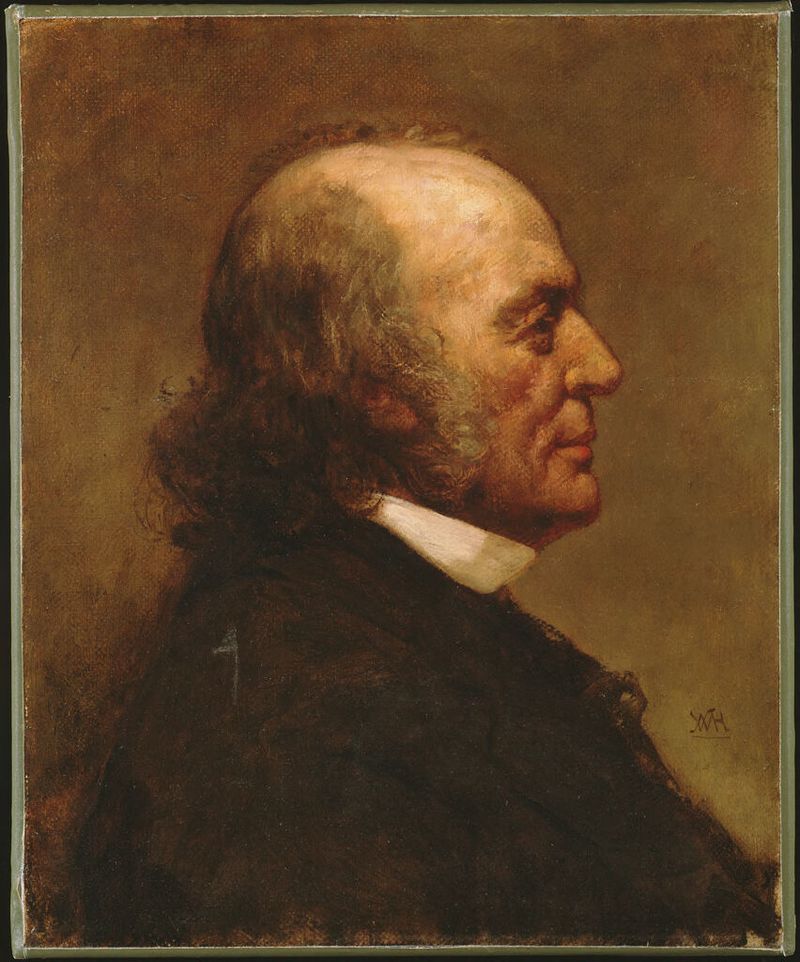
Jean Louis Rodolphe Agassiz (1807-1873)
William Morris Hunt
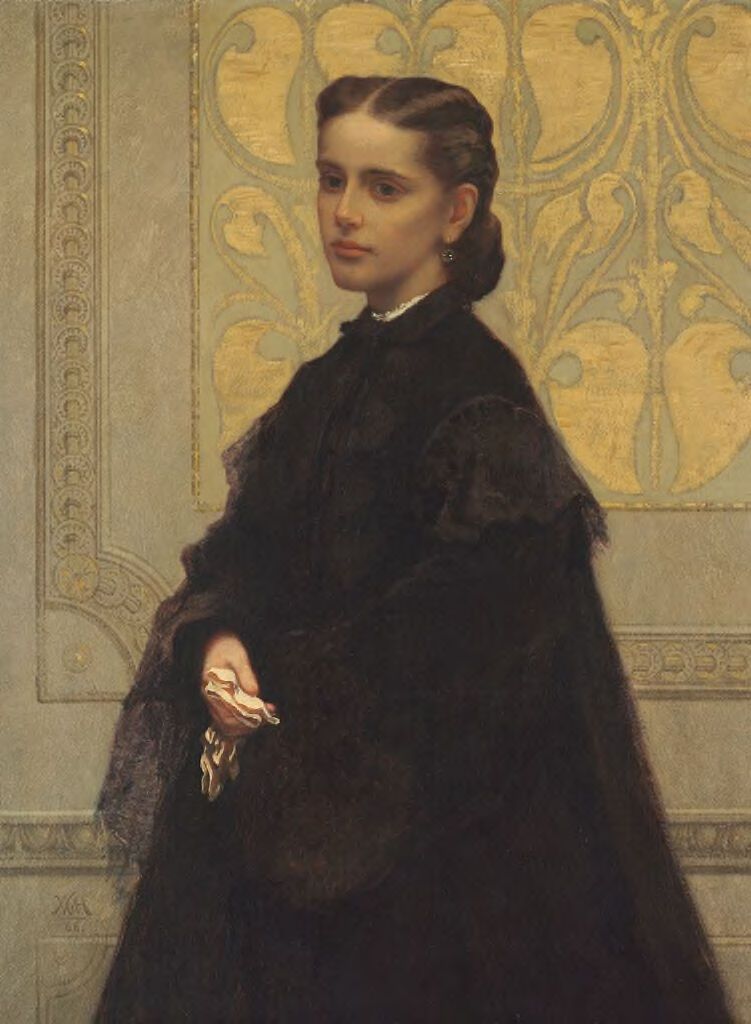
Mary Elizabeth Robbins
William Morris Hunt
More Portrait Art
Browse all →
Las meninas
Diego Velázquez

Self-portrait with a Bandaged Ear and Pipe
Unidentified artist

Girl with a Pearl Earring
Johannes Vermeer

The Sampling Officials of the Amsterdam Drapers’ Guild, Known as ‘The Syndics’
Rembrandt van Rijn

The Hundred Guilder Print: the man seen on the back in the lower left corner
Rembrandt van Rijn

Portrait of Dr Gachet
Vincent van Gogh