
Sand Bank with Willows, Magnolia — History & Facts
Where does light end, and longing begin? Sand Bank with Willows, Magnolia beckons us to explore the delicate interplay of nature and emotion, inviting contemplation of hope. Look to the center, where the lush green willows gracefully arch over a shimmering, tranquil bank of sand. The dappled sunlight filters through the leaves, casting gentle reflections on the water's surface, an exquisite dance of light and shadow. Notice how Hunt’s technique captures the ethereal quality of the moment: soft brushstrokes blend hues of green and gold, evoking a sense of peace while suggesting the ephemeral nature of beauty. The composition speaks to contrasts—between the solidness of earth and the fluidity of water, the permanence of trees and the temporality of light.
The warm colors evoke warmth and comfort, yet there’s an underlying tension in the stillness of the scene, hinting at a deeper yearning for connection with nature and oneself. The willows, with their gentle sway, become symbols of resilience and hope, as if whispering secrets to those who pause to listen. William Morris Hunt painted this piece in 1877 during a period of personal struggle and artistic evolution in the United States. Living in Boston, he was influenced by the early American Impressionists and sought to elevate American landscape painting.
This work reflects his dedication to capturing the essence of beauty and emotion, positioning him as a pivotal figure in the transition toward a more expressive interpretation of landscape art.
More Artworks by William Morris Hunt
Browse all →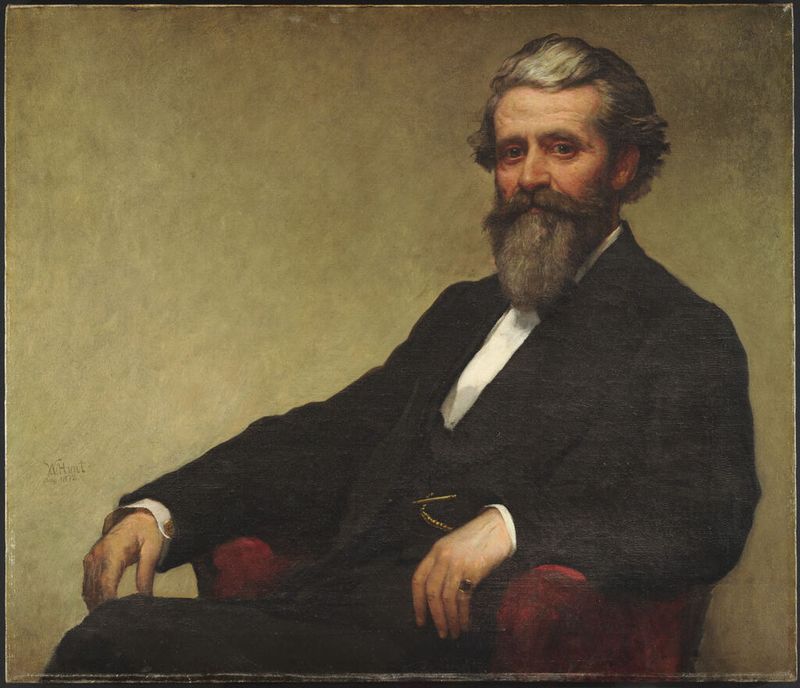
Judge John Lowell (1824-1897)
William Morris Hunt

The Spouting Whale
William Morris Hunt
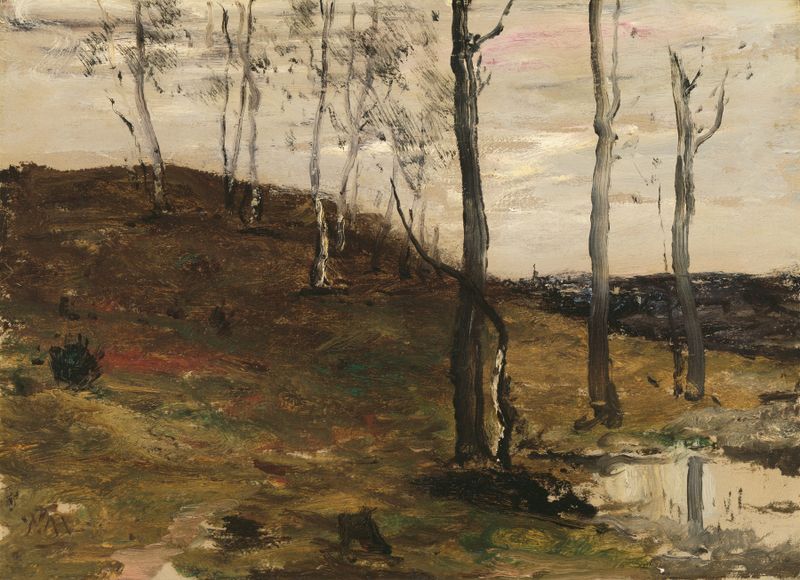
Hillside with Trees
William Morris Hunt

Hillside with Trees
William Morris Hunt
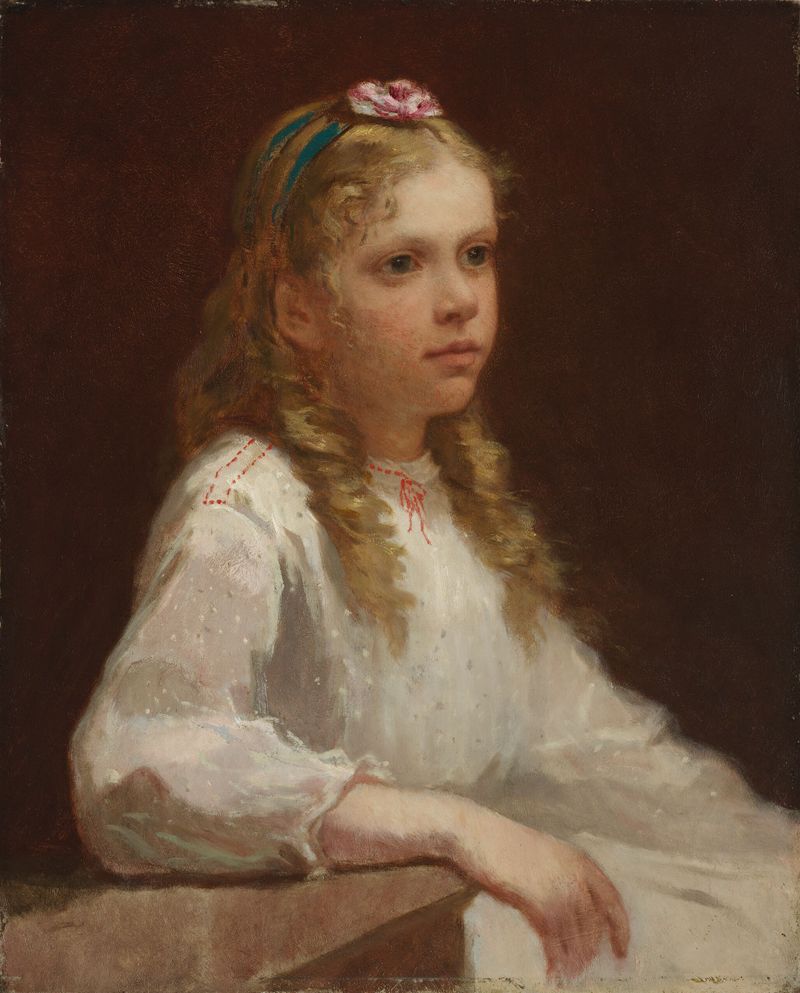
Susan Heard Oliver Dabney
William Morris Hunt
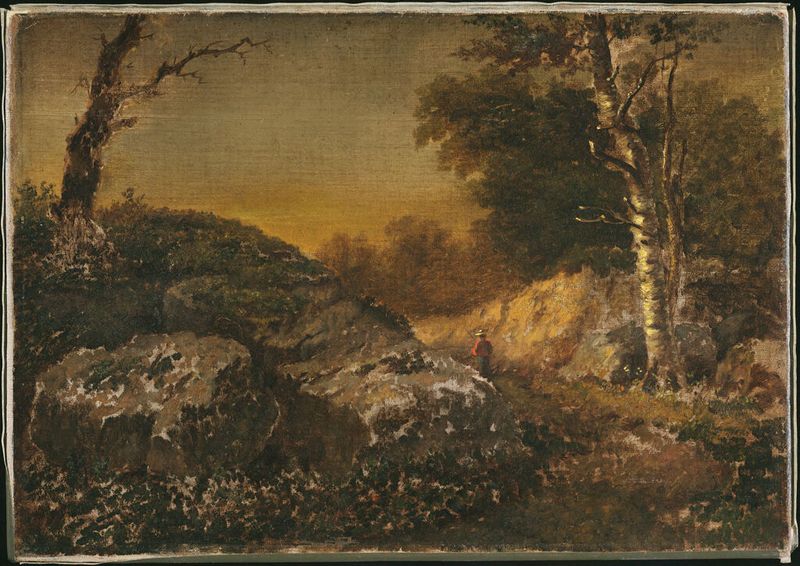
Autumn Landscape with Man Fishing
William Morris Hunt
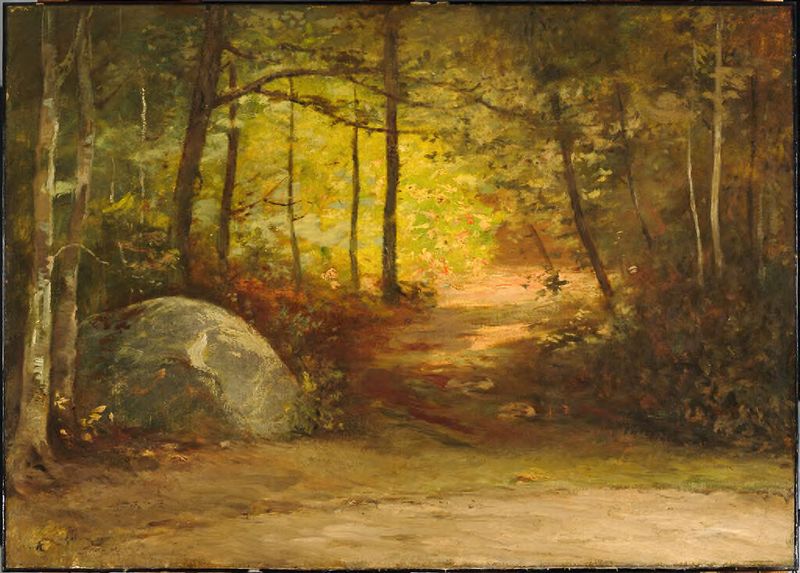
The Gypsies' Parlor
William Morris Hunt
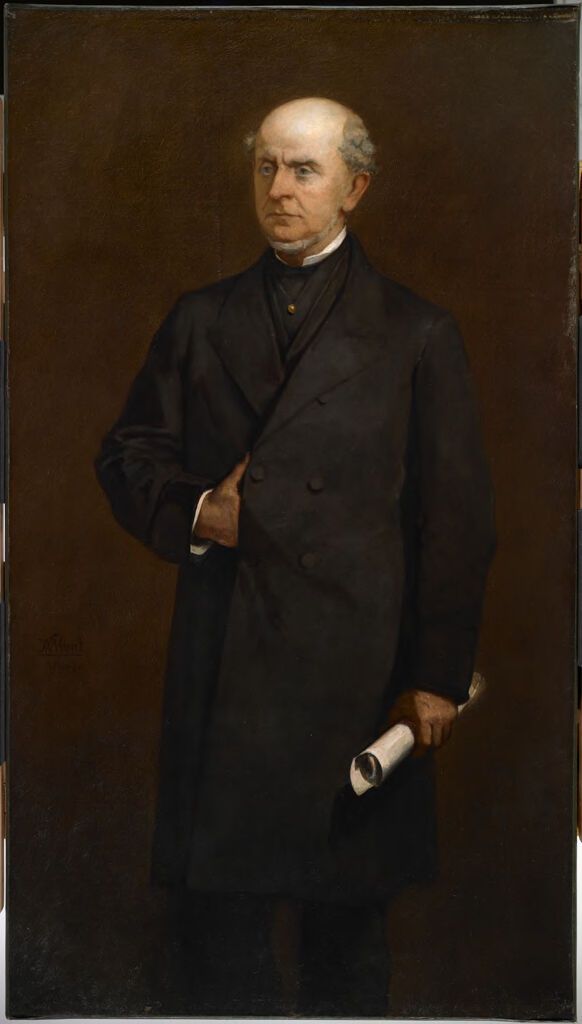
Charles Francis Adams (1807-1886)
William Morris Hunt
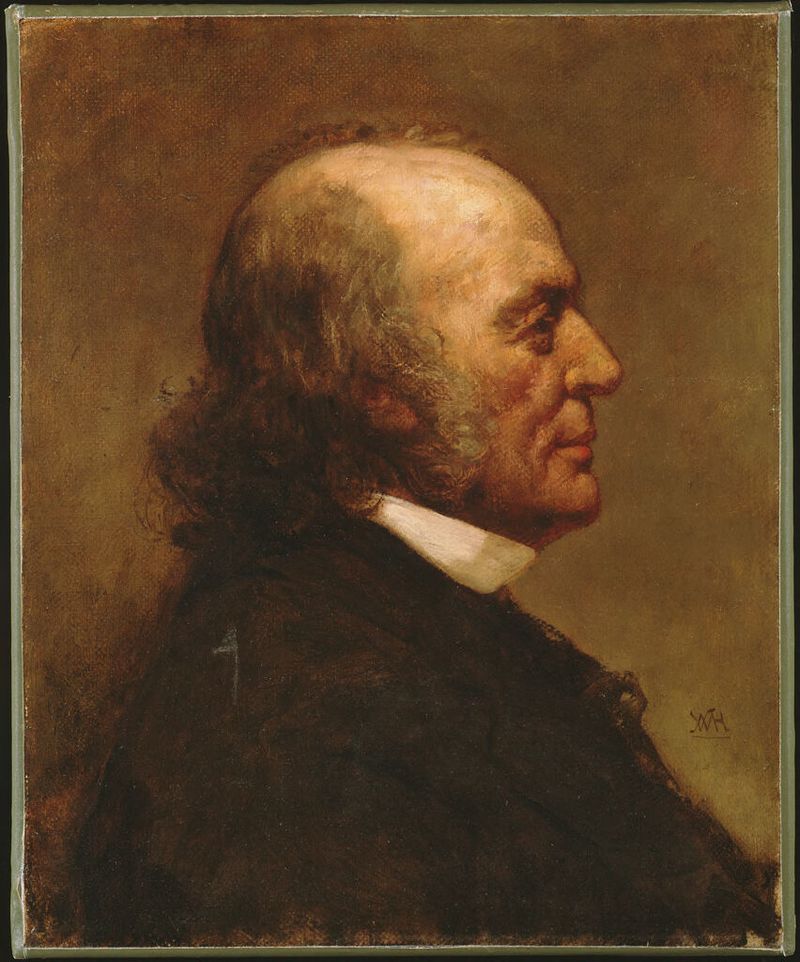
Jean Louis Rodolphe Agassiz (1807-1873)
William Morris Hunt
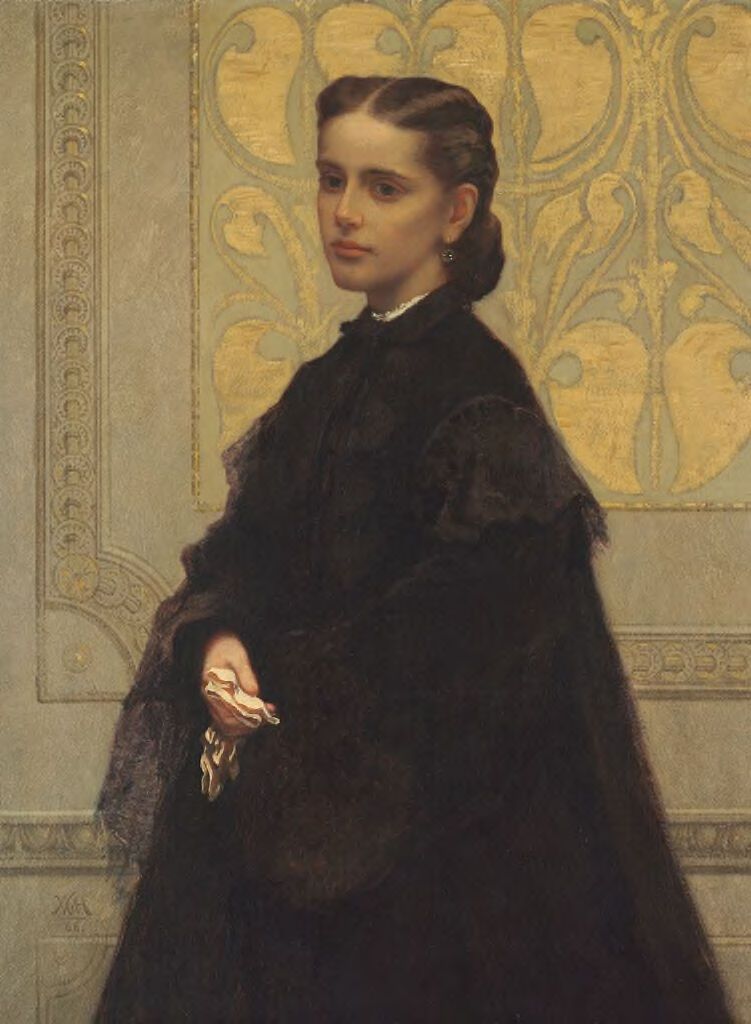
Mary Elizabeth Robbins
William Morris Hunt





