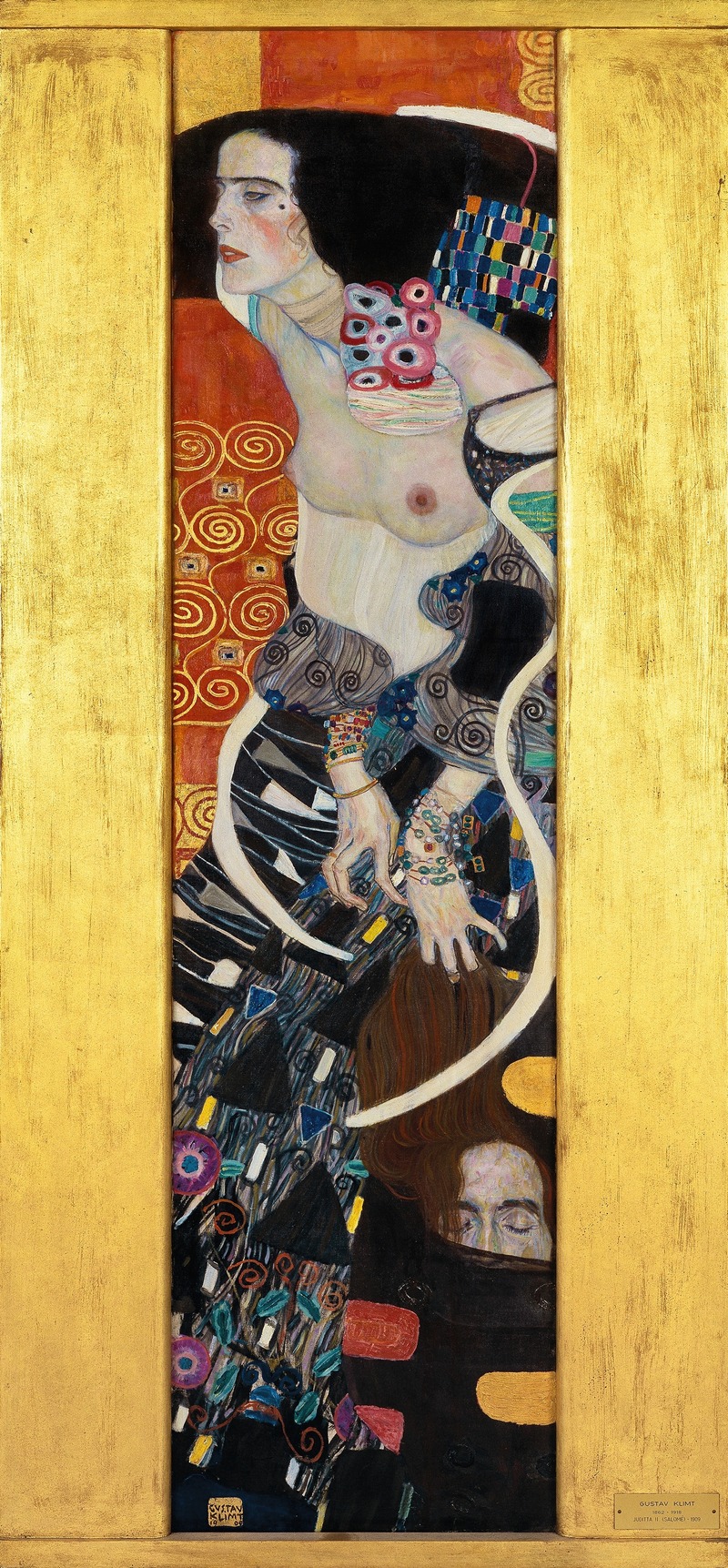
Discover insights about this artwork
Jeté de roses — History & Facts
Jeté de roses is a vibrant painting by Pierre-Auguste Renoir that captures a lively outdoor scene. The canvas is filled with bright colors, primarily soft pinks and greens, creating a cheerful atmosphere. Figures are depicted in motion, suggesting a joyful gathering, possibly a picnic or celebration.
The flowers, particularly roses, are prominent, adding to the sense of festivity and beauty in the composition. The painting is executed in oil on canvas, a medium that allows for rich color and texture. Renoir's brushwork is loose and fluid, typical of the Impressionist style, which emphasizes the effects of light and movement. The dimensions of the artwork are approximately 65 x 81 cm, making it a medium-sized piece that invites viewers to engage closely with the details.
The use of light and shadow enhances the depth and vibrancy of the scene. Pierre-Auguste Renoir was a leading figure in the Impressionist movement, known for his focus on capturing the beauty of everyday life. Jeté de roses reflects his interest in social gatherings and the joy of human connection. An interesting fact about this work is that it showcases Renoir's ability to blend figures with nature, creating a harmonious relationship between the two.
This painting is often celebrated for its lively spirit and the way it embodies the essence of Impressionism.
More Artworks by Pierre-Auguste Renoir
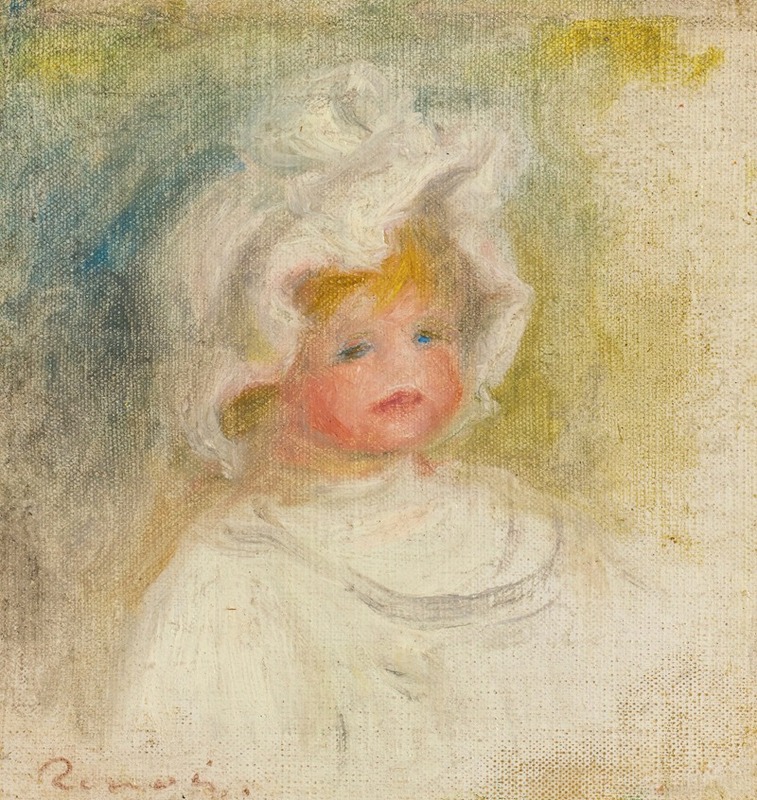
Portrait De Coco Renoir
Pierre-Auguste Renoir
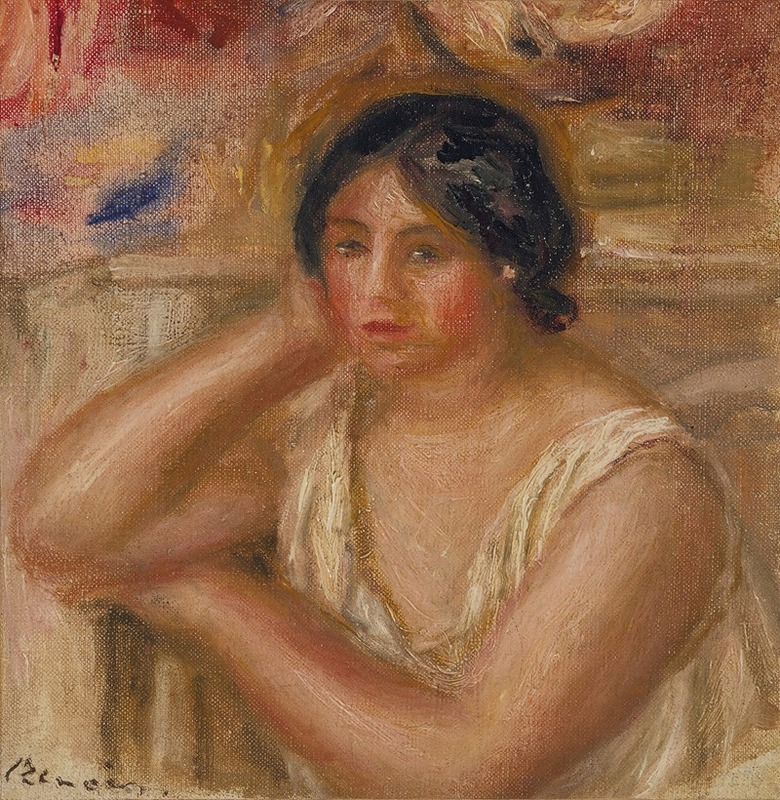
Portrait De Gabrielle
Pierre-Auguste Renoir
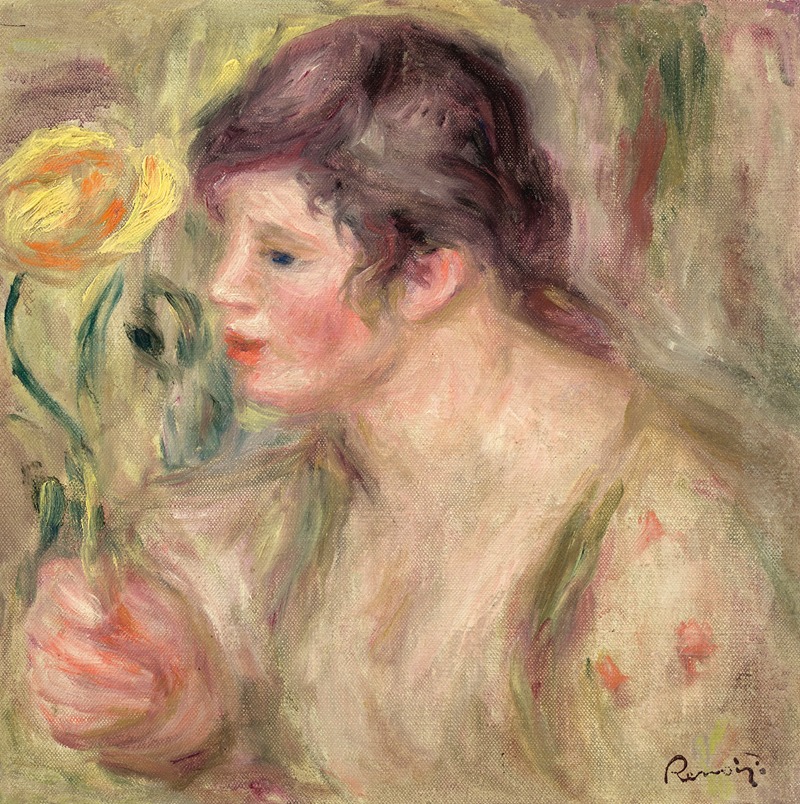
Femme à la rose
Pierre-Auguste Renoir
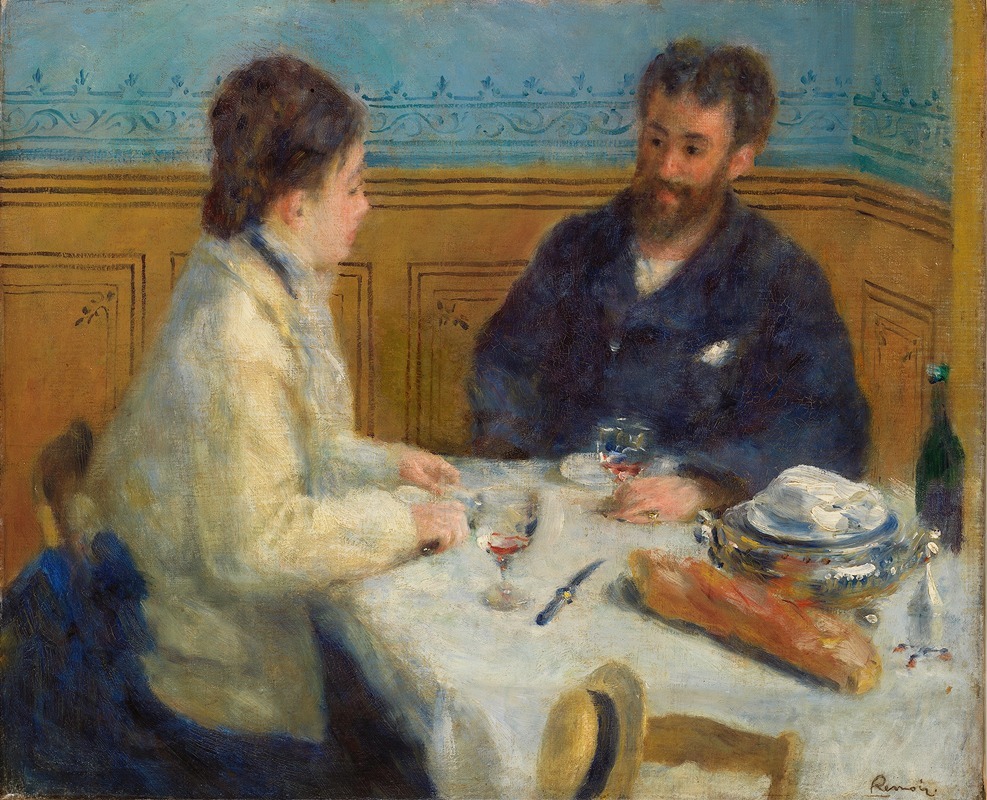
Luncheon (Le Déjeuner)
Pierre-Auguste Renoir
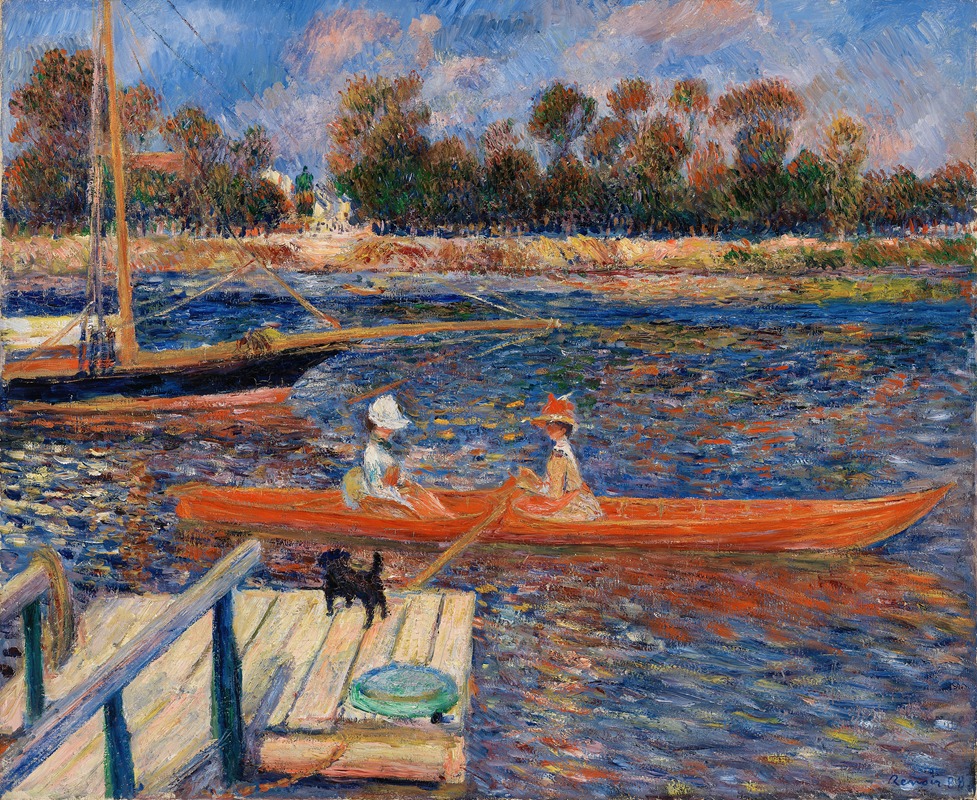
The Seine at Argenteuil (La Seine à Argenteuil)
Pierre-Auguste Renoir
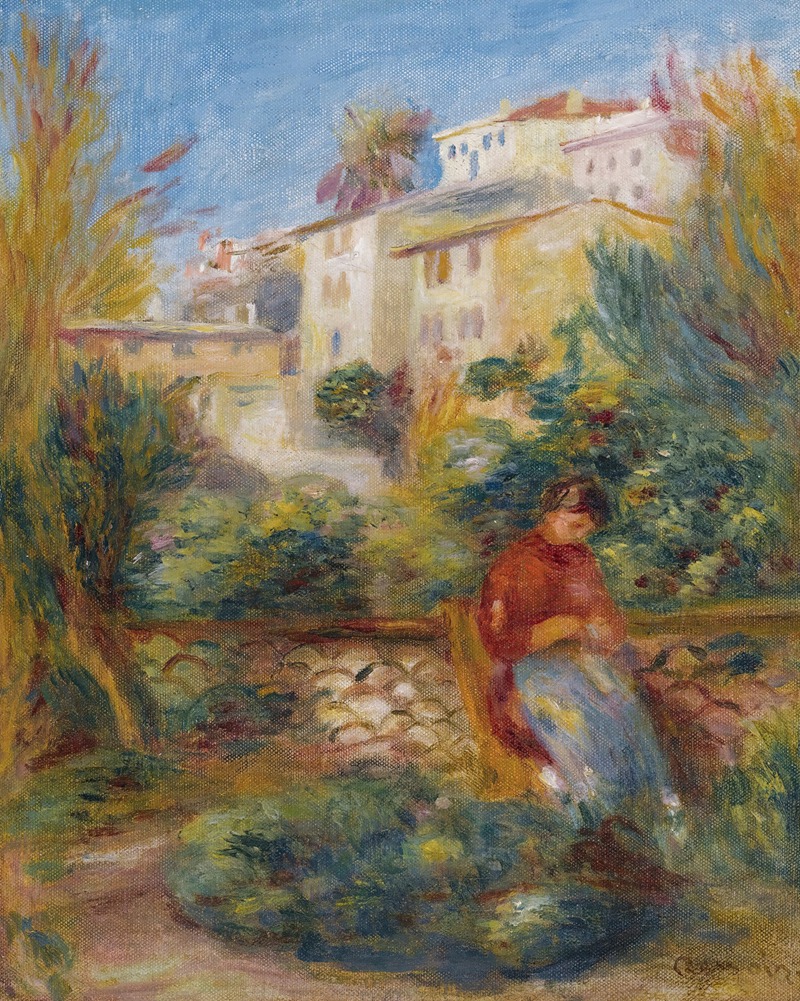
La Terrasse À Cagnes
Pierre-Auguste Renoir
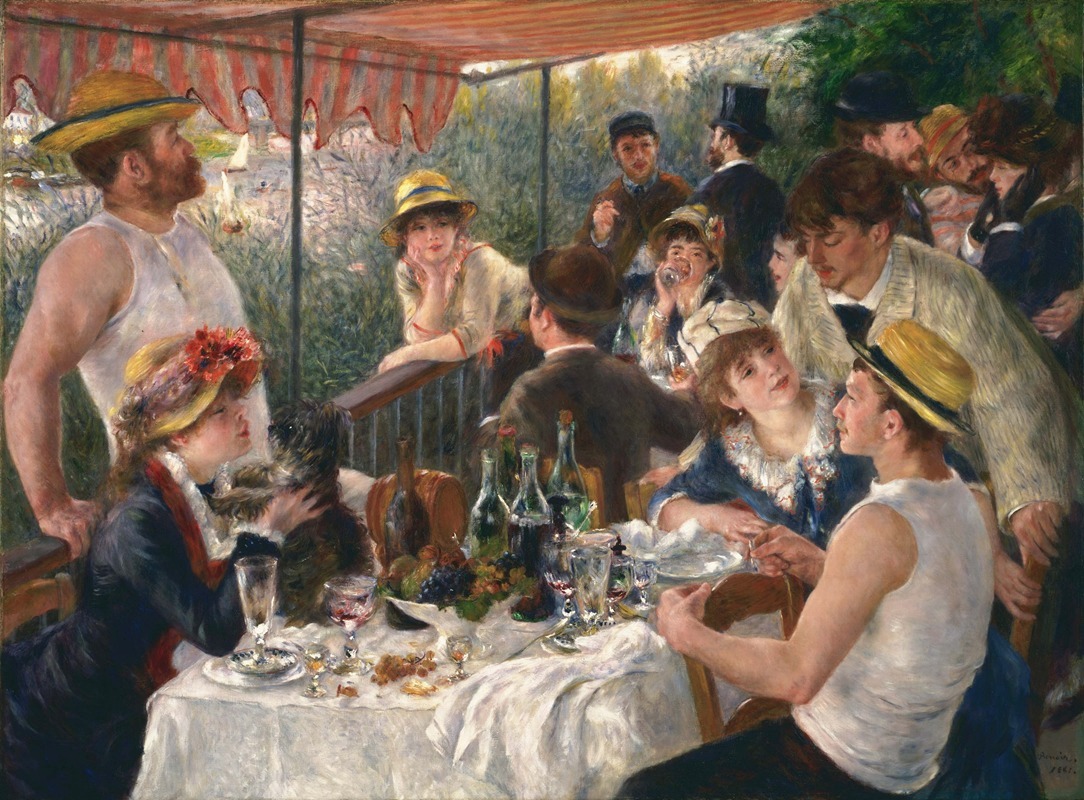
Luncheon of the Boating Party
Pierre-Auguste Renoir
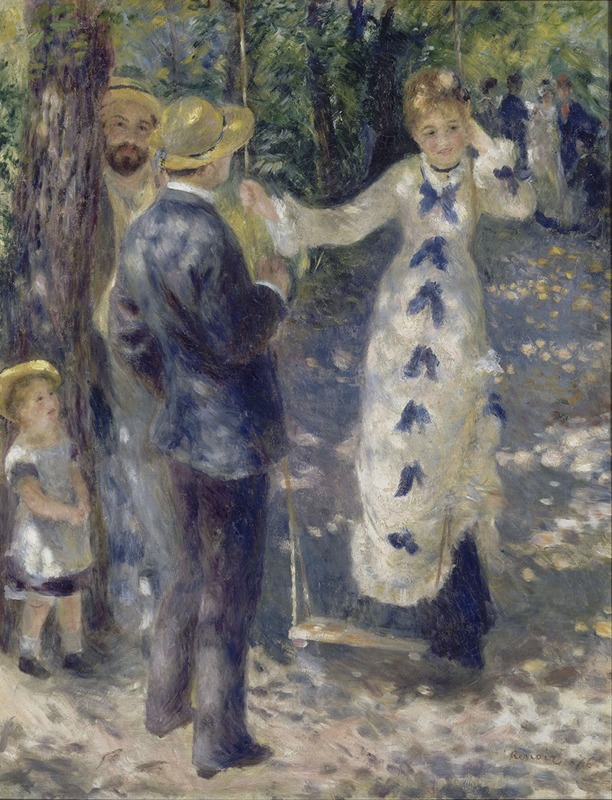
The Swing
Pierre-Auguste Renoir
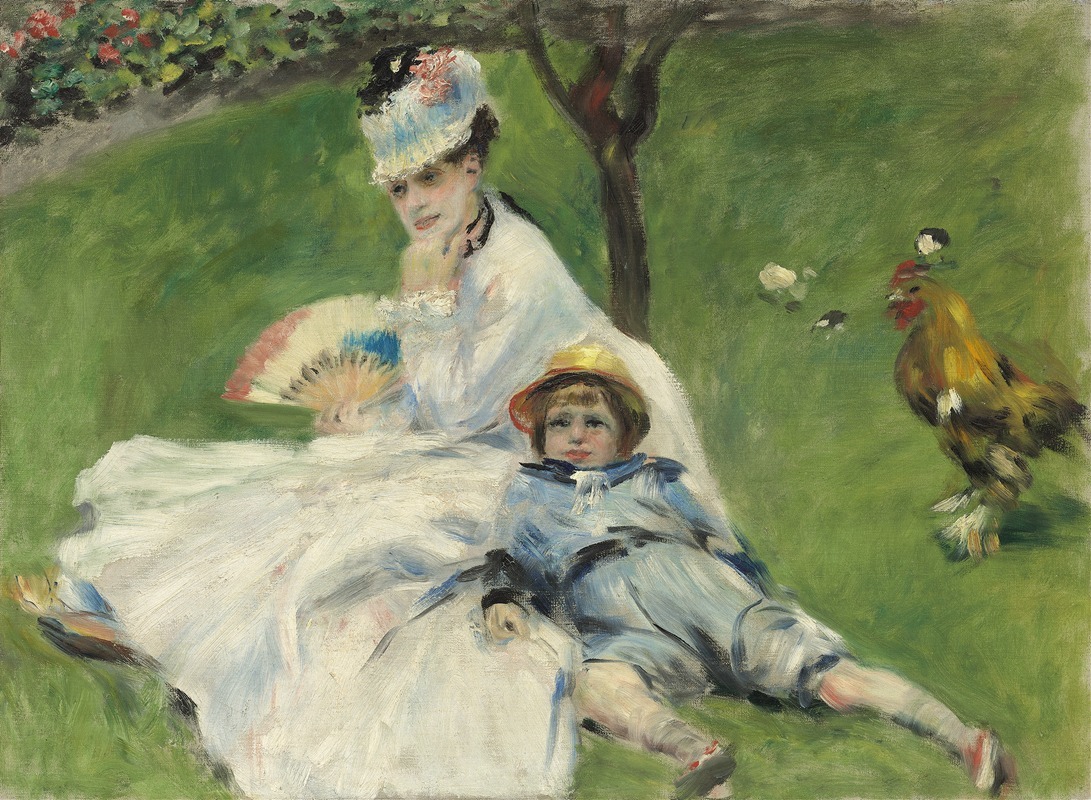
Madame Monet and Her Son
Pierre-Auguste Renoir
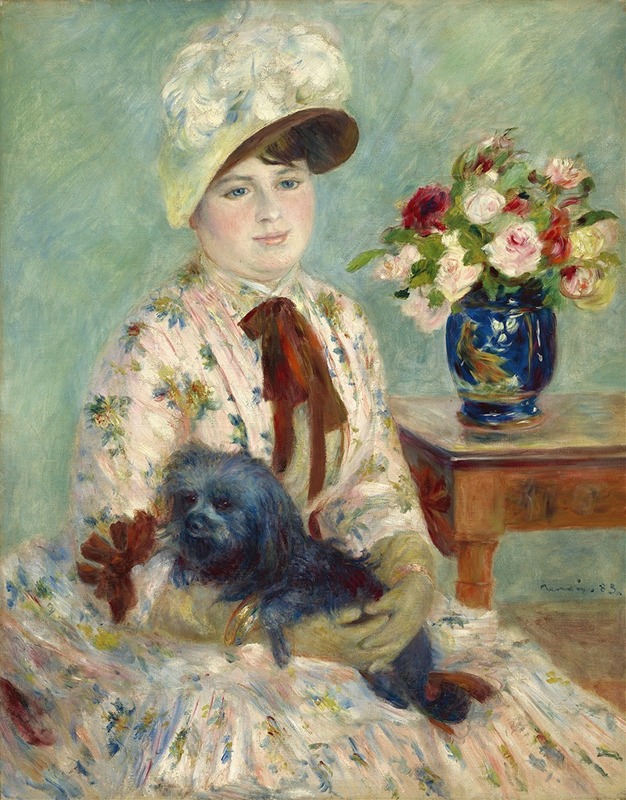
Mlle Charlotte Berthier
Pierre-Auguste Renoir