
Jeudi porte de Clichy — History & Facts
What secret hides in the quiet of the canvas? In the stillness of Jeudi porte de Clichy, whispers of revolution echo through muted tones and deliberate strokes. Focus first on the central figure, standing resolutely at the forefront. Notice how the light dances along the edges of their silhouette, framing their posture against the more subdued background. The color palette, dominated by earthy browns and soft greys, suggests a somber mood, drawing the viewer’s eye toward the subtle contrasts that define the scene.
The splashes of color in the distance hint at life beyond the immediate struggle, inviting contemplation. This artwork encapsulates a profound tension between hope and despair. The figure’s stance speaks of defiance yet hints at vulnerability, a reminder of the weight of unfulfilled dreams. The sparsely populated setting furthers the desolation, while small details, like a flickering streetlamp, symbolize the faint glimmers of hope amidst uncertainty and turmoil.
Each brushstroke seems to pulse with the energy of change, inviting a deeper understanding of the societal undercurrents at play. Created during an unspecified period when political unrest permeated Europe, the artist crafted Jeudi porte de Clichy at a time when revolutionary fervor was palpable yet uncertain. The choice to depict such a scene reflects not just personal artistic exploration but a collective yearning for transformation. In this work, one can sense the artist's engagement with the world around him, revealing both the personal and shared struggles of a society on the brink of awakening.
More Artworks by Francis Garat
Browse all →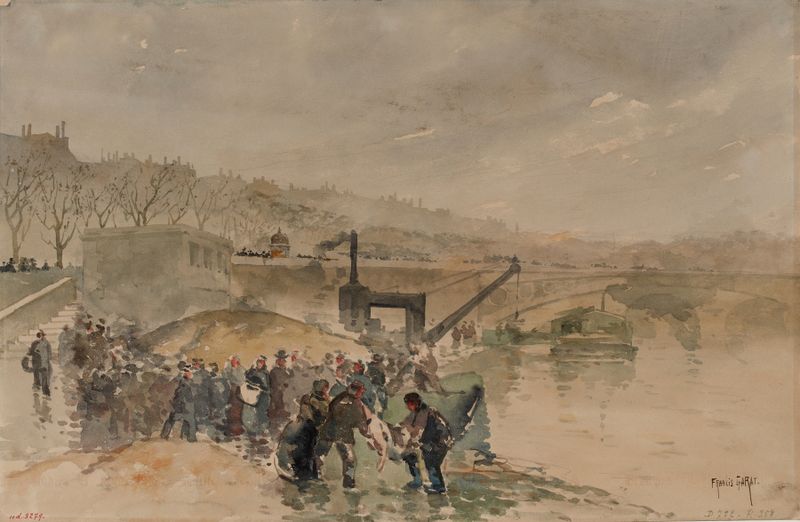
Les bords de Seine, quai du Louvre, 1er arrondissement
Francis Garat
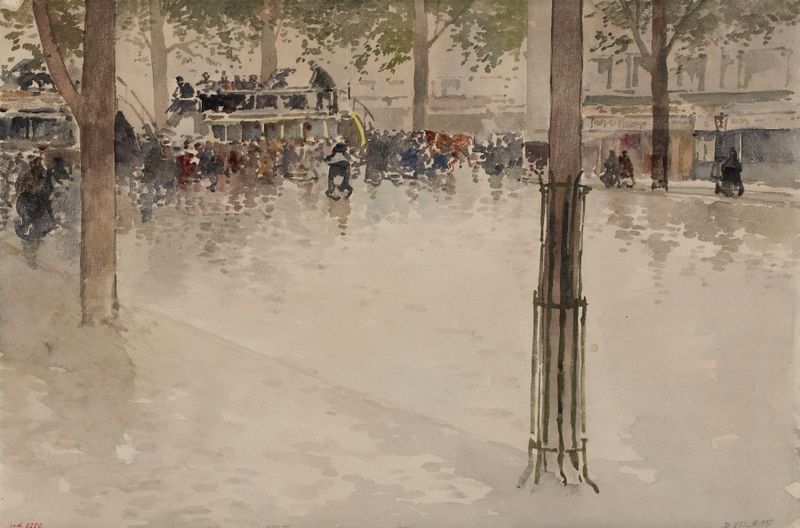
La station d’omnibus de l’avenue des Gobelins, 5ème arrondissement ou 13ème arrondissement
Francis Garat
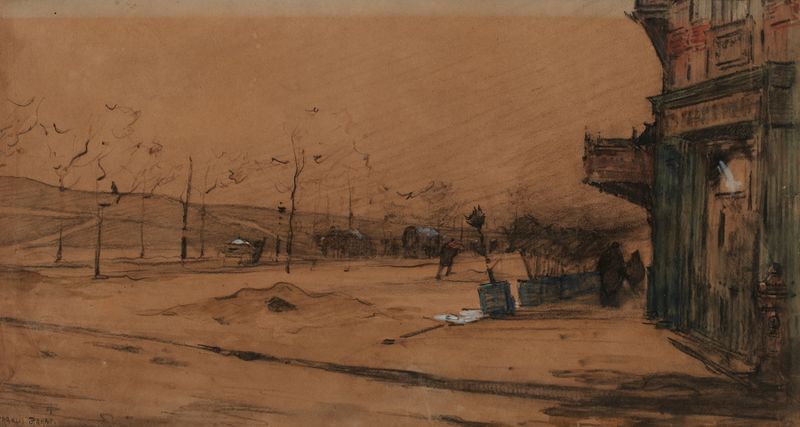
Boulevard Ney, 18ème arrondissement
Francis Garat
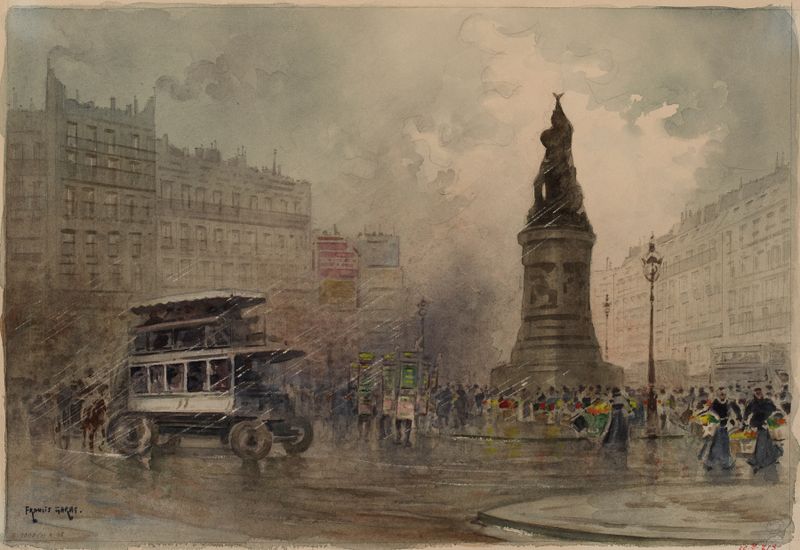
Place de Clichy, 17ème arrondissement
Francis Garat
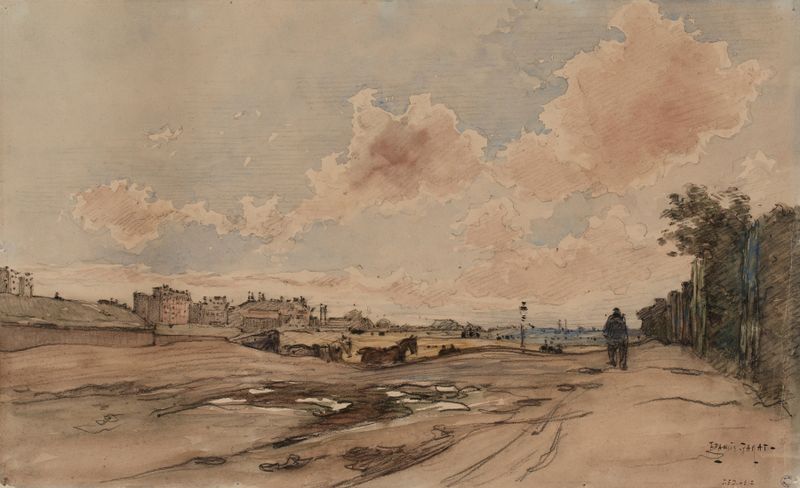
La porte des Poissonniers, 18ème arrondissement
Francis Garat
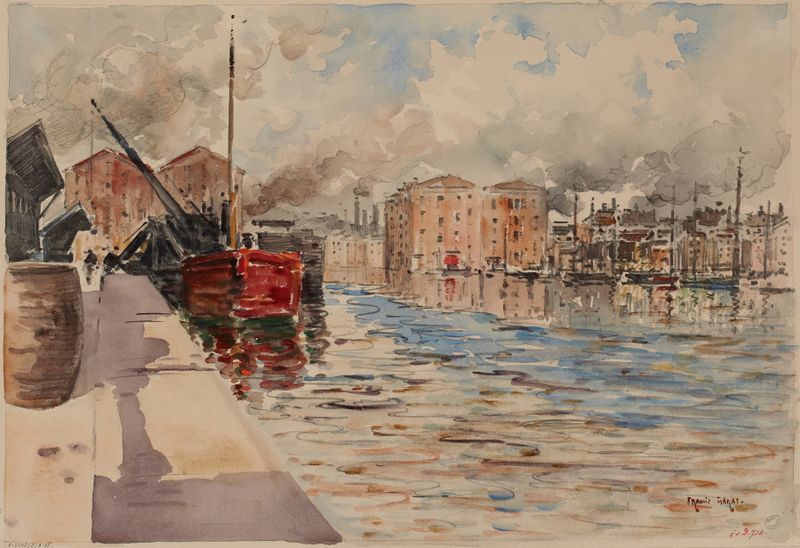
Le canal de la Villette, 19ème arrondissement
Francis Garat
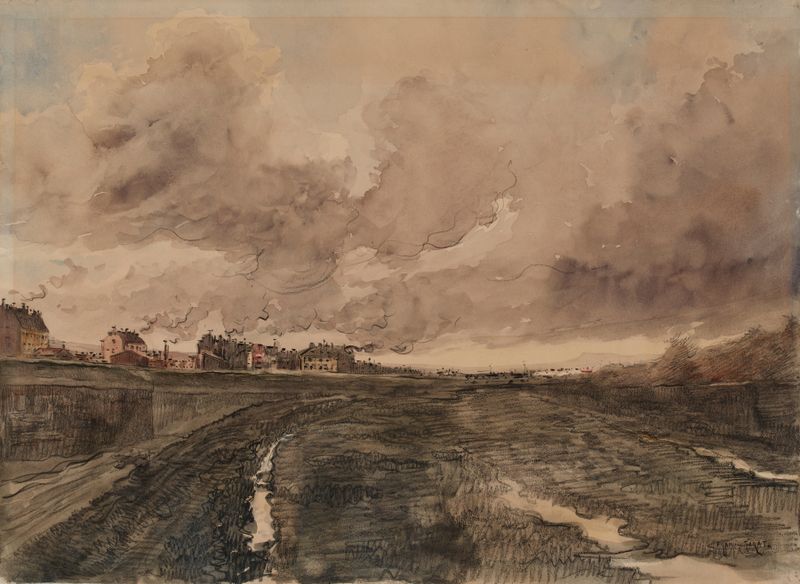
Vue du boulevard de Lorraine, 17ème arrondissement, avenue de la porte Pouchet limite du territoire de Clichy
Francis Garat





