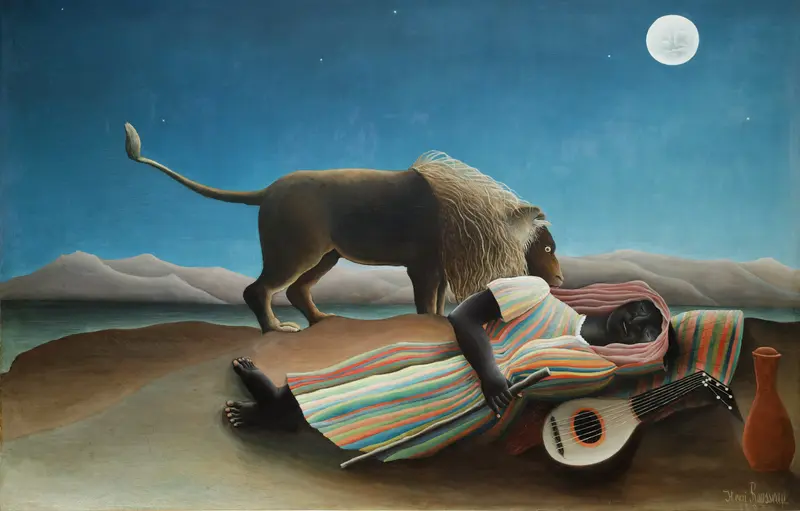
Jogoli — History & Facts
In Jogoli, Henri Rivière presents a tranquil scene filled with soft colors and gentle forms. The painting features a serene landscape, with flowing lines that guide the viewer's eye through the composition. The palette consists of muted greens, blues, and earth tones, creating a harmonious atmosphere.
Figures may be present, but they blend seamlessly into the surrounding nature, emphasizing the connection between humanity and the environment. The technical aspects of Jogoli reveal Rivière's skillful use of oil on canvas. The brushwork is delicate, with layers of paint that create depth and texture. The composition is balanced, drawing the viewer's attention to the central elements while allowing the background to recede gently.
This technique enhances the overall sense of tranquility and unity within the artwork. Henri Rivière was part of the Symbolism movement, which sought to express emotions and ideas through symbolic imagery. Jogoli reflects his interest in the relationship between humans and nature, a recurring theme in his work. An interesting fact about this painting is that it showcases Rivière's ability to blend realistic elements with a dreamlike quality, inviting viewers to reflect on their own experiences in nature.
More Artworks by Henri Rivière

Sur les toits
Henri Rivière
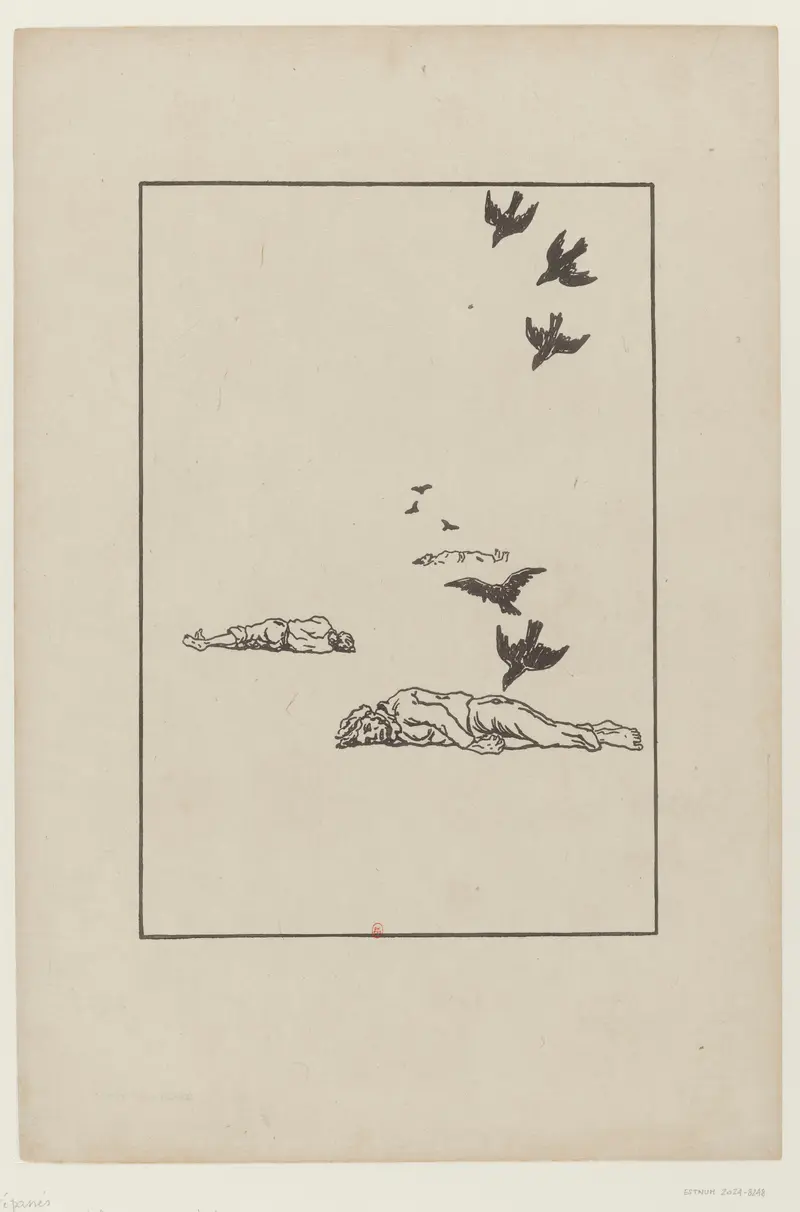
La Baie des trépassés
Henri Rivière
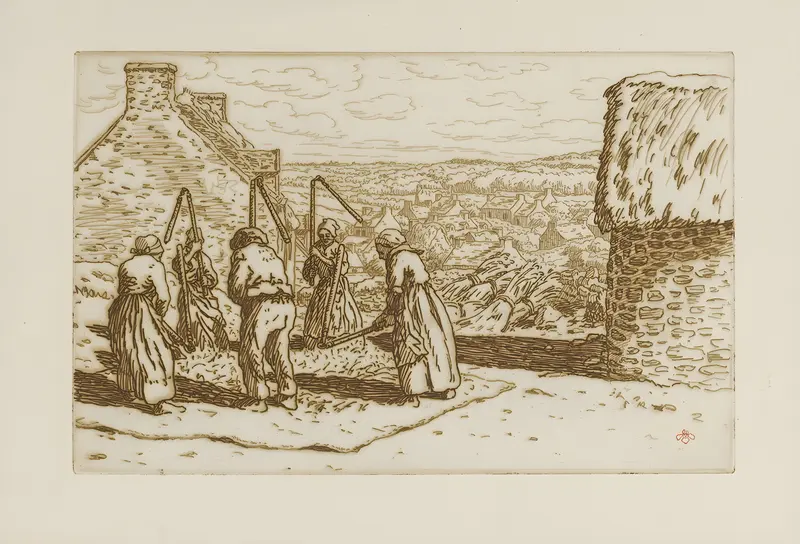
Homme et quatre femmes battant le blé
Henri Rivière

Barque à sec sur le sable au pied de la falaise
Henri Rivière
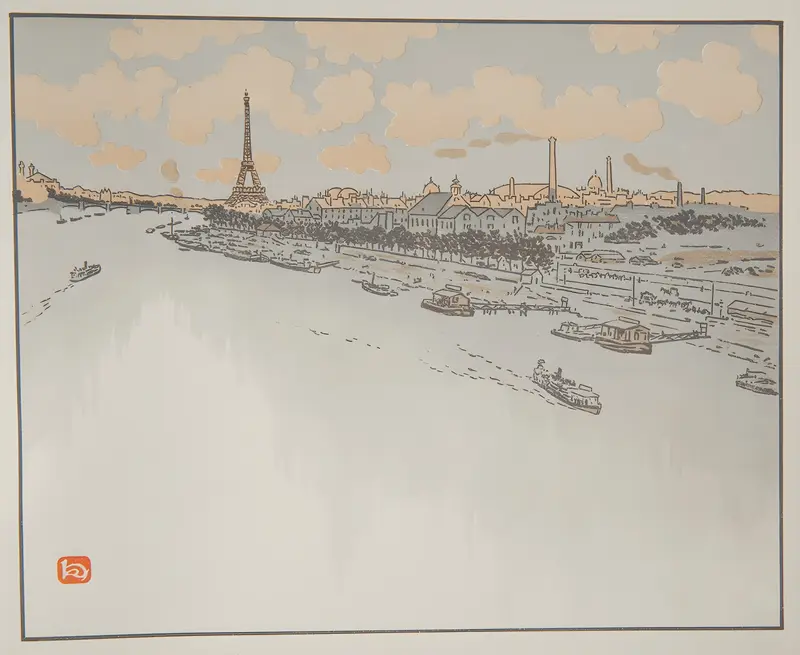
Du Point-du-Jour
Henri Rivière
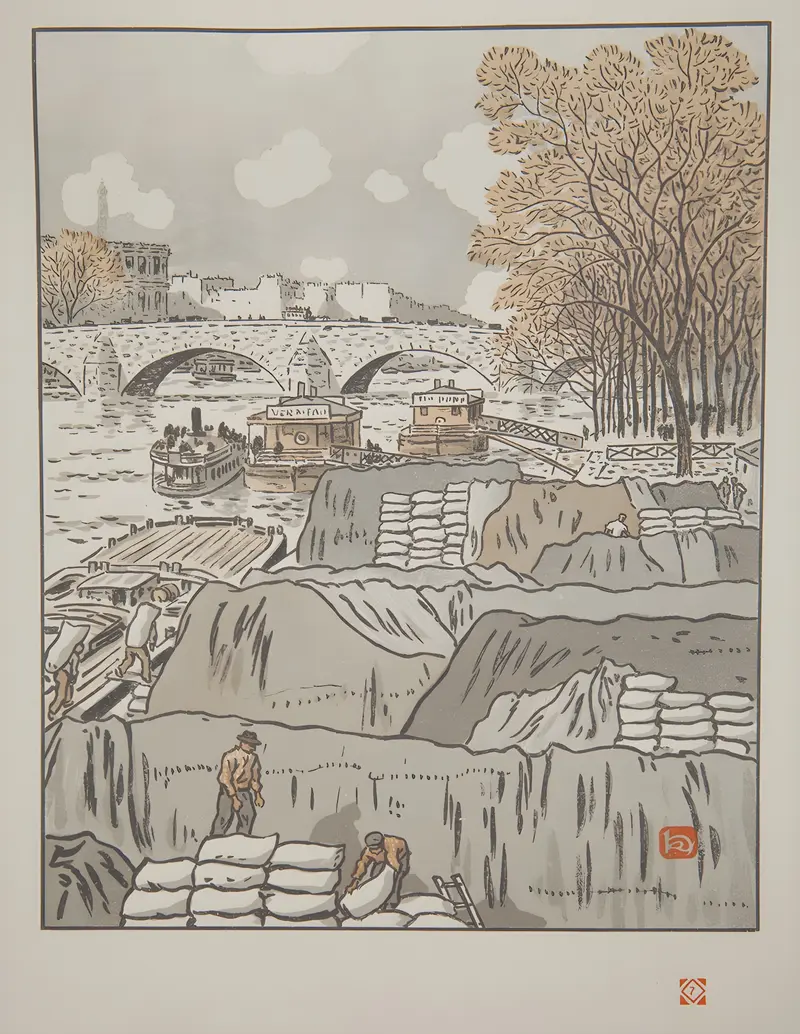
Du Pont des Saints Peres
Henri Rivière
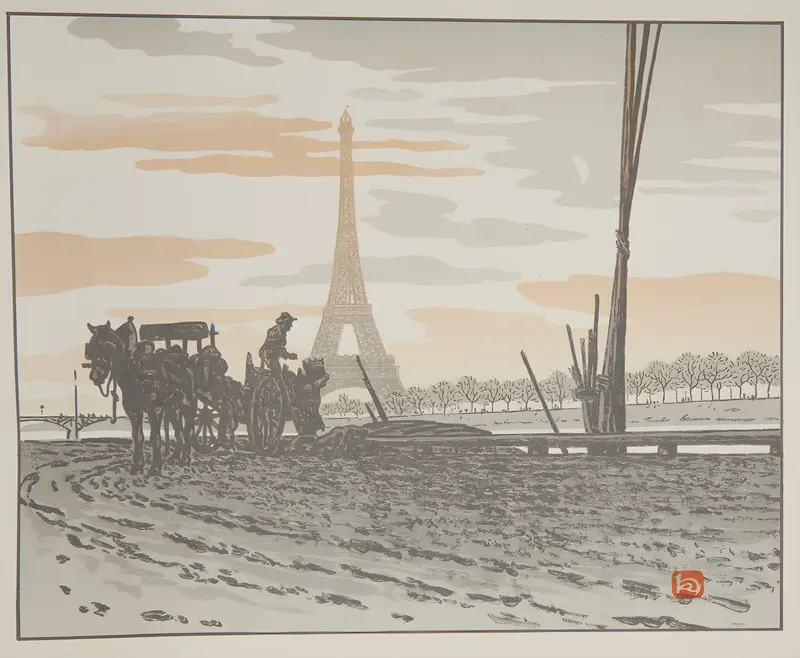
Du Quai de Pasy – Charboniers
Henri Rivière
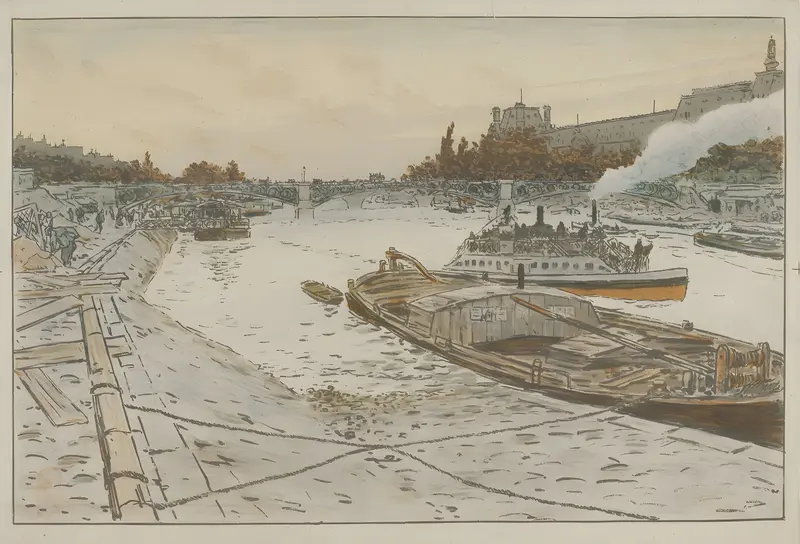
Le Pont des Saints-Pères (pont du Carrousel) et le Louvre
Henri Rivière
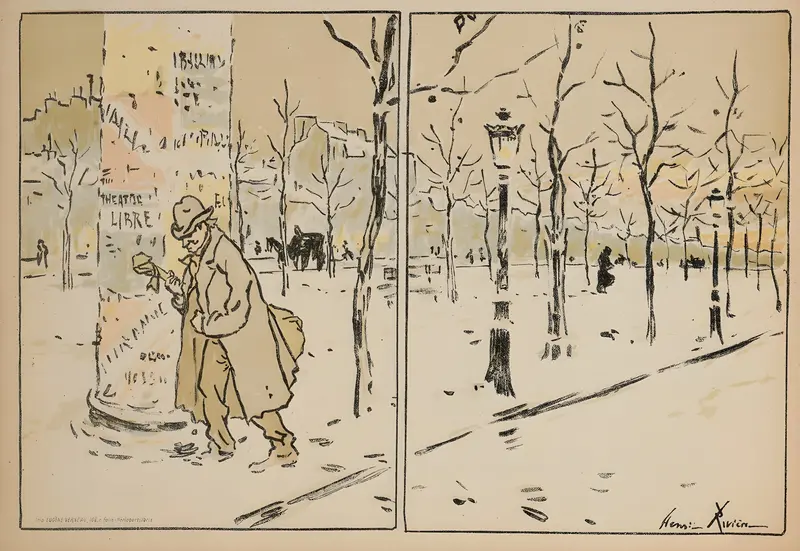
Paris en hiver, Programme pour le Théâtre Libre
Henri Rivière
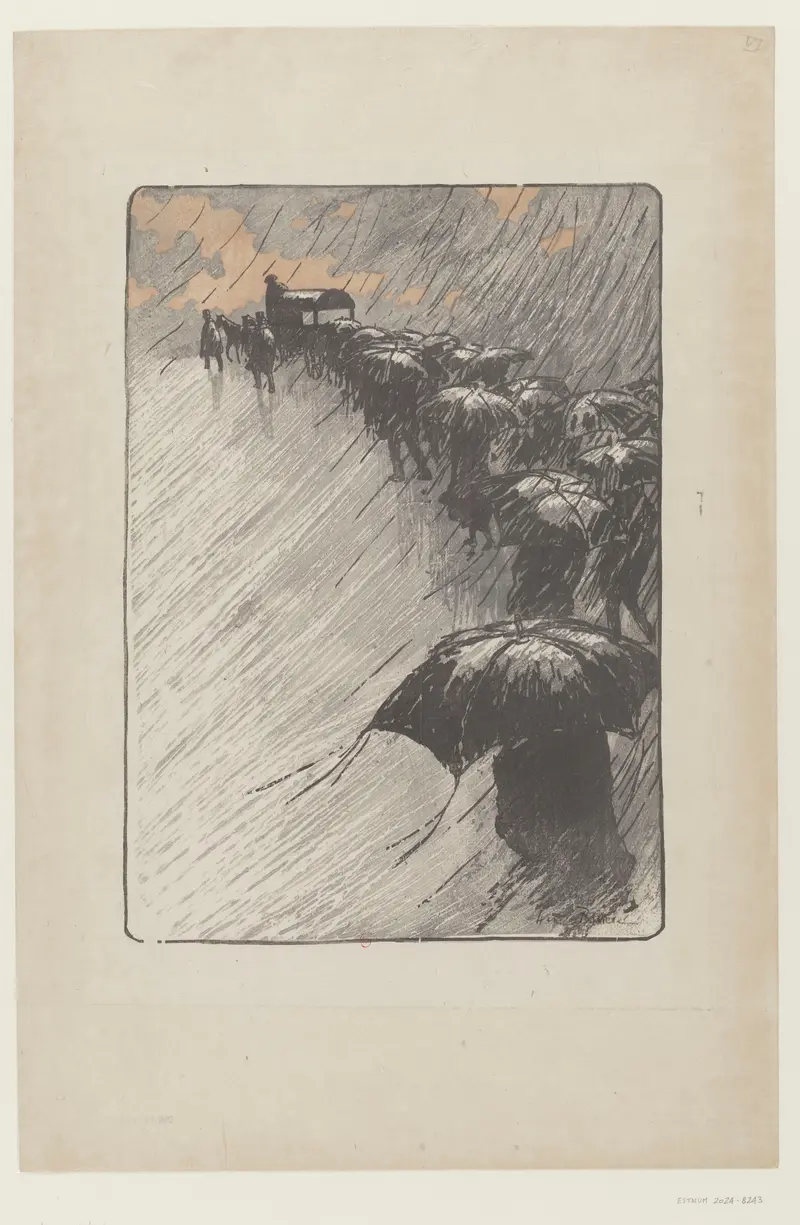
L’Enterrement aux parapluies
Henri Rivière