
Johannes de Doper — History & Facts
What secret hides in the quiet of the canvas? In Johannes de Doper, an ethereal stillness envelops the viewer, inviting contemplation of the profound loss that permeates the scene. Look to the central figure, where the gentle flow of robes and the subtle play of light draw your gaze first. The artist's delicate brushwork captures the texture of the fabric, creating a tangible sense of movement. Notice how the muted palette of earth tones contrasts with the richness of the luminous halo surrounding the saint's head, symbolizing his divine connection.
The background remains intentionally blurred, emphasizing the solitary presence of John the Baptist, as if he stands alone in a silent world, untouched by the chaos beyond. Amidst this tranquility lies an emotional tension—John's gaze, both serene and piercing, seems to reflect not only his prophetic role but also a deeper contemplation of sacrifice and loss. The subtle arrangement of elements, such as the softly rendered landscape behind him, suggests a separation from the earthly realm, further highlighting the weight of his spiritual journey. The artist masterfully encapsulates the duality of hope and mourning, echoing the broader human experience tied to faith and the inevitability of loss. Created between 1485 and 1490, this work emerges from the rich tapestry of late Gothic art in the Netherlands.
The artist, known as the Meester van het Amsterdamse Kabinet, was part of a time when religious themes dominated, reflecting the era's spiritual uncertainties. As Europe faced sociopolitical upheaval and shifting religious tides, the painting resonates with the collective search for meaning amidst an uncertain world.
More Artworks by Meester van het Amsterdamse Kabinet
Browse all →
De Heilige Familie bij de rozenstruik
Meester van het Amsterdamse Kabinet

Hertenjacht
Meester van het Amsterdamse Kabinet
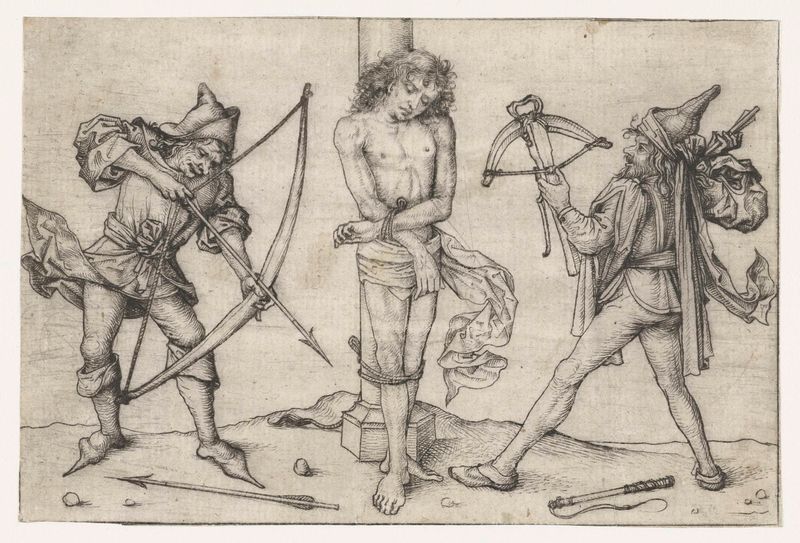
Heilige Sebastiaan met boogschutters
Meester van het Amsterdamse Kabinet

Het lichaam van Christus ondersteund door twee engelen
Meester van het Amsterdamse Kabinet

Heilige Anna-te-Drieën
Meester van het Amsterdamse Kabinet

Heilige Barbara (grote versie)
Meester van het Amsterdamse Kabinet
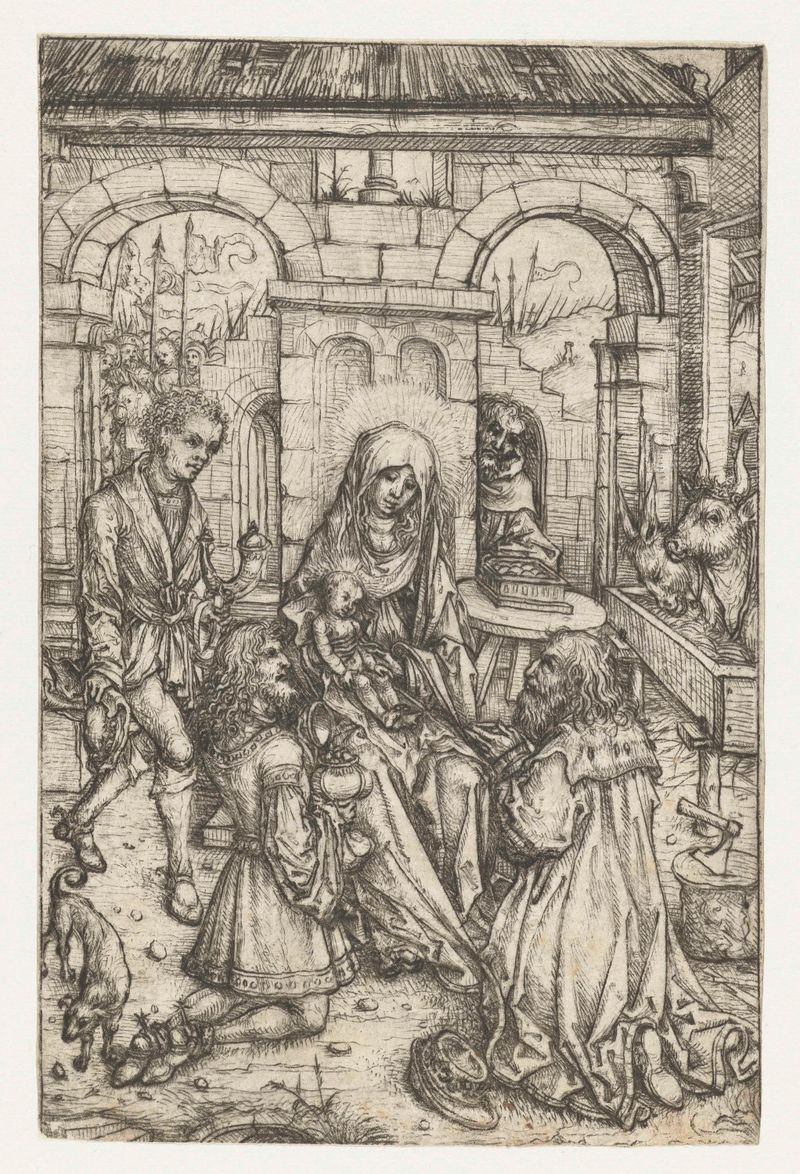
Aanbidding der koningen
Meester van het Amsterdamse Kabinet
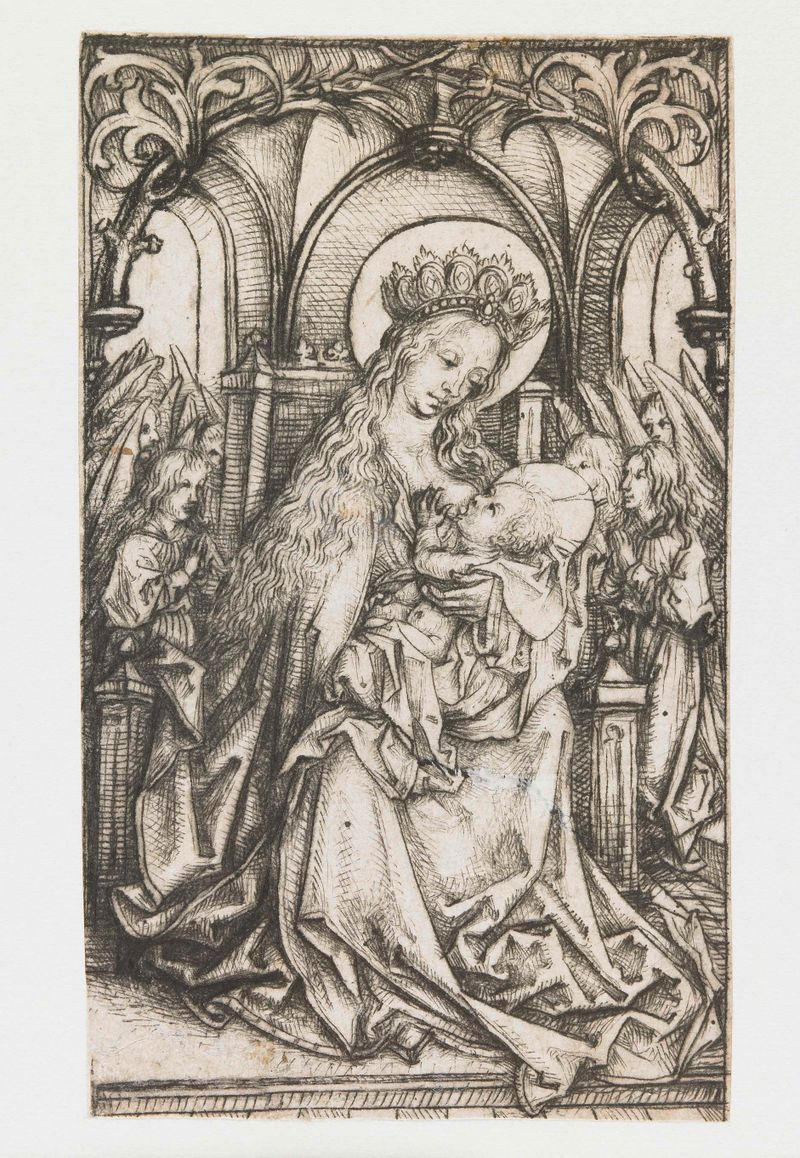
Tronende Madonna door engelen aanbeden
Meester van het Amsterdamse Kabinet

Het zegenend Christuskind
Meester van het Amsterdamse Kabinet
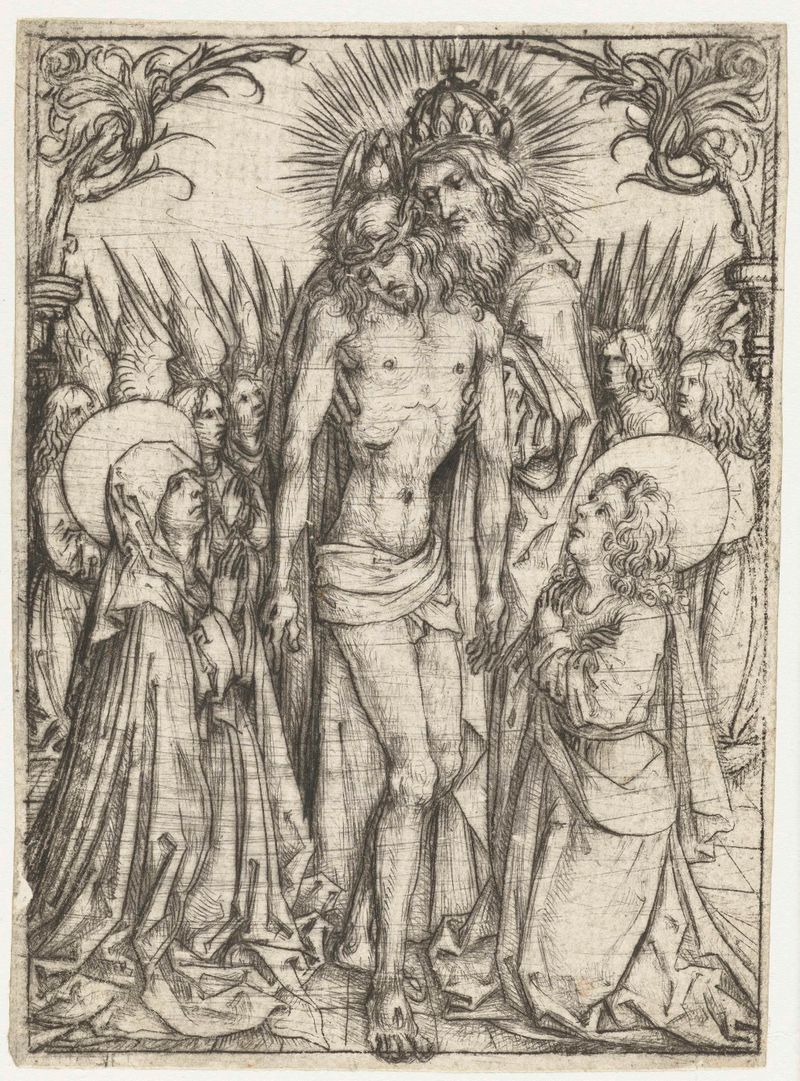
Aanbidding van de Heilige Drieëenheid door Maria, Johannes de Evangelist en engelen
Meester van het Amsterdamse Kabinet
More Religious Art
Browse all →
The Return of the Prodigal Son
Rembrandt van Rijn

The Garden of Earthly Delights
El Bosco

Count Orgaz’ funeral
El Greco

The Hundred Guilder Print: the central piece with Christ preaching, the plate arched
Rembrandt van Rijn

The Descent from the Cross
Rogier van der Weyden

The return of the prodigal son
Rembrandt van Rijn