
John Barnard Swett Jackson (1806-1879) — History & Facts
What if silence could speak through light? In the stillness of a fading afternoon, the last rays of sunlight cascade over an aged figure, revealing the bittersweet beauty found in decay and memory. Focus on the figure’s face, where the delicate play of light accentuates both age and wisdom. Notice how the artist employs soft, muted colors to evoke a sense of introspection, the subtle browns and grays suggesting a life well-lived but nearing its end. The soft texture of the brush strokes imparts a sense of intimacy, as if inviting the viewer into a quiet conversation with this solitary soul. As your eyes wander down the canvas, notice the contrast between the figure's somber expression and the vibrancy of the surrounding elements.
The hint of autumn in the background serves as a metaphor for the cycle of life, while the gentle shadows create a profound sense of solitude and reflection. This juxtaposition evokes a silent dialogue about mortality and the inevitability of change, enriching the emotional depth of the painting. William Morris Hunt created this poignant portrayal during the late 1870s, a time when he was deeply engaged with the ideals of the American Renaissance. Living in Boston and influenced by the European art movements, he aimed to capture the essence of human experience through a uniquely American lens.
In Jackson, he immortalized not just a man, but a moment of quiet contemplation amidst the relentless march of time.
More Artworks by William Morris Hunt
Browse all →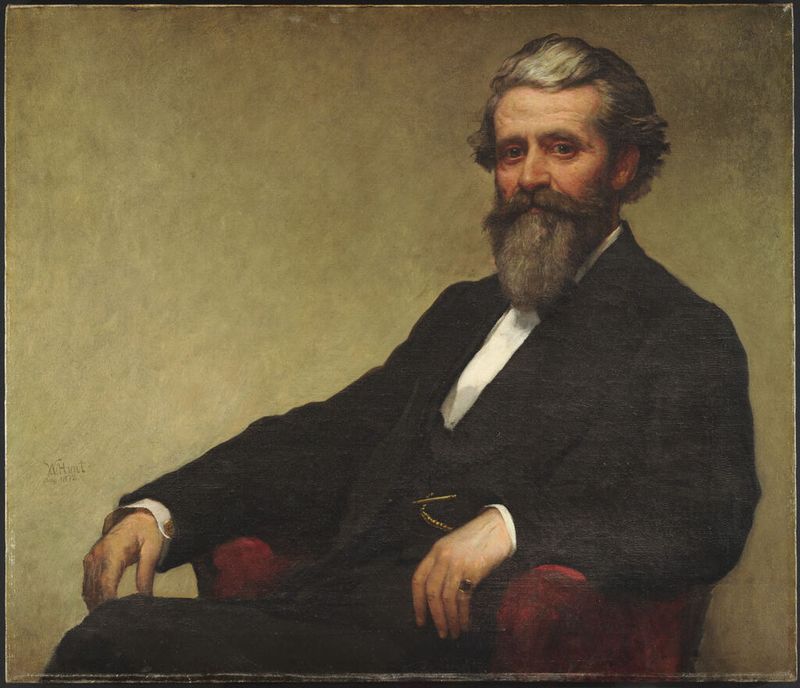
Judge John Lowell (1824-1897)
William Morris Hunt

The Spouting Whale
William Morris Hunt
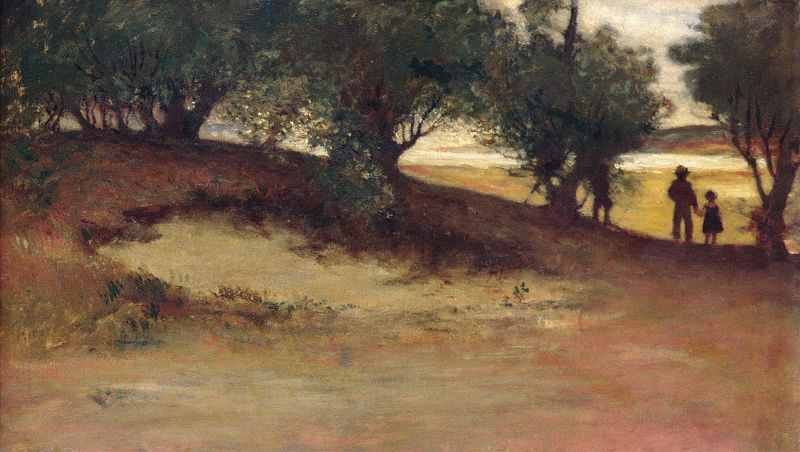
Sand Bank with Willows, Magnolia
William Morris Hunt
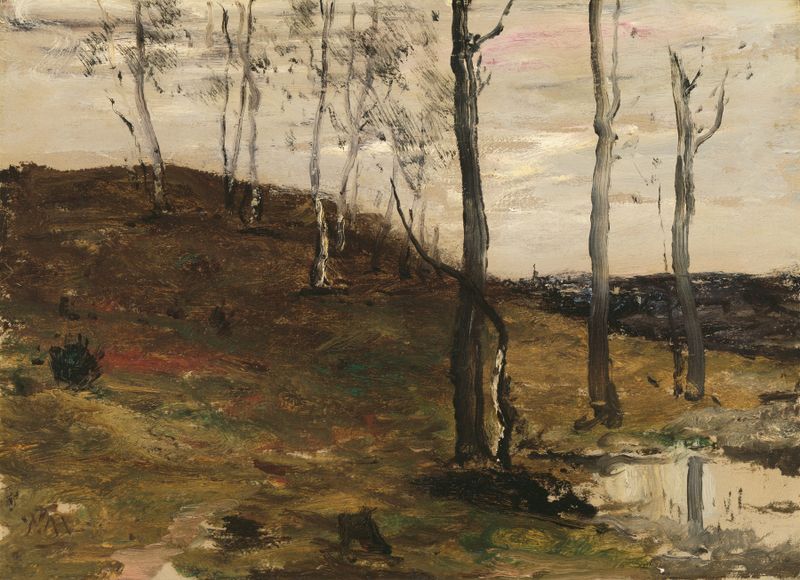
Hillside with Trees
William Morris Hunt

Hillside with Trees
William Morris Hunt
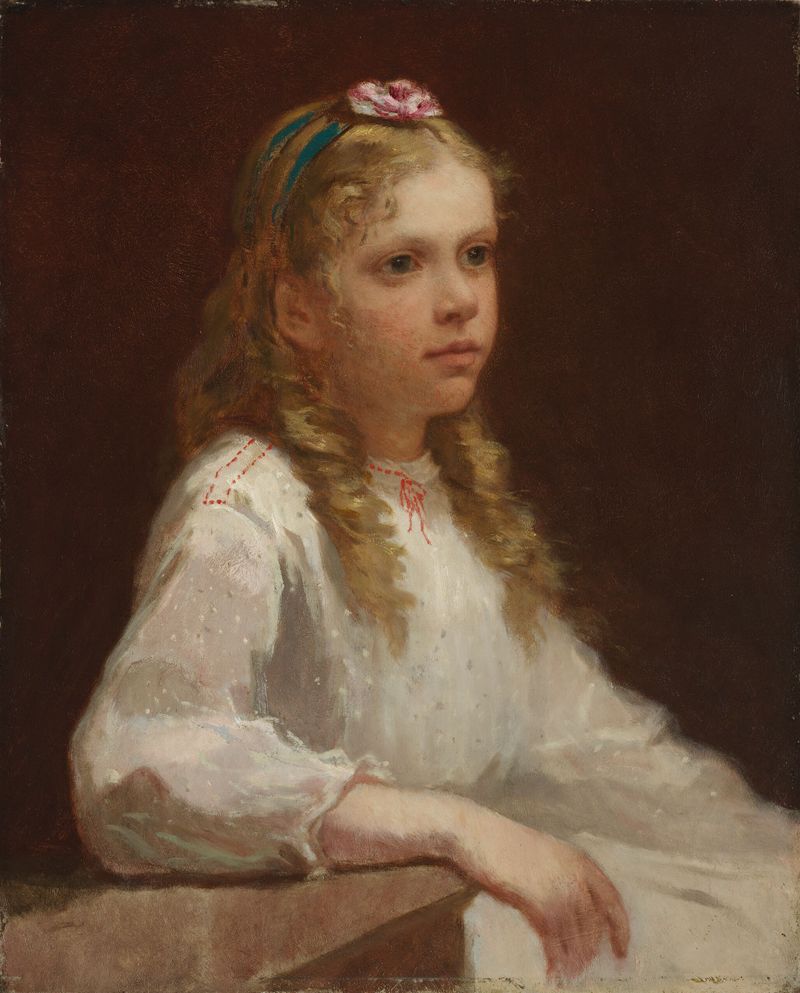
Susan Heard Oliver Dabney
William Morris Hunt
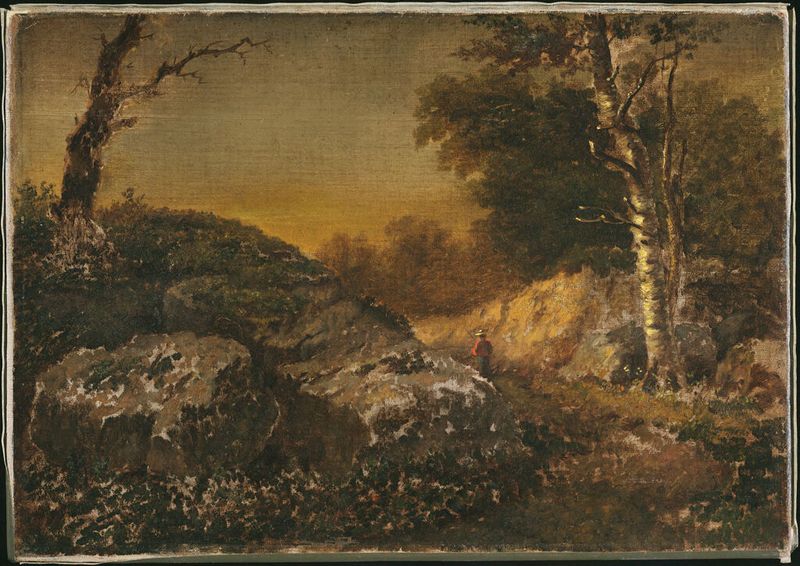
Autumn Landscape with Man Fishing
William Morris Hunt
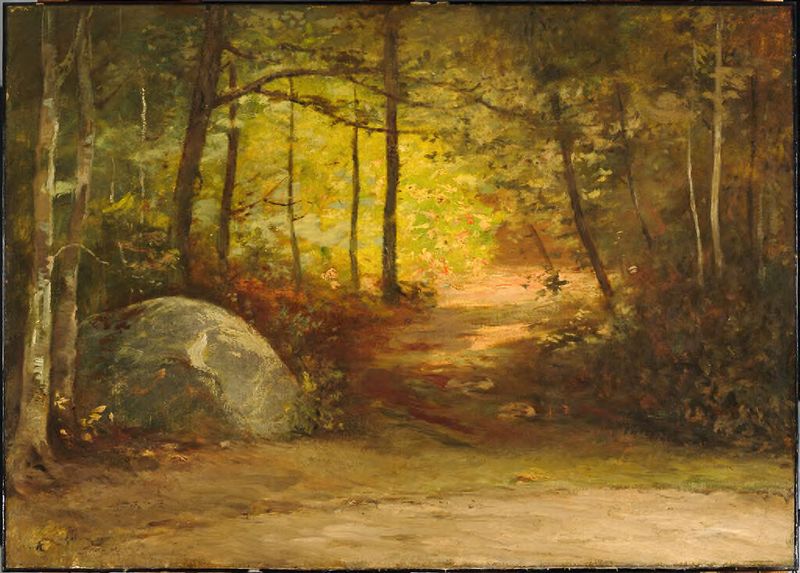
The Gypsies' Parlor
William Morris Hunt
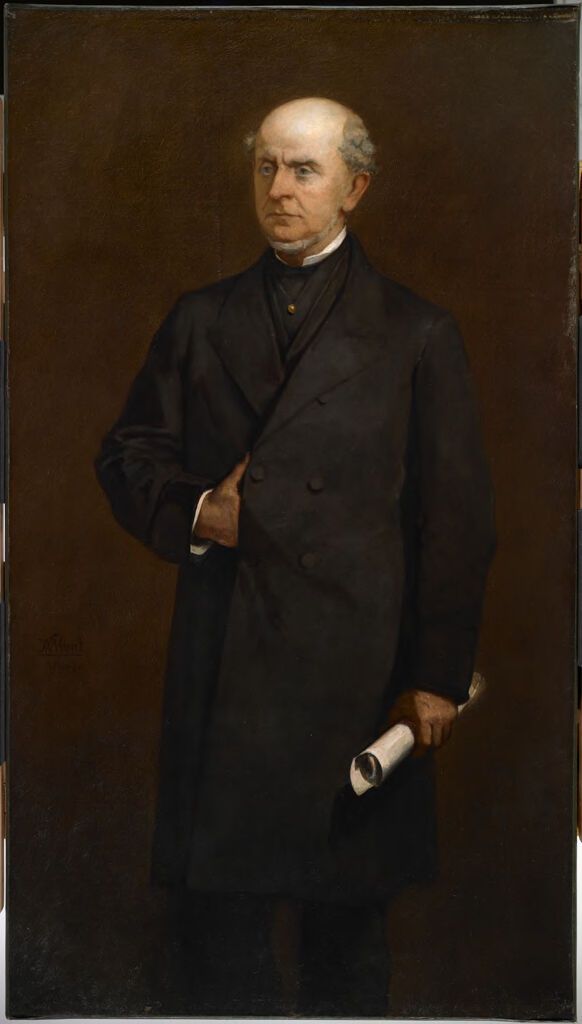
Charles Francis Adams (1807-1886)
William Morris Hunt
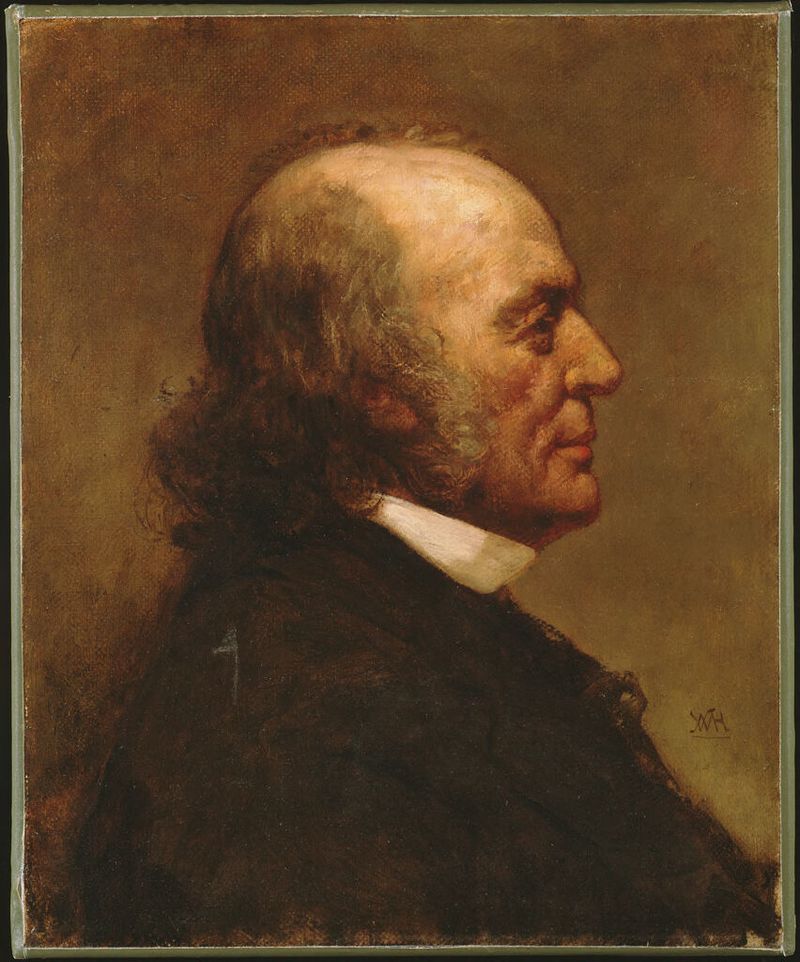
Jean Louis Rodolphe Agassiz (1807-1873)
William Morris Hunt
More Portrait Art
Browse all →
Las meninas
Diego Velázquez

Self-portrait with a Bandaged Ear and Pipe
Unidentified artist

Girl with a Pearl Earring
Johannes Vermeer

The Sampling Officials of the Amsterdam Drapers’ Guild, Known as ‘The Syndics’
Rembrandt van Rijn

The Hundred Guilder Print: the man seen on the back in the lower left corner
Rembrandt van Rijn

Portrait of Dr Gachet
Vincent van Gogh