
John Feeney — History & Facts
This sentiment captures a profound truth about the role of creativity as both a refuge and a revelation, especially in times of uncertainty. In Denman Waldo Ross's John Feeney, we encounter a quiet space where faith and contemplation intertwine, inviting viewers to delve deeper into their own beliefs and uncertainties. Look closely at the figure in the center, a man whose thoughtful expression seems to hold a world of experience. Notice how the gentle light cascading from the left illuminates his features, casting soft shadows that hint at unspoken thoughts.
The warm, earthy palette—rich browns and muted greens—creates an atmosphere that feels both grounded and intimate, emphasizing the emotional depth of the subject. The composition is balanced yet dynamic, drawing the eye naturally to the subject's face, which serves as a mirror reflecting the complexities of human faith. At first glance, this portrait may appear straightforward, yet it reveals layers of tension—between the external world and the inner self, between certainty and doubt. The slight furrow of the brow suggests contemplation, while the serene posture evokes a sense of calm surveillance.
Here, Ross captures not just a likeness, but an exploration of spiritual resilience, a testament to the strength found in vulnerability. The simplicity of the background further accentuates the figure, allowing viewers to focus on their own reflections as they engage with the work. Denman Waldo Ross painted John Feeney during the transitional period of the late 19th to early 20th century, a time marked by rapid societal changes and artistic experimentation. Living in Boston, Ross was influenced by the Boston School's emphasis on naturalism.
This work, among others, showcases his dedication to embodying deeper emotional truths, reflecting a broader search for meaning in an evolving art world that sought to capture more than just the visible.
More Artworks by Denman Waldo Ross
Browse all →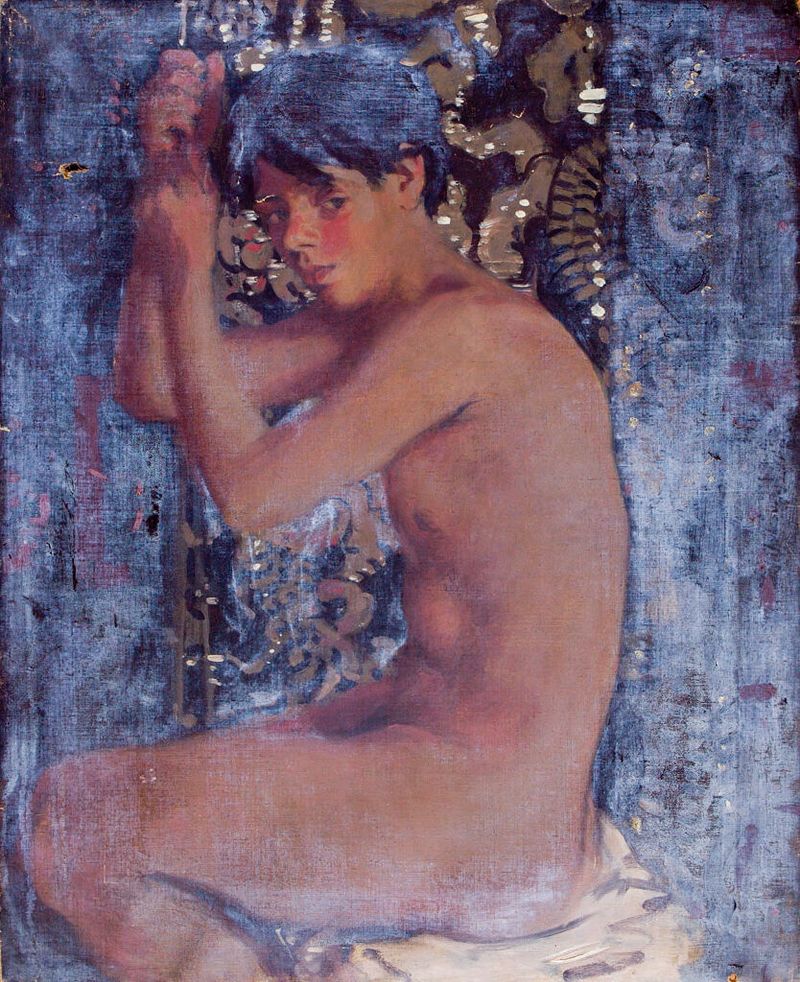
Portrait of a Seated Young Man
Denman Waldo Ross
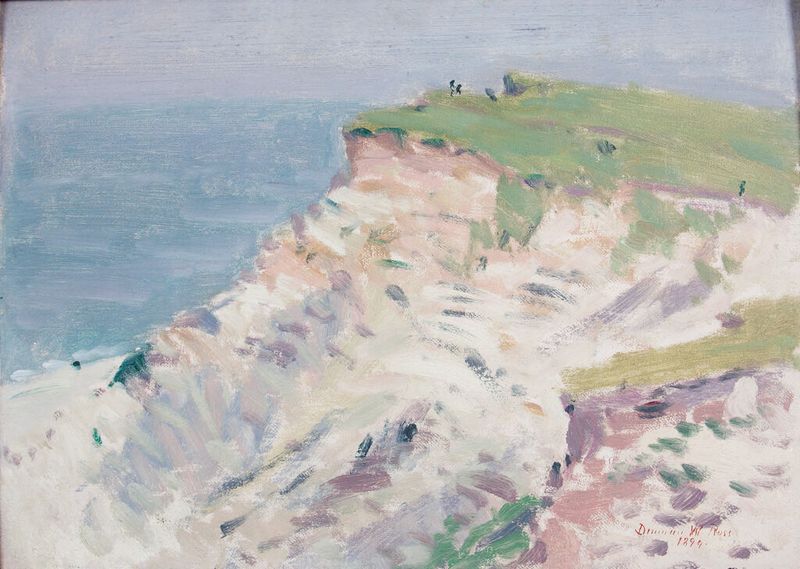
Highland Light, North Truro, Massachusetts
Denman Waldo Ross
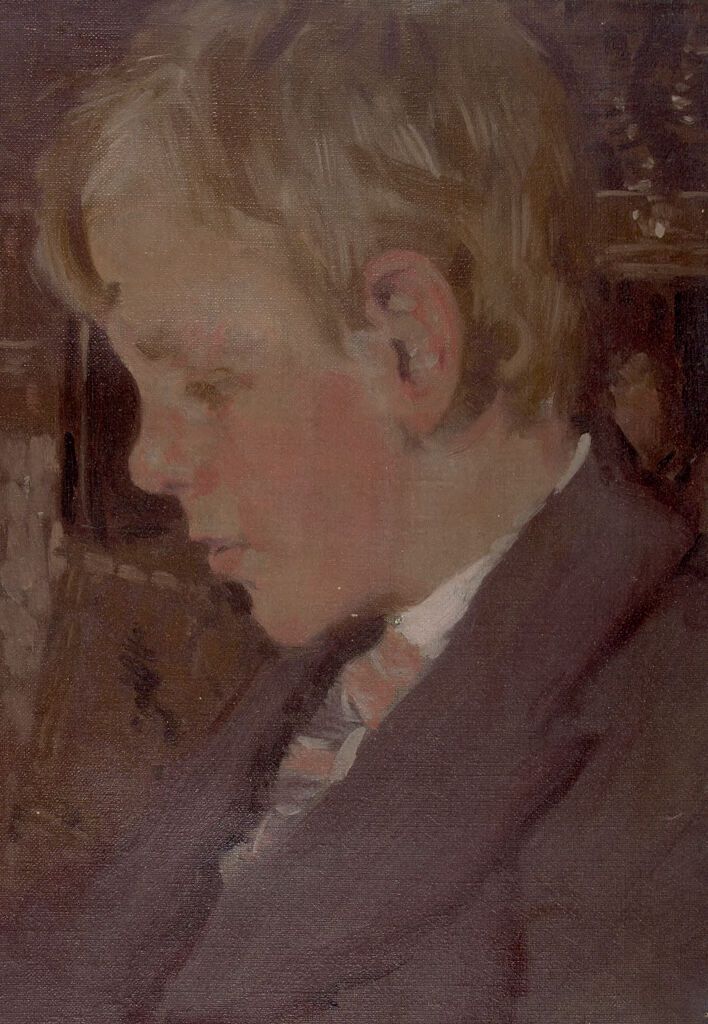
Profile Portrait of a Boy in Suit and Tie
Denman Waldo Ross
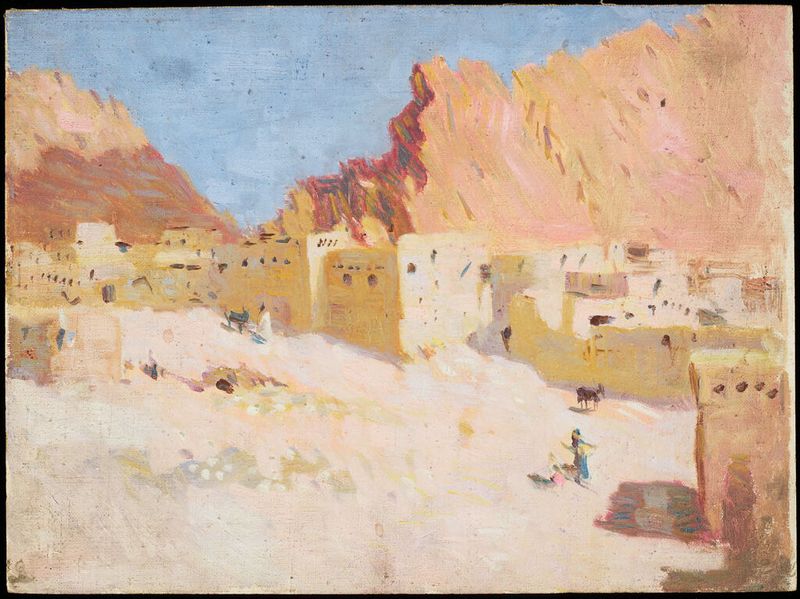
El Kantara, Near Biskra, Algeria
Denman Waldo Ross
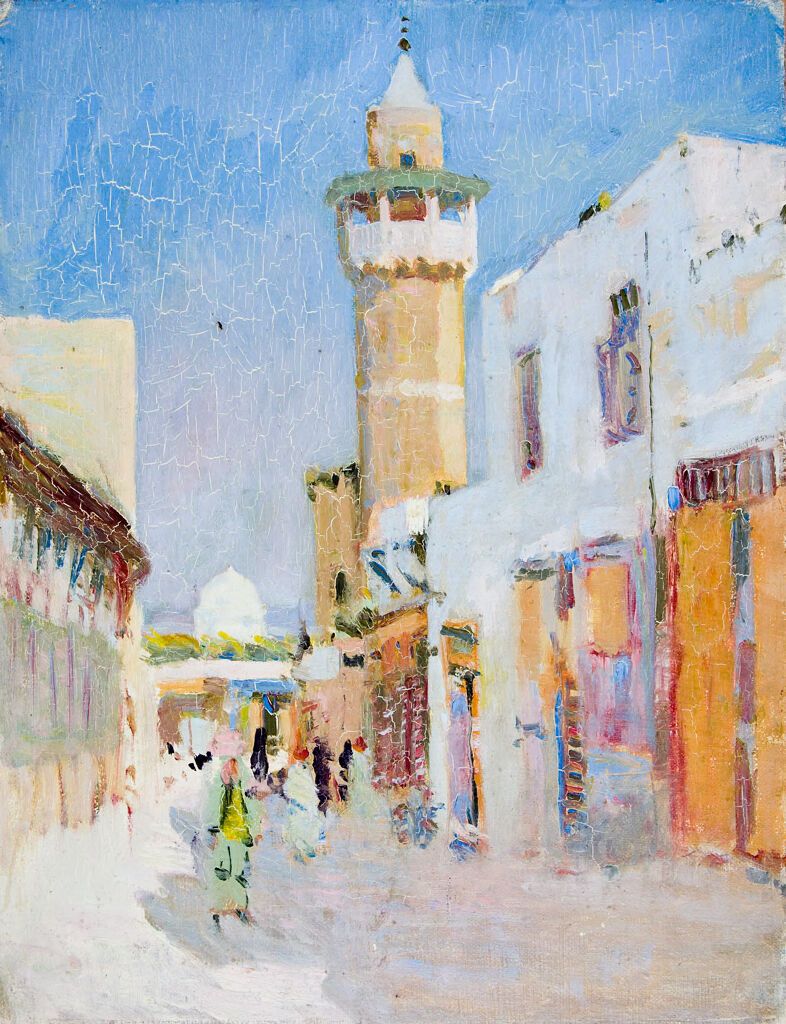
Tunis Street Scene
Denman Waldo Ross
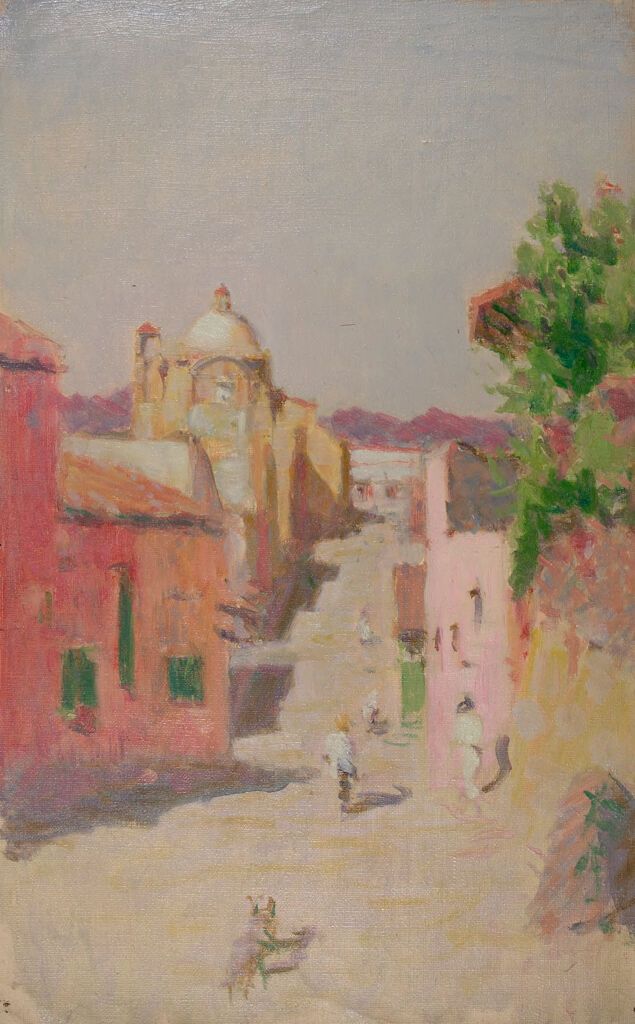
Street Scene with Animal and Figures
Denman Waldo Ross
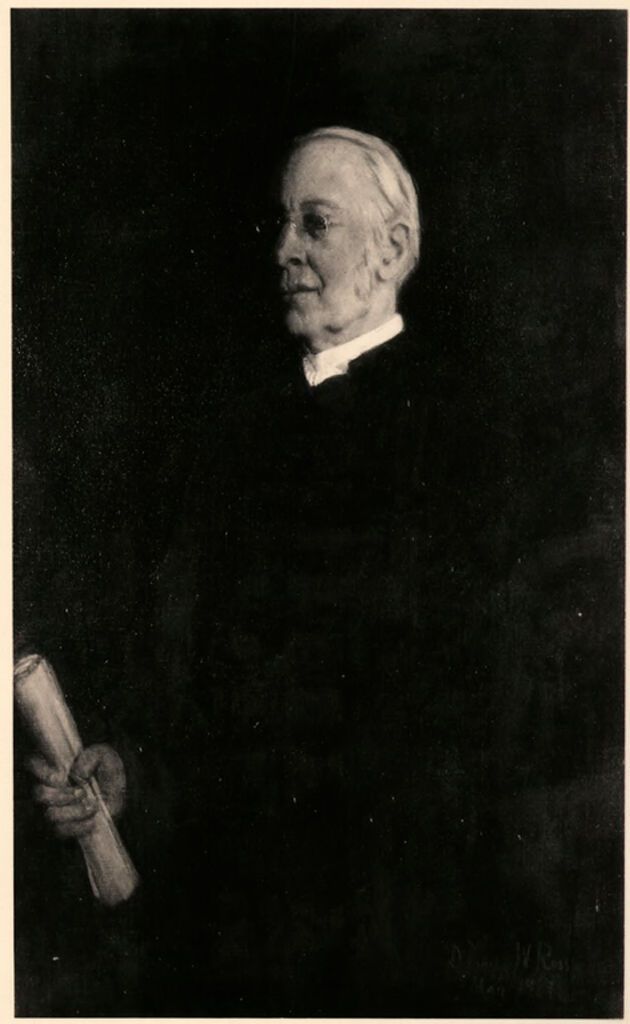
Charles William Eliot (1834-1926)
Denman Waldo Ross
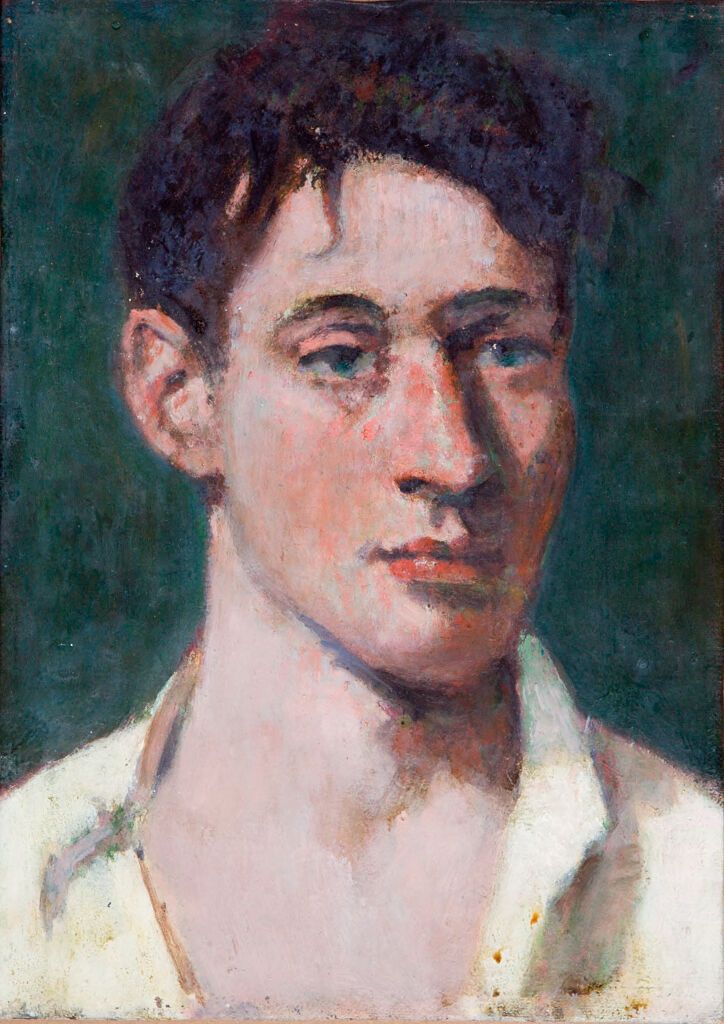
Portrait of a Young Man in White Shirt
Denman Waldo Ross
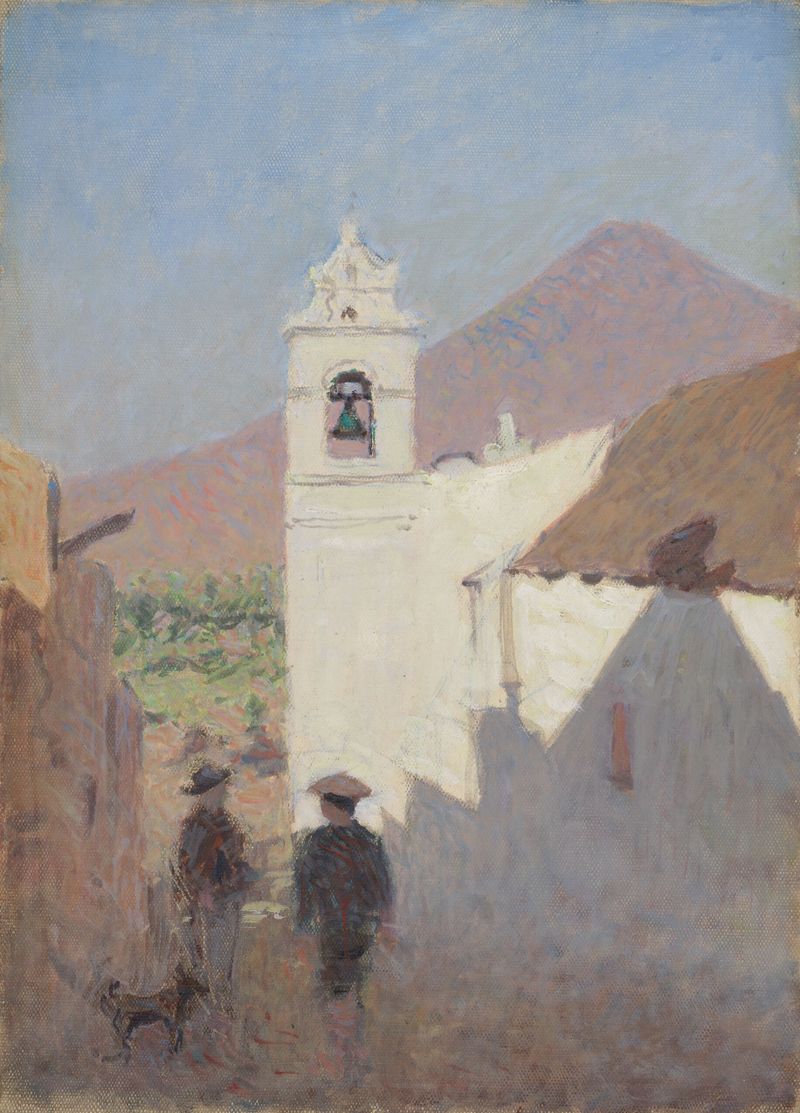
Village Near Arequipa, Peru
Denman Waldo Ross

York Harbor, Maine
Denman Waldo Ross
More Portrait Art
Browse all →
Las meninas
Diego Velázquez

Self-portrait with a Bandaged Ear and Pipe
Unidentified artist

Girl with a Pearl Earring
Johannes Vermeer

The Sampling Officials of the Amsterdam Drapers’ Guild, Known as ‘The Syndics’
Rembrandt van Rijn

The Hundred Guilder Print: the man seen on the back in the lower left corner
Rembrandt van Rijn

Portrait of Dr Gachet
Vincent van Gogh