
John Feeney; verso: Portrait of a Seated Young Man — History & Facts
In the stillness of Denman Waldo Ross's Portrait of a Seated Young Man, the canvas echoes with the weight of unspoken stories and solemn introspection, inviting the viewer to peer into an insular world of contemplation and transcendence. Look closely at the young man's gaze, which draws you in with its depth and intensity—evidence of a moment suspended in time. Notice how the soft, muted colors envelop him, contrasting with the starkness of the space around him. The delicate brushwork gently reveals the contours of his face, while the folds of his clothing seem to cradle his figure, enhancing the sense of comfort and intimacy.
The light dances subtly across his features, illuminating his expression while casting shadows that hint at unvoiced thoughts and feelings. As you delve deeper, observe the interplay between light and shadow, suggesting the duality of his existence—hope interwoven with uncertainty. The quiet dignity he embodies resonates with a profound sense of vulnerability; he is both present and distant, a figure caught between worlds. Each element within the composition, from his posture to the surrounding space, hints at an inner struggle, reflecting a universal search for understanding and meaning amidst the chaos of life. Created in 1919, Portrait of a Seated Young Man was painted during a transformative period for Ross, who had returned to Boston after studying in Europe.
Post-World War I, the art world was grappling with new ideas of identity and self-expression, leading Ross to explore a more personal and introspective approach to portraiture. This work not only reveals his artistic evolution but also resonates with the broader cultural shifts of the time, reflecting the aspirations and uncertainties of a generation.
More Artworks by Denman Waldo Ross
Browse all →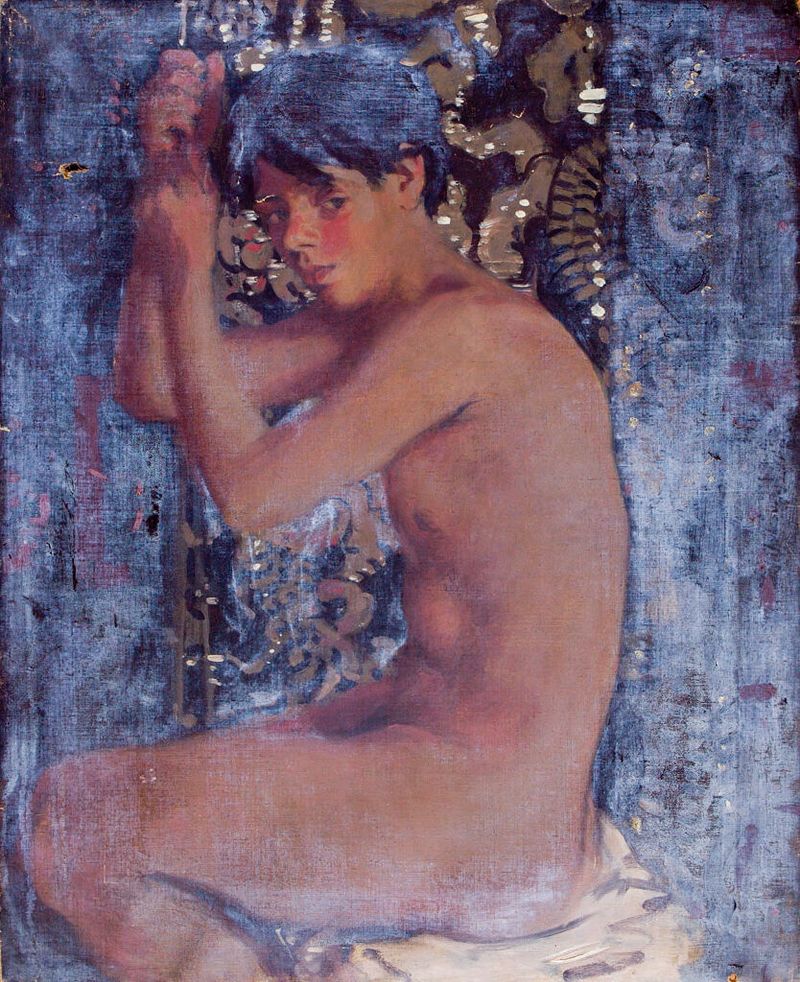
Portrait of a Seated Young Man
Denman Waldo Ross
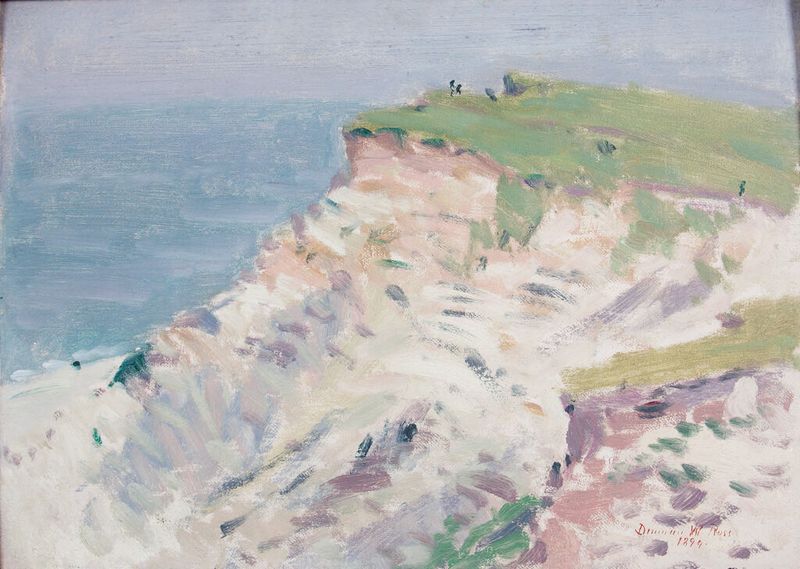
Highland Light, North Truro, Massachusetts
Denman Waldo Ross
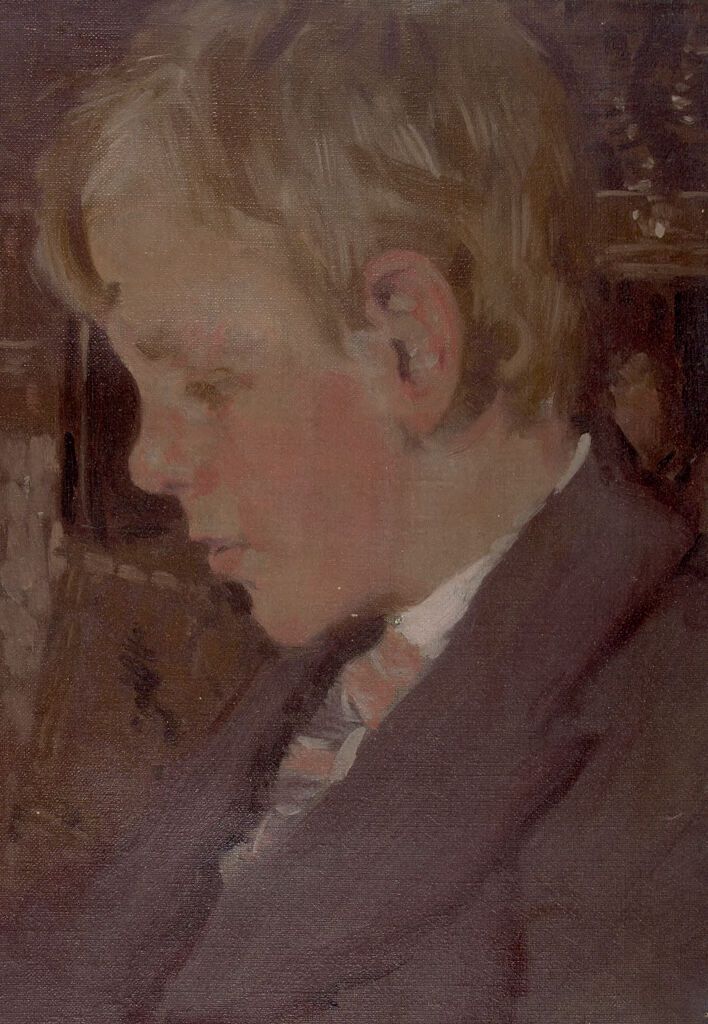
Profile Portrait of a Boy in Suit and Tie
Denman Waldo Ross
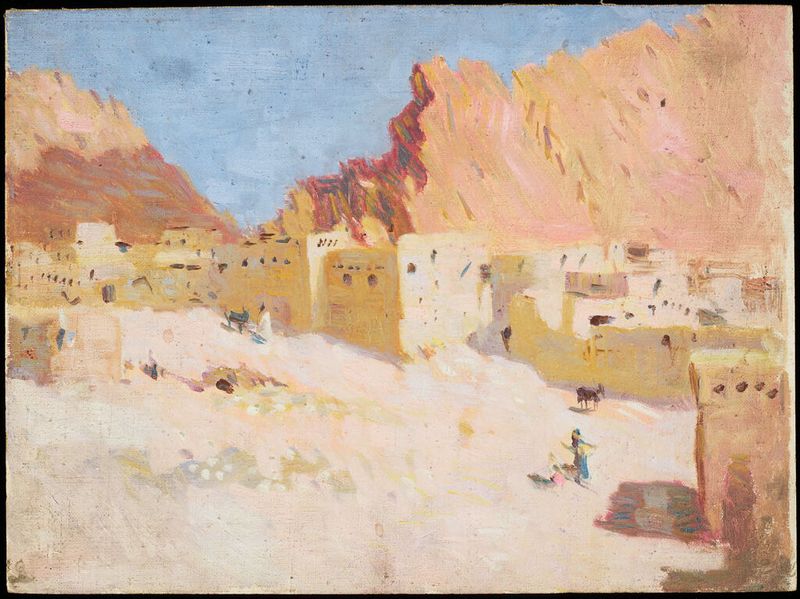
El Kantara, Near Biskra, Algeria
Denman Waldo Ross
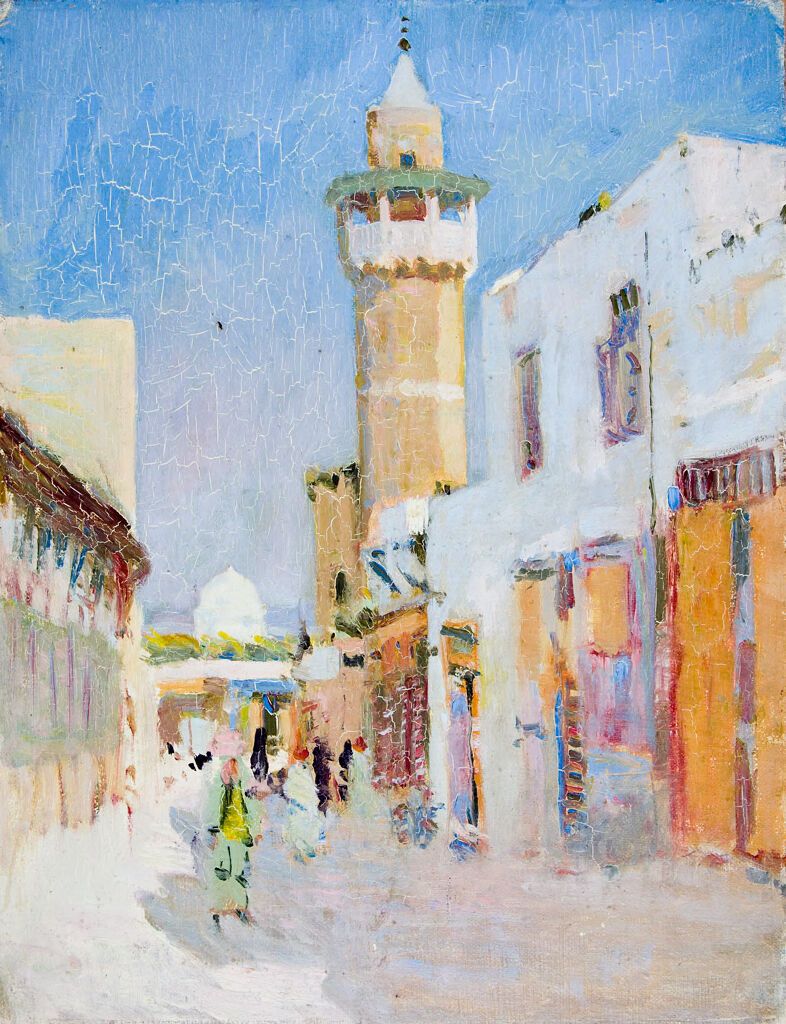
Tunis Street Scene
Denman Waldo Ross
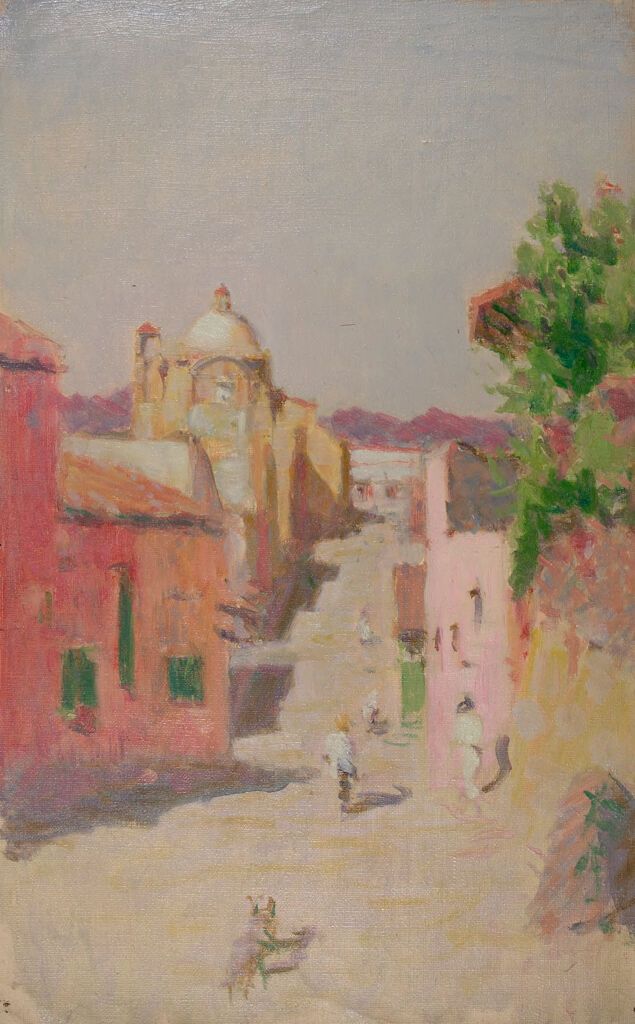
Street Scene with Animal and Figures
Denman Waldo Ross
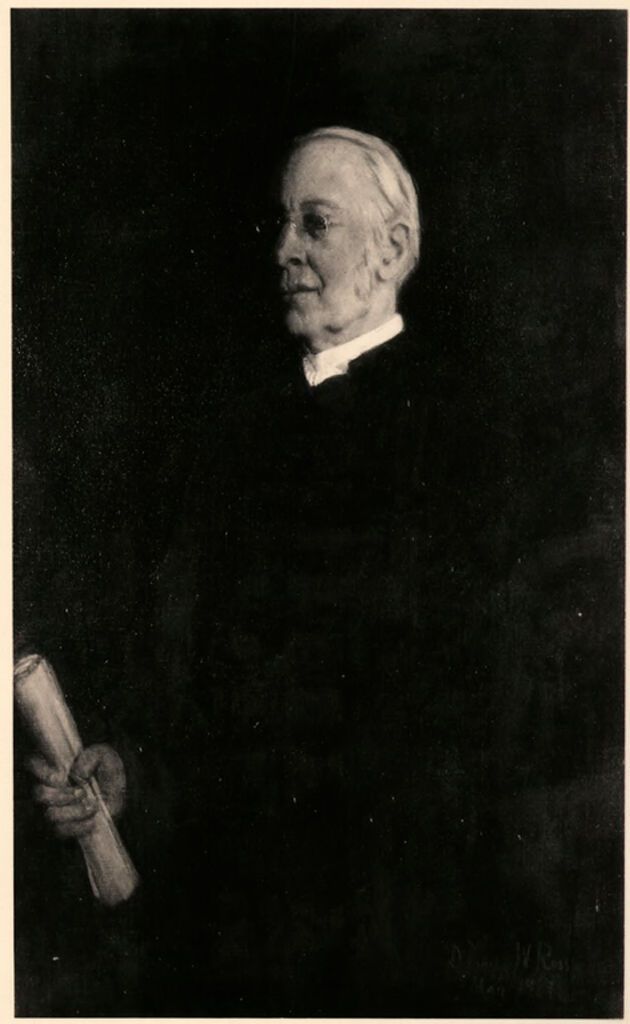
Charles William Eliot (1834-1926)
Denman Waldo Ross
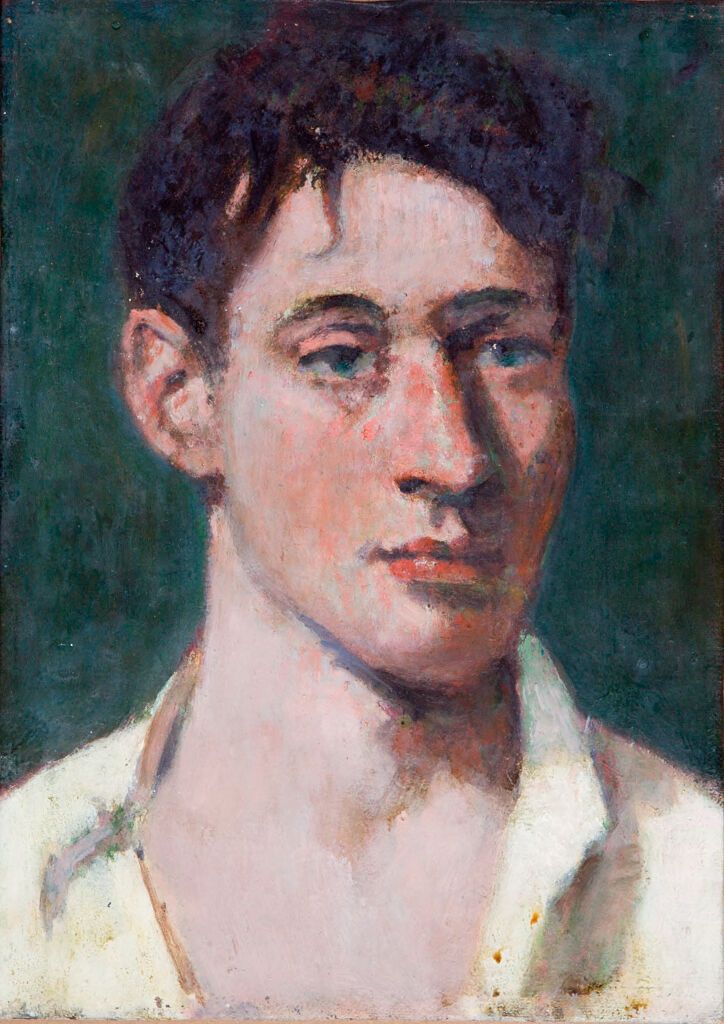
Portrait of a Young Man in White Shirt
Denman Waldo Ross
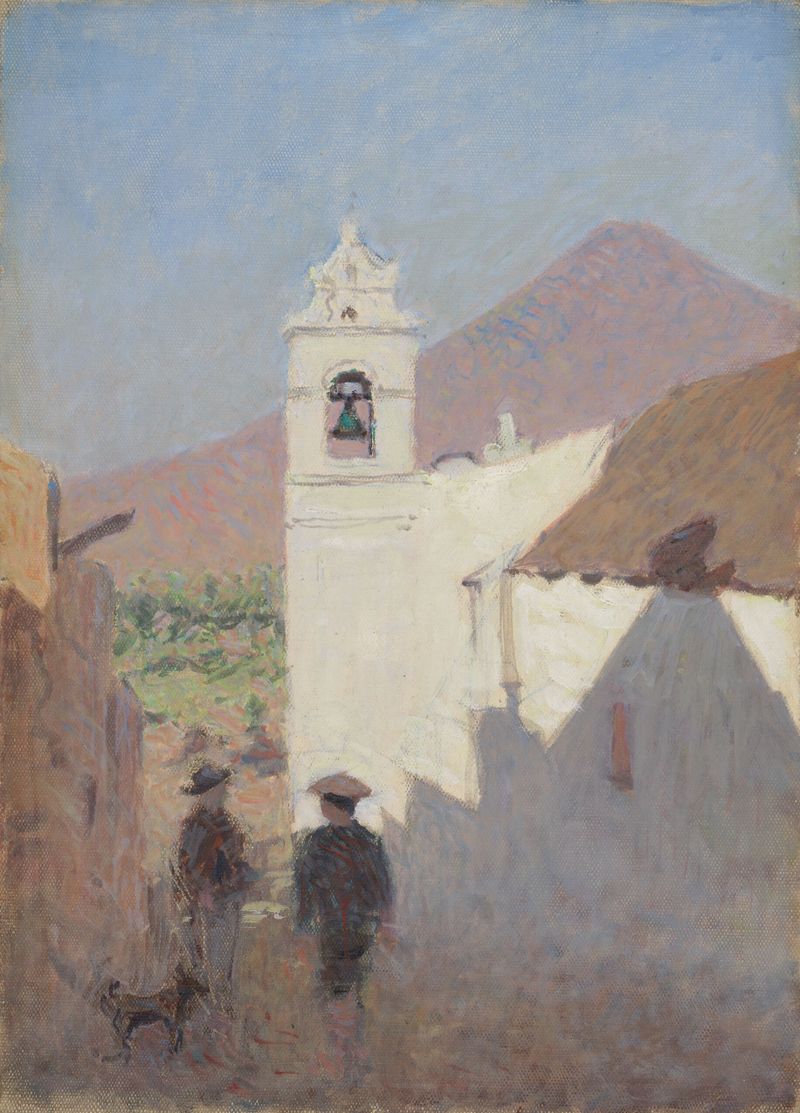
Village Near Arequipa, Peru
Denman Waldo Ross

York Harbor, Maine
Denman Waldo Ross
More Portrait Art
Browse all →
Las meninas
Diego Velázquez

Self-portrait with a Bandaged Ear and Pipe
Unidentified artist

Girl with a Pearl Earring
Johannes Vermeer

The Sampling Officials of the Amsterdam Drapers’ Guild, Known as ‘The Syndics’
Rembrandt van Rijn

The Hundred Guilder Print: the man seen on the back in the lower left corner
Rembrandt van Rijn

Portrait of Dr Gachet
Vincent van Gogh