
John MacKnight — History & Facts
Can paint confess what words never could? In John MacKnight, Denman Waldo Ross captures a moment of transformation that transcends the limitations of language, revealing the profound depths of human experience. Look closely at the subtle hues swirling around the central figure. The soft greens and blues embrace John MacKnight, while a gentle light illuminates his features, drawing you into his interior world. Notice how the brushstrokes vary, with bold strokes conveying vitality and softer, almost hesitant touches suggesting introspection.
The composition is anchored by MacKnight's calm posture, inviting the viewer to explore the tension between self-awareness and external perception. As you delve deeper into the painting, the juxtaposition of light and shadow reveals layers of emotion—hope intertwined with uncertainty. The background, a muted blend of colors, creates a backdrop of ambiguity that reflects the complexities of identity. This emotional landscape contrasts sharply with MacKnight’s serene expression, suggesting a struggle between the external world and the inner self—an invitation to ponder the transformations we all undergo. Denman Waldo Ross painted John MacKnight in 1911, during a time when the art world was rapidly evolving, caught between traditional academic styles and the burgeoning modernist movements.
Living in Boston, Ross was influenced by the American scene's shifting dynamics, forging a unique path that embraced both emotional depth and technical innovation. This work stands as a testament to his ability to capture the essence of human experience at a pivotal moment in art history.
More Artworks by Denman Waldo Ross
Browse all →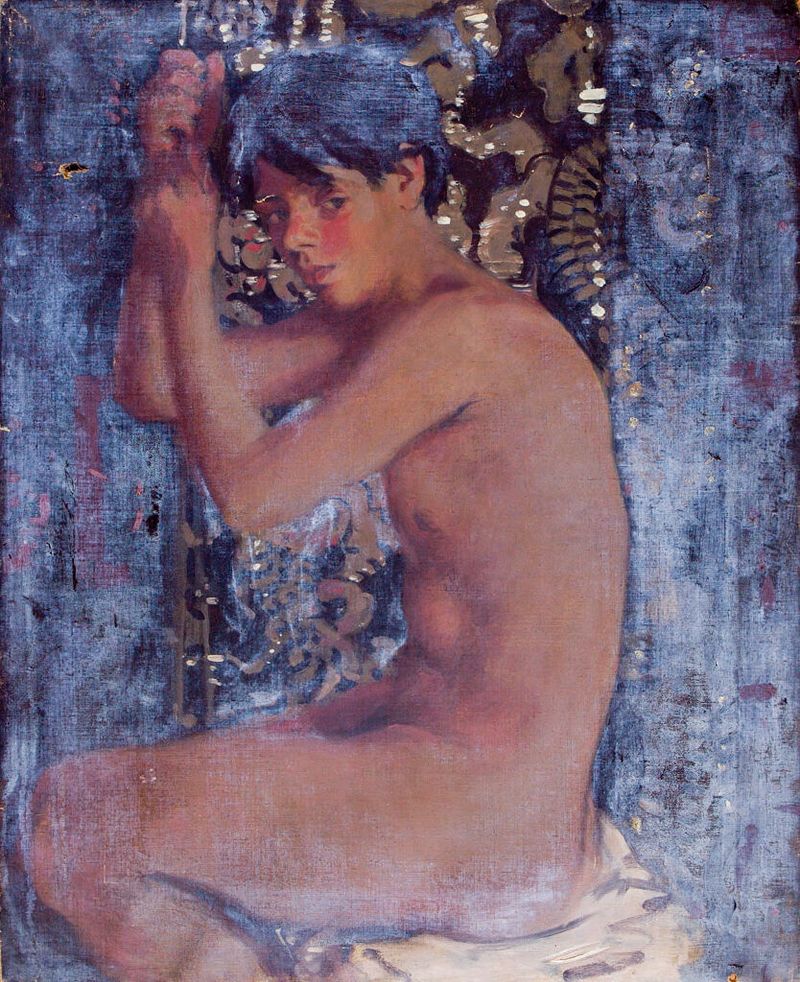
Portrait of a Seated Young Man
Denman Waldo Ross
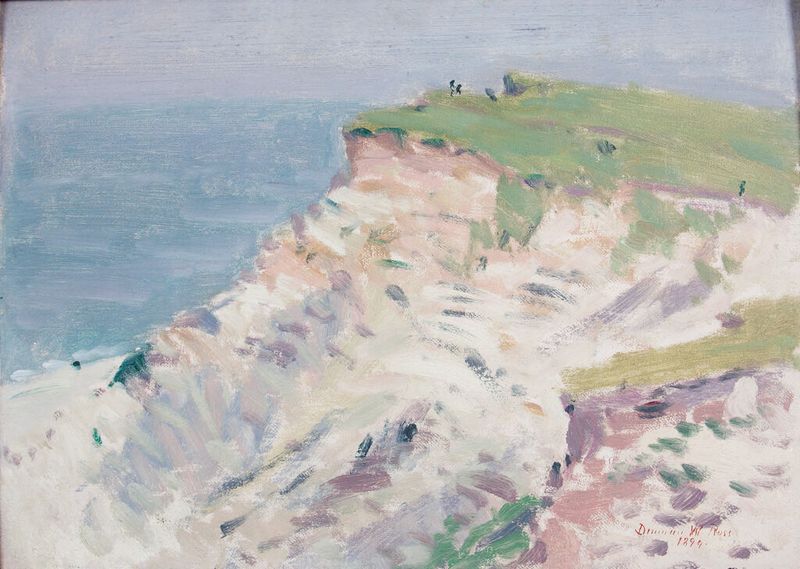
Highland Light, North Truro, Massachusetts
Denman Waldo Ross
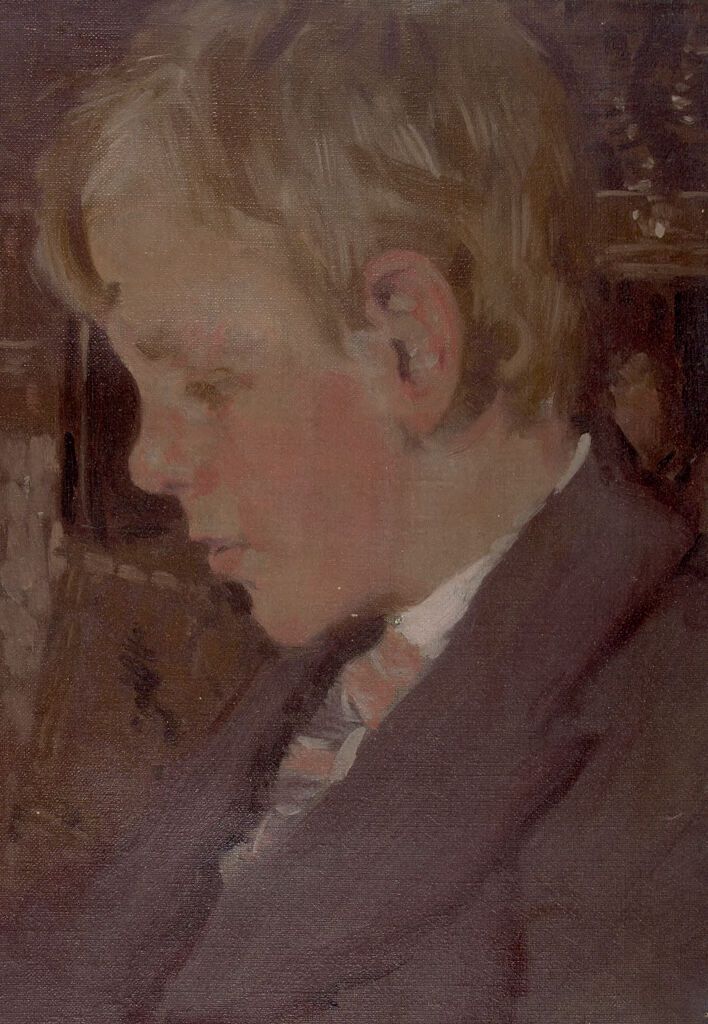
Profile Portrait of a Boy in Suit and Tie
Denman Waldo Ross
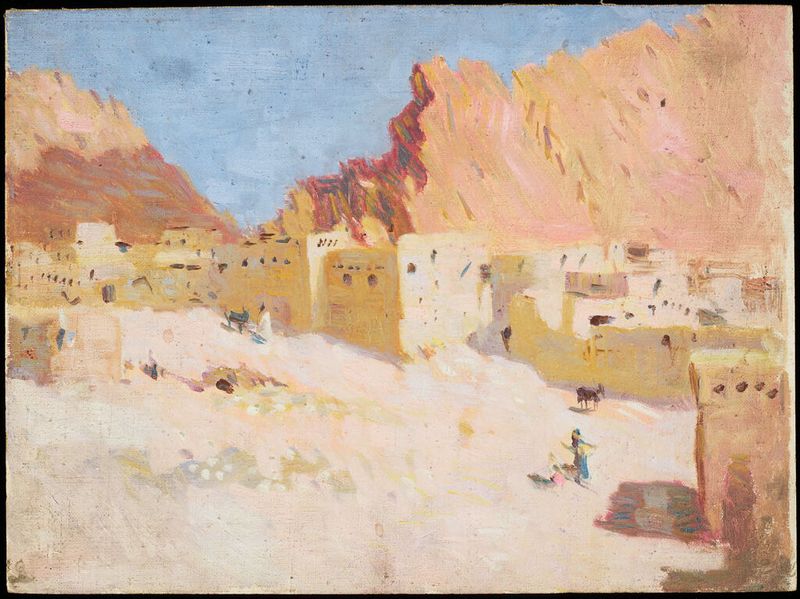
El Kantara, Near Biskra, Algeria
Denman Waldo Ross
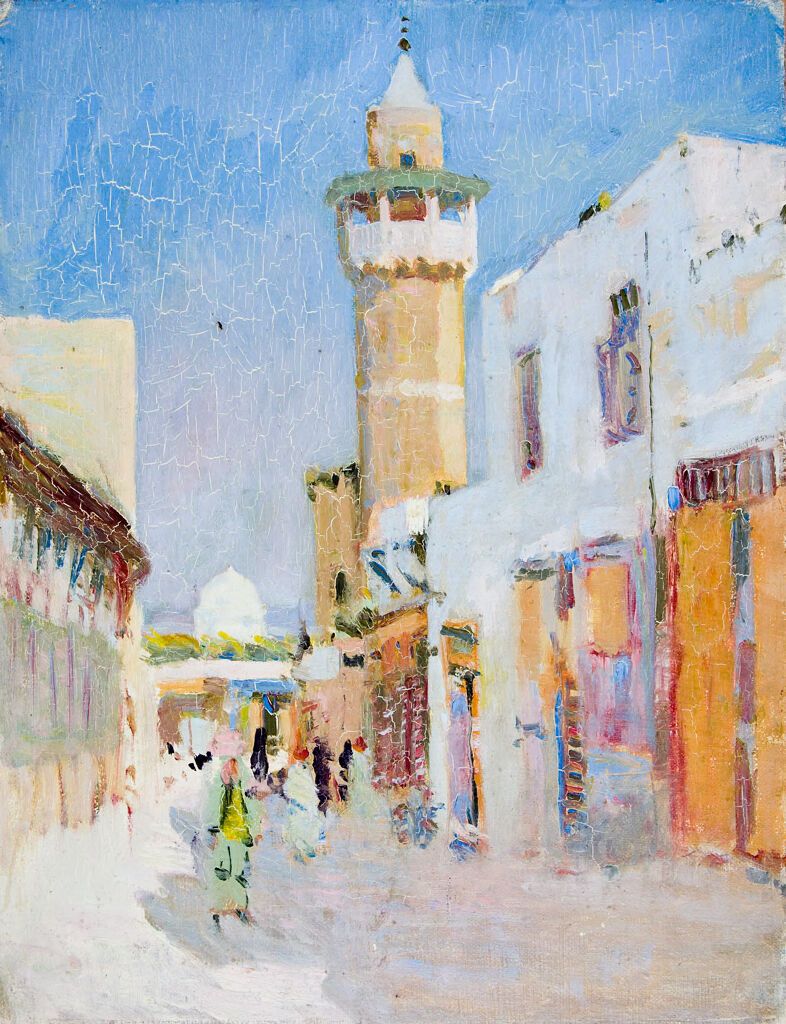
Tunis Street Scene
Denman Waldo Ross
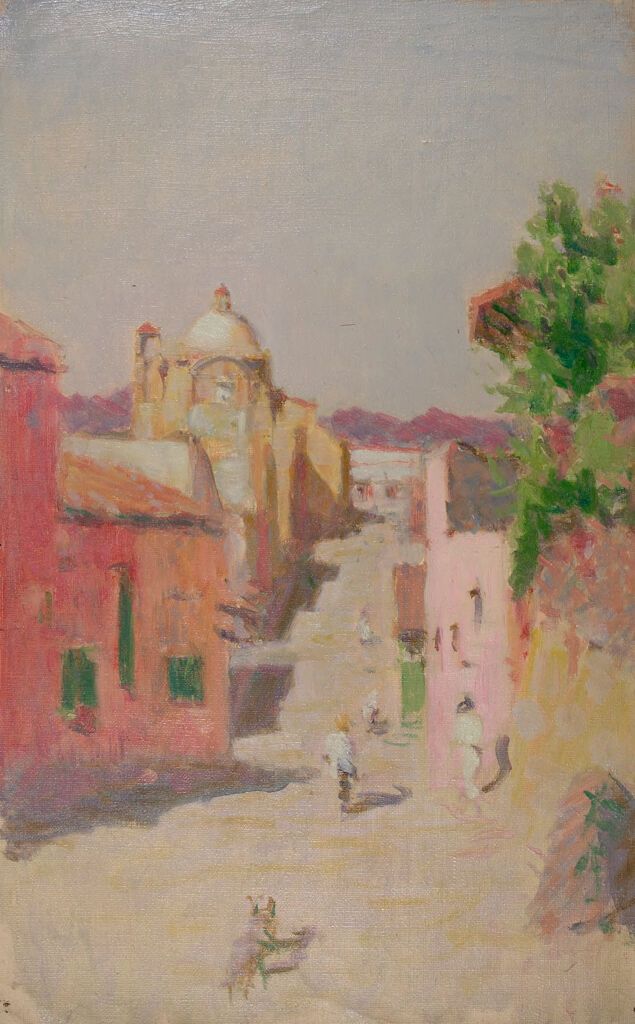
Street Scene with Animal and Figures
Denman Waldo Ross
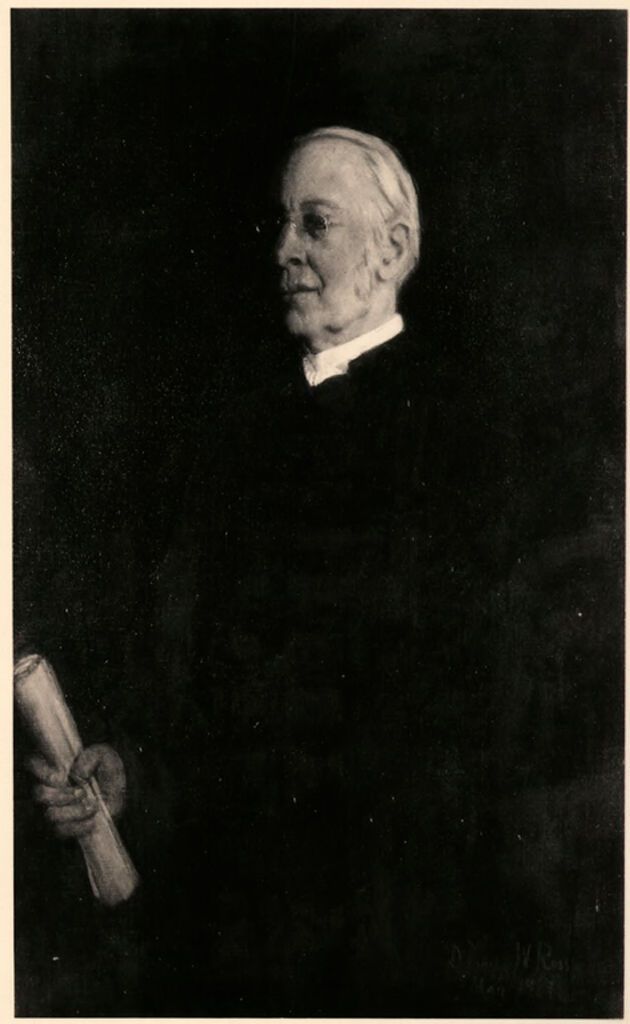
Charles William Eliot (1834-1926)
Denman Waldo Ross
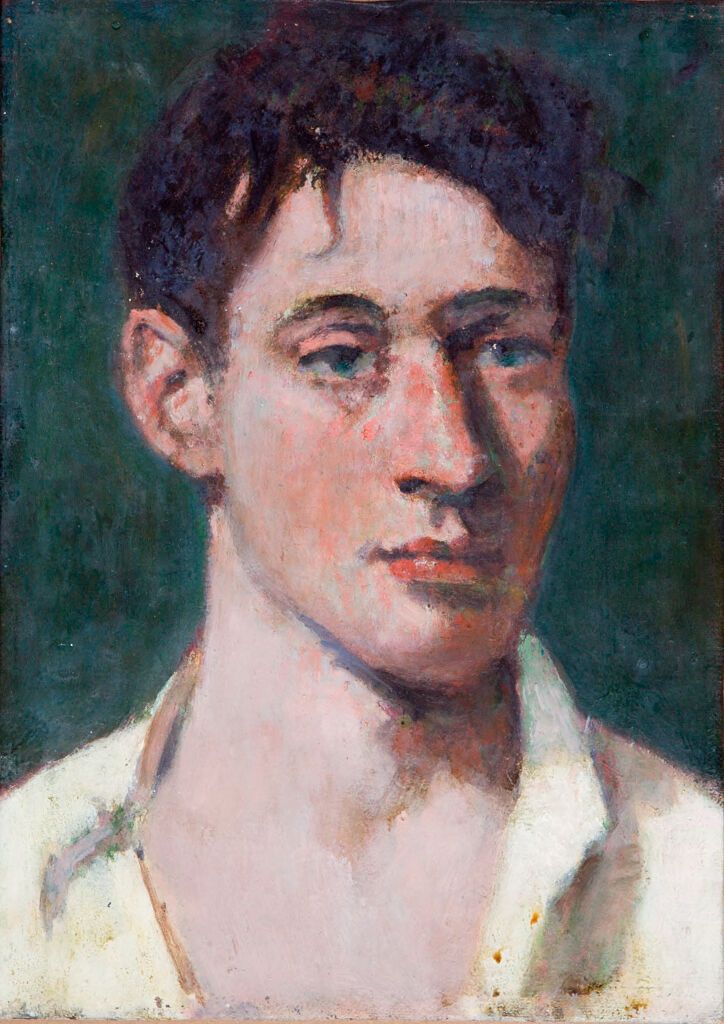
Portrait of a Young Man in White Shirt
Denman Waldo Ross
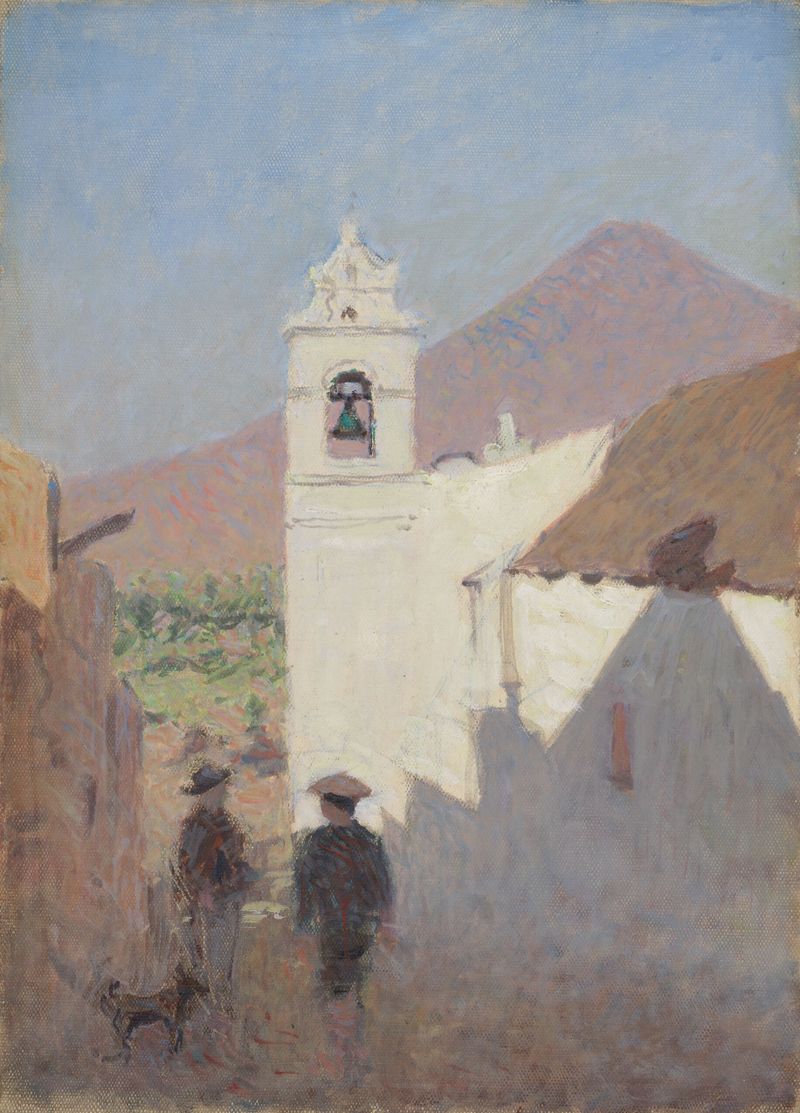
Village Near Arequipa, Peru
Denman Waldo Ross

York Harbor, Maine
Denman Waldo Ross
More Portrait Art
Browse all →
Las meninas
Diego Velázquez

Self-portrait with a Bandaged Ear and Pipe
Unidentified artist

Girl with a Pearl Earring
Johannes Vermeer

The Sampling Officials of the Amsterdam Drapers’ Guild, Known as ‘The Syndics’
Rembrandt van Rijn

The Hundred Guilder Print: the man seen on the back in the lower left corner
Rembrandt van Rijn

Portrait of Dr Gachet
Vincent van Gogh