
Jongeman met knoflook op zijn wapenschild — History & Facts
When did color learn to lie? The vibrant hues of the painting dance between the truths of nature and the whimsy of human imagination, beckoning the viewer to question the essence of beauty itself. Here, nestled in the enigmatic portrayal of a young man, lies an invitation to explore the complex interplay of identity, virtue, and artifice. Look to the center, where the youthful figure stands resplendent against a backdrop of deep, earthy tones. His striking garb, embroidered with intricate patterns and bold colors, draws the eye like a magnet, while the garlic on his shield subtly suggests a connection to protection and purification.
Notice how the light illuminates the fabric, lending a sumptuous sheen that enhances the sense of opulence, yet seems to play tricks, hinting at deeper narratives beneath the surface layers of paint. Beneath this façade of beauty, there lies a tension between the frivolity of youth and the weight of symbolism. The garlic, often deemed a humble and even undesirable element, contrasts sharply with the lavish attire, suggesting a duality of strength and vulnerability, allure and authenticity. This young man, poised at the brink of manhood, embodies the fragility of identity, embracing both the adornments of society and the natural gifts bestowed by the earth. Created between 1473 and 1477, this work emerges from the Flemish artistic milieu, a time when the Northern Renaissance was flourishing.
The artist, known for detailed and symbolic representations, utilized innovative techniques that reflected the cultural shifts of the era. Amidst a backdrop of evolving artistic exploration, the piece speaks to a world in transition, capturing the paradox of beauty and the human experience in a singular moment.
More Artworks by Meester van het Amsterdamse Kabinet
Browse all →
De Heilige Familie bij de rozenstruik
Meester van het Amsterdamse Kabinet

Hertenjacht
Meester van het Amsterdamse Kabinet
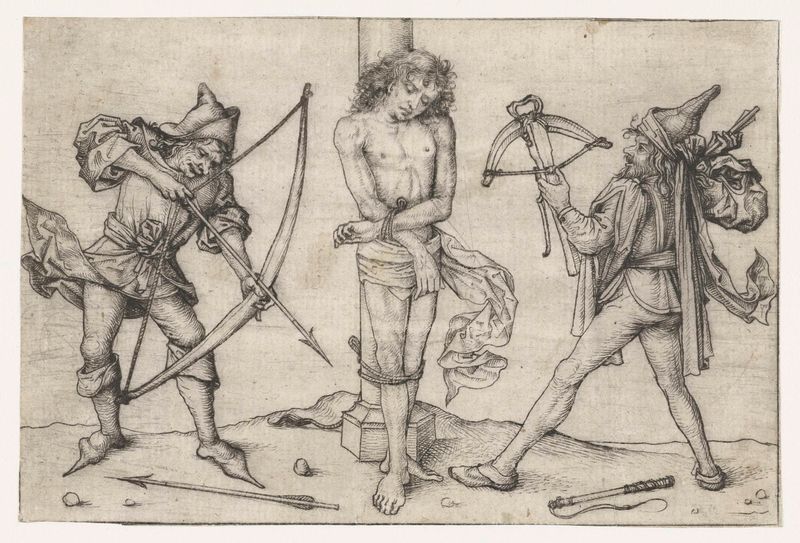
Heilige Sebastiaan met boogschutters
Meester van het Amsterdamse Kabinet

Het lichaam van Christus ondersteund door twee engelen
Meester van het Amsterdamse Kabinet

Heilige Anna-te-Drieën
Meester van het Amsterdamse Kabinet

Heilige Barbara (grote versie)
Meester van het Amsterdamse Kabinet
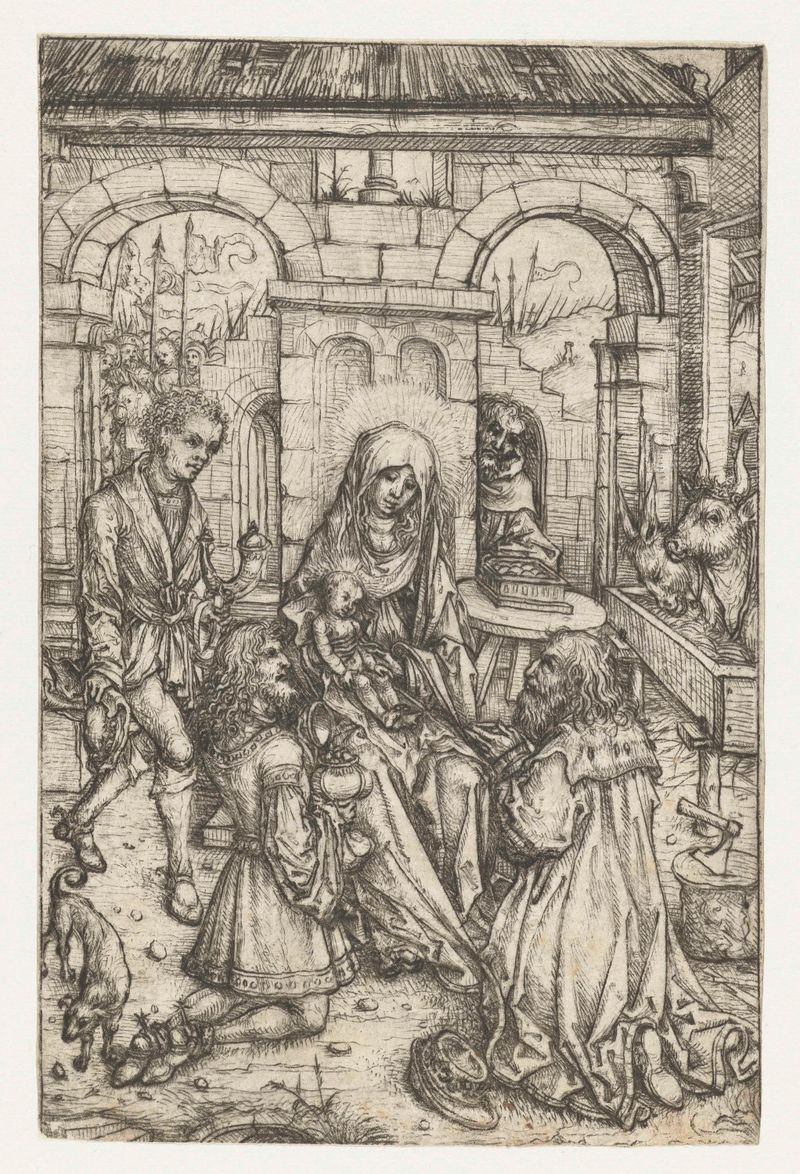
Aanbidding der koningen
Meester van het Amsterdamse Kabinet
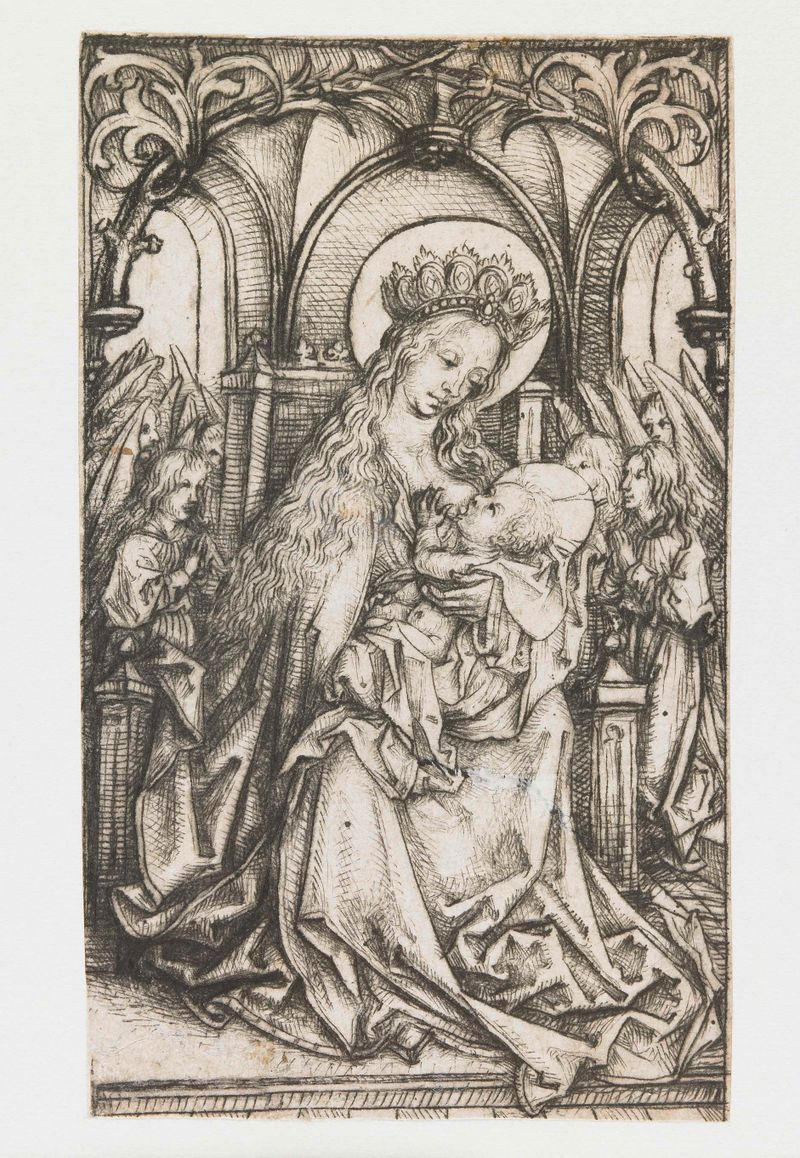
Tronende Madonna door engelen aanbeden
Meester van het Amsterdamse Kabinet

Het zegenend Christuskind
Meester van het Amsterdamse Kabinet
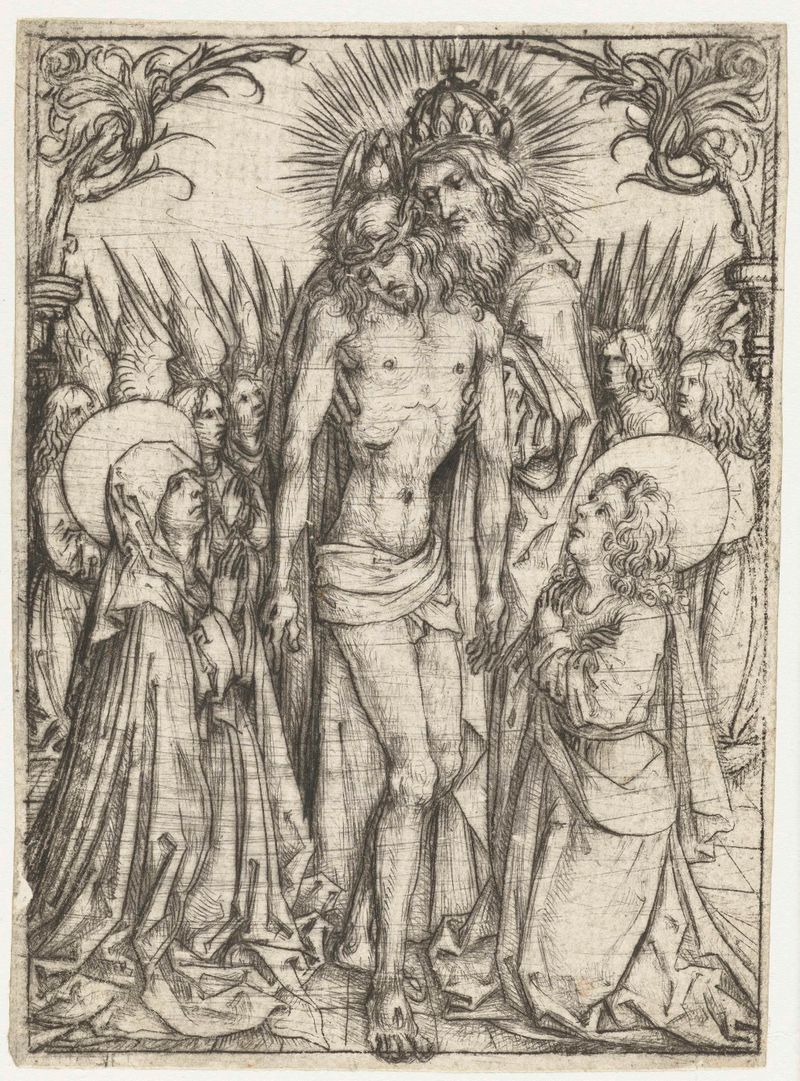
Aanbidding van de Heilige Drieëenheid door Maria, Johannes de Evangelist en engelen
Meester van het Amsterdamse Kabinet
More Portrait Art
Browse all →
Las meninas
Diego Velázquez

Self-portrait with a Bandaged Ear and Pipe
Unidentified artist

Girl with a Pearl Earring
Johannes Vermeer

The Sampling Officials of the Amsterdam Drapers’ Guild, Known as ‘The Syndics’
Rembrandt van Rijn

The Hundred Guilder Print: the man seen on the back in the lower left corner
Rembrandt van Rijn

Portrait of Dr Gachet
Vincent van Gogh