
Joseph and Potiphar’s Wife — History & Facts
In Joseph and Potiphar’s Wife, Guido Reni presents a dramatic scene filled with rich colors. The figures are depicted in a moment of tension, with Joseph looking resolute and Potiphar's wife appearing seductive. The background features a lush, opulent setting that enhances the emotional weight of the encounter.
The use of light and shadow creates depth, drawing the viewer's eye to the central figures. The painting is executed in oil on canvas, a common medium for the Baroque period. Reni's technique showcases his skill in rendering textures, particularly in the fabrics of the clothing and the skin tones of the figures. The dimensions are approximately 120 x 160 cm, making it a sizable work that commands attention.
The composition is carefully balanced, with the figures arranged to lead the viewer's gaze through the scene. Guido Reni was a prominent figure in the Baroque movement, known for his idealized beauty and dramatic compositions. This work, painted in the 1620s, reflects the themes of temptation and moral conflict prevalent in many of Reni's pieces. An interesting fact about this painting is that it draws from a biblical story, illustrating the moment when Potiphar's wife attempts to seduce Joseph, a narrative rich in moral implications.
Reni's ability to convey emotion through facial expressions and body language is a hallmark of his style.
More Artworks by Guido Reni

Salome with the Head of Saint John the Baptist
Guido Reni
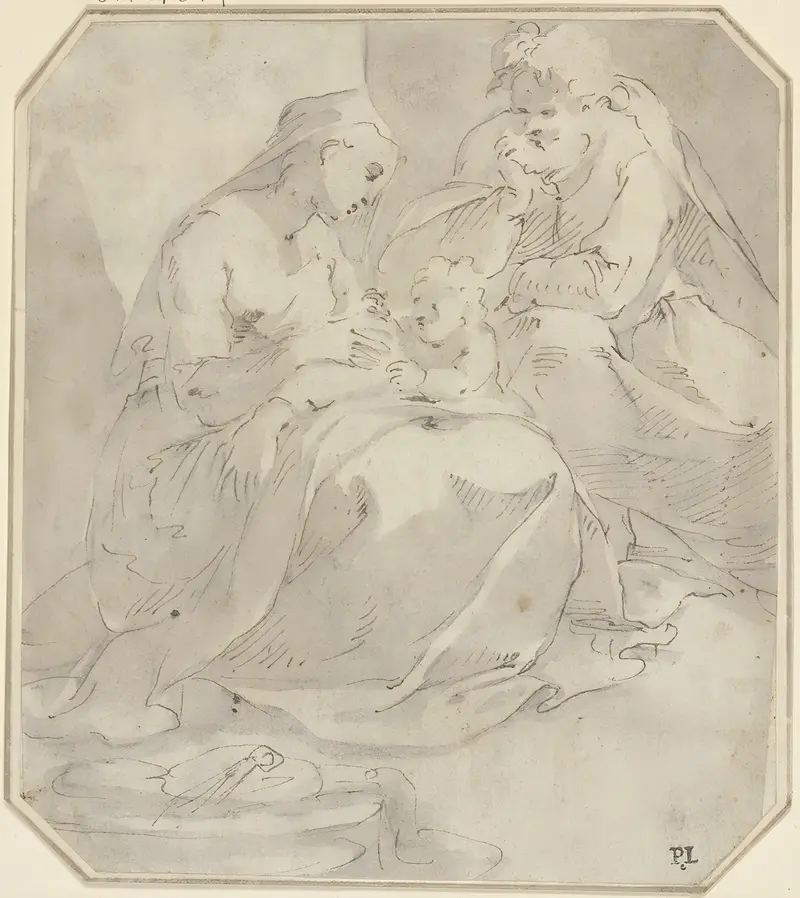
Holy family
Guido Reni
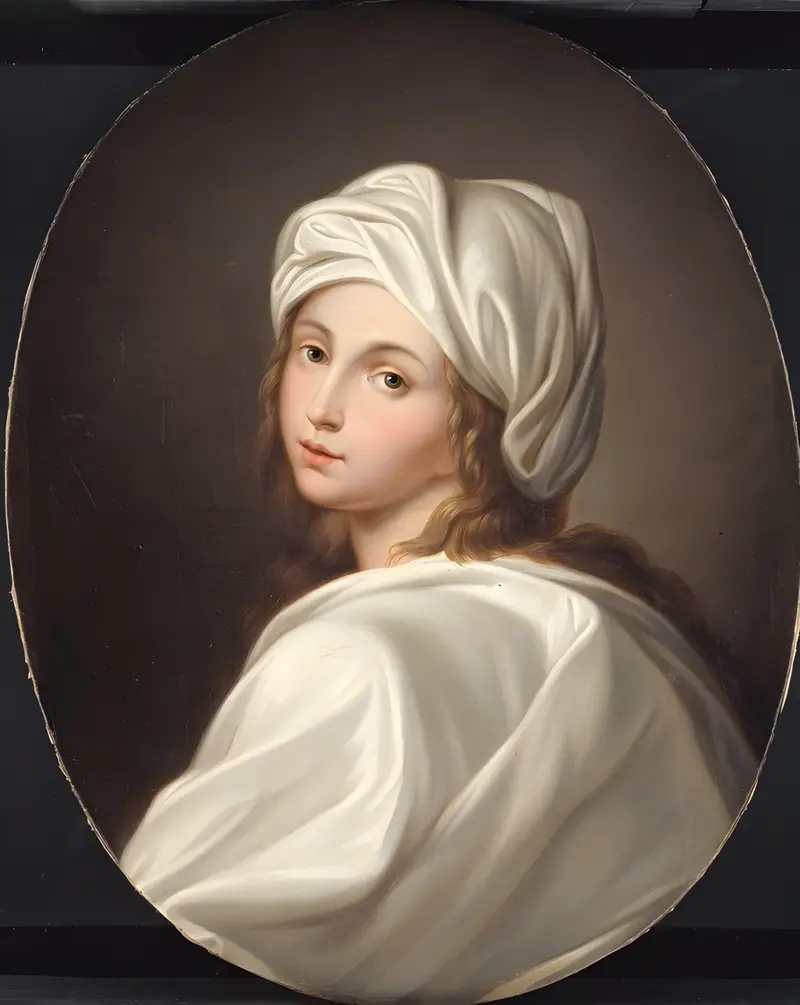
Portrait of Beatrice Cenci
Guido Reni
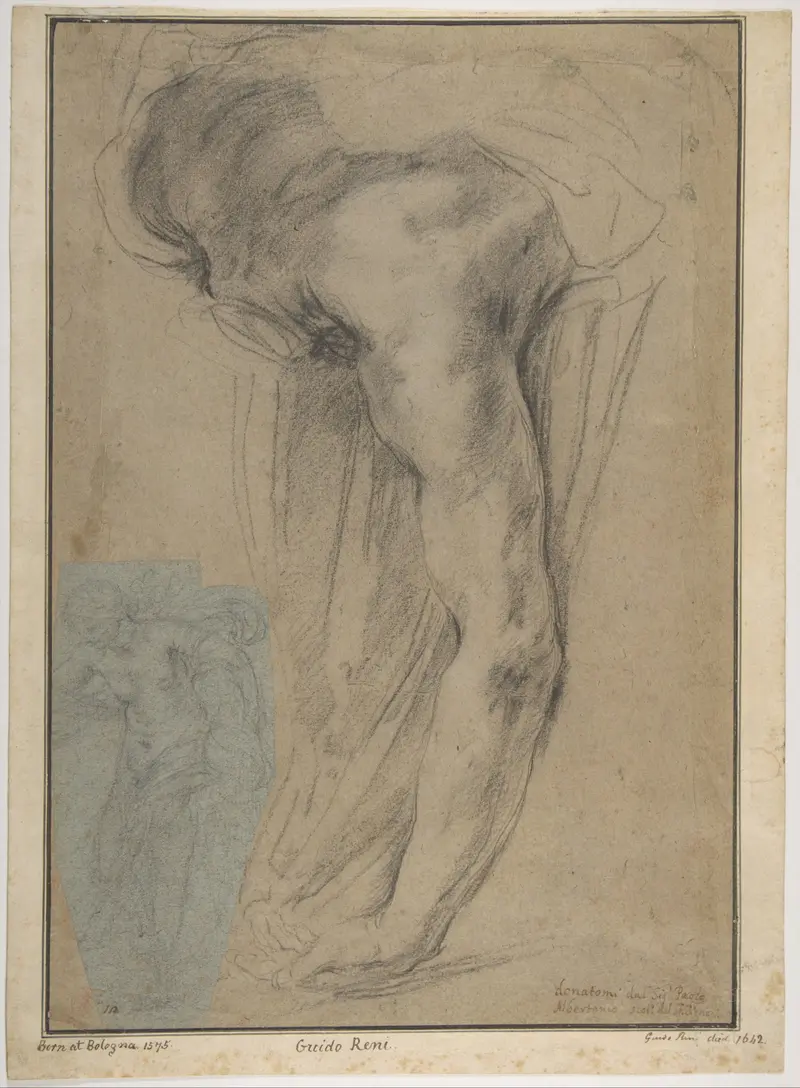
The Reclining Headless Body of Holoferne
Guido Reni
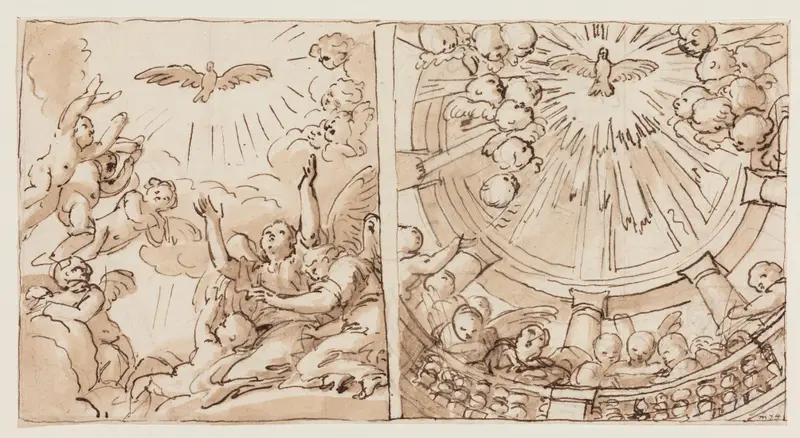
To scener med engle, der omgiver og tilbeder Helligåndsduen, der i det ene tilfælde daler ned mellem skyer, i det andet fra en kuppel, båret af søjler
Guido Reni
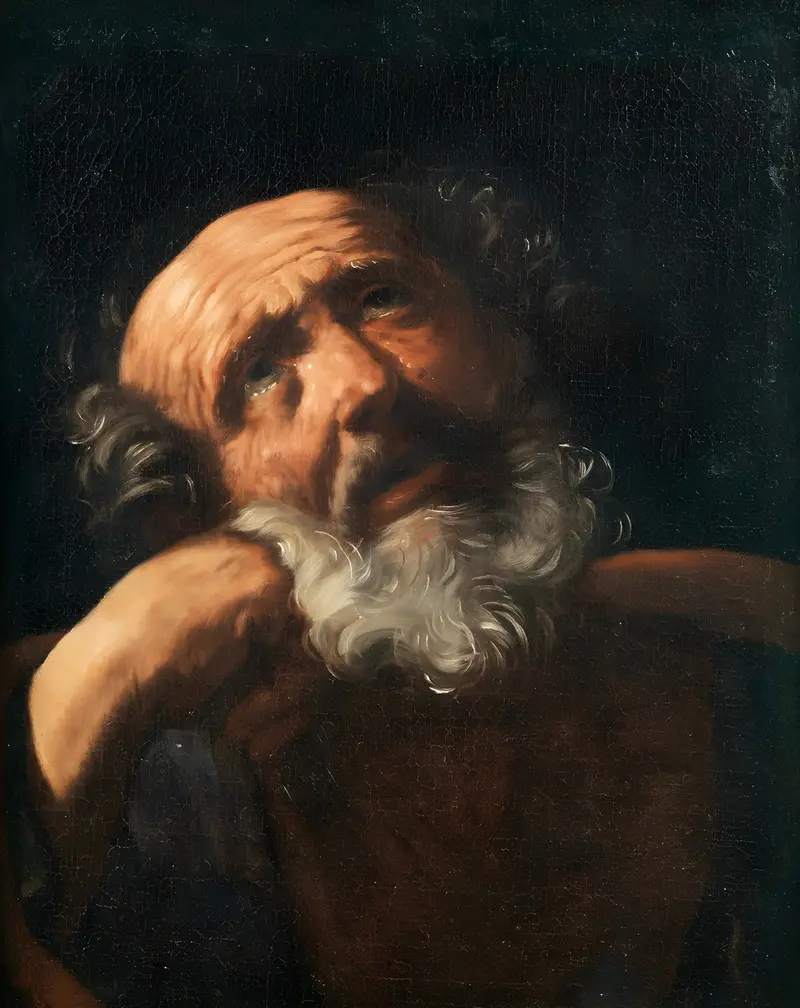
Saint Peter
Guido Reni
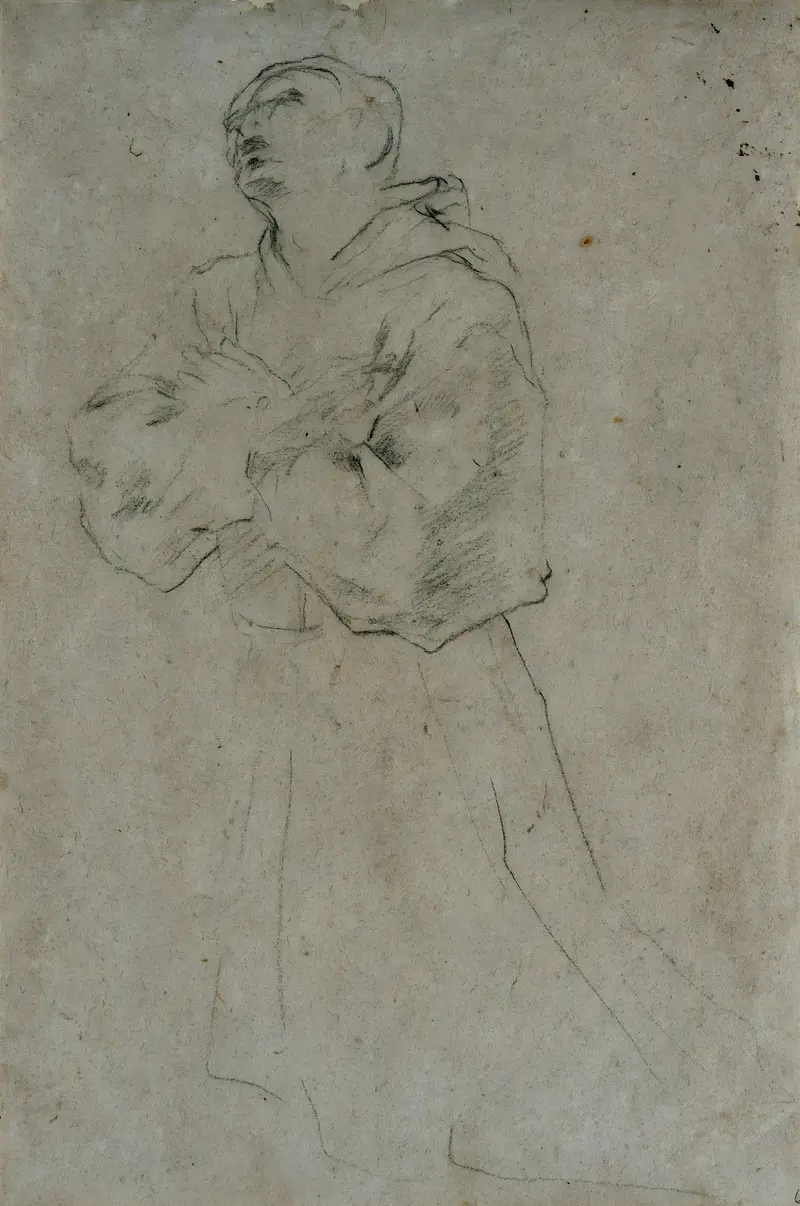
Kneeling Monk
Guido Reni
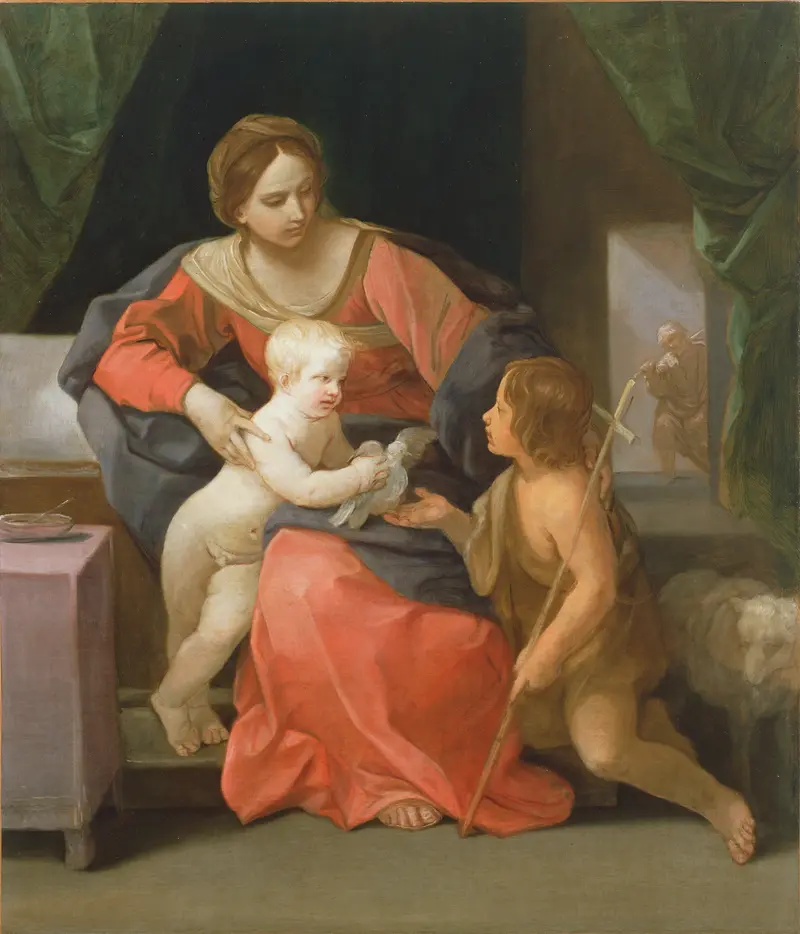
Virgin and Child with Saint John the Baptist
Guido Reni
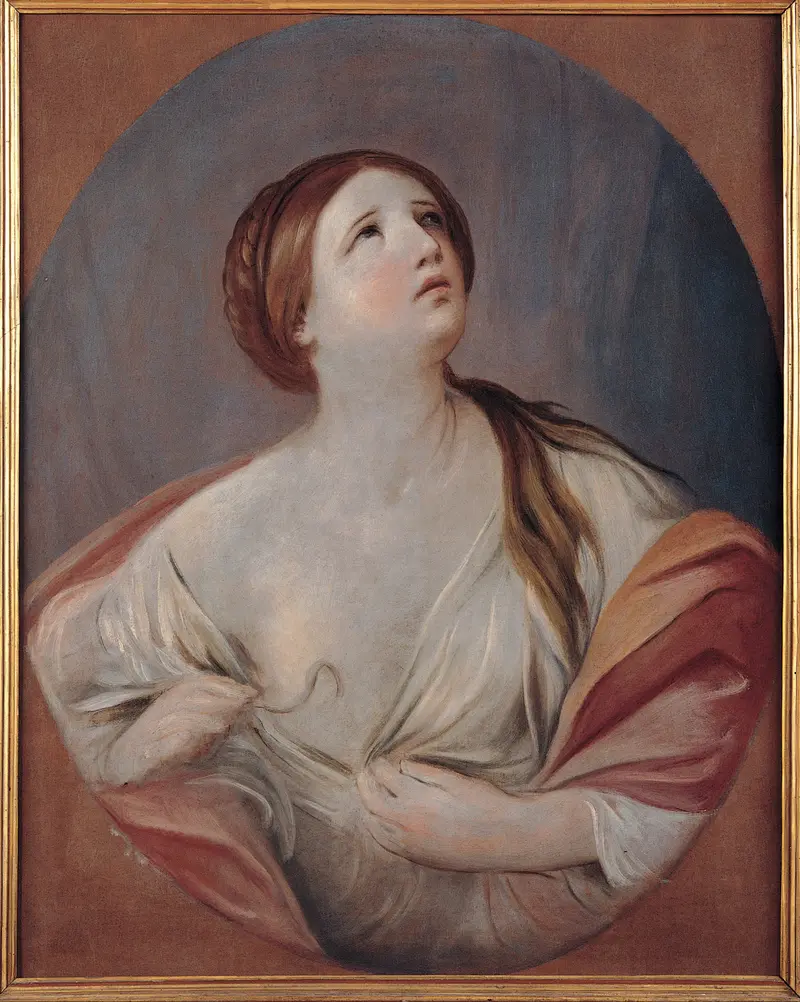
Cleopatra
Guido Reni
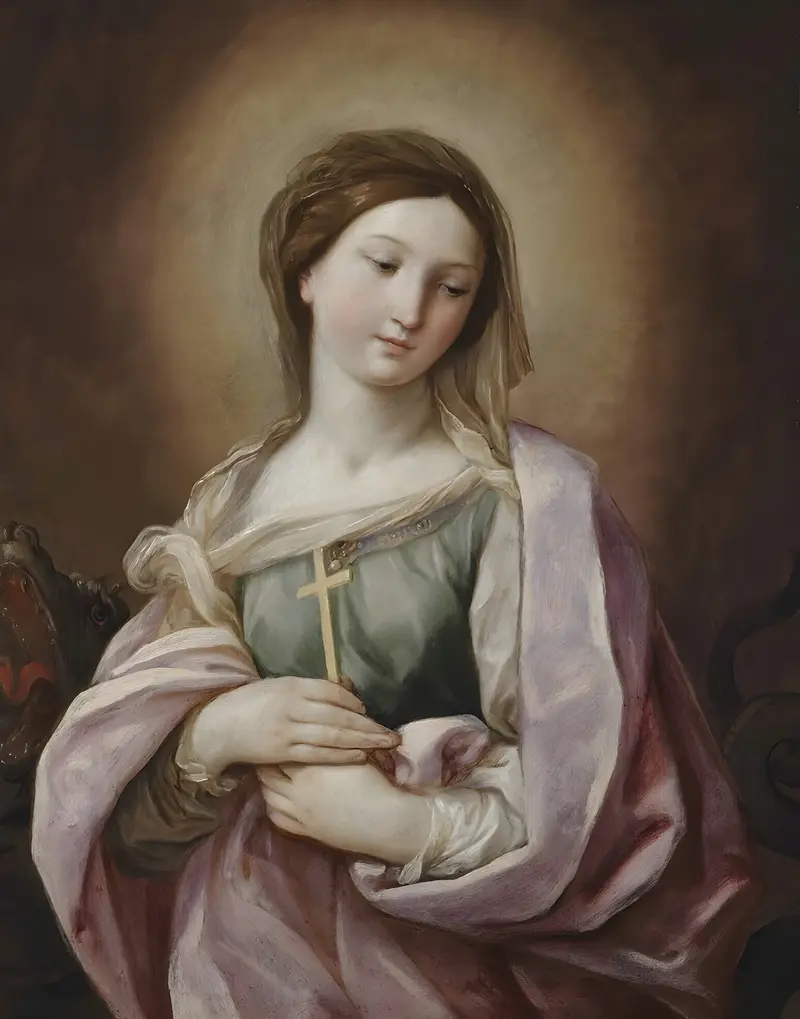
Saint Margaret Of Antioch
Guido Reni





