
The Reclining Headless Body of Holoferne — History & Facts
In The Reclining Headless Body of Holoferne, the viewer encounters a striking scene dominated by deep reds and rich earth tones. The lifeless body of Holoferne reclines dramatically, surrounded by dark shadows that enhance the somber mood. The absence of the head adds a chilling effect, drawing attention to the details of the figure's drapery and musculature.
Reni's use of light creates a contrast that highlights the body against the dark background. The painting is executed in oil on canvas, a popular medium during the Baroque period. Reni's technique showcases his skill in rendering textures, particularly in the fabric of the drapery and the skin tones of the figure. The dimensions are approximately 120 x 160 cm, making it a substantial work that commands attention.
The composition is carefully arranged, with the body positioned to create a sense of movement and drama. Guido Reni was a prominent figure in the Baroque movement, known for his idealized beauty and dramatic compositions. The Reclining Headless Body of Holoferne is inspired by the biblical story of Judith and Holofernes, where Judith beheads the Assyrian general. This painting reflects Reni's ability to blend emotional intensity with classical beauty.
An interesting fact is that this work was once attributed to other artists before being firmly recognized as Reni's.
More Artworks by Guido Reni

Salome with the Head of Saint John the Baptist
Guido Reni
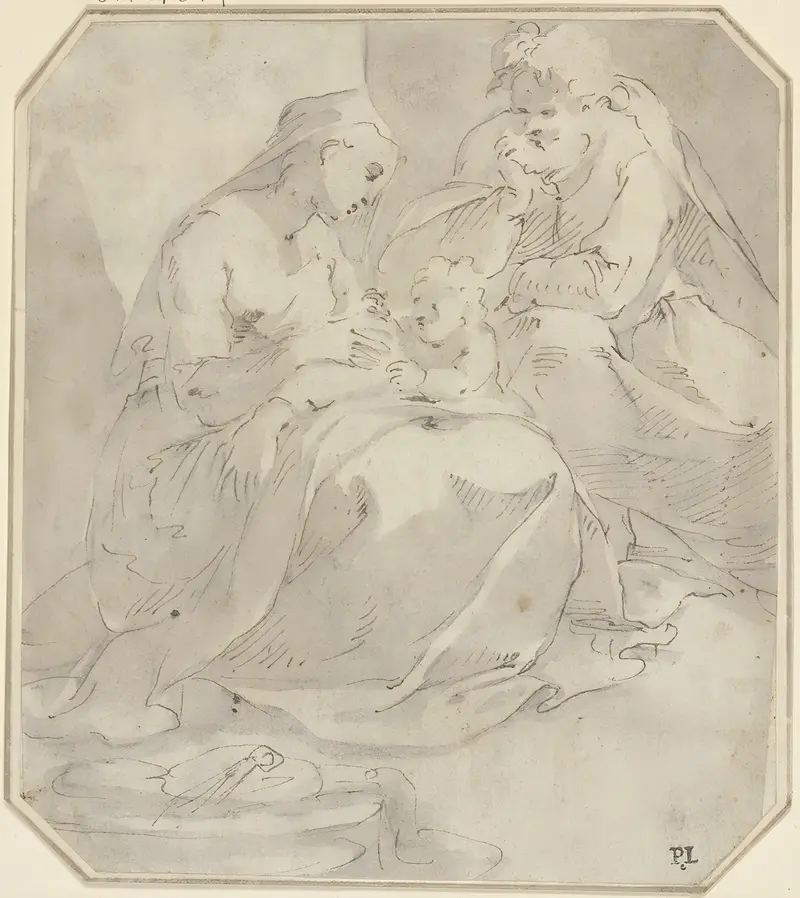
Holy family
Guido Reni
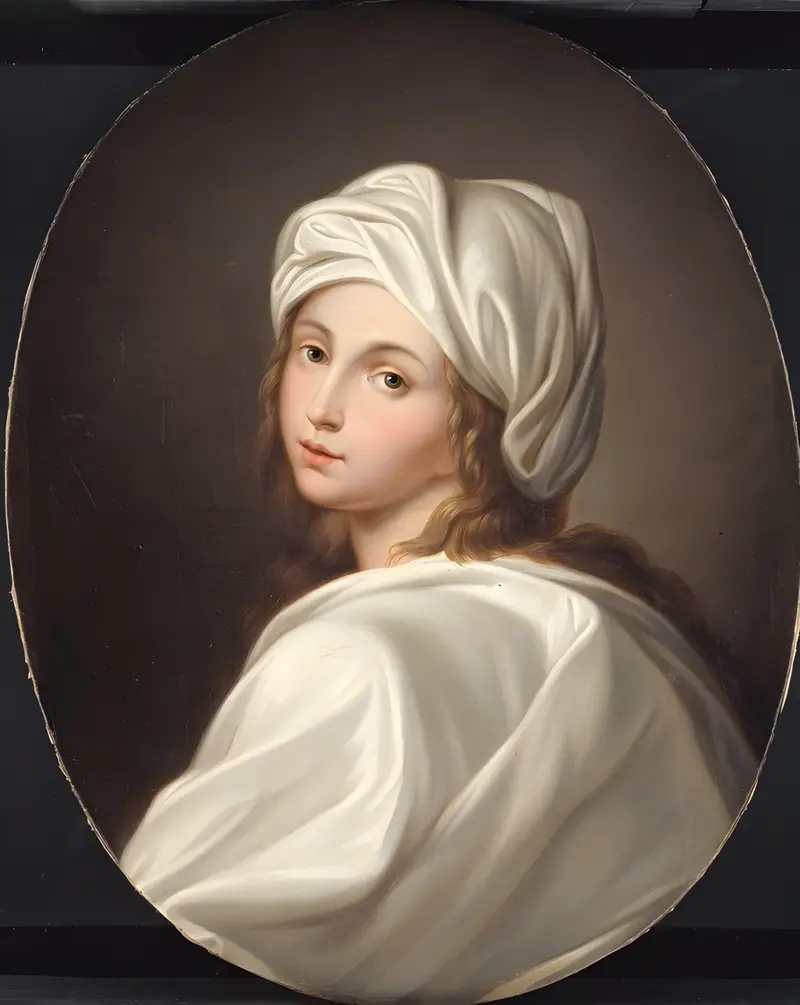
Portrait of Beatrice Cenci
Guido Reni
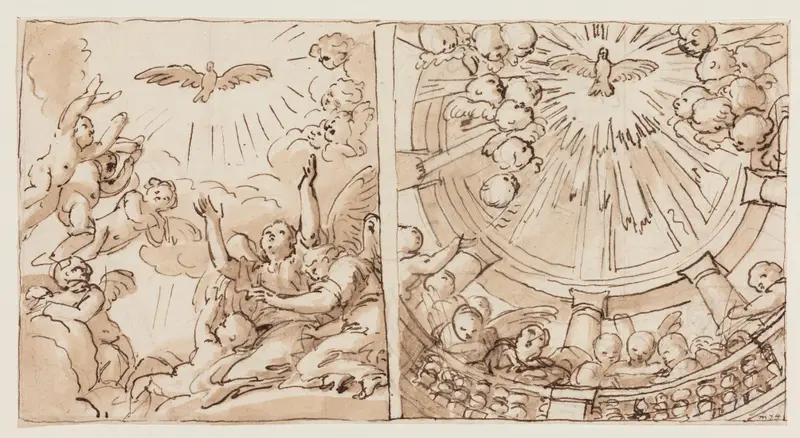
To scener med engle, der omgiver og tilbeder Helligåndsduen, der i det ene tilfælde daler ned mellem skyer, i det andet fra en kuppel, båret af søjler
Guido Reni
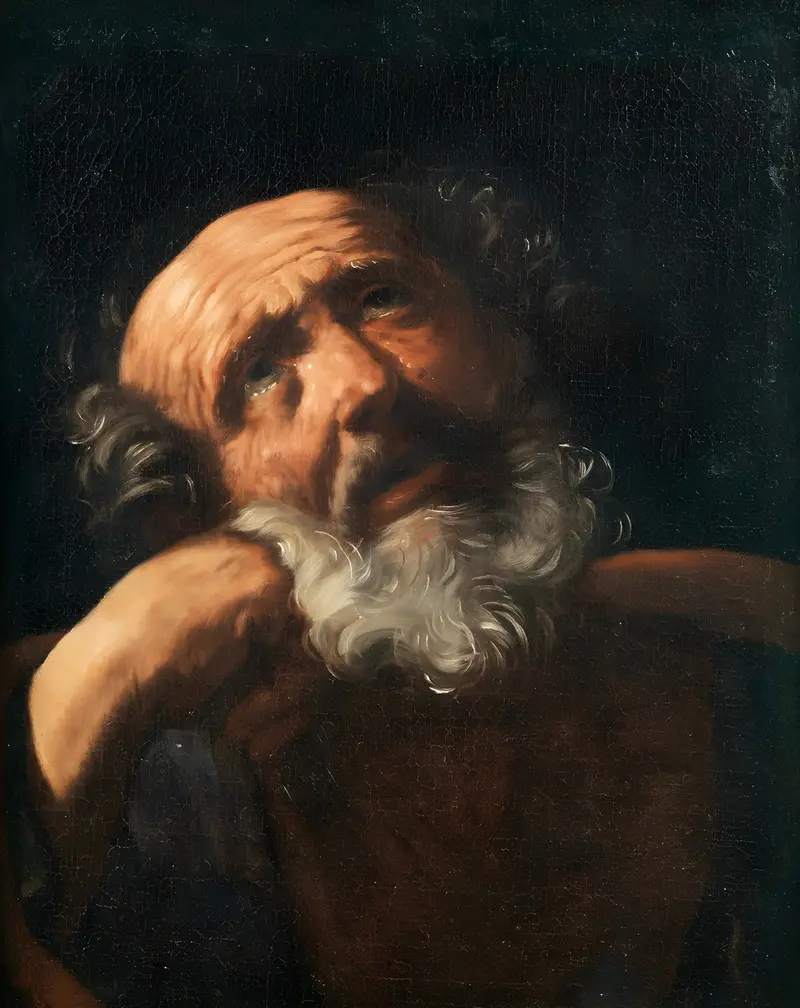
Saint Peter
Guido Reni
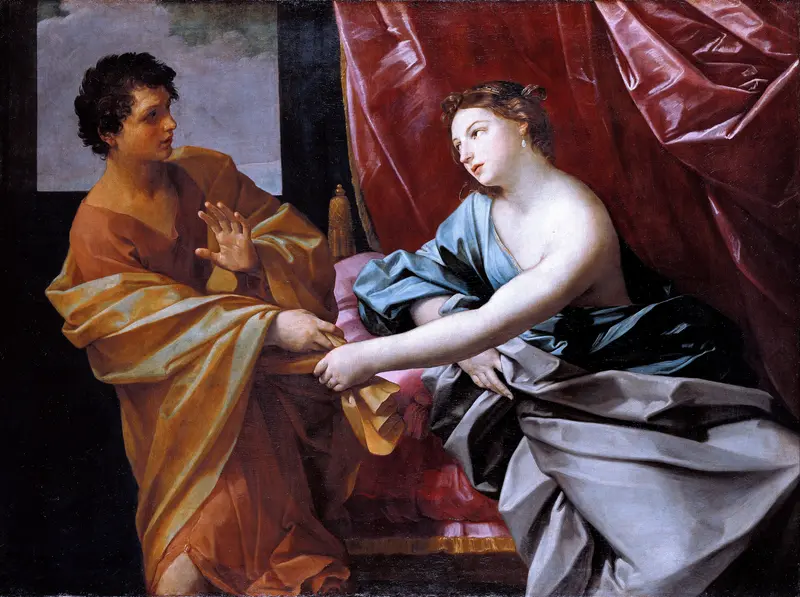
Joseph and Potiphar’s Wife
Guido Reni
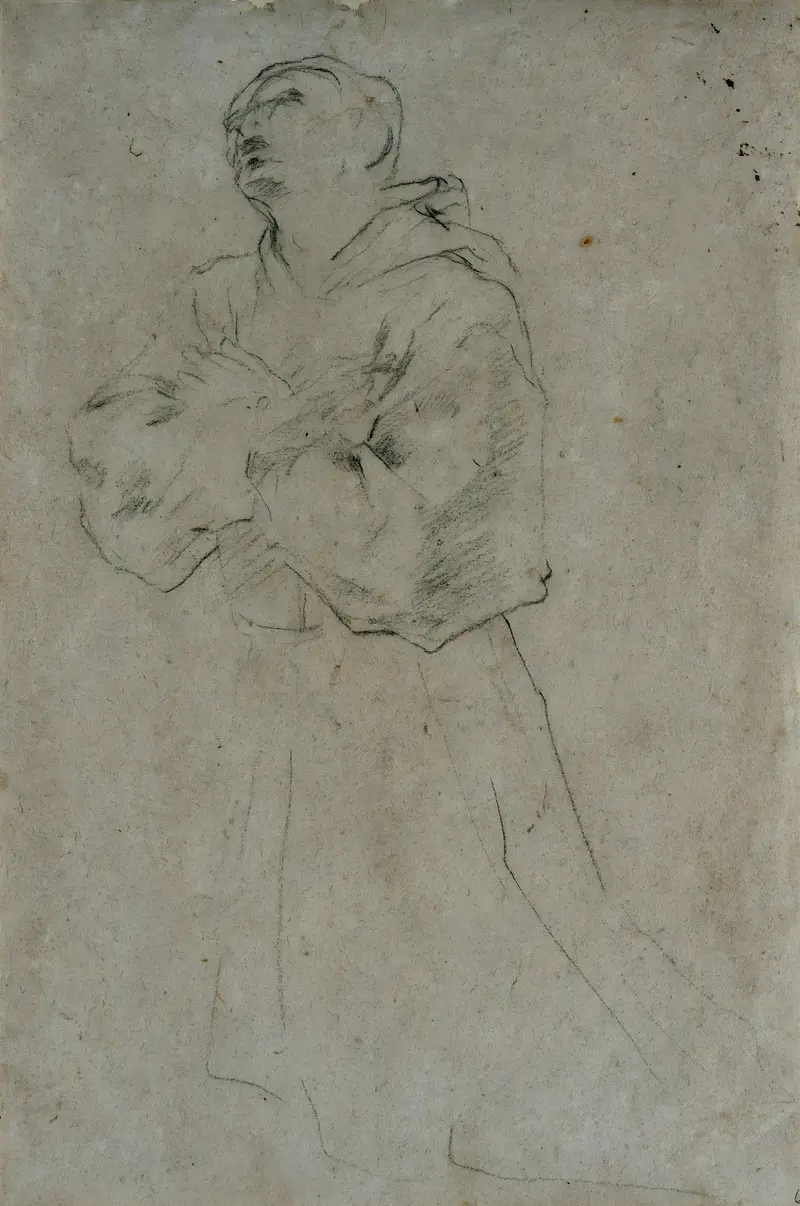
Kneeling Monk
Guido Reni
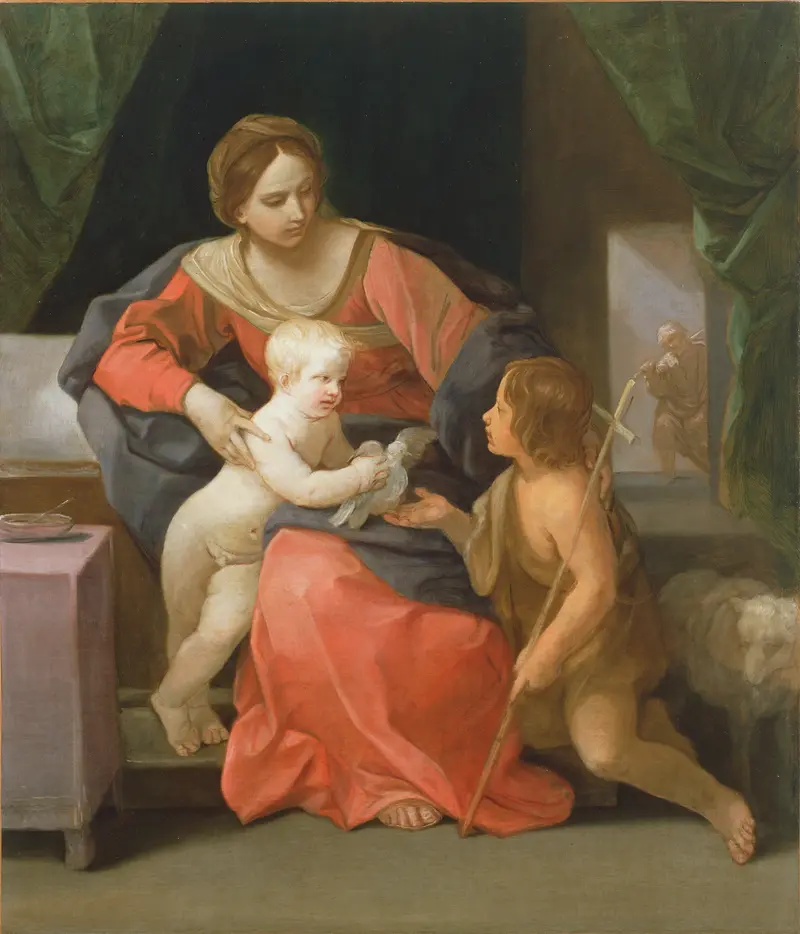
Virgin and Child with Saint John the Baptist
Guido Reni
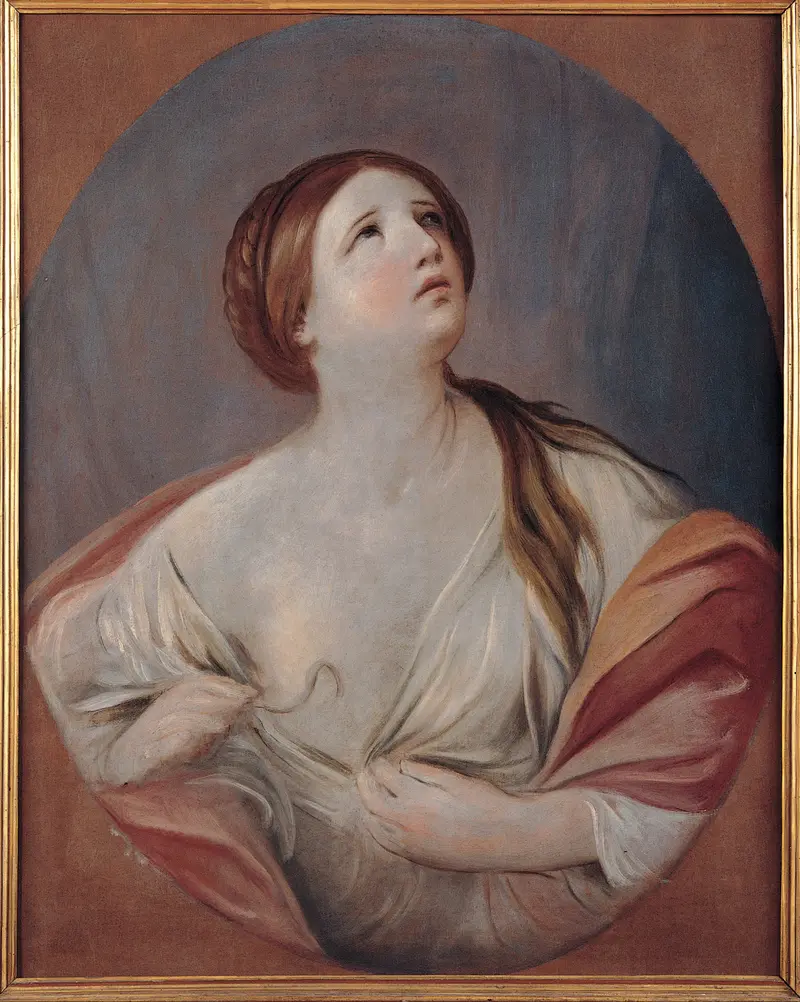
Cleopatra
Guido Reni
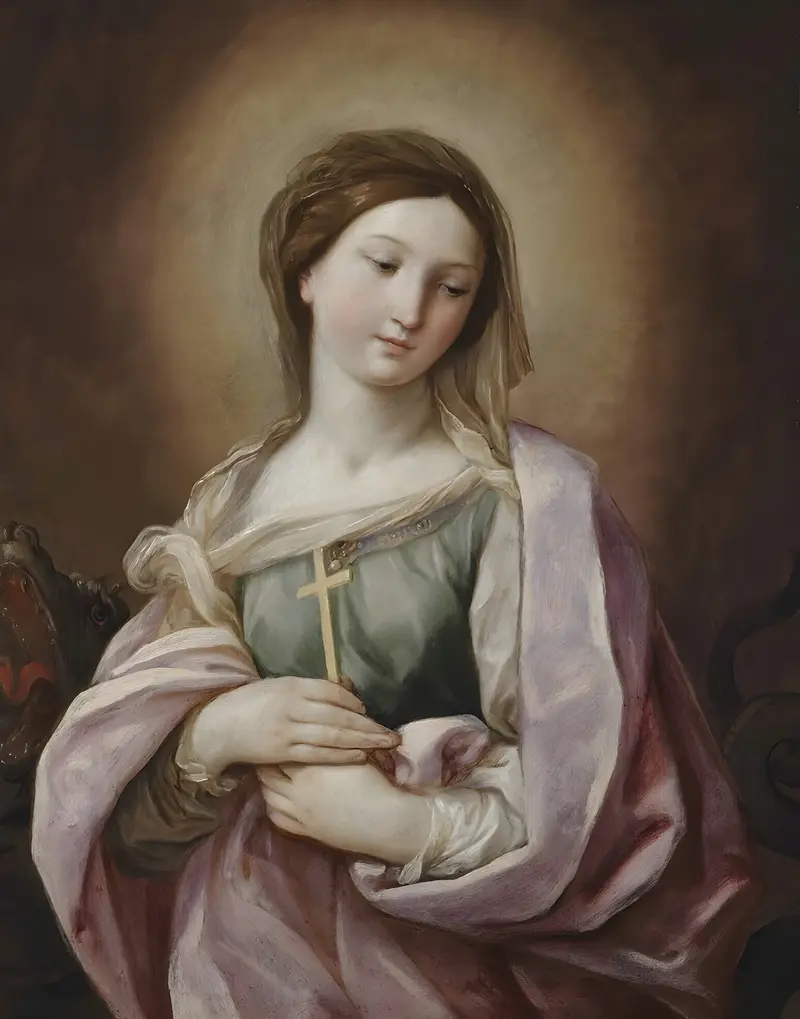
Saint Margaret Of Antioch
Guido Reni





