
Julius Zimmermann – The Federal Council Hall, Bern — History & Facts
What secret hides in the quiet of the canvas? Within the walls of a grand hall, whispers of authority merge with the stillness of contemplation, inviting viewers to explore the unspoken narratives held within. Look to the left at the deep ochre columns, their warm tones grounding the lofty ceiling above. The intricate details of the woodwork draw the eye upward, where beams of light filter through tall windows, casting ethereal patterns upon the polished floor. Notice how Gsell Fels employs a muted palette that echoes the solemnity of the space, punctuated by the subtle play of shadows that hint at the weight of decisions made within these walls. Delve deeper, and you'll find contrasts that reveal the emotional undercurrents of the painting.
The grandeur of the architecture juxtaposes the stillness of the empty hall, evoking feelings of isolation despite its imposing presence. Each brushstroke seems to breathe life into the scene, suggesting a lingering tension between the past and the present—moments of deliberation suspended in time. Such nuances reflect the artist's awareness of the significance of the Federal Council Hall as a site of governance, resonating with the weight of history. In 1881, Gsell Fels created this work during a period of transformative political discourse in Switzerland.
As a member of the burgeoning Swiss artistic movements, he sought to capture the essence of public institutions that represented democracy and governance. His choice to depict the Federal Council Hall not only highlights architectural beauty but also encapsulates a significant moment in the evolution of Swiss identity and the visual arts.
More Artworks by Theodor Gsell Fels
Browse all →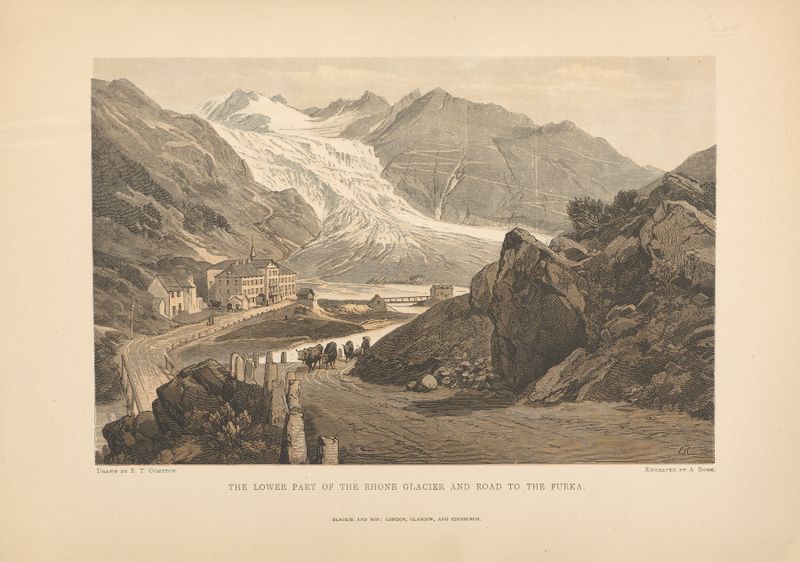
E. T. Compton – The Lower Part of the Rhone Glacier and Road to Furka
Theodor Gsell Fels

G. Closs – The Devil’s Bridge—St. Gothard Road, Schóllenen Gorge
Theodor Gsell Fels
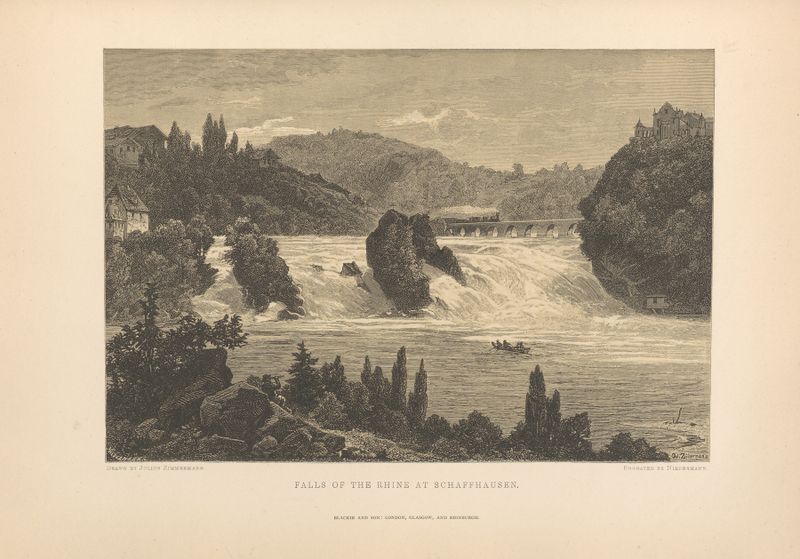
Julius Zimmermann – Falls of the Rhine at Schaffhausen
Theodor Gsell Fels
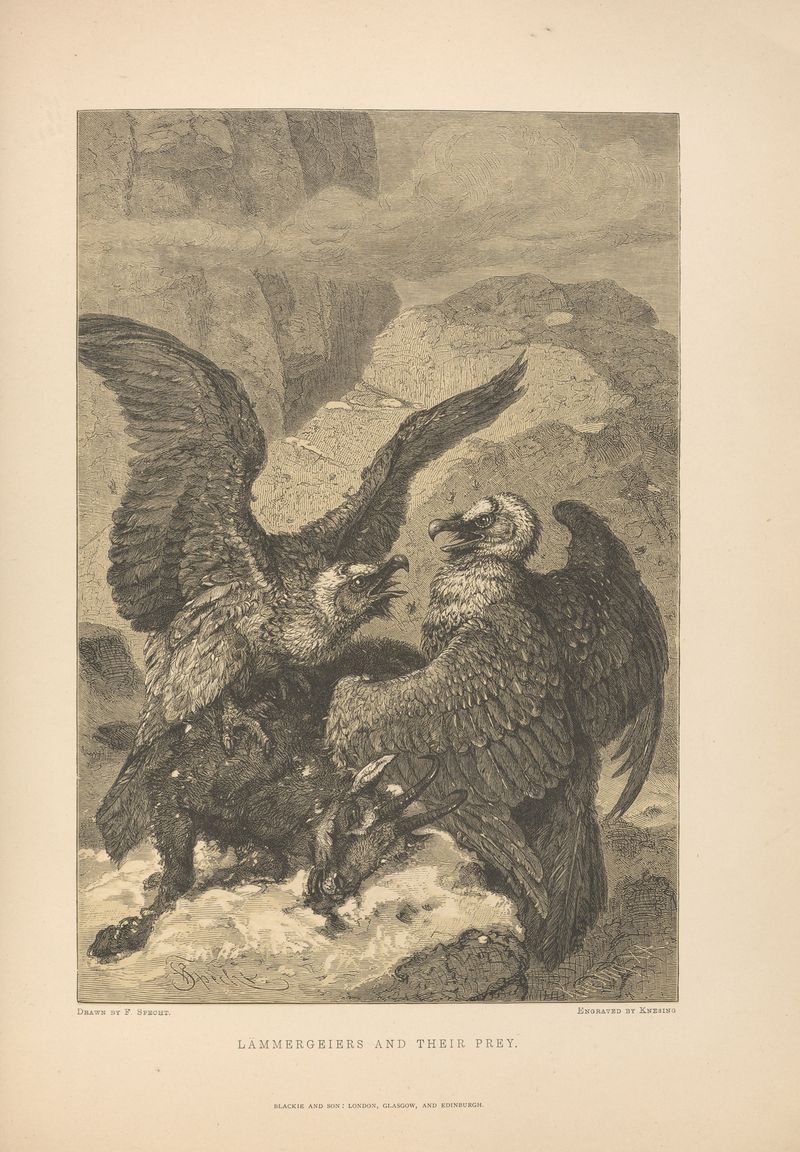
F. Specht – Lammergeiers and their Prey
Theodor Gsell Fels
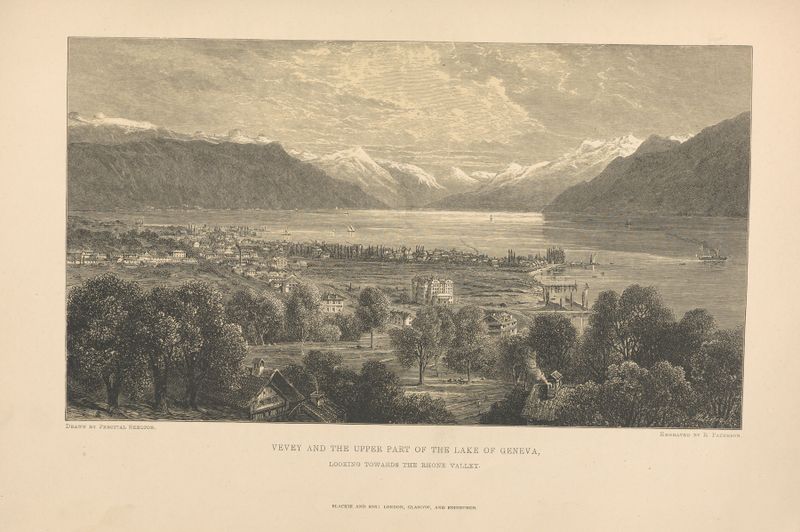
Percival Skelton – Vevay, and the Upper Part of the Lake of Geneva
Theodor Gsell Fels

E. T. Compton – The Jungfrau, and Opening of the Lauterbrunnen Valley
Theodor Gsell Fels

P. Weber – Departure of Steamer from Lucerne
Theodor Gsell Fels
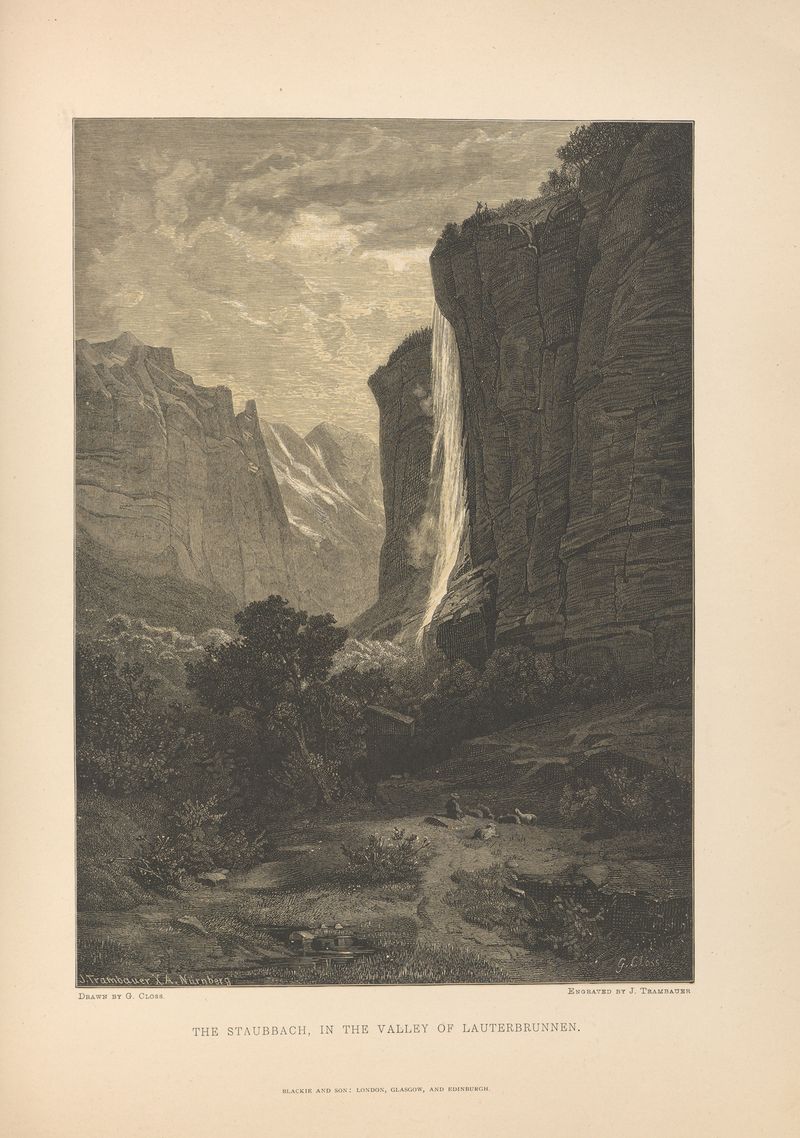
G. Closs – The Staubbach, in the Valley of Lauterbrunnen
Theodor Gsell Fels
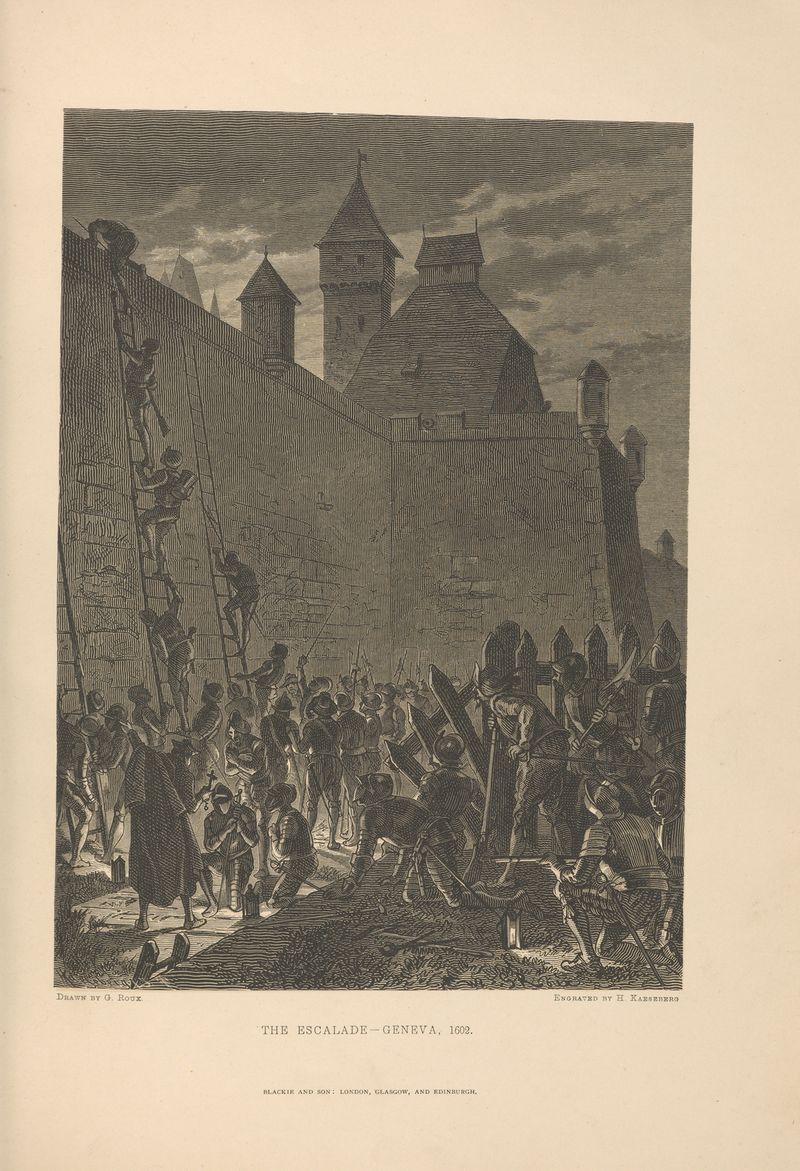
G. Roux – The Escalade, Geneva
Theodor Gsell Fels
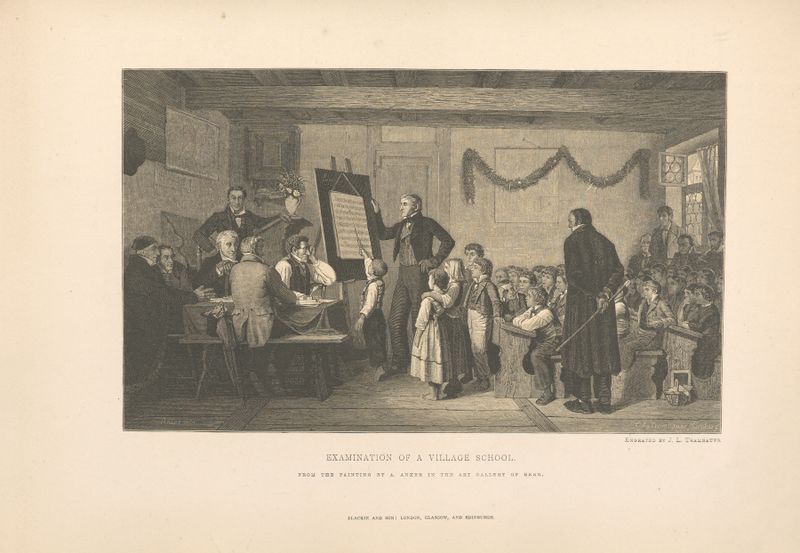
A. Anker – Examination of a Village School
Theodor Gsell Fels
More Architecture Art
Browse all →
The statue of Liberty
Frédéric Auguste Bartholdi

View of Houses in Delft, Known as ‘The Little Street’
Johannes Vermeer

View of Houses in Delft, Known as ‘The Little Street’
Johannes Vermeer

The Cathedral in Rouen. The portal, Grey Weather
Claude Monet

The yellow house
Vincent van Gogh

The Church in Auvers-sur-Oise, View from the Chevet
Vincent van Gogh