Discover insights about this artwork
Juno — History & Facts
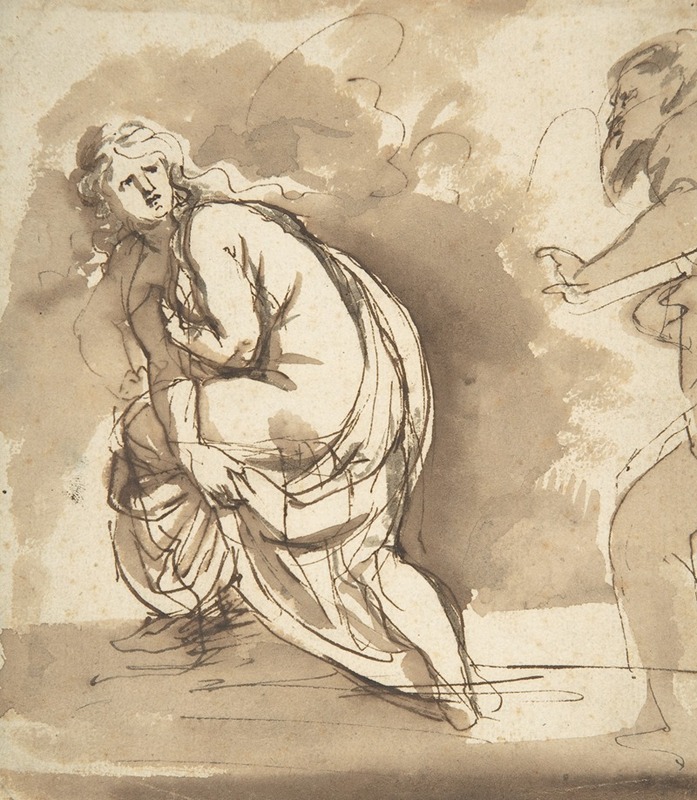
In Juno, Rembrandt van Rijn presents the Roman goddess Juno in a striking composition. The painting features rich colors, with deep reds and golds dominating the palette. Juno is depicted with a regal presence, adorned with a crown and luxurious garments.
The background is dark, enhancing the figure's prominence and creating a dramatic atmosphere. The painting is executed in oil on canvas, a medium that allows for rich texture and depth. Rembrandt's characteristic use of chiaroscuro is evident, with strong contrasts between light and shadow. The brushwork is expressive, showcasing his skill in rendering fabric and skin tones.
Viewers can appreciate the meticulous details in Juno's attire and the subtle play of light across her face. Rembrandt van Rijn was a leading figure of the Dutch Golden Age, known for his innovative approaches to light and shadow. Juno reflects his interest in mythology and the human experience, capturing the essence of the goddess. An interesting fact about this work is that it showcases Rembrandt's ability to blend realism with idealism, creating a relatable yet divine figure.
This painting is part of the collection at the Rijksmuseum in Amsterdam.
More Artworks by Rembrandt van Rijn
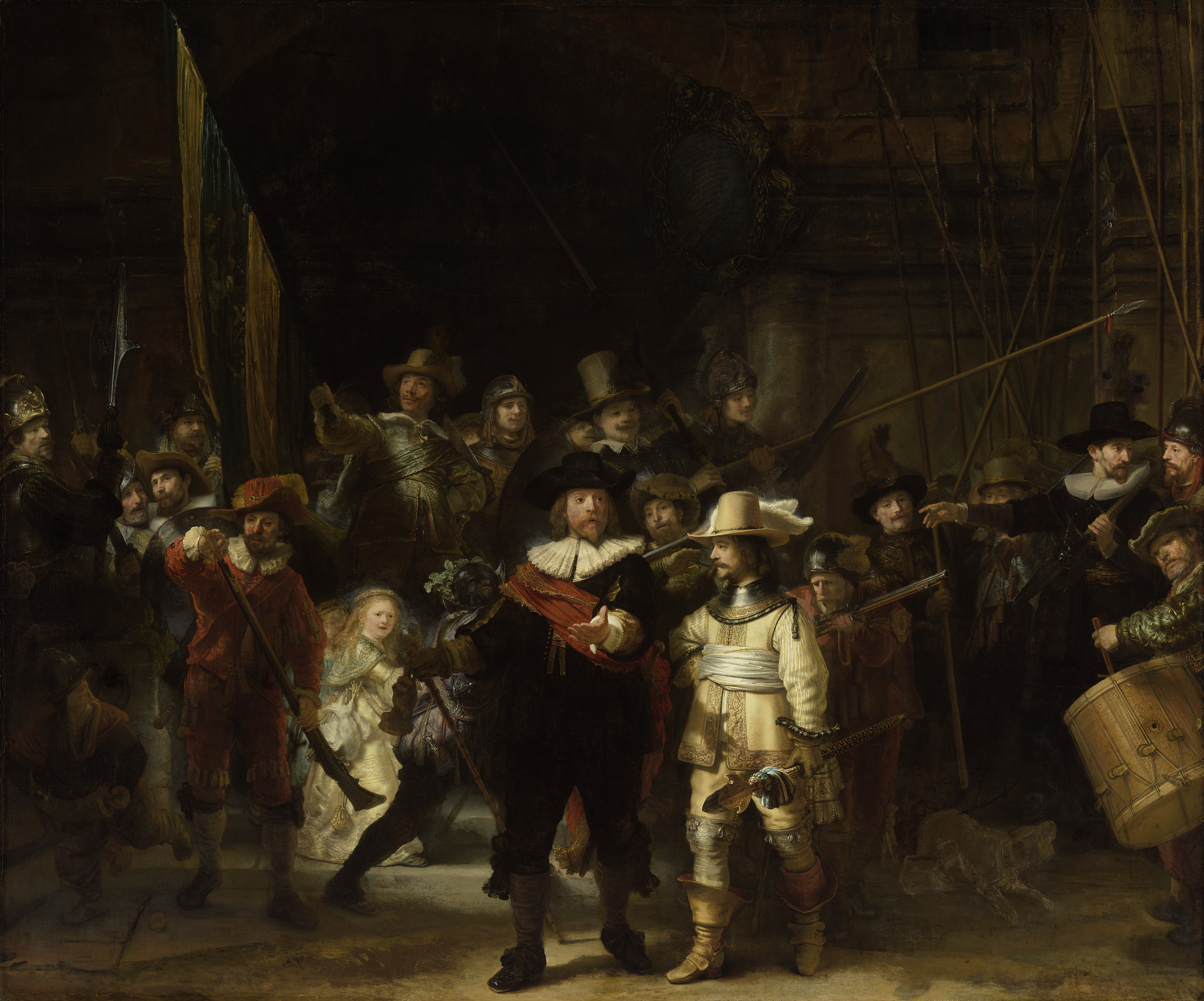
The Night Watch Militia Company of District II under the Command of Captain Frans Banninck Cocq
Rembrandt van Rijn
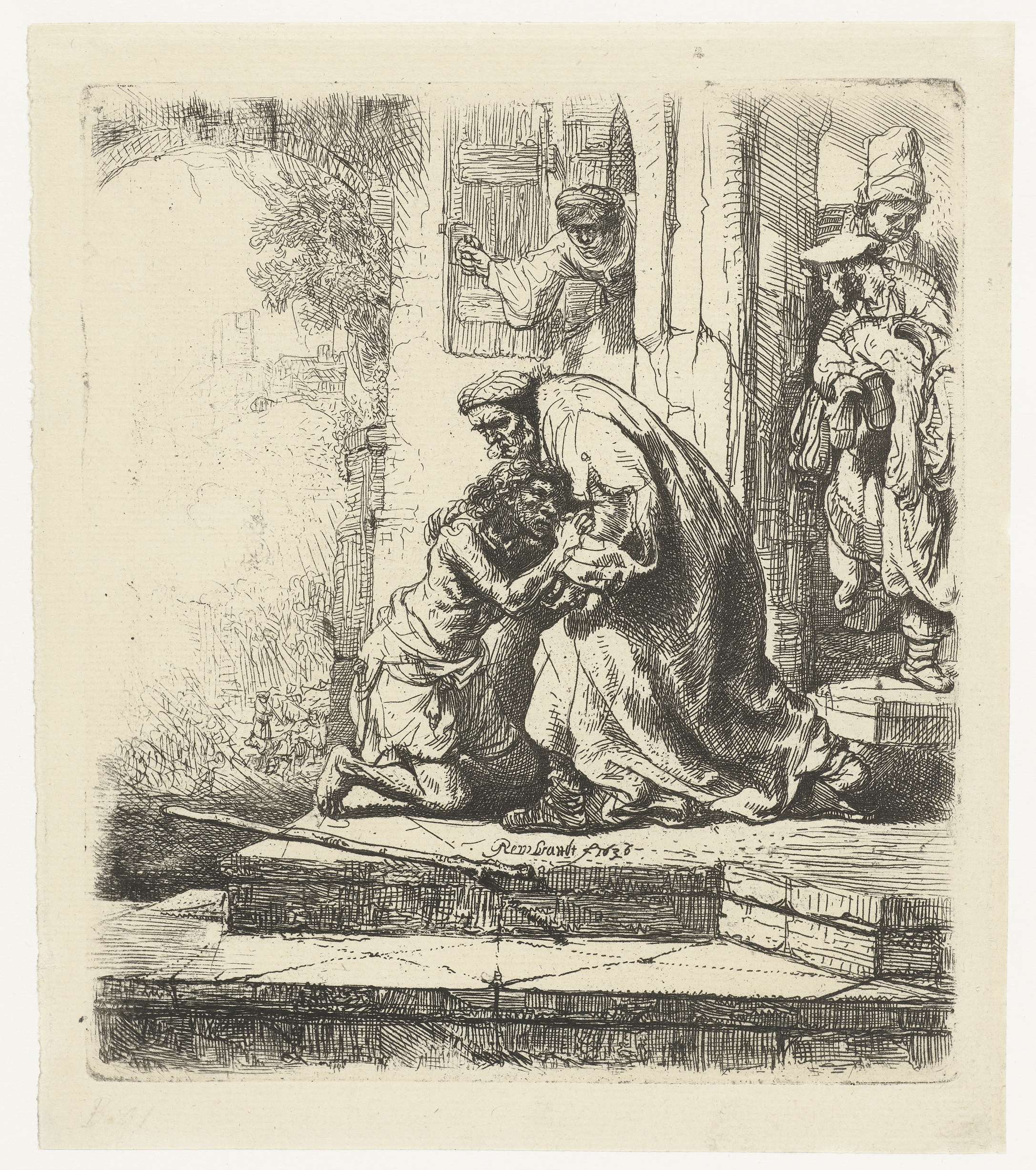
The Return of the Prodigal Son
Rembrandt van Rijn
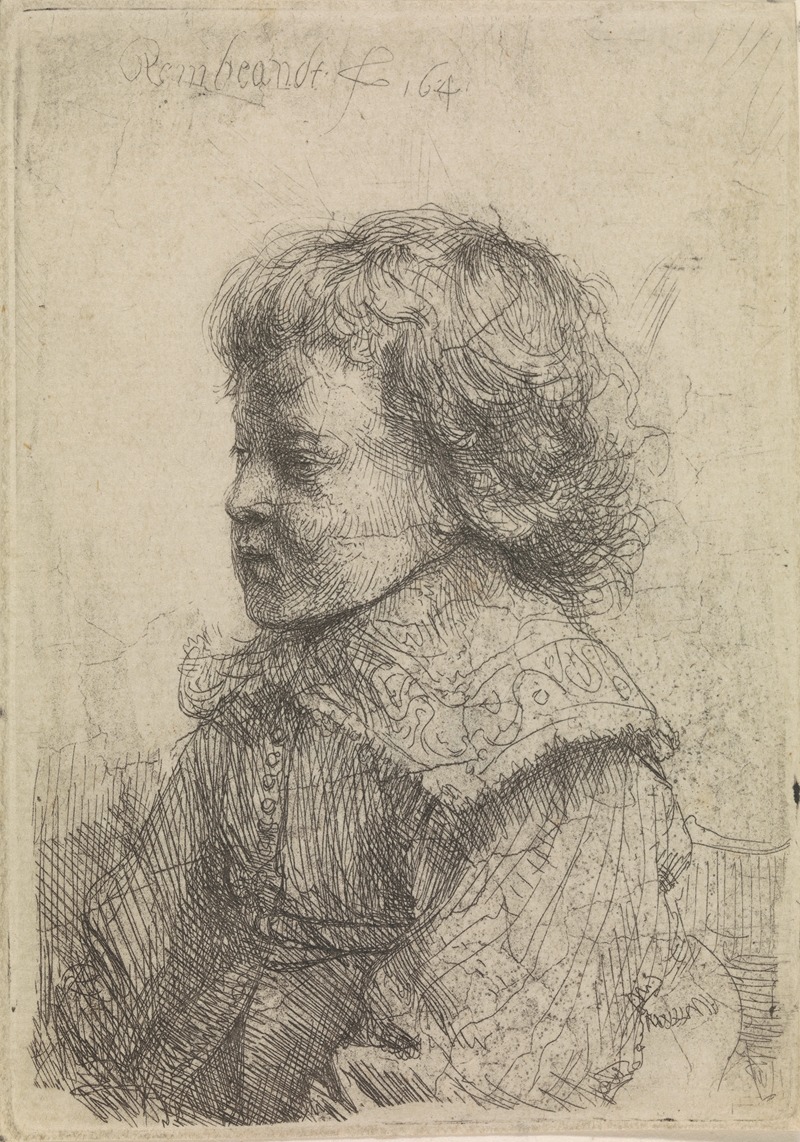
Portrait of a boy in profile
Rembrandt van Rijn
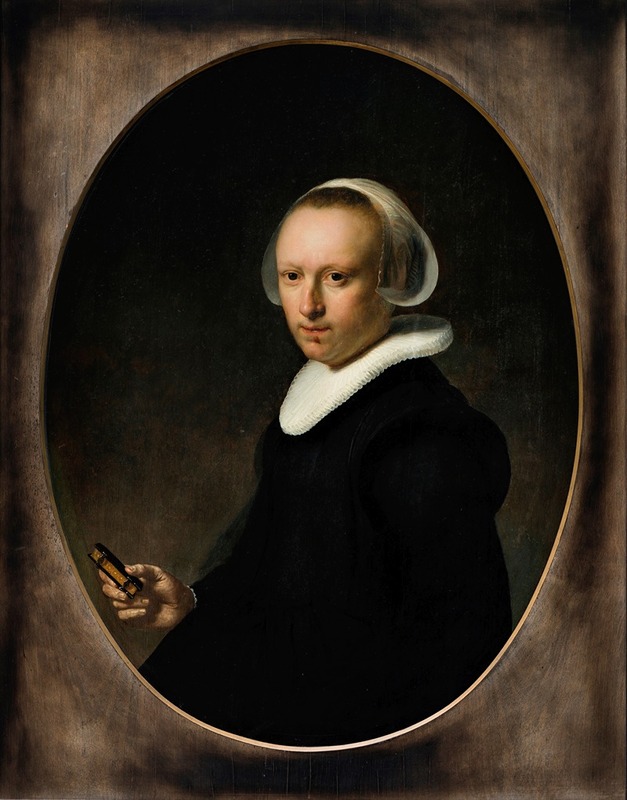
Portrait of a 39-year-old Woman
Rembrandt van Rijn
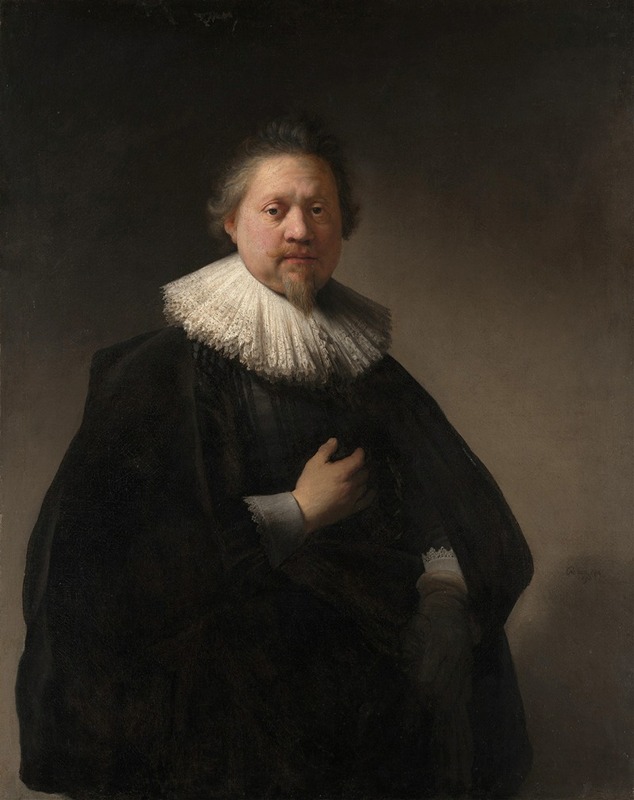
Portrait of a Man
Rembrandt van Rijn
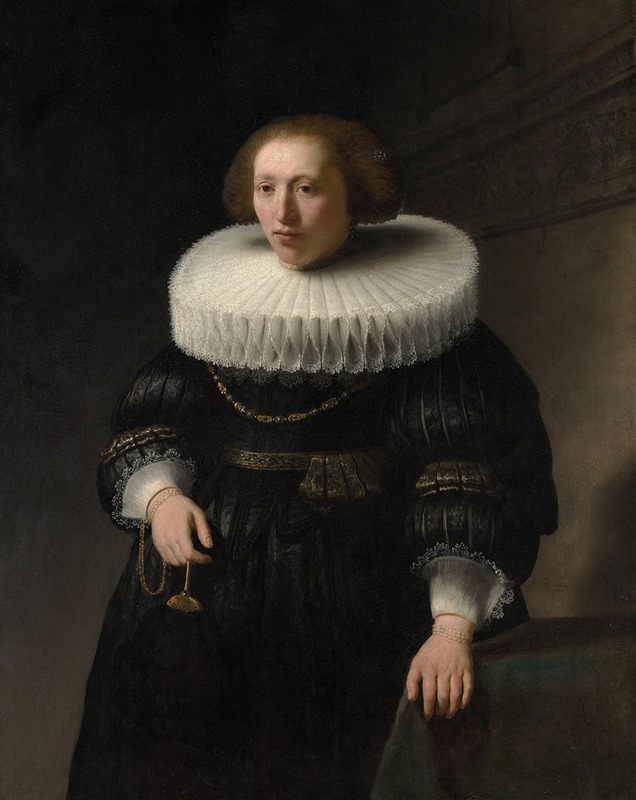
Portrait of a Woman
Rembrandt van Rijn
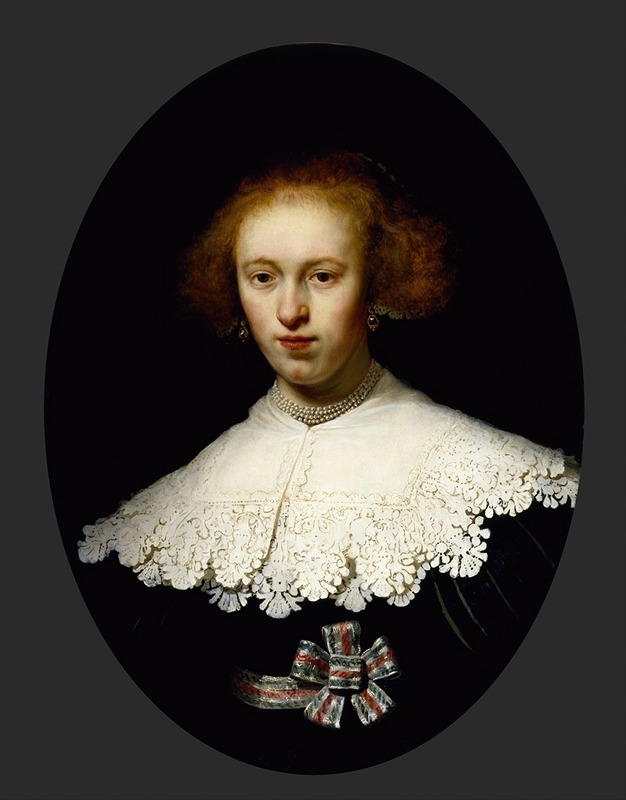
Portrait of a Young Woman
Rembrandt van Rijn
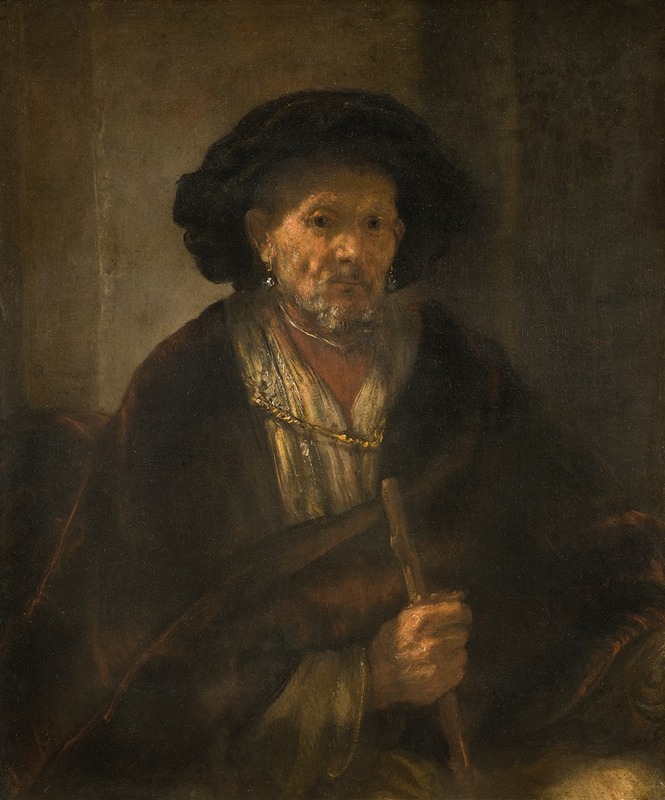
Portrait of an Old Man
Rembrandt van Rijn
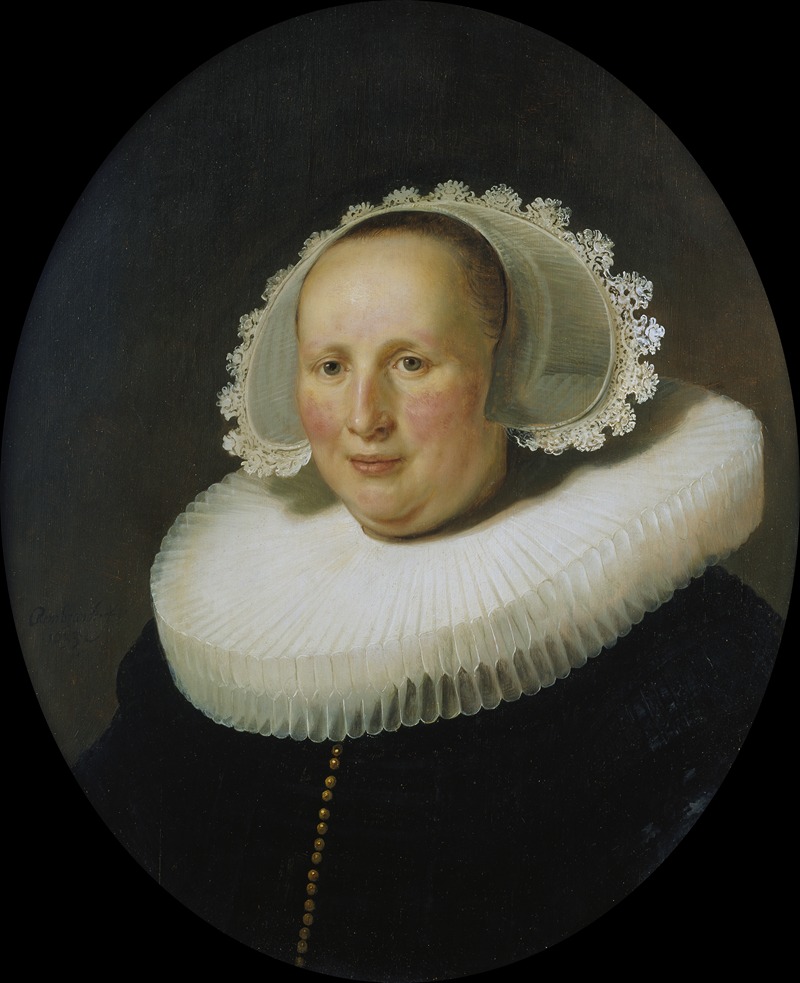
Portrait of Maertgen van Bilderbeecq
Rembrandt van Rijn
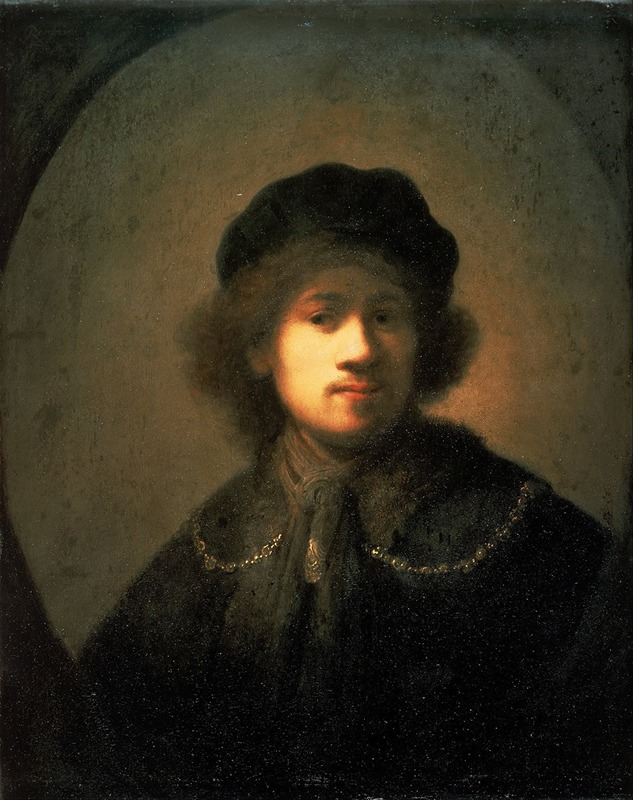
Portrait of the Artist as a Young Man
Rembrandt van Rijn