Discover insights about this artwork
Jupiter and Antiope — History & Facts
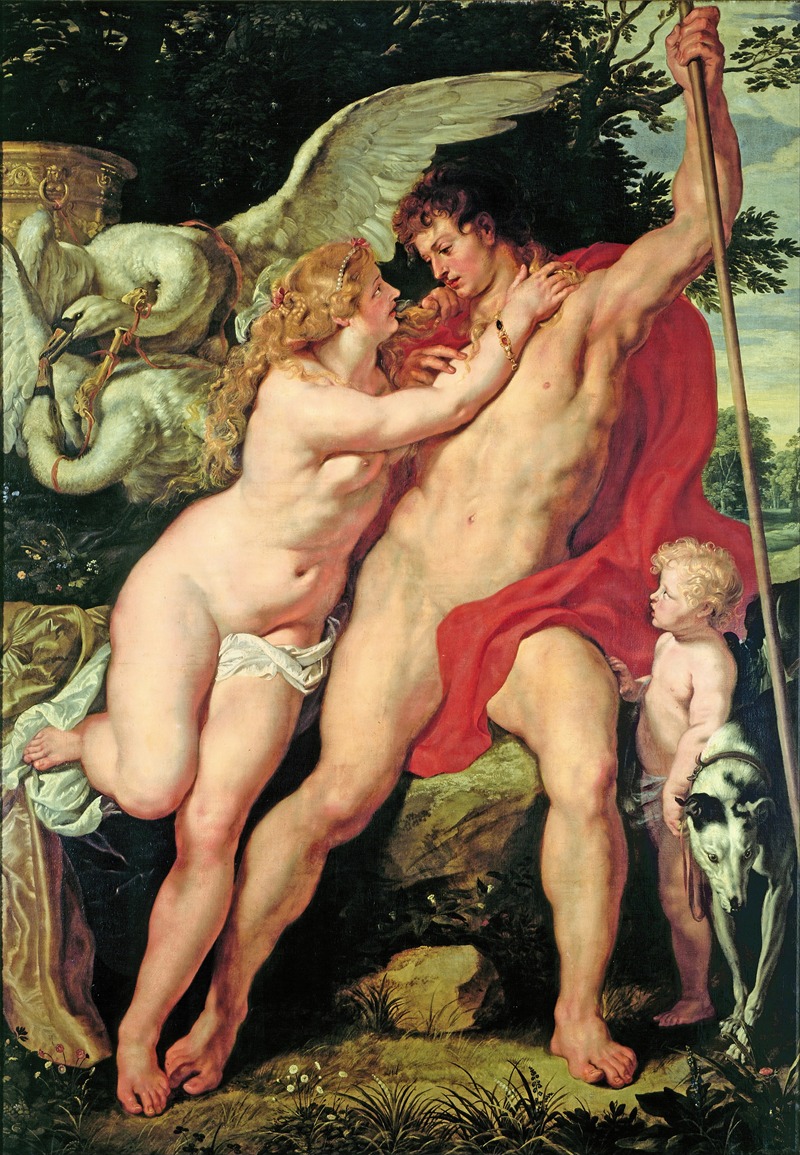
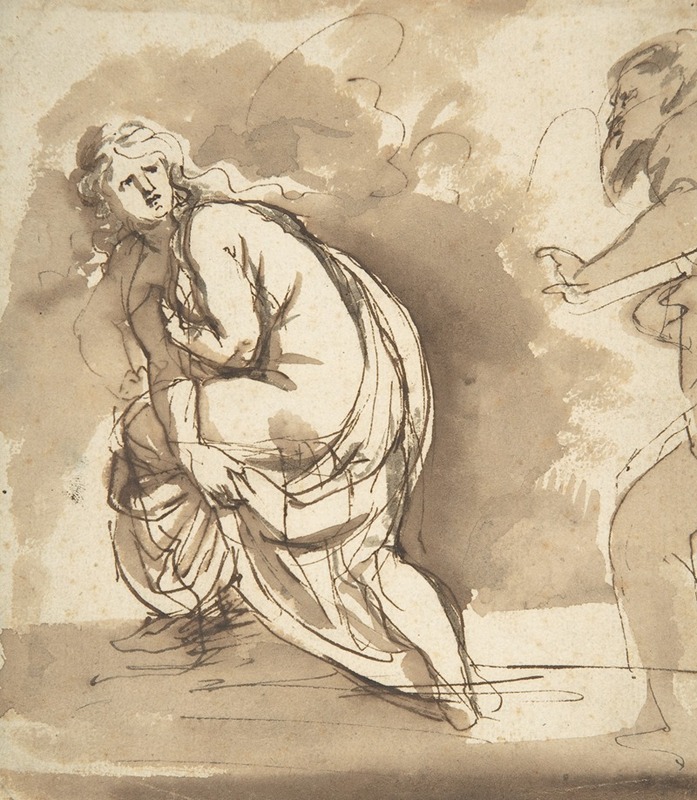
In Jupiter and Antiope, Rembrandt van Rijn presents a captivating scene filled with rich colors and dramatic contrasts. The central figures are Jupiter, depicted as a powerful god, and Antiope, who appears vulnerable yet alluring. The background is dark, which enhances the focus on the figures and their expressions.
The use of light and shadow creates a sense of depth and intimacy in this mythological narrative. The painting is executed in oil on canvas, a common medium for Rembrandt during the Dutch Golden Age. It measures approximately 120 x 160 cm, making it a sizable work that draws viewers in. The artist's signature technique of chiaroscuro is evident, highlighting the emotional intensity of the figures.
This work showcases Rembrandt's mastery in portraying human emotions and interactions. Rembrandt van Rijn created Jupiter and Antiope around c. 1655, a time when he was exploring themes of mythology and human emotion. This painting reflects his interest in the complexities of love and desire, as seen through the lens of classical mythology.
Interestingly, this artwork is part of the collection at the Rijksmuseum, where it continues to attract attention for its dramatic storytelling and technical prowess. Rembrandt often drew inspiration from ancient texts, making this piece a significant example of his engagement with mythological subjects.
More Artworks by Rembrandt van Rijn
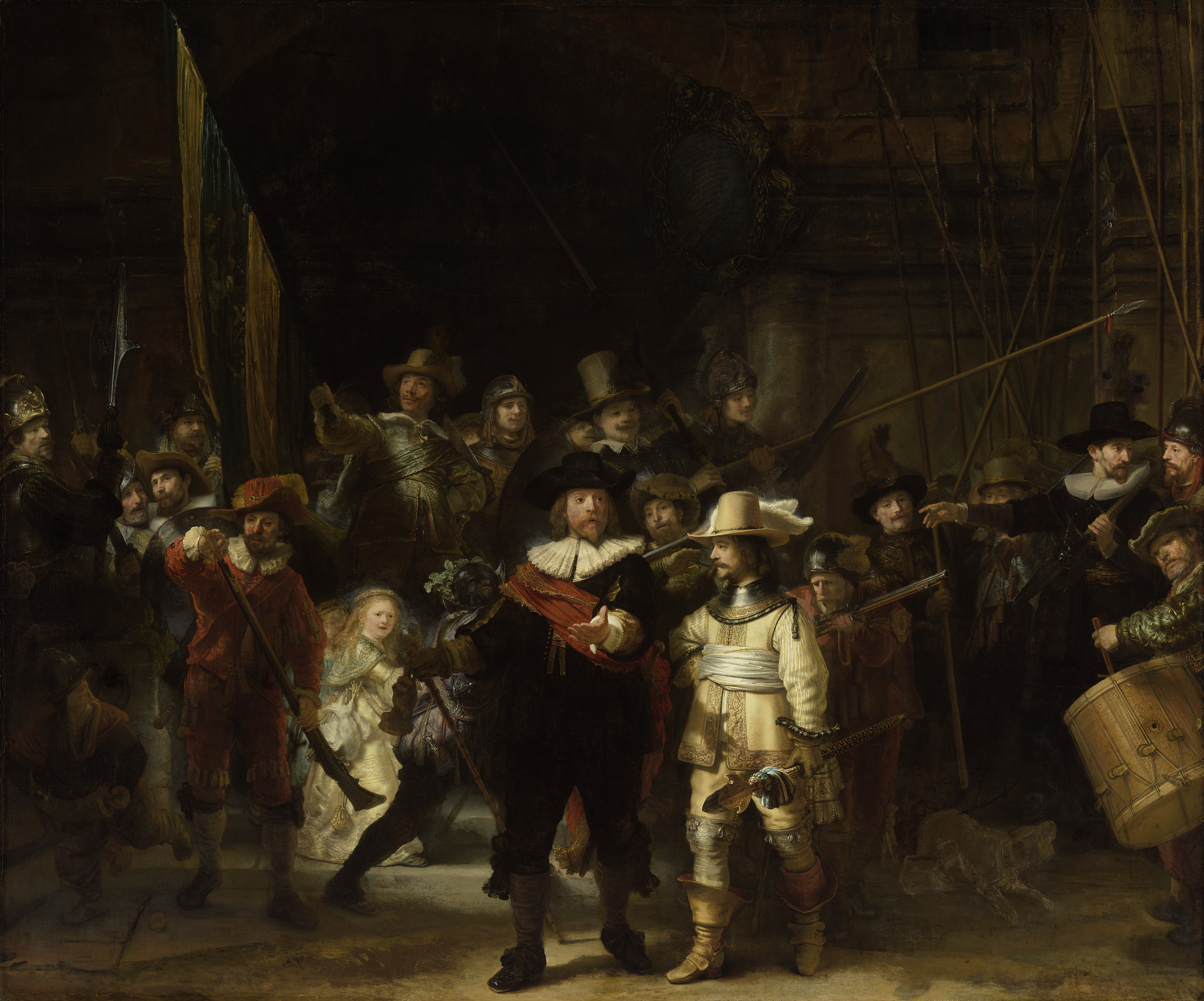
The Night Watch Militia Company of District II under the Command of Captain Frans Banninck Cocq
Rembrandt van Rijn
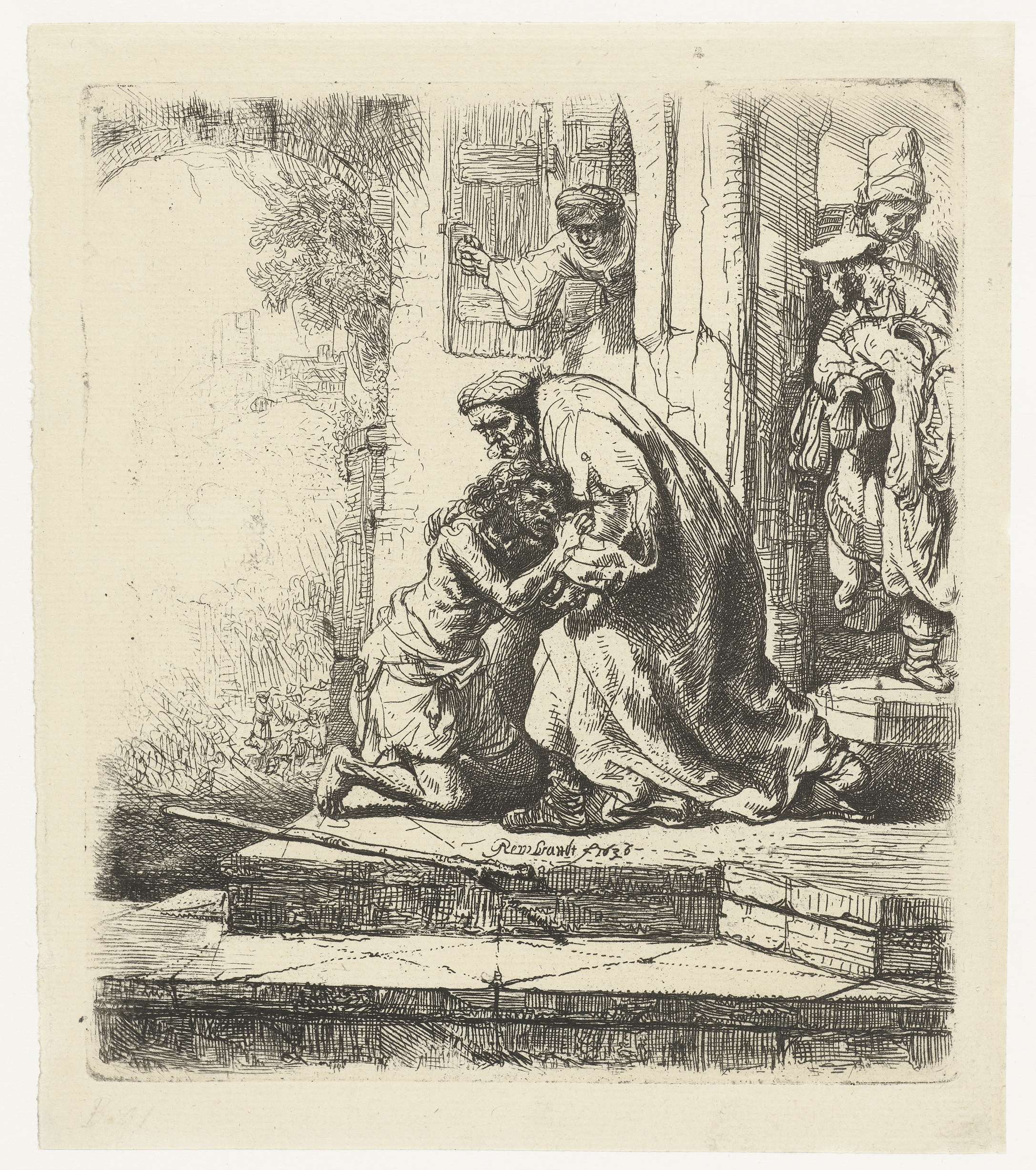
The Return of the Prodigal Son
Rembrandt van Rijn
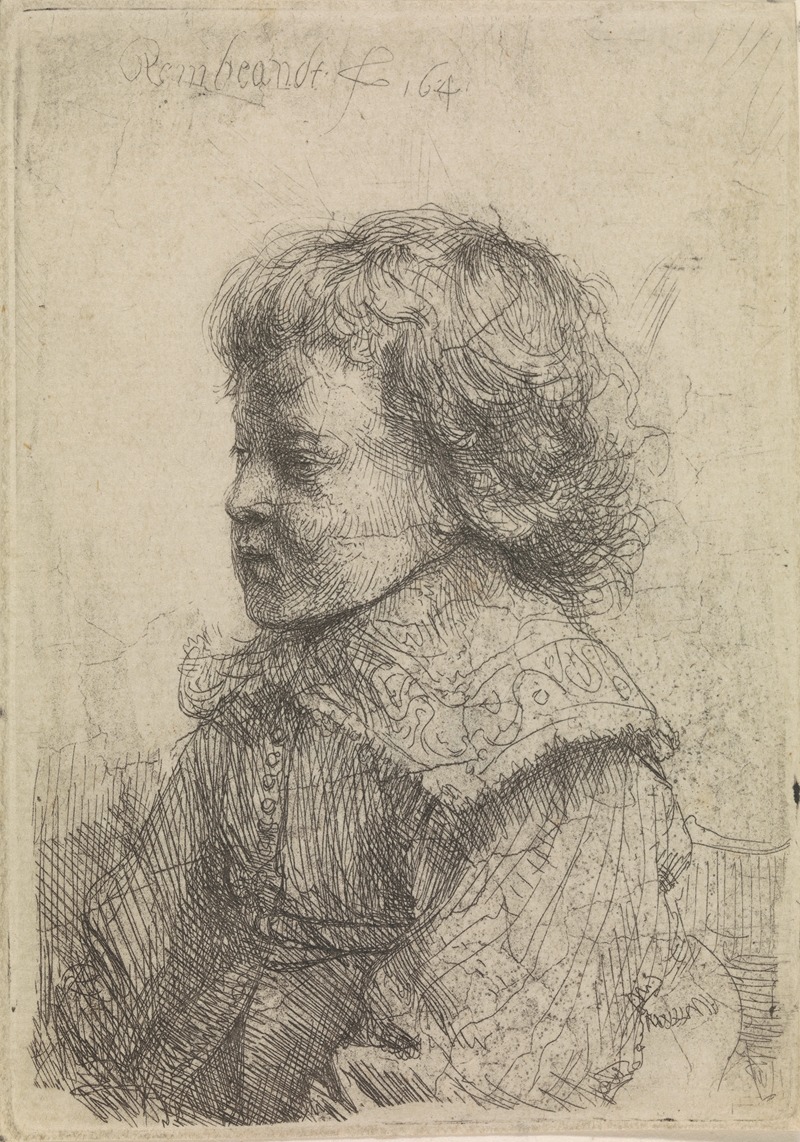
Portrait of a boy in profile
Rembrandt van Rijn
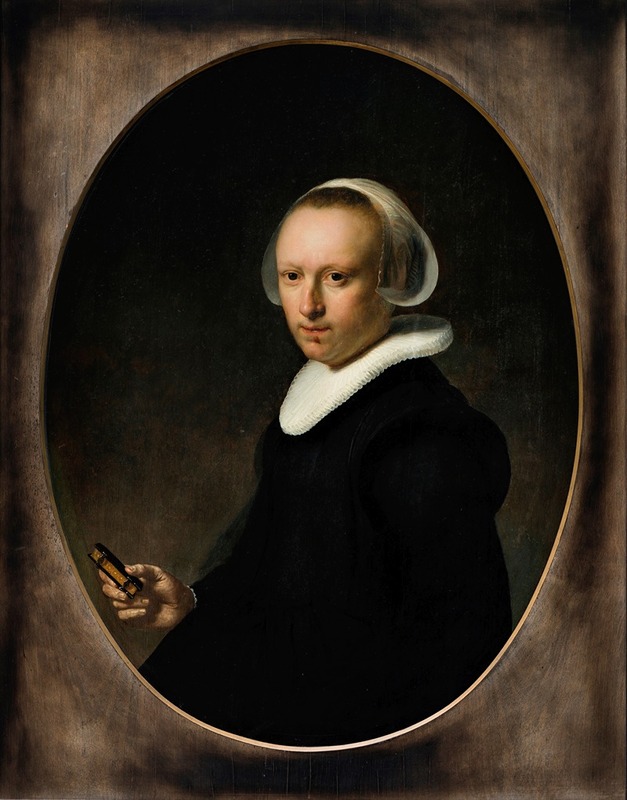
Portrait of a 39-year-old Woman
Rembrandt van Rijn
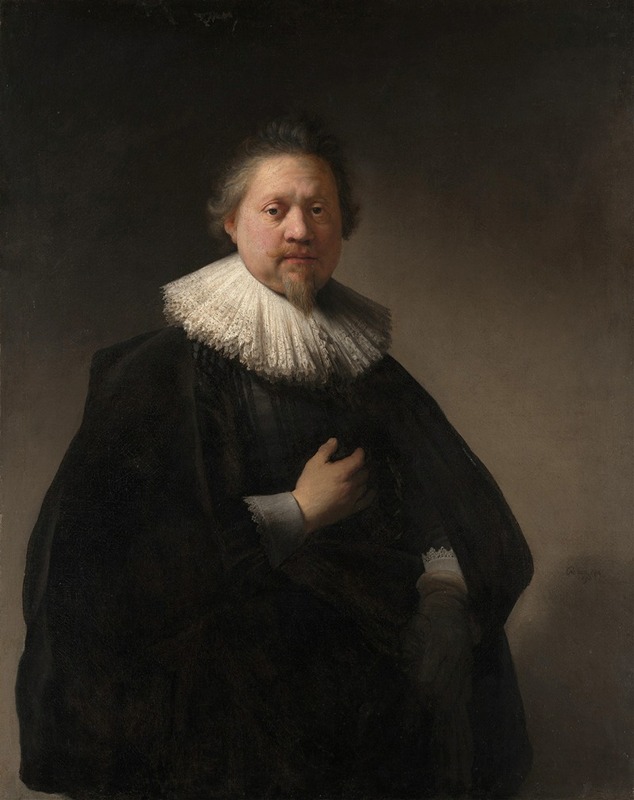
Portrait of a Man
Rembrandt van Rijn
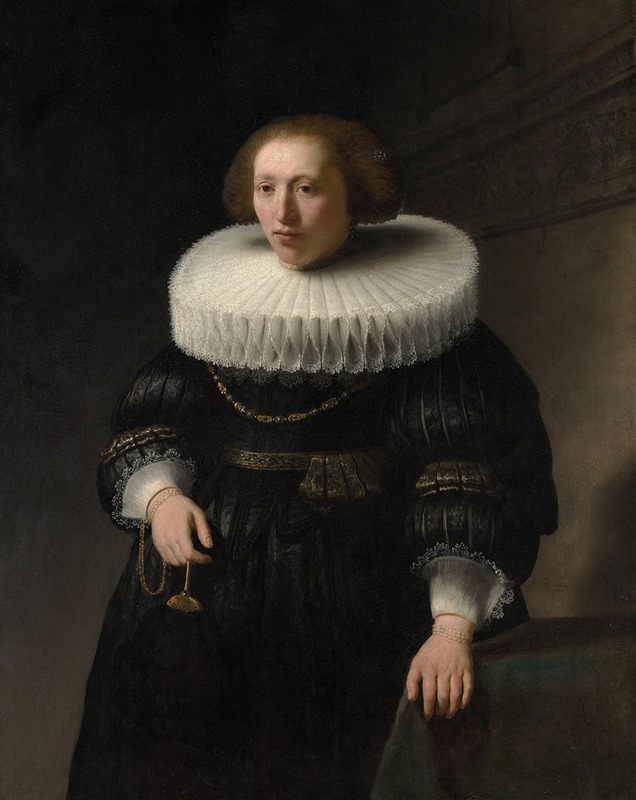
Portrait of a Woman
Rembrandt van Rijn
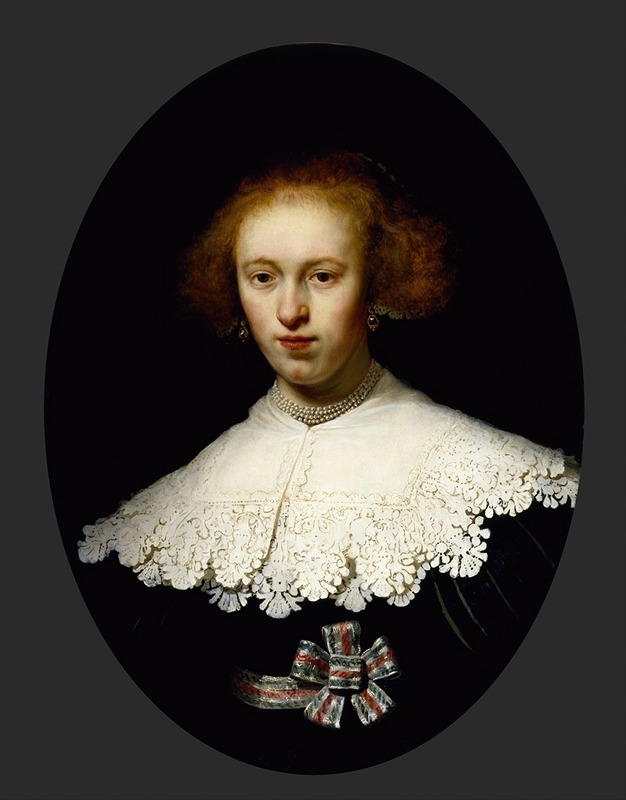
Portrait of a Young Woman
Rembrandt van Rijn
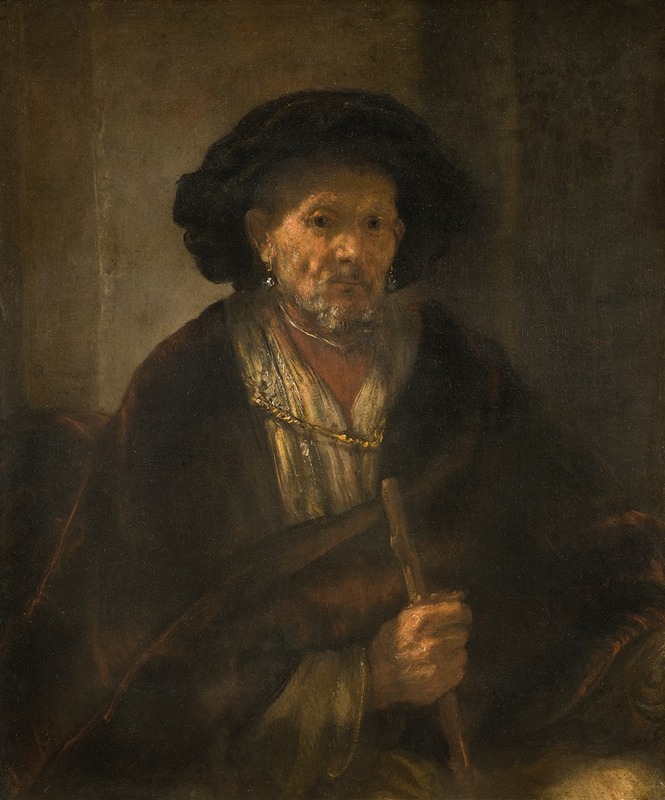
Portrait of an Old Man
Rembrandt van Rijn
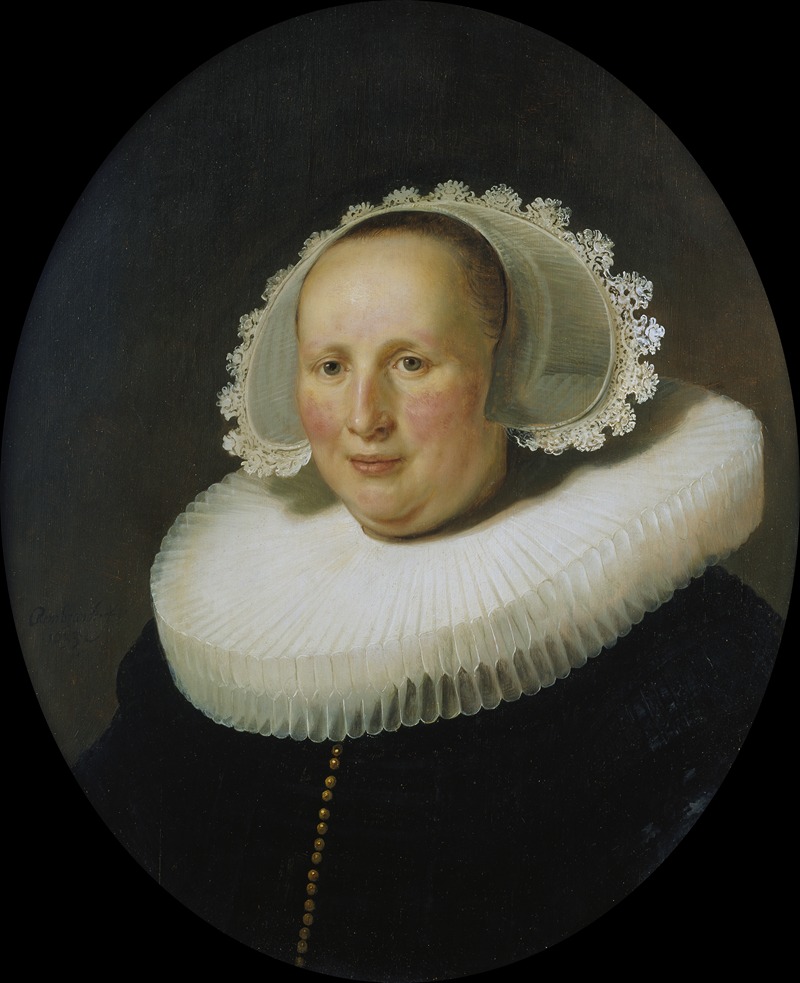
Portrait of Maertgen van Bilderbeecq
Rembrandt van Rijn
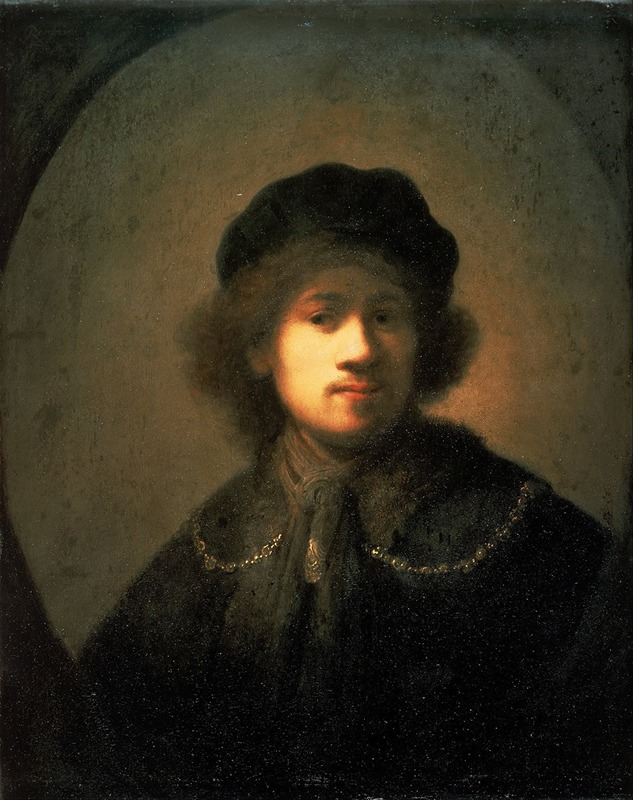
Portrait of the Artist as a Young Man
Rembrandt van Rijn