
Kaart van Suriname — History & Facts
In a world where longing often lingers unspoken, we find ourselves drawn to the intricate beauty of cartography, a medium that maps not just geography, but emotion itself. Look closely at the expansive landscape depicted in this map, where delicate lines and vibrant hues intertwine. Focus on the lush greens that denote the dense jungles, contrasting with the soft blues representing rivers that twist and flow like thoughts in a restless mind. Notice how the careful shading gives depth to the land, while the precise hand of the artist highlights both the excitement of discovery and the weight of the unknown. Delve deeper into the hidden tensions: the way the sweeping curves of the rivers seem to beckon the viewer to explore, yet the uncharted territories evoke a sense of isolation and yearning.
The cartographic symbols whisper of lost opportunities and undiscovered treasures, reflecting a duality of adventure and the pain of separation. Each detail speaks to a longing for connection, both to the land and to the stories it holds. In 1737, Alexander de Lavaux crafted this work during a period marked by European exploration and colonial ambition. Living in a time when maps were key to understanding and owning new worlds, he contributed to a growing obsession with the unknown.
This piece not only illustrates Suriname's geographic features but also embodies the age of exploration, capturing the essence of a world eager to be charted, yet fraught with the complexities of human desire and dreams.
More Historical Art
Browse all →
The Night Watch Militia Company of District II under the Command of Captain Frans Banninck Cocq
Rembrandt van Rijn
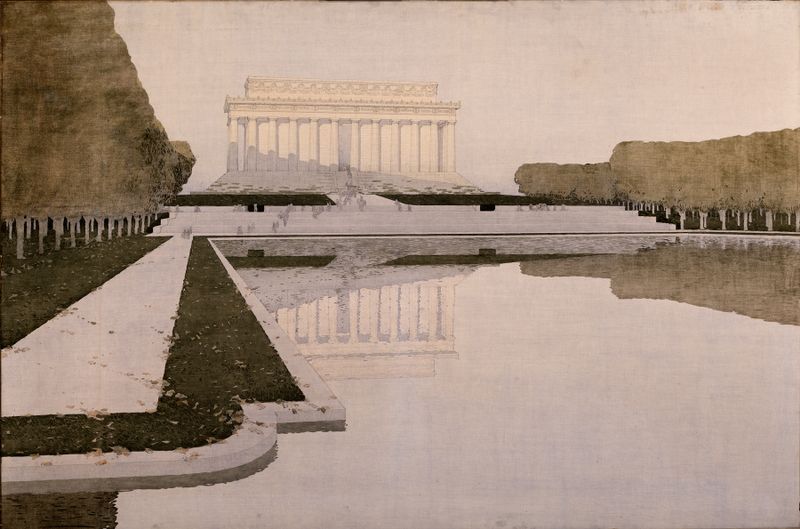
Lincoln Memorial
Henry Bacon
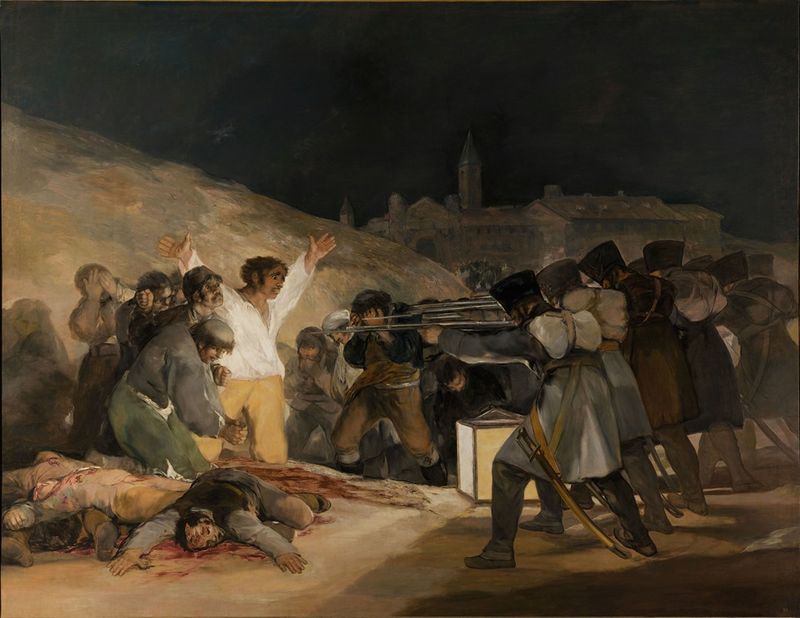
The Third of May 1808
Francisco de Goya

Isaac and Rebecca, Known as ‘The Jewish Bride’
Rembrandt van Rijn
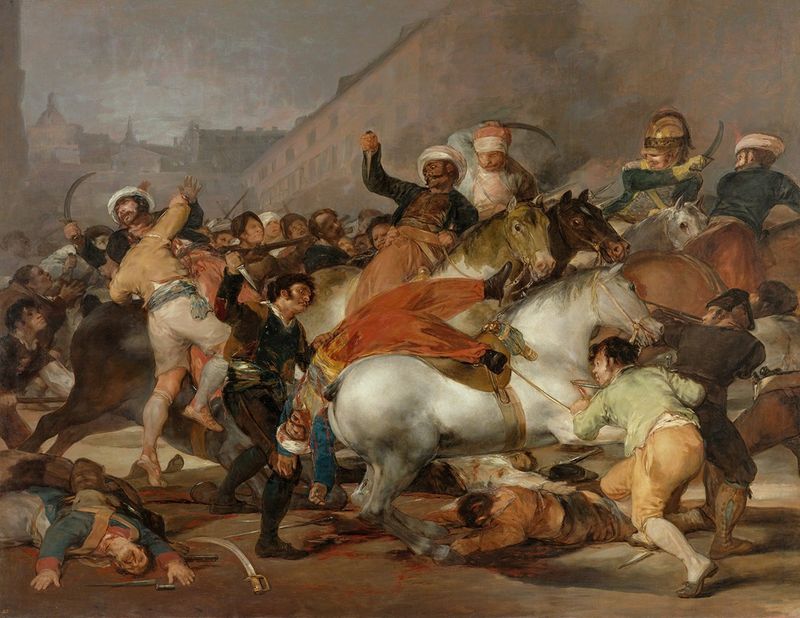
The Charge of the Mamelukes (1814)
Francisco de Goya
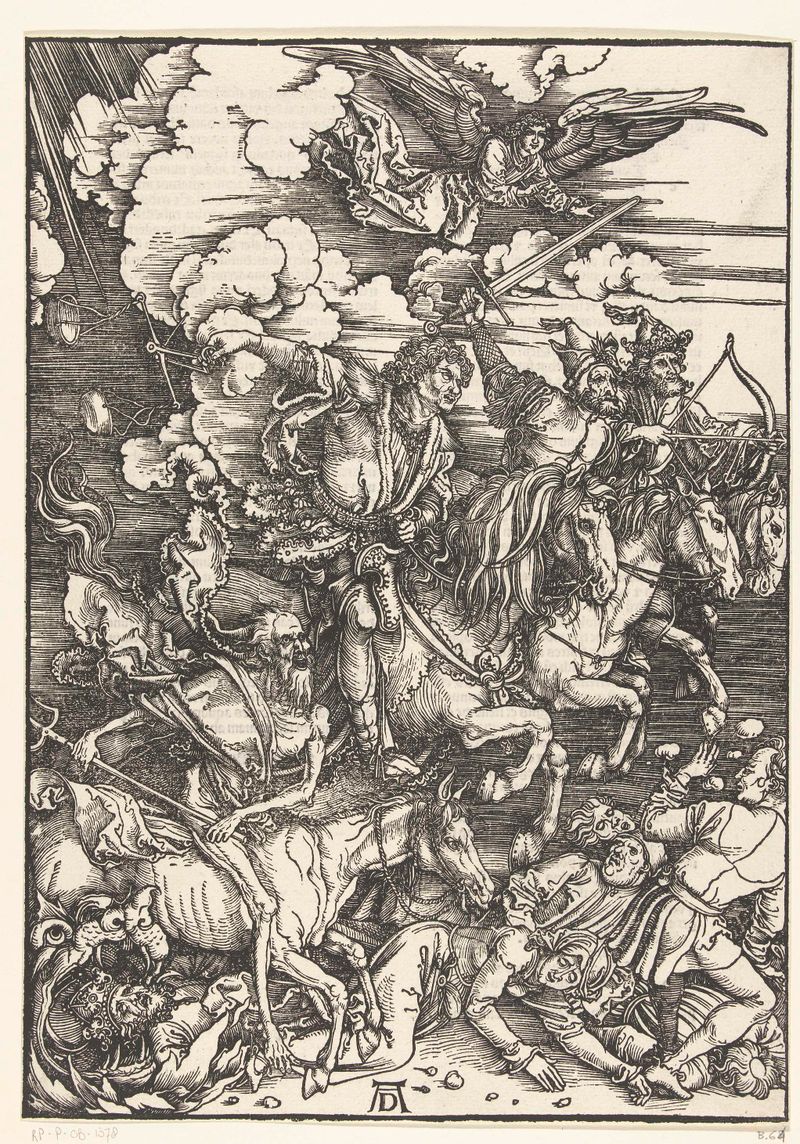
De vier ruiters van de apocalyps
Albrecht Dürer