
Kait Bey Moschee in Kairo — History & Facts
When did color learn to lie? In the delicate brushstrokes of the late nineteenth century, a truth emerges that dances on the edge of reality and illusion. Look to the center of the canvas, where the majestic silhouette of the Kait Bey Moschee rises against a backdrop of soft, sun-drenched hues. The warm ochres and gentle blues create a harmonious play of light and shadow, inviting you to explore each architectural detail. Notice how the light falls upon the intricate patterns adorning the mosque's dome, lending an ethereal quality that seems to breathe life into the sacred structure.
This careful orchestration of color and form captures a moment—static yet full of subtle movement. As you delve deeper, consider the interplay between tradition and modernity. The mosque stands not only as a testament to spiritual devotion but also as a symbol of the cultural currents swirling around it. Each ripple of color evokes a sense of nostalgia, contrasting the weight of history with the fleeting nature of contemporary life.
The serene sky serves as a reminder of the ephemeral, while the architectural elements ground the viewer in a reality that is both familiar and distant. In 1897, when this artwork was conceived, Fritz Hauck was immersed in the vibrant cultures of Cairo during a time of artistic transition. This period saw a growing fascination among Western artists with Eastern themes, as the world expanded and European artists sought inspiration from diverse sources. Hauck's work reflects this shift, capturing the melding of cultural influences while he navigated the complexities of identity and representation in art.
More Artworks by Fritz Hauck
Browse all →
Olivenbaumgruppe an einem italienischen See
Fritz Hauck
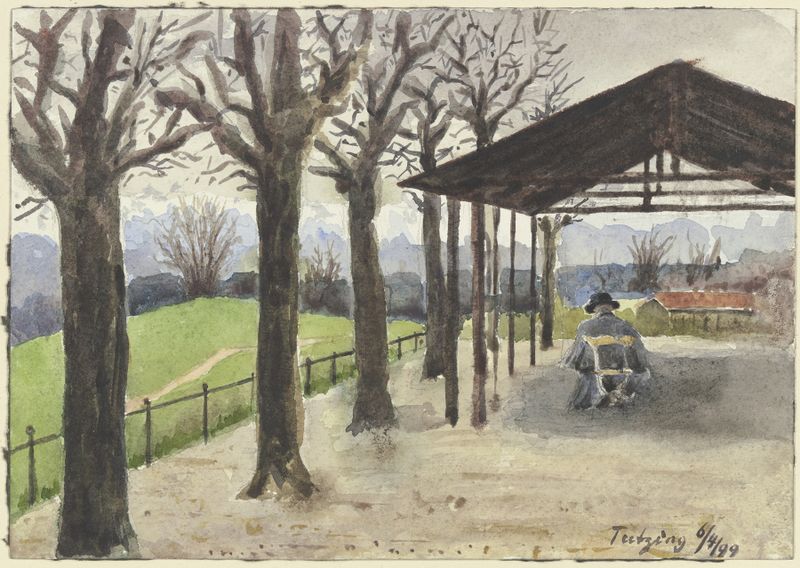
View from Tutzing
Fritz Hauck
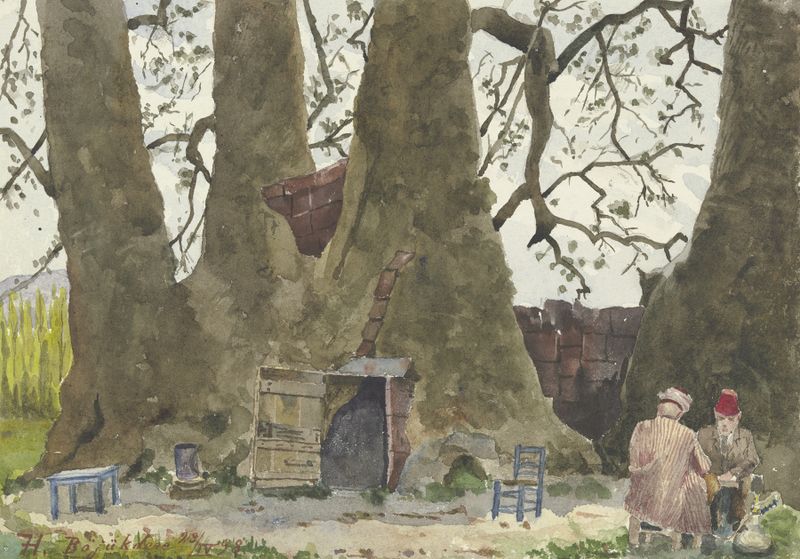
Zwei Araber vor einem Riesenbaum, der als Wohnung genutzt wird
Fritz Hauck
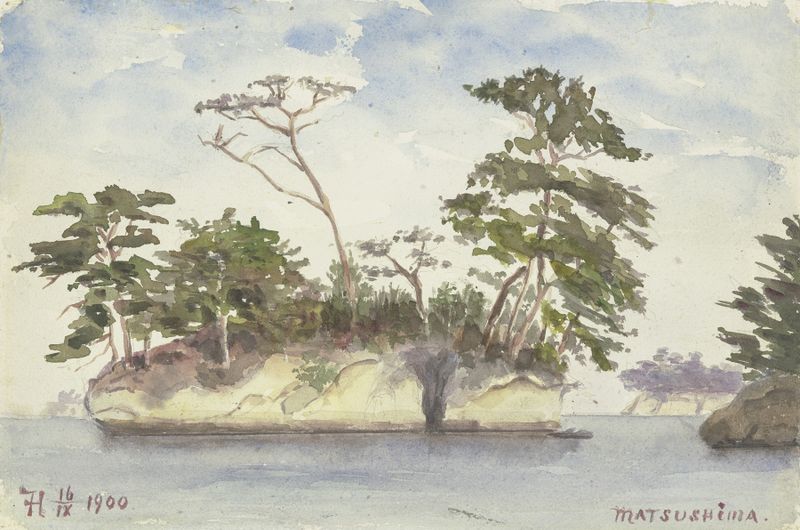
Group of islands off Matsushima
Fritz Hauck

Teilansicht von Jerusalem, Blick auf die Omar-Moschee
Fritz Hauck

Small island off Matsushima
Fritz Hauck
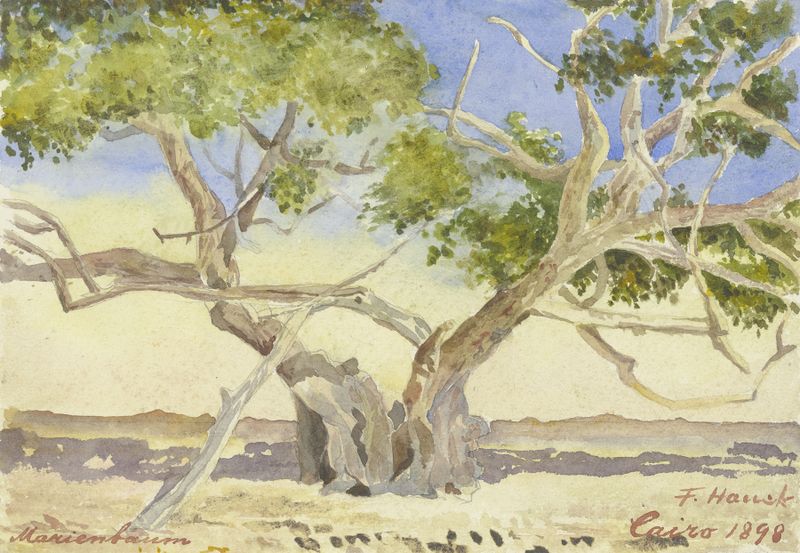
Mary’s tree near Cairo
Fritz Hauck

Küste von Feuerland mit Ortschaft, im Hintergrund Hochgebirge
Fritz Hauck
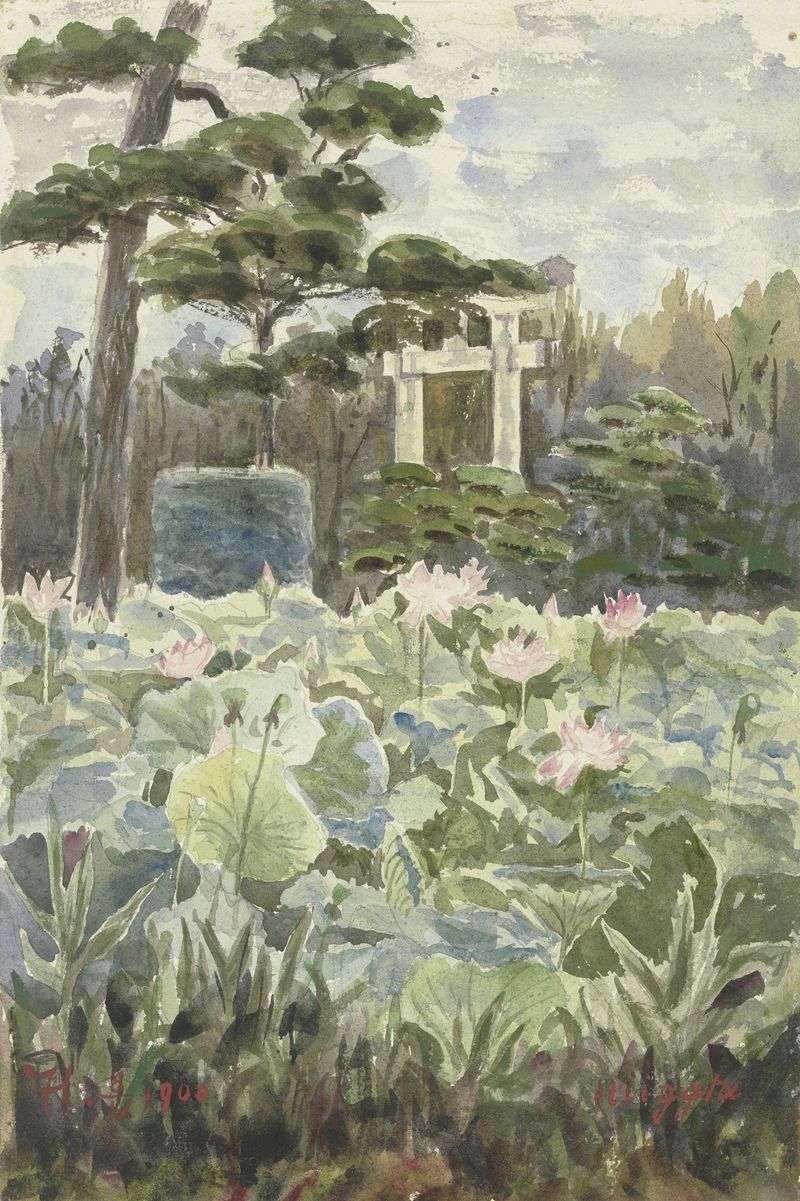
Partie eines japanischen Gartens
Fritz Hauck
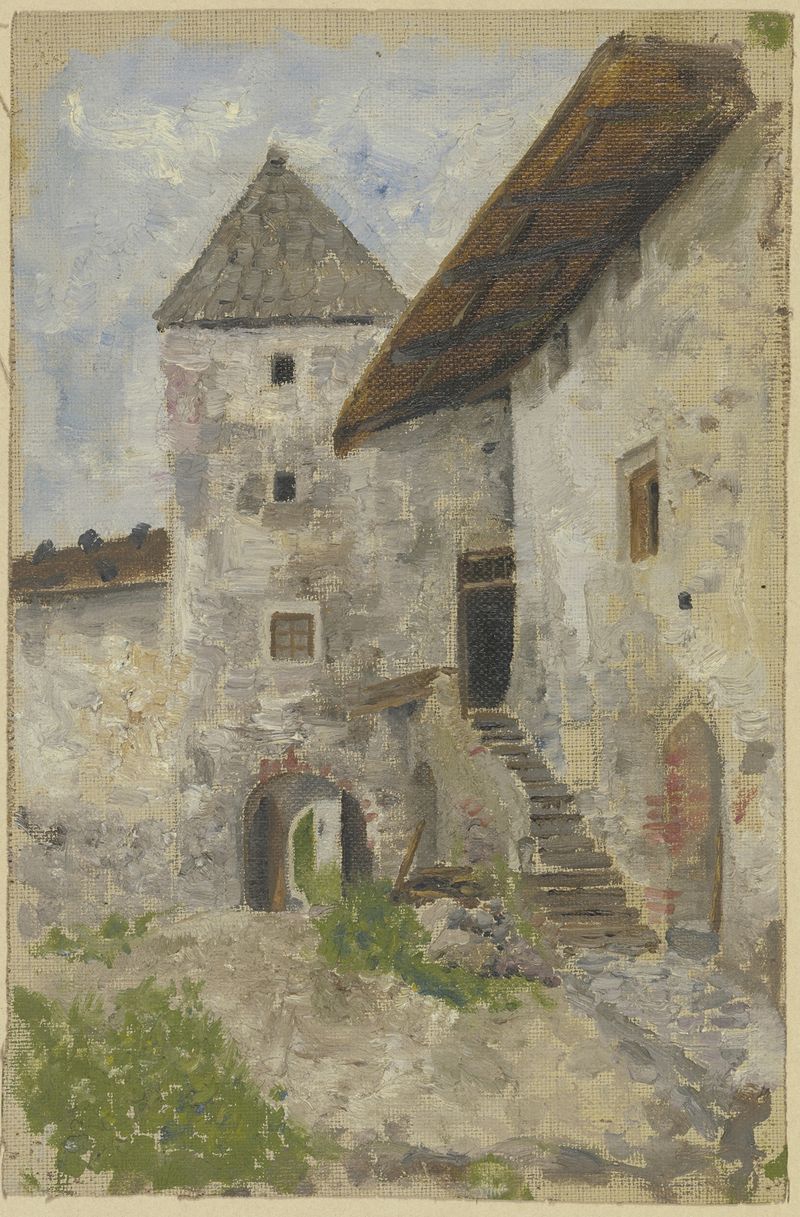
Tower of a city wall
Fritz Hauck
More Architecture Art
Browse all →
The statue of Liberty
Frédéric Auguste Bartholdi

View of Houses in Delft, Known as ‘The Little Street’
Johannes Vermeer

View of Houses in Delft, Known as ‘The Little Street’
Johannes Vermeer

The Cathedral in Rouen. The portal, Grey Weather
Claude Monet

The yellow house
Vincent van Gogh

The Church in Auvers-sur-Oise, View from the Chevet
Vincent van Gogh