
View from Tutzing — History & Facts
In the stillness of a landscape, movement lies beneath the surface, suggesting stories untold and feelings unexpressed. The quietness of nature often speaks volumes, echoing the complexity of our own hearts. Look to the horizon where the tranquil waters of Lake Starnberg stretch infinitely, kissed by a gentle breeze. The painter captures the soft interplay of light across the water's surface, creating a shimmering dance of reflections.
Notice how the muted palette, rich in soft blues and greens, evokes a sense of serenity, contrasting with the energetic brushstrokes that suggest the rustling of leaves and the fleeting whispers of the wind. In this scene, the contrasting elements of stillness and movement invite contemplation. The boats anchored near the shore symbolize both leisure and the passage of time, while the distant mountains stand as silent witnesses to countless moments of life. Each element seems to pulse with an unspoken narrative, suggesting deeper connections between humanity and nature, and how each moment holds a transient beauty that is both cherished and ephemeral. In 1899, the artist found inspiration in Tutzing, a small town along Lake Starnberg in Germany.
During this period, Hauck was immersed in the burgeoning art movements of Impressionism, seeking to express the subtleties of light and atmosphere. The world around him was simultaneously experiencing the tensions of modernization and the enduring beauty of nature, a duality he poignantly captured in this landscape.
More Artworks by Fritz Hauck
Browse all →
Olivenbaumgruppe an einem italienischen See
Fritz Hauck
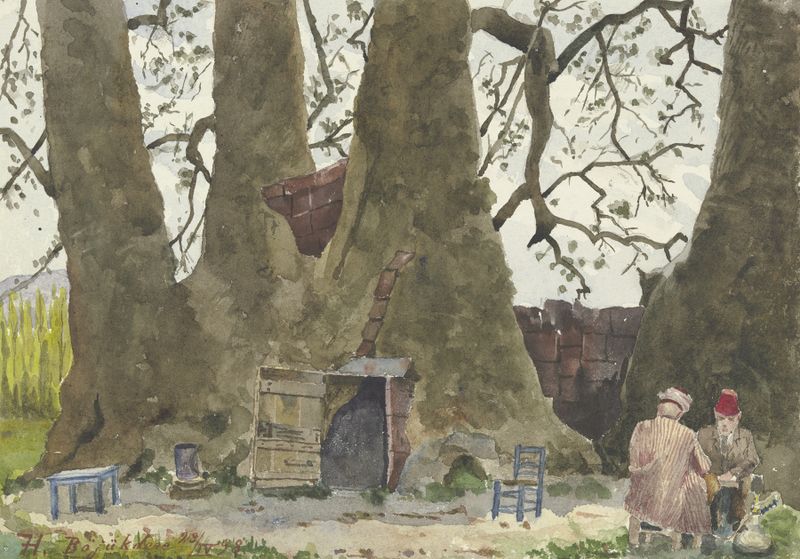
Zwei Araber vor einem Riesenbaum, der als Wohnung genutzt wird
Fritz Hauck
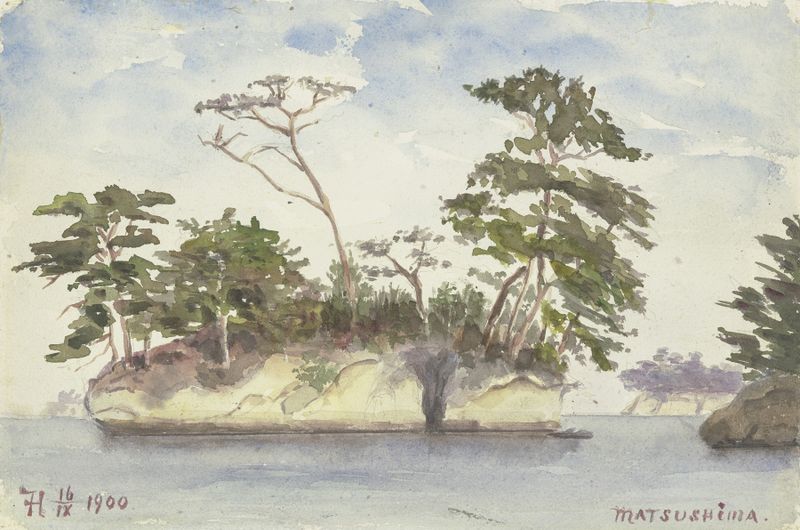
Group of islands off Matsushima
Fritz Hauck

Teilansicht von Jerusalem, Blick auf die Omar-Moschee
Fritz Hauck

Small island off Matsushima
Fritz Hauck
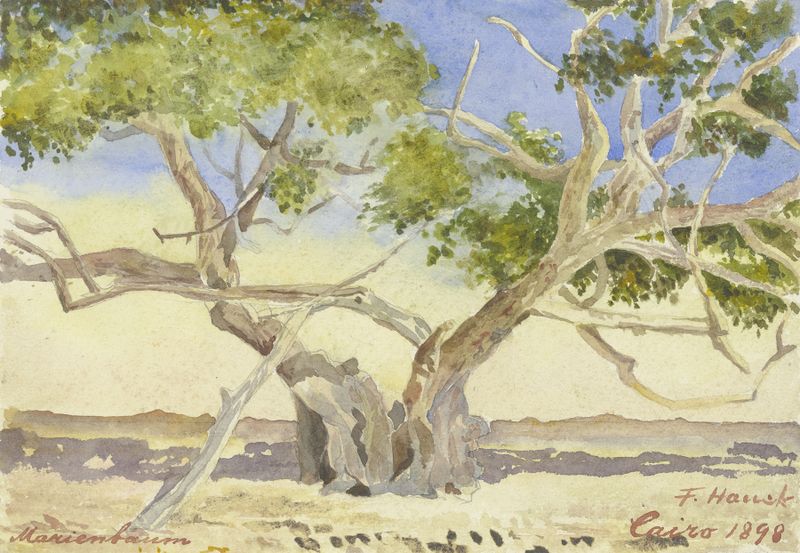
Mary’s tree near Cairo
Fritz Hauck

Küste von Feuerland mit Ortschaft, im Hintergrund Hochgebirge
Fritz Hauck
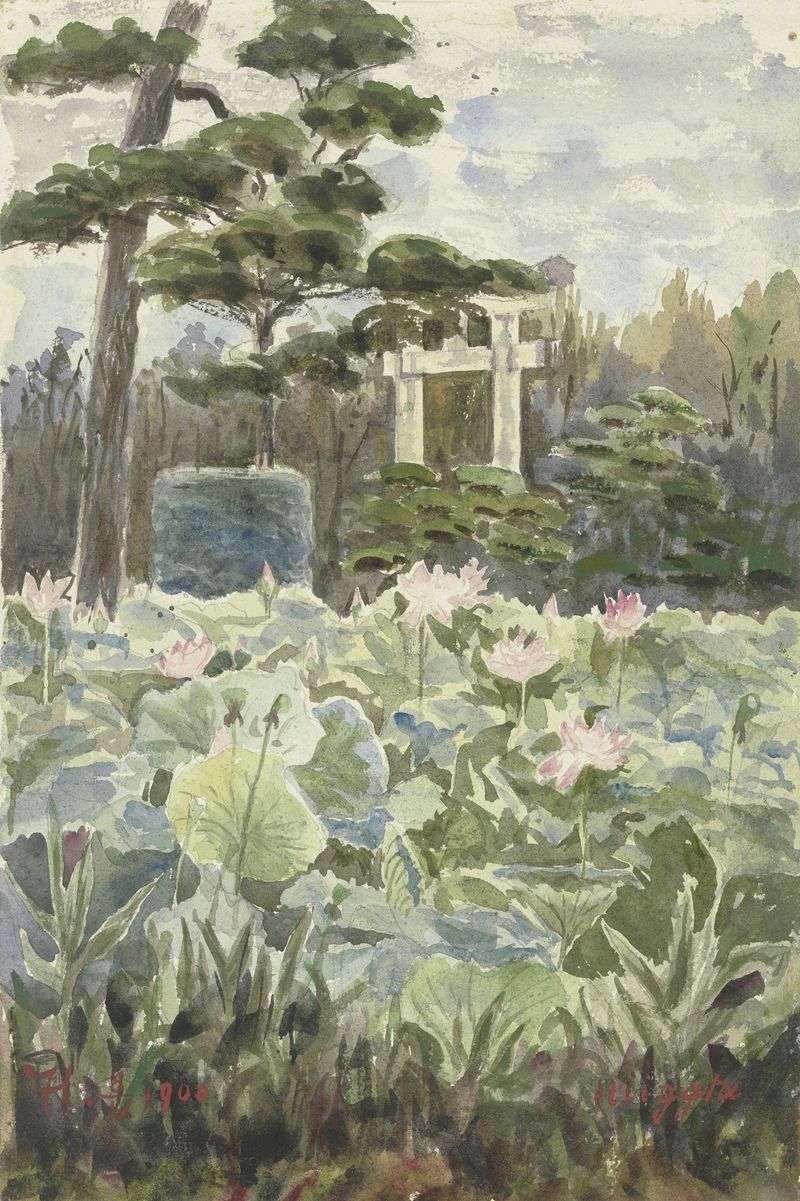
Partie eines japanischen Gartens
Fritz Hauck
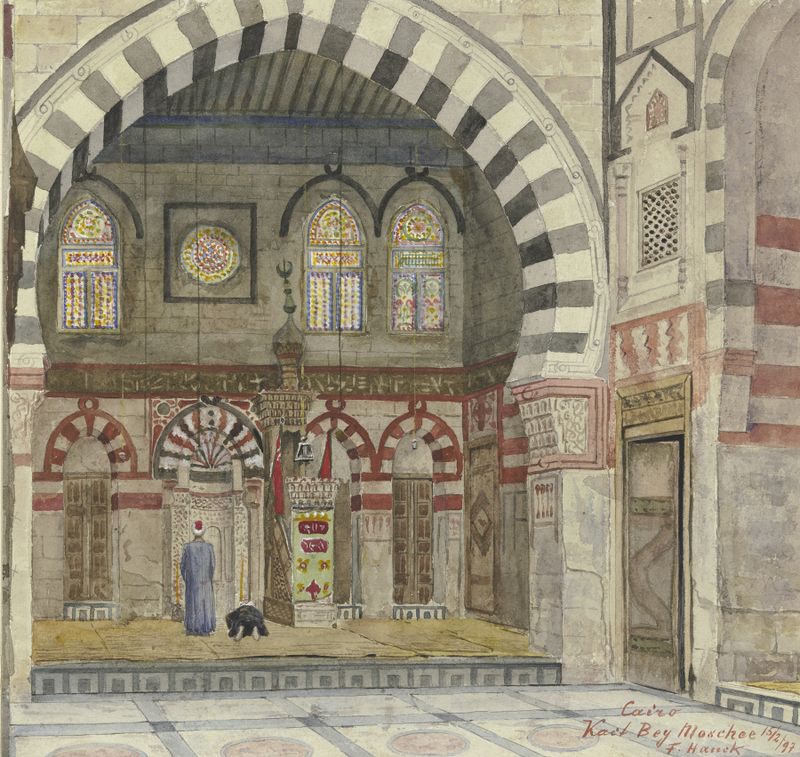
Kait Bey Moschee in Kairo
Fritz Hauck
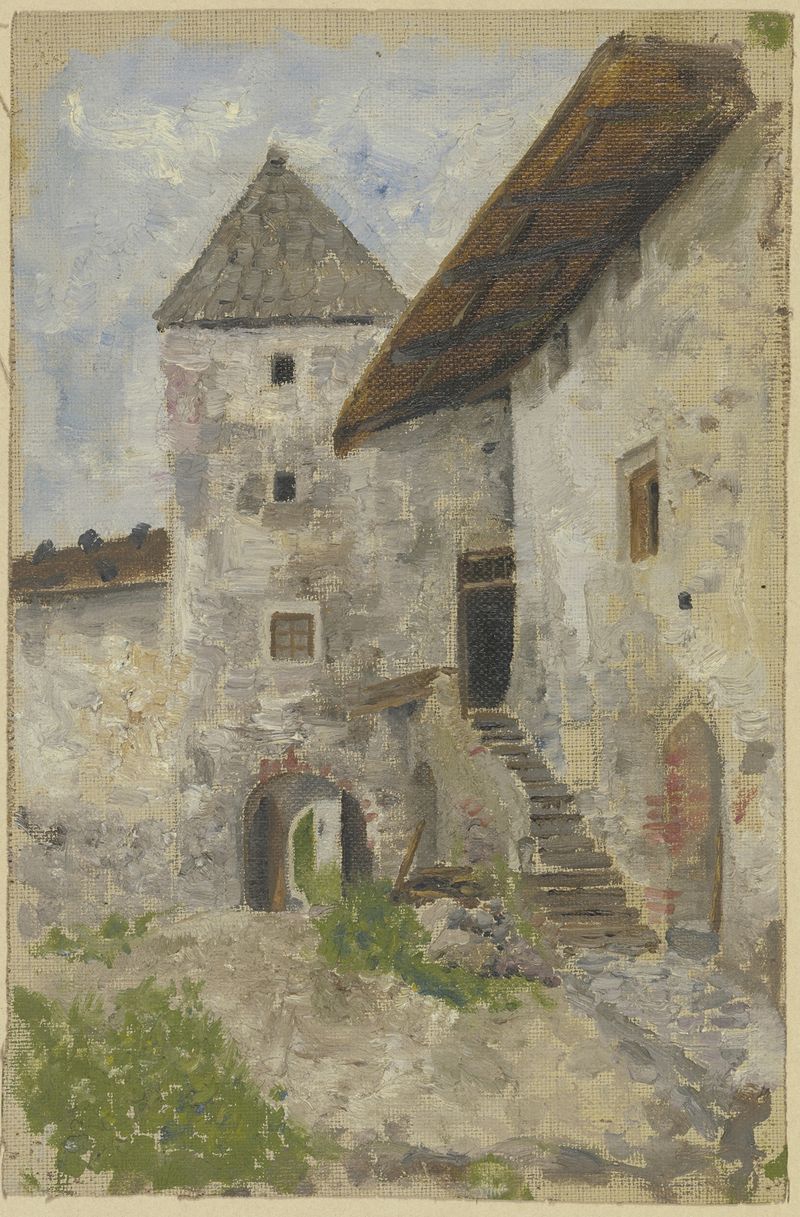
Tower of a city wall
Fritz Hauck





