
Mary’s tree near Cairo — History & Facts
Within the stillness of this painting, a profound sense of loss lingers, echoing the whispers of memory and the weight of absence. Look to the left at the gnarled branches of the tree, their twisted forms reaching skyward as if yearning for something just beyond grasp. The muted palette of ochres and greens envelops the scene, casting shadows that dance softly along the ground, while dappled sunlight filters through the foliage, adding a layer of nostalgia. The composition guides your gaze across the landscape, inviting contemplation of the delicate interplay between life and decay. Beneath the surface, there exists a tension between the vibrant life of the tree and the desolation of the surrounding emptiness.
The juxtaposition of light and shadow reflects the duality of hope and sorrow, suggesting that even in stillness, life moves forward while carrying the weight of what has been lost. Each brushstroke captures a moment suspended in time, compelling the viewer to reflect on personal experiences of separation and longing. Fritz Hauck painted this work in 1898, during a period marked by both personal trials and the broader shifts in the art world. At this time, Hauck was exploring themes of nature and identity, influenced by the Symbolist movement, which sought to convey deeper emotional truths.
The late 19th century was a time of transition, as artists began to grapple with the complexities of modern life, and Hauck’s portrayal of the tree offers a glimpse into the quiet yet profound narratives that define our existence.
More Artworks by Fritz Hauck
Browse all →
Olivenbaumgruppe an einem italienischen See
Fritz Hauck
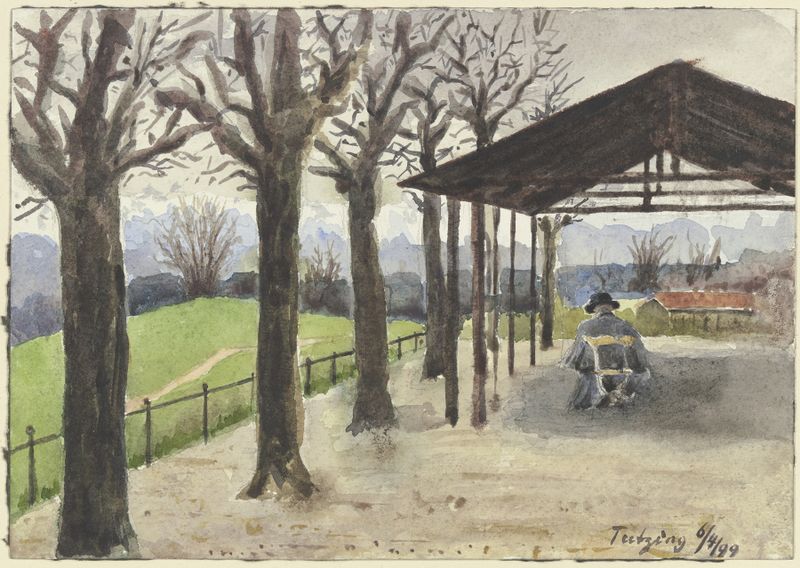
View from Tutzing
Fritz Hauck
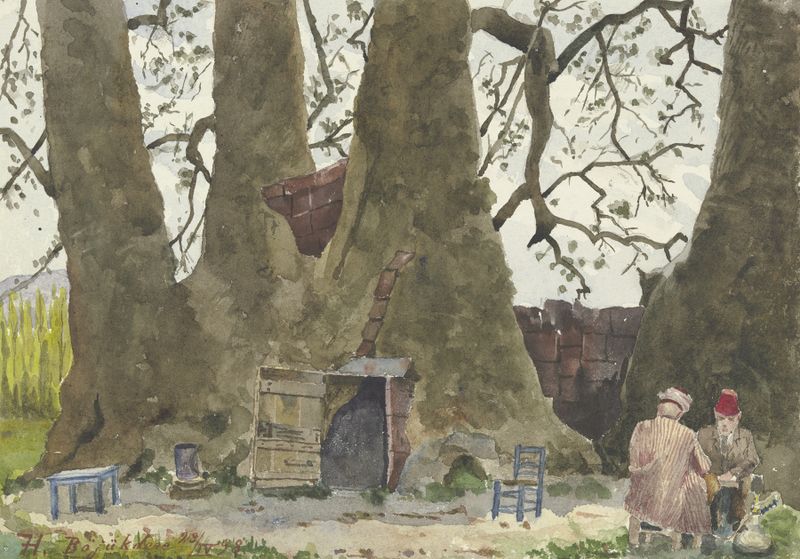
Zwei Araber vor einem Riesenbaum, der als Wohnung genutzt wird
Fritz Hauck
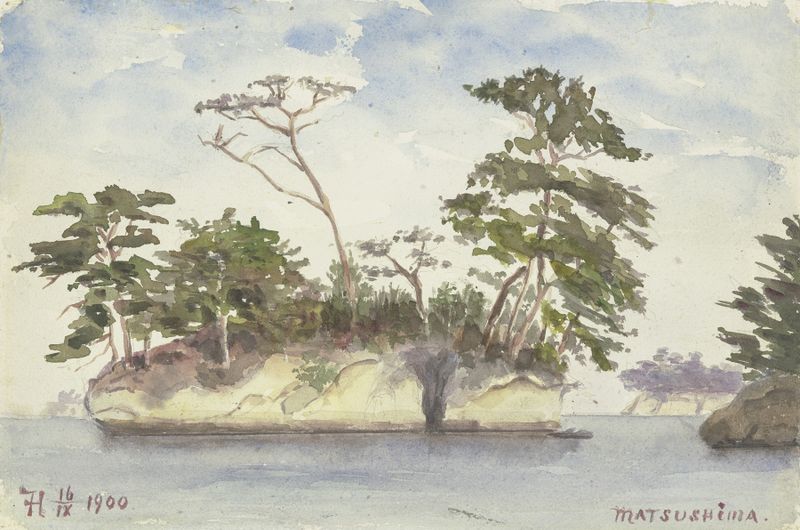
Group of islands off Matsushima
Fritz Hauck

Teilansicht von Jerusalem, Blick auf die Omar-Moschee
Fritz Hauck

Small island off Matsushima
Fritz Hauck

Küste von Feuerland mit Ortschaft, im Hintergrund Hochgebirge
Fritz Hauck
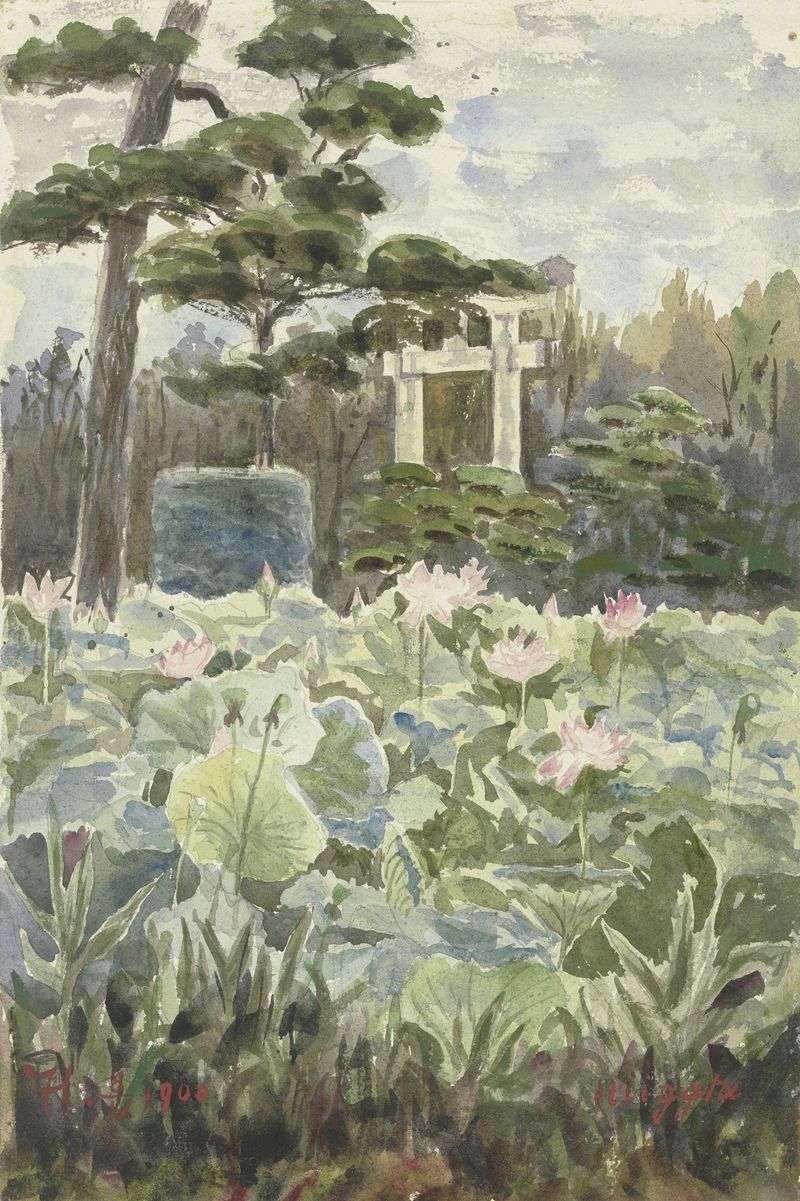
Partie eines japanischen Gartens
Fritz Hauck
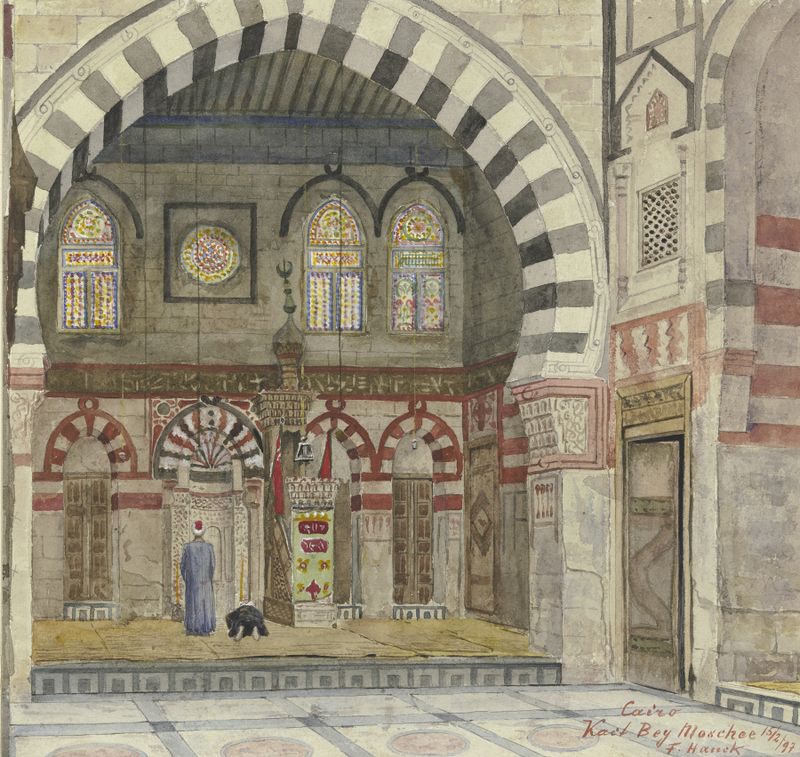
Kait Bey Moschee in Kairo
Fritz Hauck
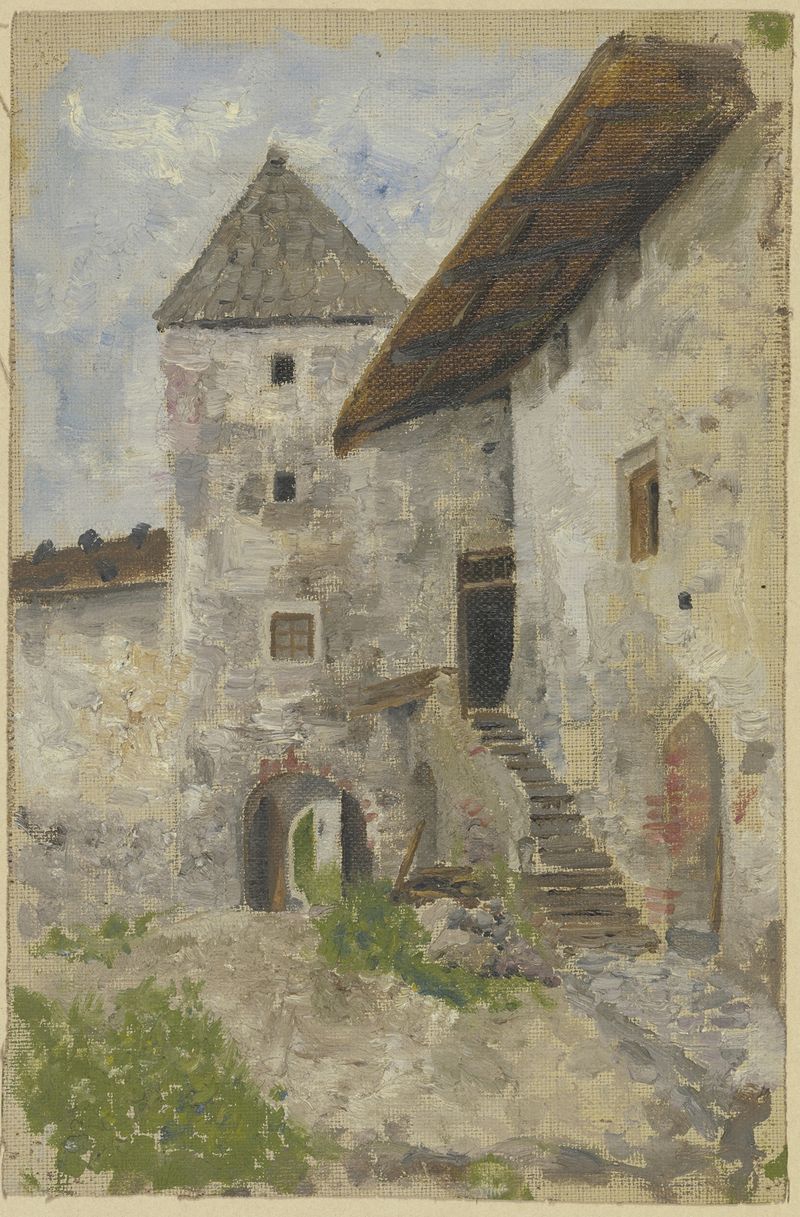
Tower of a city wall
Fritz Hauck





