
Kakegawa — History & Facts
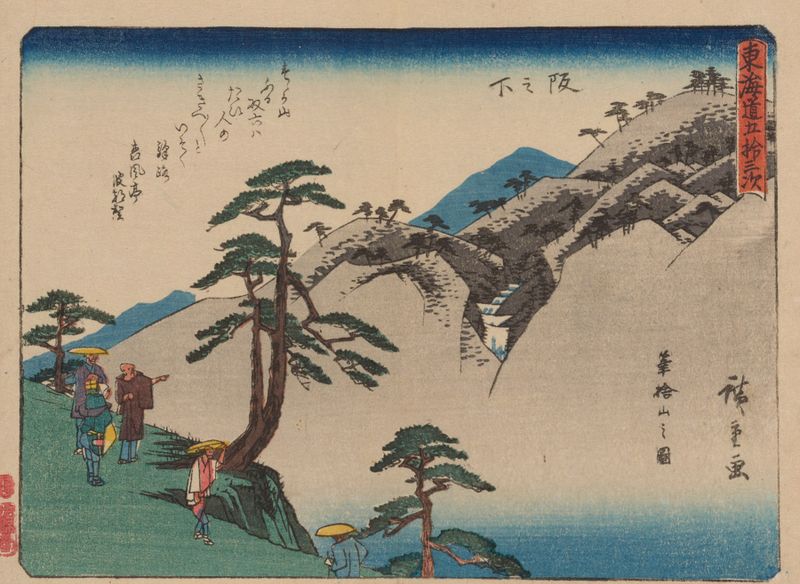
In the delicate whispers of nature, innocence is captured, suspended in time and space, inviting an unhurried gaze. Look to the foreground, where the tranquil river unfolds like a silk ribbon, reflecting the soft hues of twilight. Notice how the gentle curves of the banks cradle the water, drawing your eye toward the horizon where mountains rise, their silhouettes softened by a haze. The palette of blues, greens, and warm earth tones envelops the scene, each brushstroke meticulously layered to evoke a sense of harmony, as though the landscape breathes alongside its viewer. In the background, subtle contrasts emerge.
The tranquility of the water is juxtaposed with the distant mountains, suggesting both serenity and the looming weight of nature's vastness. The carefully placed figures, seemingly dwarfed against the expansive setting, embody a poignant innocence, their simple interaction with the environment hinting at a deeper connection to the world around them. Here, the silence is palpable, infused with untold stories and the weight of introspection, allowing the viewer to reflect on their own place within this serene tableau. Created in 1855 during a time of transition in Japan, the artist was deeply engaged with the ukiyo-e movement, focusing on landscapes that celebrated the beauty of nature.
As the nation faced modernization and societal shifts, this particular piece illustrates not only the artist's mastery of form and color but also a yearning for the untainted simplicity of life before industrial encroachment.
More Artworks by Utagawa Hiroshige
Browse all →
Sudden Shower over Shin Ohashi Bridge and Atake (Ohashi Atake no yudachi), from the series "One Hundred Famous Views of Edo (Meisho Edo hyakkei)"
Utagawa Hiroshige
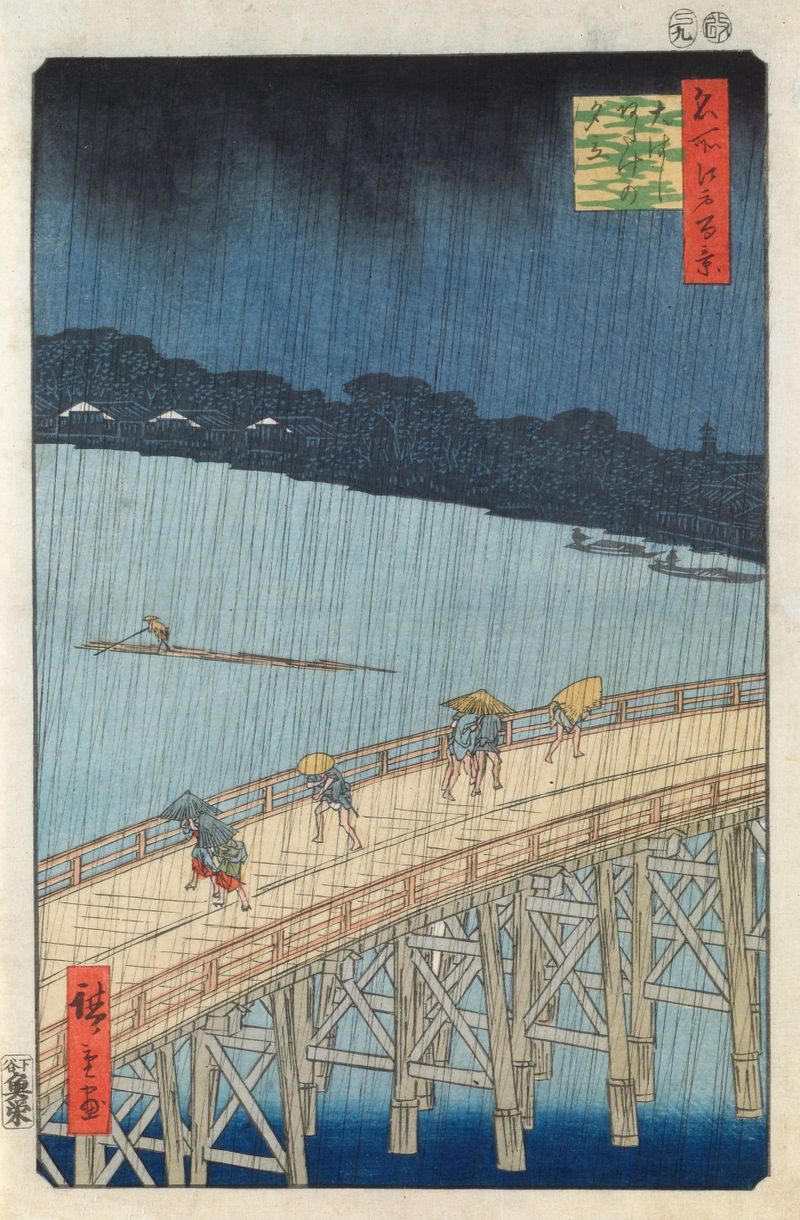
Sudden Shower Over Ohashi Bridge and Atake
Utagawa Hiroshige
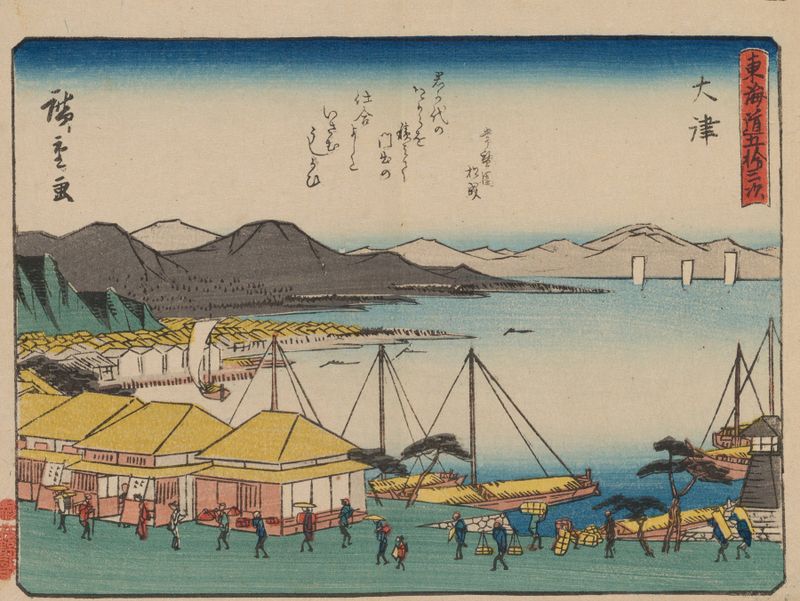
Tokaido gojusantsugi, Pl.54
Utagawa Hiroshige
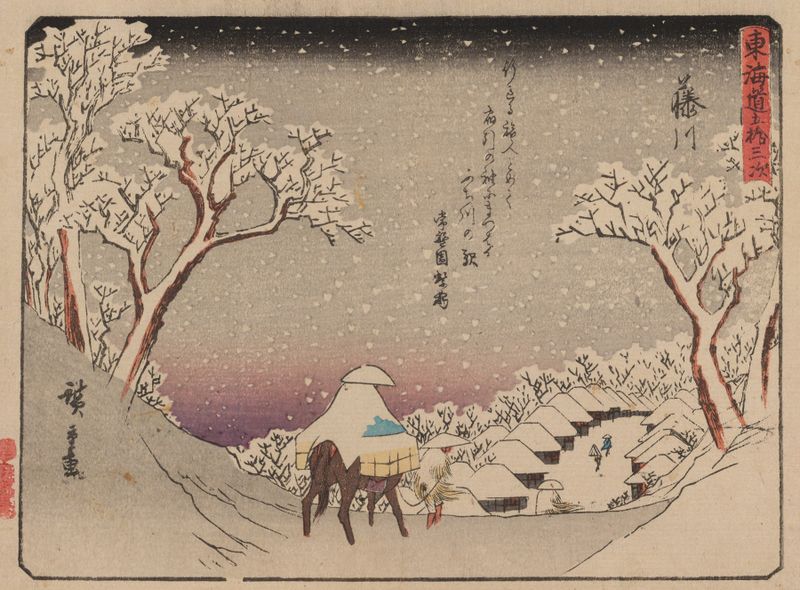
Tokaido gojusantsugi, Pl.38
Utagawa Hiroshige
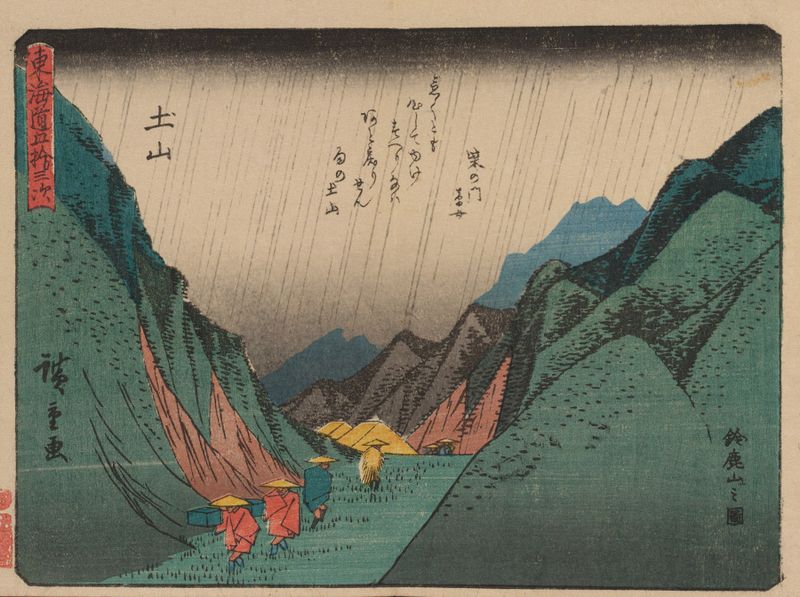
Tokaido gojusantsugi, Pl.50
Utagawa Hiroshige
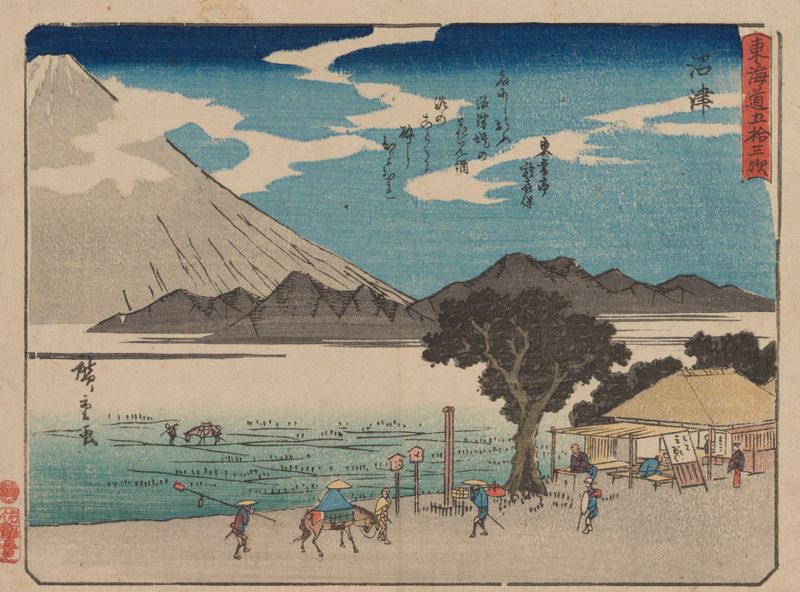
Tokaido gojusantsugi, Pl.13
Utagawa Hiroshige
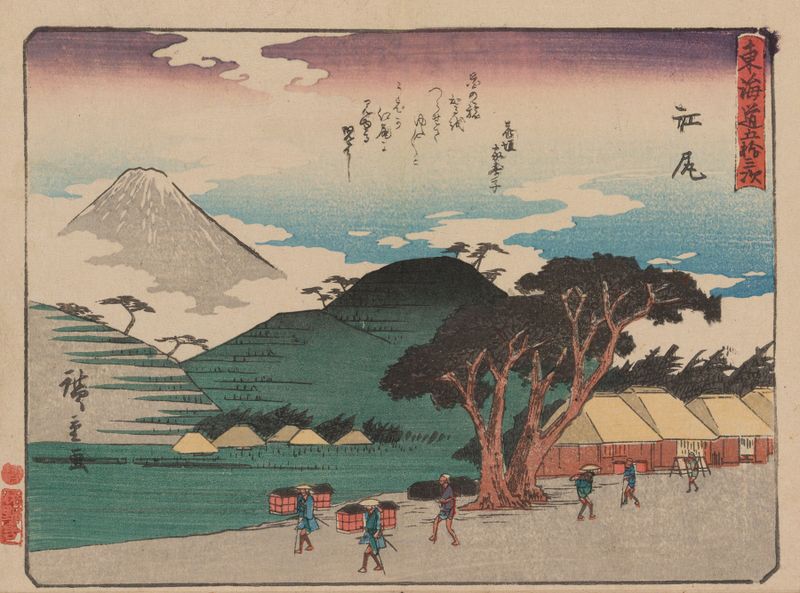
Tokaido gojusantsugi, Pl.19
Utagawa Hiroshige
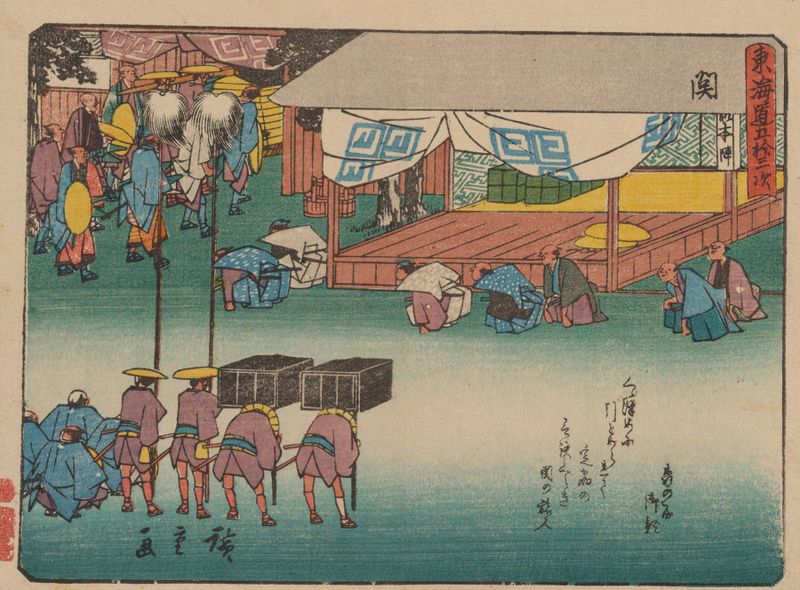
Tokaido gojusantsugi, Pl.48
Utagawa Hiroshige
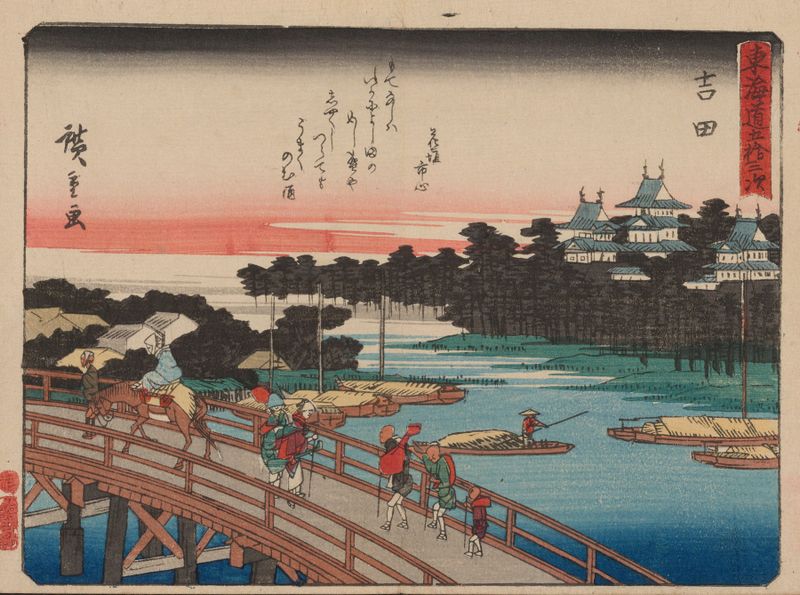
Tokaido gojusantsugi, Pl.35
Utagawa Hiroshige
Tokaido gojusantsugi, Pl.49
Utagawa Hiroshige





