
Kaïn doodt Abel — History & Facts
What if beauty was never meant to be finished? In Kaïn doodt Abel, Jan Lievens encapsulates a haunting moment that questions the very essence of human connection and the void left in its wake. The stark confrontation between brothers speaks volumes about jealousy, betrayal, and the tragic consequences of their actions, reverberating through history. Look to the intense expressions on the faces of the figures, both raw and gripping. Notice how light dramatically illuminates Cain's face, casting shadows that deepen the lines of anger and despair etched into his features.
The muted earth tones evoke a somber atmosphere, while the contrasting brightness of Abel’s figure lies in stark juxtaposition, emphasizing the finality of his fate. The composition draws the eye to the moment of violence, yet it is the surrounding darkness that amplifies the emotional gravity of the scene. Lievens captures not only the action but also the underlying currents of familial loyalty and the devastating impact of unchecked rage. The tension between the brothers is palpable, underscored by the emptiness of the space surrounding them—a void that signifies the loss of innocence and the irreversible fracture in their bond.
This emptiness invites contemplation of the broader themes of morality and consequence, extending beyond the canvas into the viewer's psyche. Created in the 17th century, during Lievens' time in the Netherlands, Kaïn doodt Abel reflects the artist's engagement with the Baroque movement, characterized by dramatic use of light and shadow. As he navigated his own career amidst the evolving art scene, Lievens sought to explore the human condition, drawing inspiration from religious narratives while also making a poignant commentary on the nature of humanity itself.
More Artworks by Jan Lievens
Browse all →
Portret van Joost van den Vondel
Jan Lievens
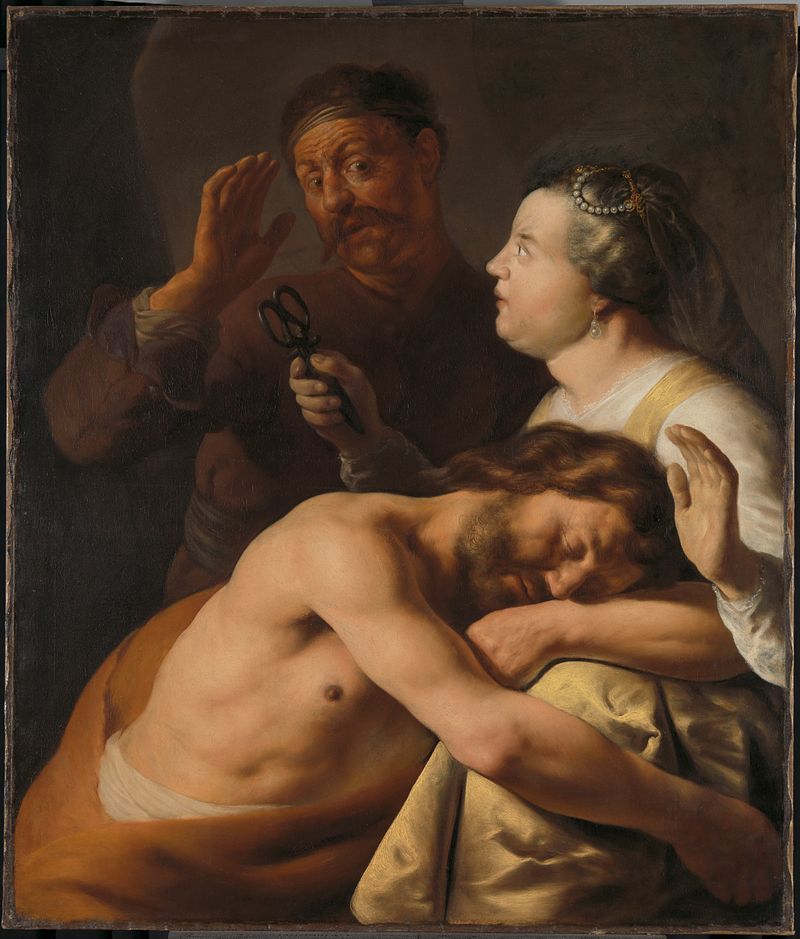
Samson and Delilah
Jan Lievens

Portret van Joost van den Vondel
Jan Lievens
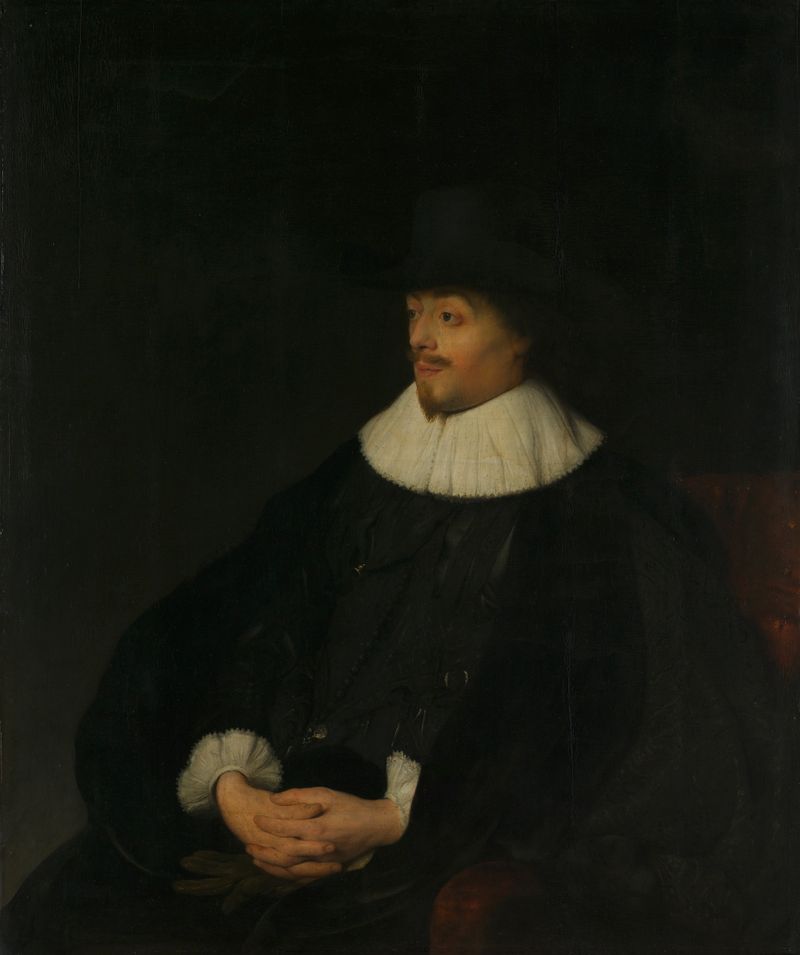
Portrait of Constantijn Huygens
Jan Lievens
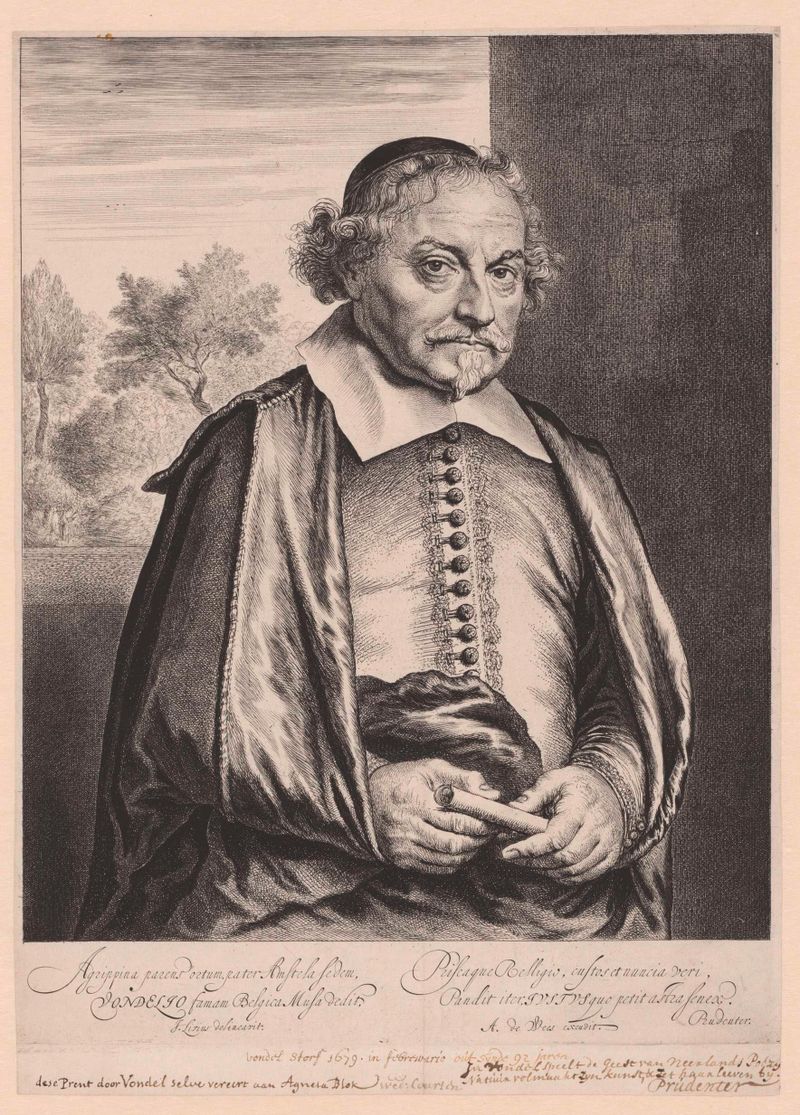
Portret van Joost van den Vondel
Jan Lievens

Portret van Joost van den Vondel
Jan Lievens

Christ Washing the Disciples' Feet
Jan Lievens
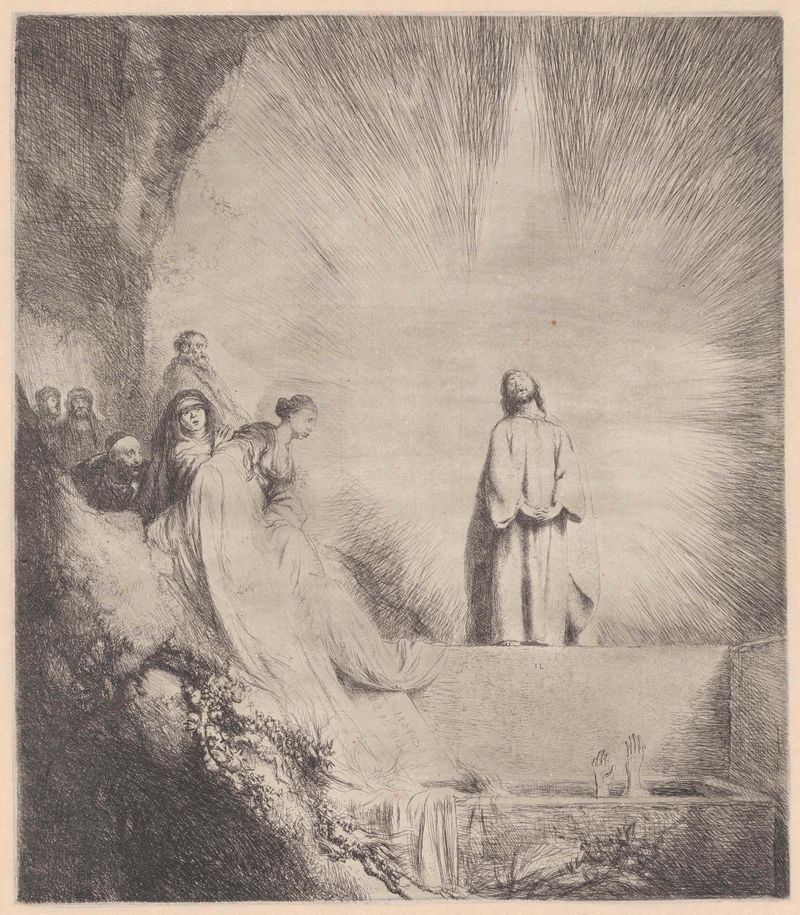
Opwekking van Lazarus
Jan Lievens
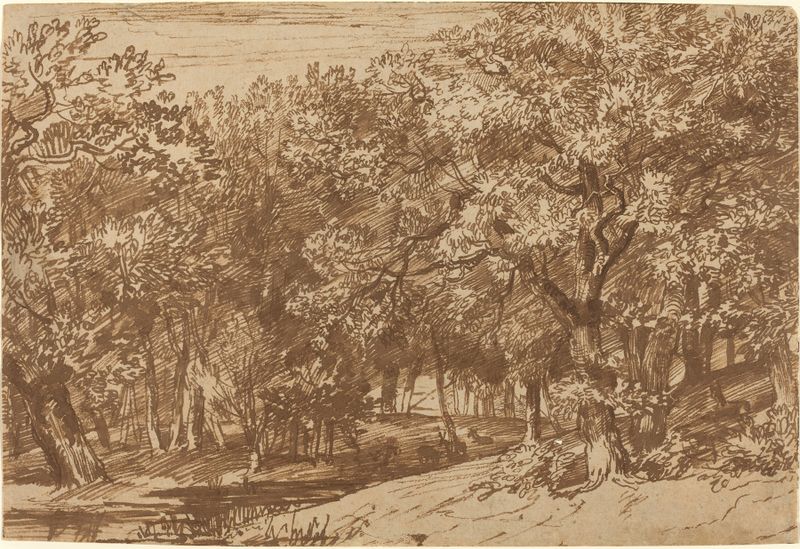
Deer Park
Jan Lievens
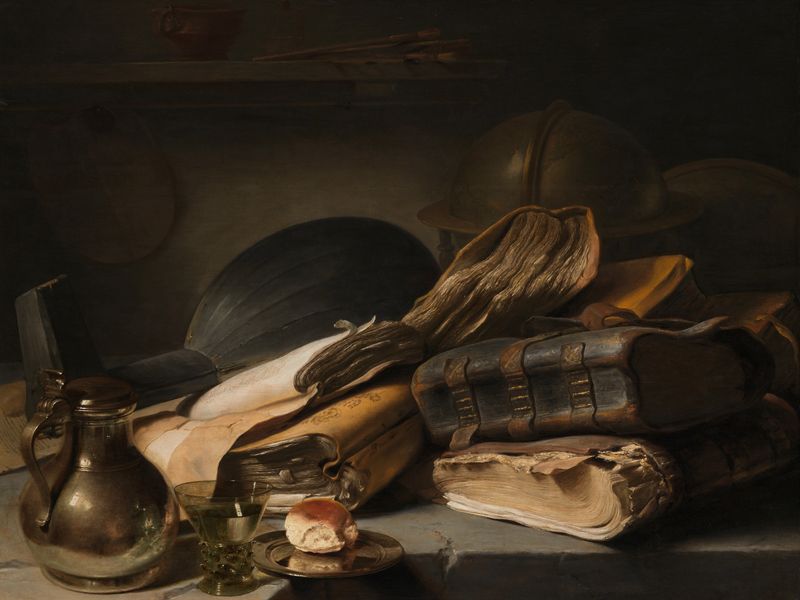
Still Life with Books
Jan Lievens
More Religious Art
Browse all →
The Return of the Prodigal Son
Rembrandt van Rijn

The Garden of Earthly Delights
El Bosco

Count Orgaz’ funeral
El Greco

The Hundred Guilder Print: the central piece with Christ preaching, the plate arched
Rembrandt van Rijn

The Descent from the Cross
Rogier van der Weyden

The return of the prodigal son
Rembrandt van Rijn