
Kanaal — History & Facts
In the quiet depths of Kanaal, an unsettling fear lingers beneath the tranquil surface, inviting viewers to confront their own anxieties and secrets. Focus on the gentle flow of water at the center of the painting, where reflections dance like whispers, hinting at unspoken truths. Notice how the muted palette of greens and blues cultivates a somber atmosphere, while the jagged lines of the canal's edges invoke a sense of confinement. The delicate interplay of light and shadow plays tricks on the mind, emphasizing the emotional weight of the scene. As you explore further, observe the solitary figures along the bank, their postures revealing an unspoken tension.
One figure gazes into the depths, perhaps searching for a reflection of their own soul, while another seems to withdraw, as if the very air around them has thickened with dread. The contrast between the serene water and the heavy silence encapsulates a moment fraught with unacknowledged fears, evoking a universal vulnerability that resonates deeply. This work was created by Lodewijk de Vadder in the early 17th century, a time when the art world was shifting towards more intimate and evocative landscapes. De Vadder, active in the Netherlands, sought to blend realism with emotional depth, reflecting the anxieties of his era, marked by social upheaval and existential contemplation.
In Kanaal, he masterfully encapsulates the delicate balance between beauty and unease, making it a poignant commentary on the human experience.
More Artworks by Lodewijk de Vadder
Browse all →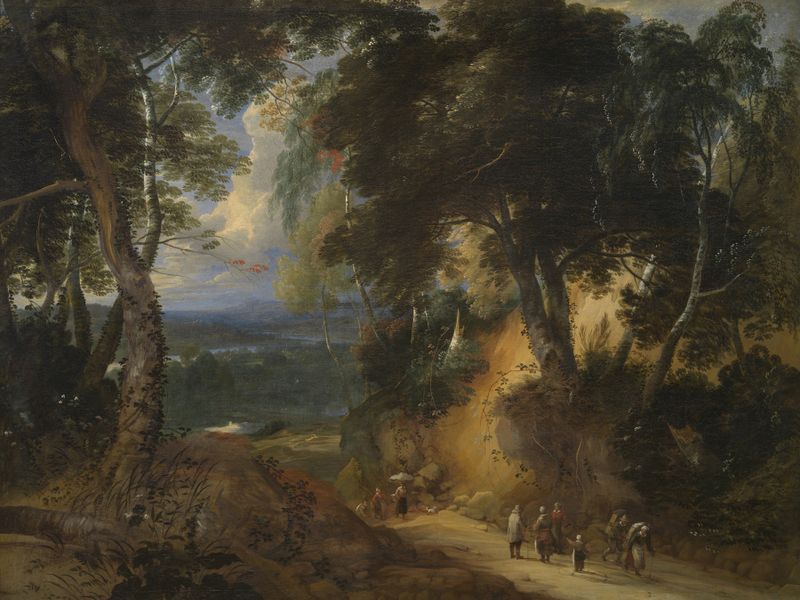
The Soignes Forest
Lodewijk de Vadder
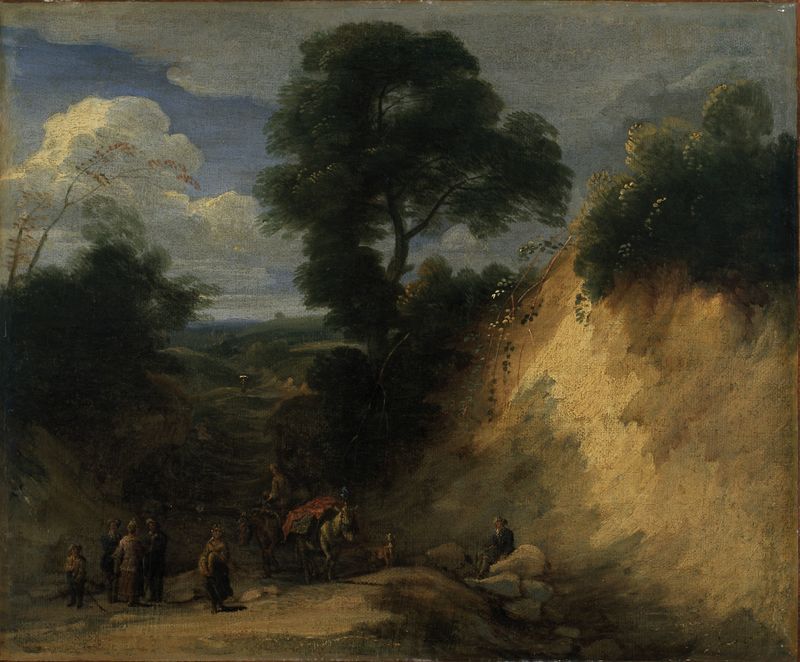
The Sonian Forest with Market Vendors
Lodewijk de Vadder
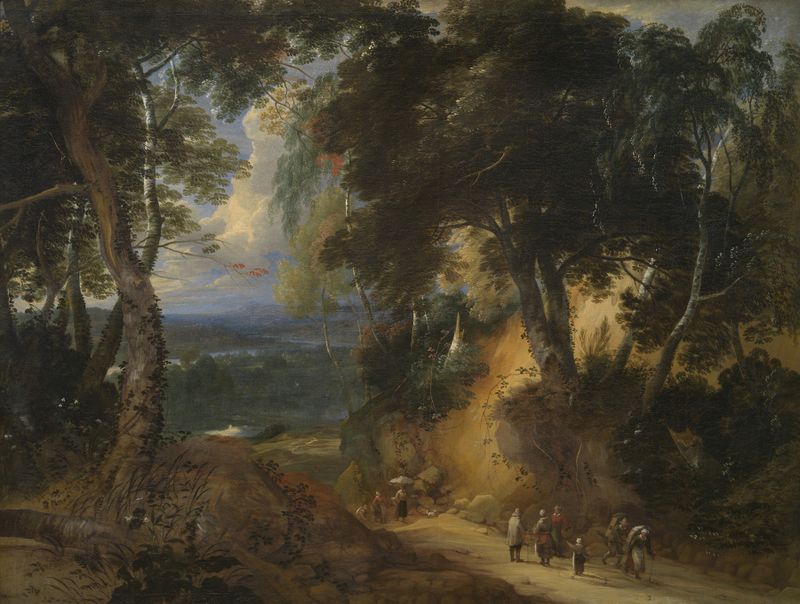
The Soignes Forest
Lodewijk de Vadder
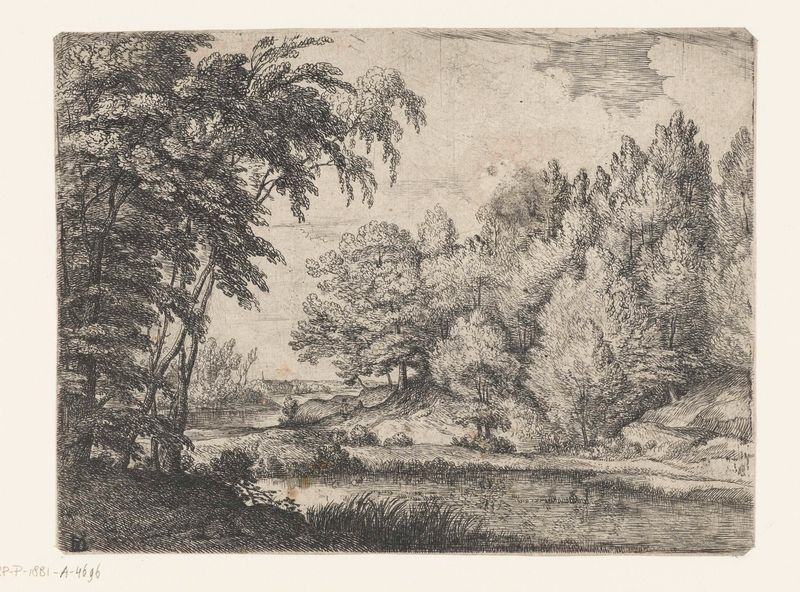
Landschap met een kronkelende rivier
Lodewijk de Vadder
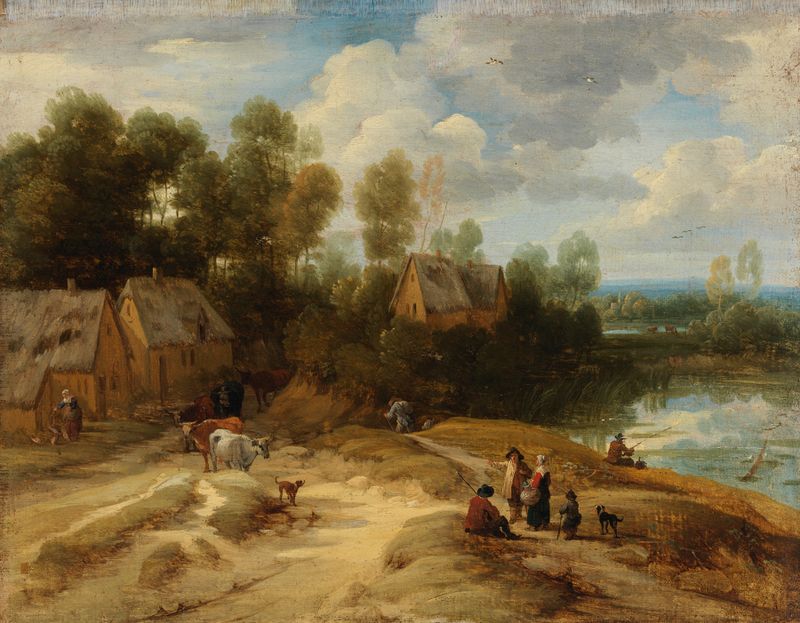
Landscape with Peasants and Cattle
Lodewijk de Vadder
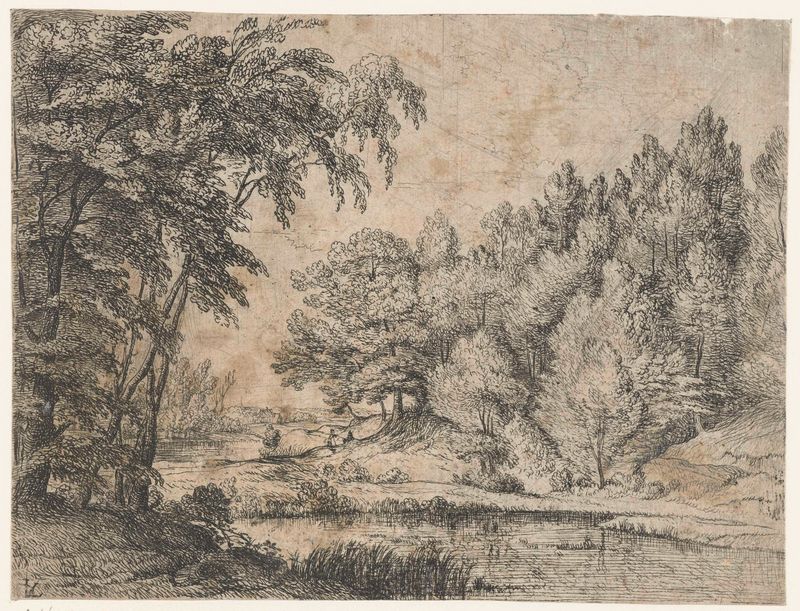
Landschap met een kronkelende rivier
Lodewijk de Vadder
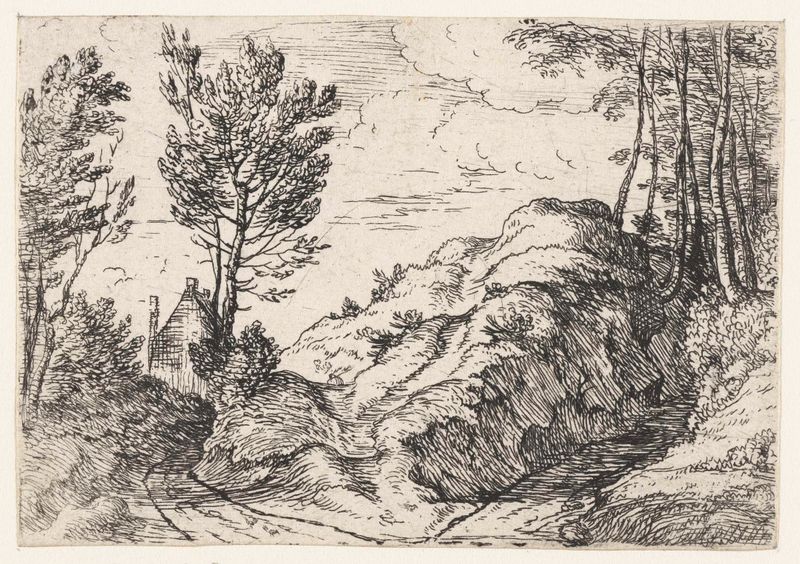
Tweesprong
Lodewijk de Vadder
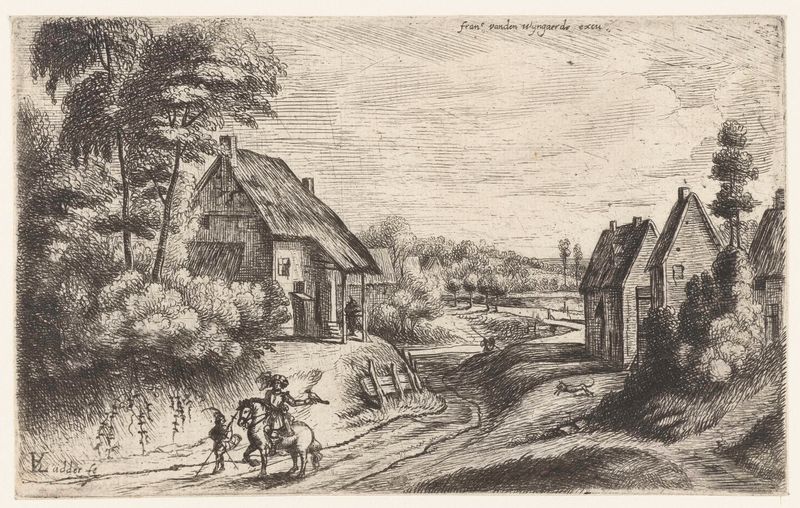
Landschap met twee boerderijen langs een weg
Lodewijk de Vadder
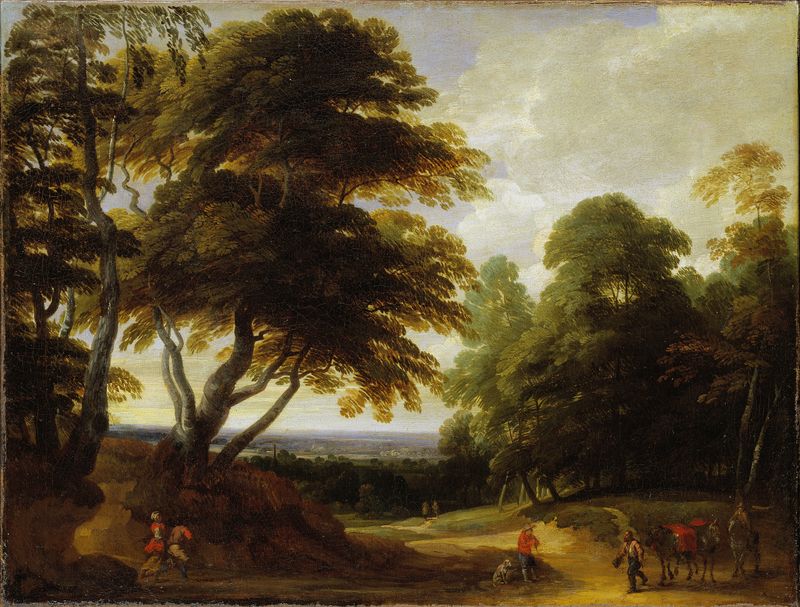
At the Edge of the Forest
Lodewijk de Vadder
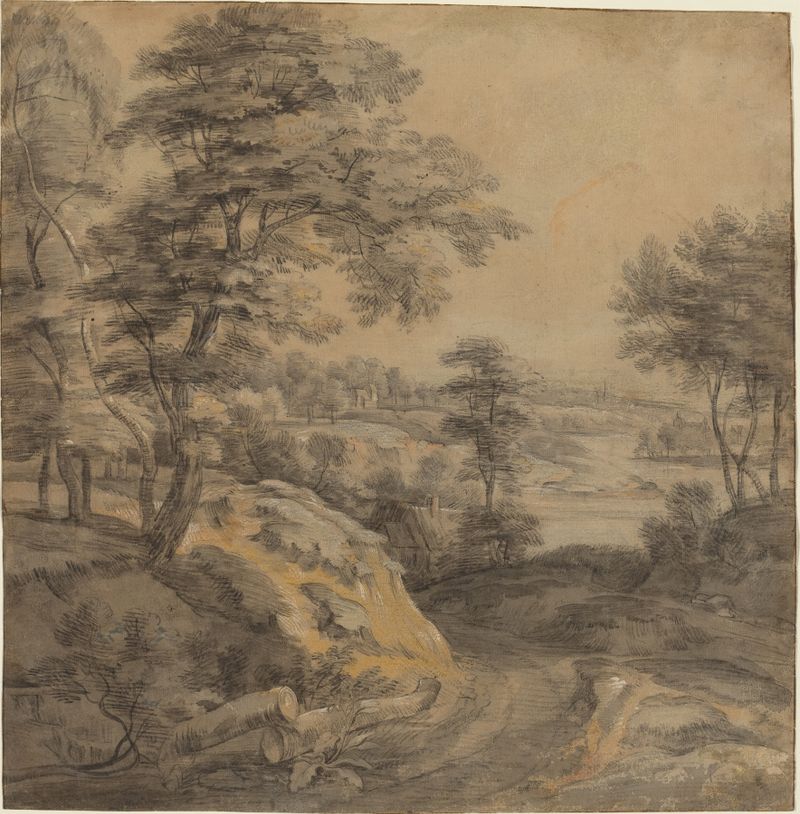
Landscape
Lodewijk de Vadder





