
Karasaki ya’u — History & Facts
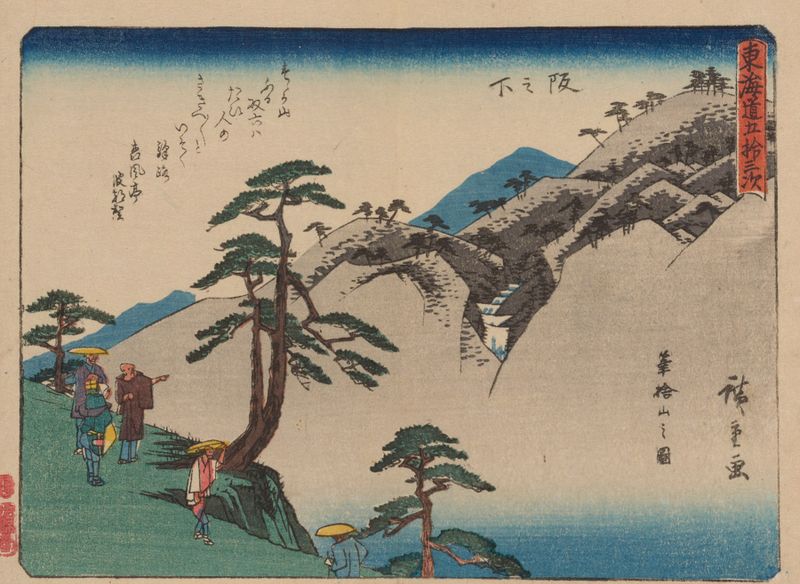
In the delicate strokes of this work, Utagawa Hiroshige captures a moment suspended between the beauty of nature and the weight of sorrow. Each detail resonates with an unspoken grief, inviting reflection on the fleeting nature of life and the solace that can be found in its transience. Focus first on the foreground, where the vibrant hues of the cherry blossoms begin to fade into softer pastels. Notice how the light plays upon the petals, creating an ethereal glow that contrasts with the darker tones of the distant hills.
The composition draws your eye along the gentle curve of the river, guiding you through a landscape that feels both inviting and melancholic. The use of layered color enhances the depth, making the scene pulse with emotional undercurrents, as if the beauty is tinged with a bittersweet farewell. The juxtaposition of vivid blossoms against the muted backdrop speaks to the impermanence of beauty and life itself. Each flower, vibrant yet ephemeral, carries whispers of loss, while the serene water reflects the calm after a storm, hinting at the quiet acceptance of grief.
The gentle movement of the landscape evokes a sense of longing, as if Hiroshige captures a fleeting moment before the inevitable change, making the viewer acutely aware of time's relentless passage. Created in 1857, this piece emerged from a period in which Hiroshige was deeply engaged in portraying the landscapes of Edo, now Tokyo. At this time, he was consolidating his reputation, experimenting with new techniques that would elevate his work in the ukiyo-e genre. The world around him was changing rapidly, as urbanization began to reshape the physical and cultural landscapes of Japan, infusing his art with both nostalgia and a poignant awareness of loss.
More Artworks by Utagawa Hiroshige
Browse all →
Sudden Shower over Shin Ohashi Bridge and Atake (Ohashi Atake no yudachi), from the series "One Hundred Famous Views of Edo (Meisho Edo hyakkei)"
Utagawa Hiroshige
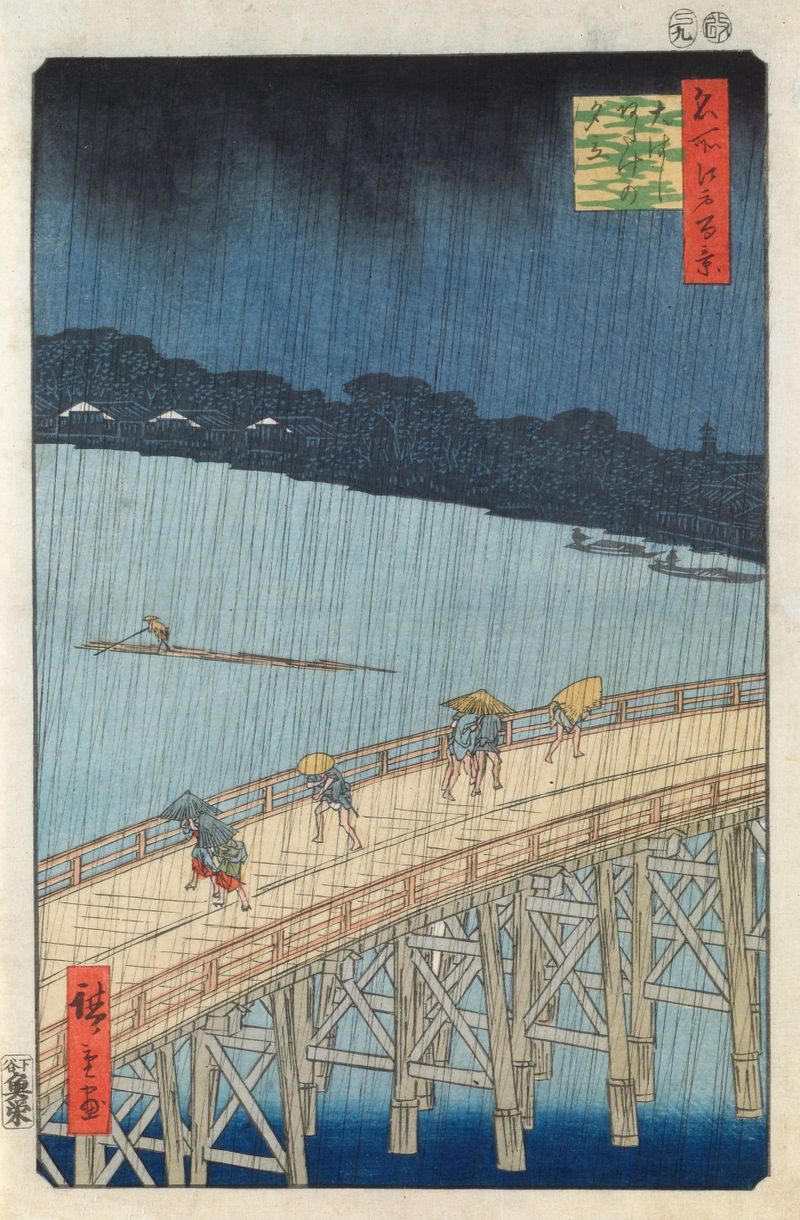
Sudden Shower Over Ohashi Bridge and Atake
Utagawa Hiroshige
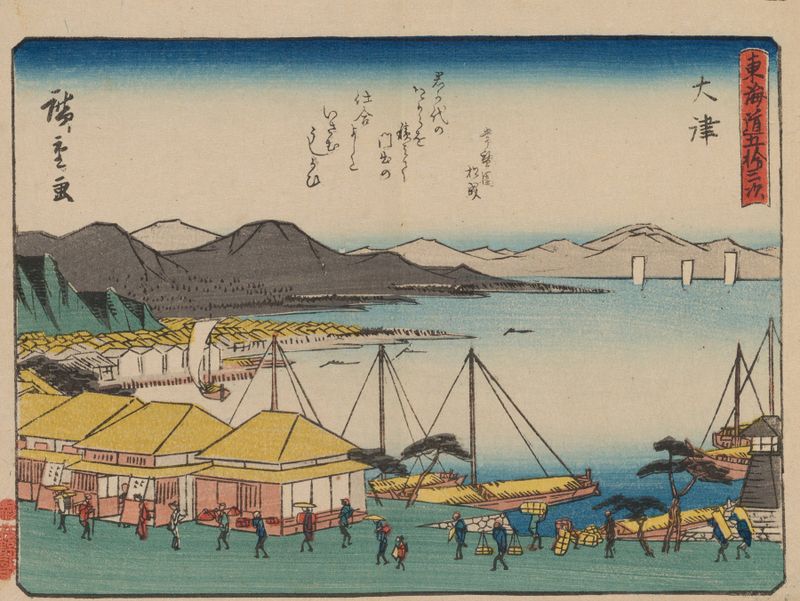
Tokaido gojusantsugi, Pl.54
Utagawa Hiroshige
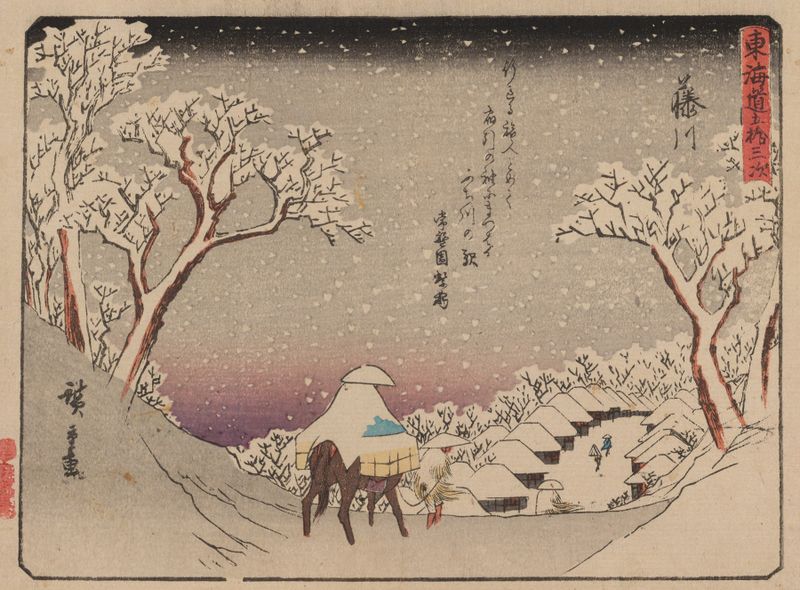
Tokaido gojusantsugi, Pl.38
Utagawa Hiroshige
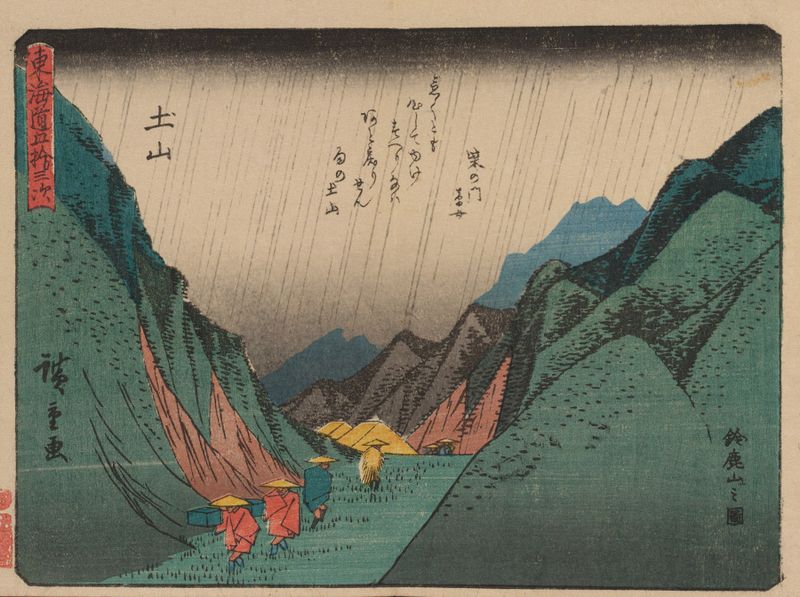
Tokaido gojusantsugi, Pl.50
Utagawa Hiroshige
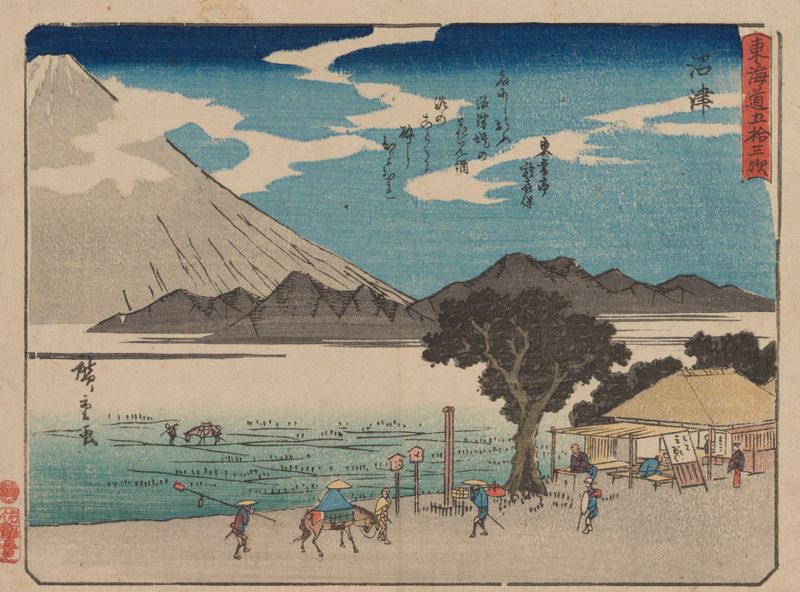
Tokaido gojusantsugi, Pl.13
Utagawa Hiroshige
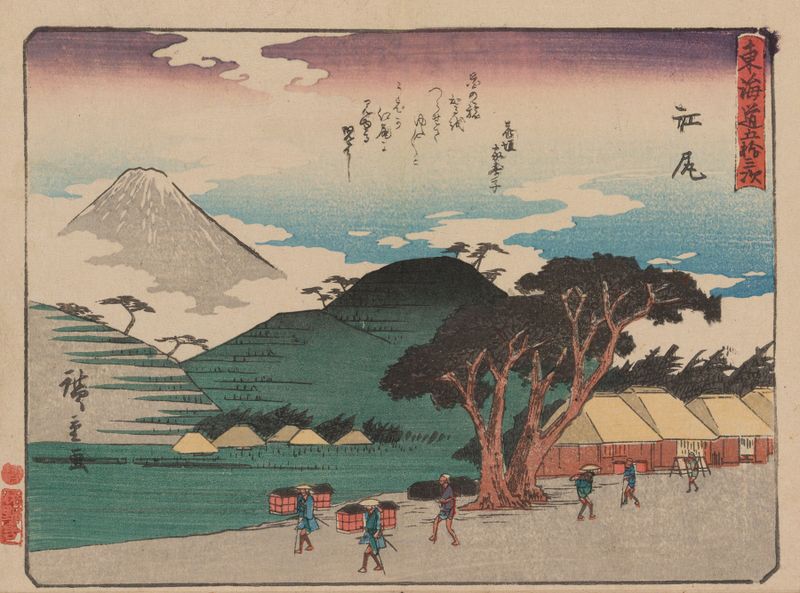
Tokaido gojusantsugi, Pl.19
Utagawa Hiroshige
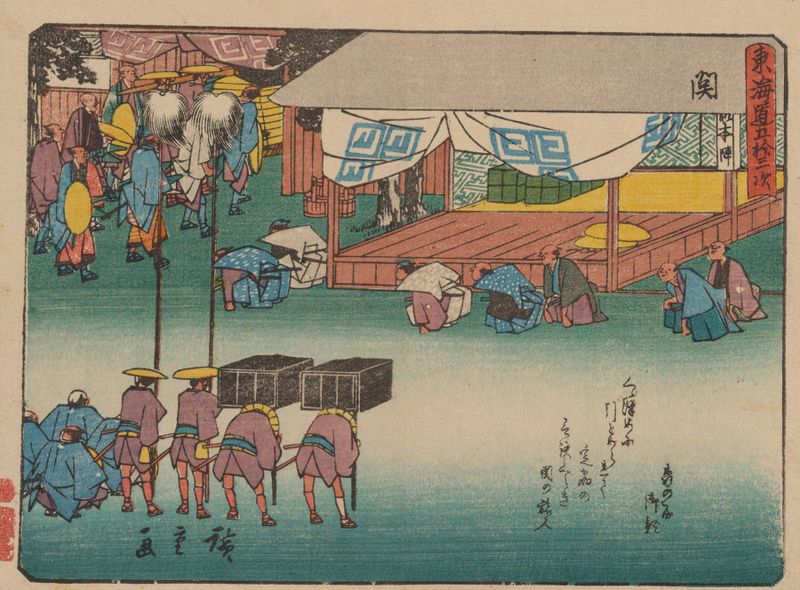
Tokaido gojusantsugi, Pl.48
Utagawa Hiroshige
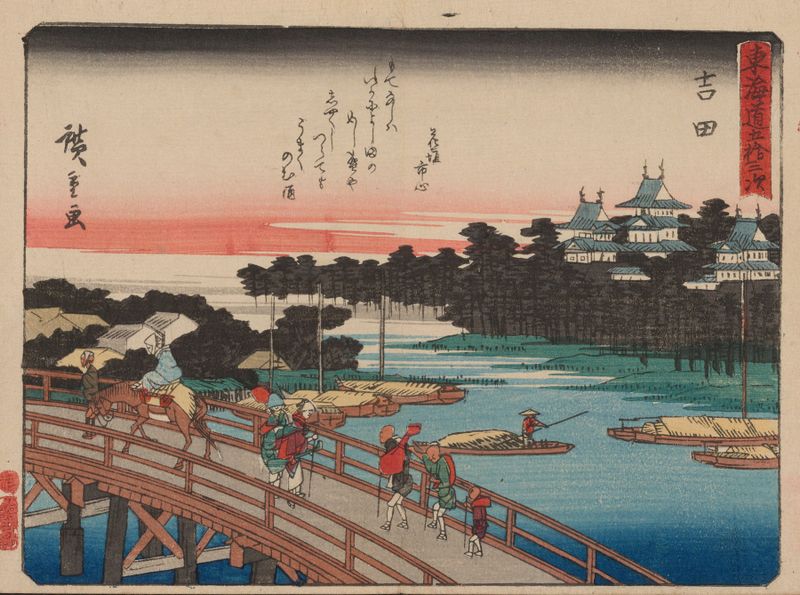
Tokaido gojusantsugi, Pl.35
Utagawa Hiroshige
Tokaido gojusantsugi, Pl.49
Utagawa Hiroshige





