
Katedrála — History & Facts
In the swirling depths of memory and desire, the yearning for permanence clashes with the inevitability of change. Look to the foreground of Katedrála, where the intricate façade of the cathedral rises majestically. The artist employs a striking juxtaposition of deep blues and warm ochres that breathe life into stone, suggesting both the weight of history and the fragility of existence. Notice how the light spills through the arches, illuminating hidden details in the carvings, inviting the viewer to explore the delicate interplay of shadow and form.
The composition draws the eye upward, as if urging us to lose ourselves in the towering spires that seem to pierce the very heavens. Within this grandeur lies a poignant tension. The cathedral, a symbol of faith and endurance, also embodies the fading echoes of a world caught in the throes of war and uncertainty. Small figures at the base, almost swallowed by the vastness above, evoke a sense of humility and longing, reflecting the personal stories behind collective memory.
Bauer’s brushwork captures the essence of yearning—both for spiritual connection and for a time when humanity felt safe and whole. Created in 1915, Katedrála came during a period marked by upheaval and societal transformation in Europe. As World War I unfolded, Konštantín Bauer grappled with the chaos surrounding him, channeling his existential reflections into this powerful work. It represents not just an artistic exploration but also a poignant commentary on the fragile nature of life and faith amidst turmoil.
More Artworks by Konštantín Bauer
Browse all →
Košický dvor
Konštantín Bauer
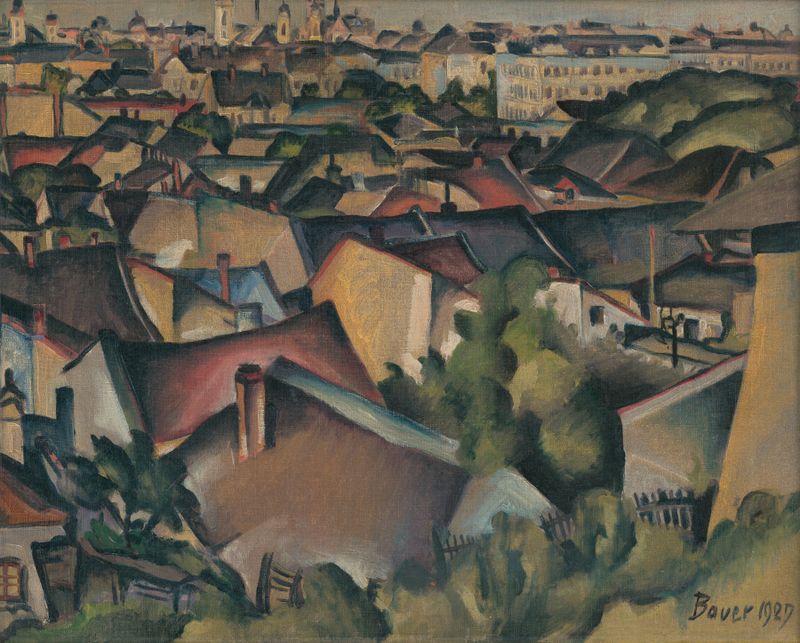
Košice na jar
Konštantín Bauer
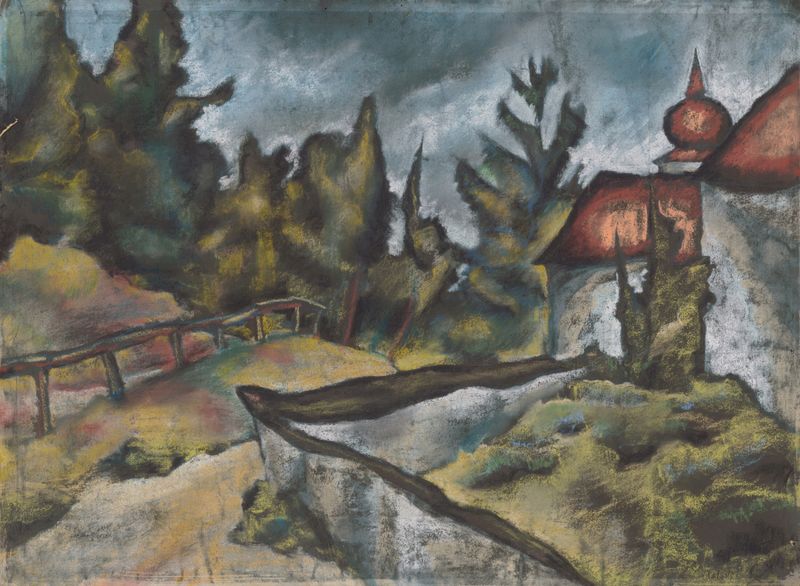
Košická kalvária
Konštantín Bauer

Košické strechy
Konštantín Bauer

Zo starých Košíc
Konštantín Bauer
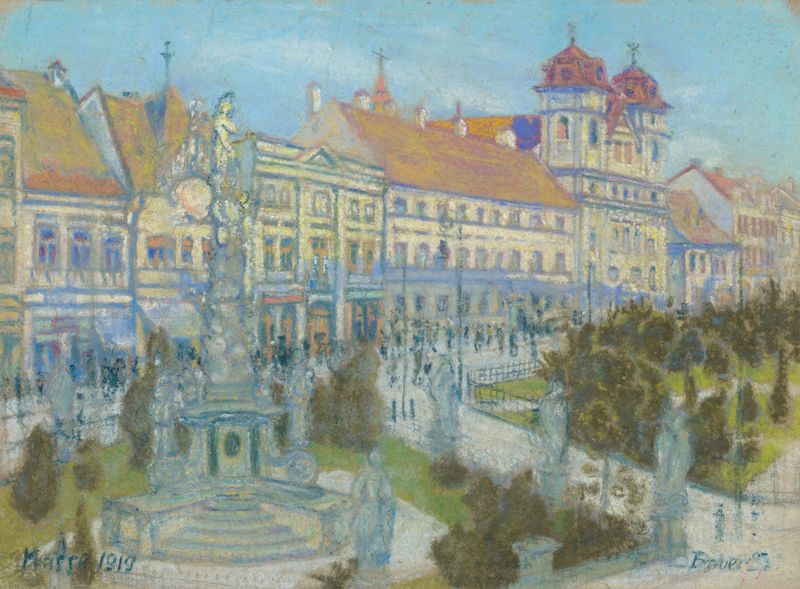
Na hlavnej ulici v Košiciach
Konštantín Bauer
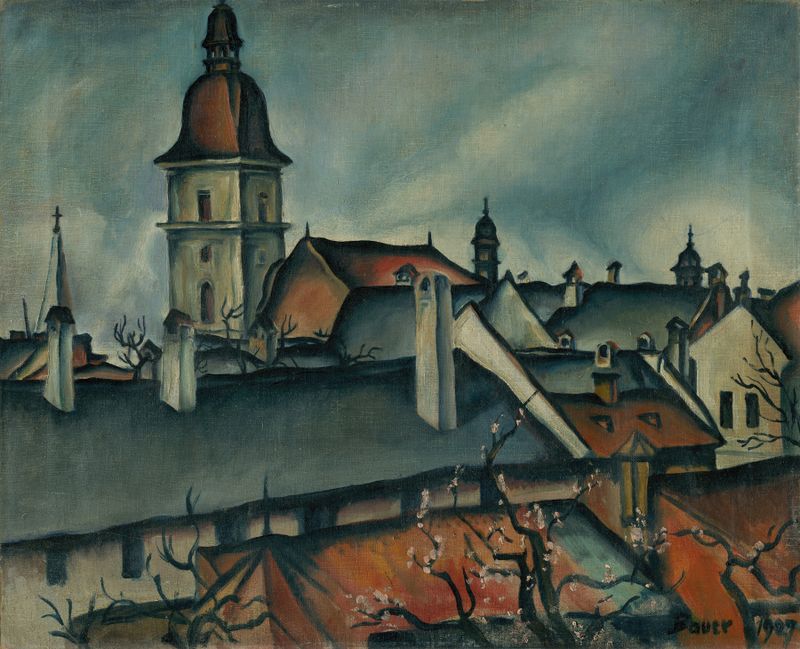
Pohľad na Košice
Konštantín Bauer
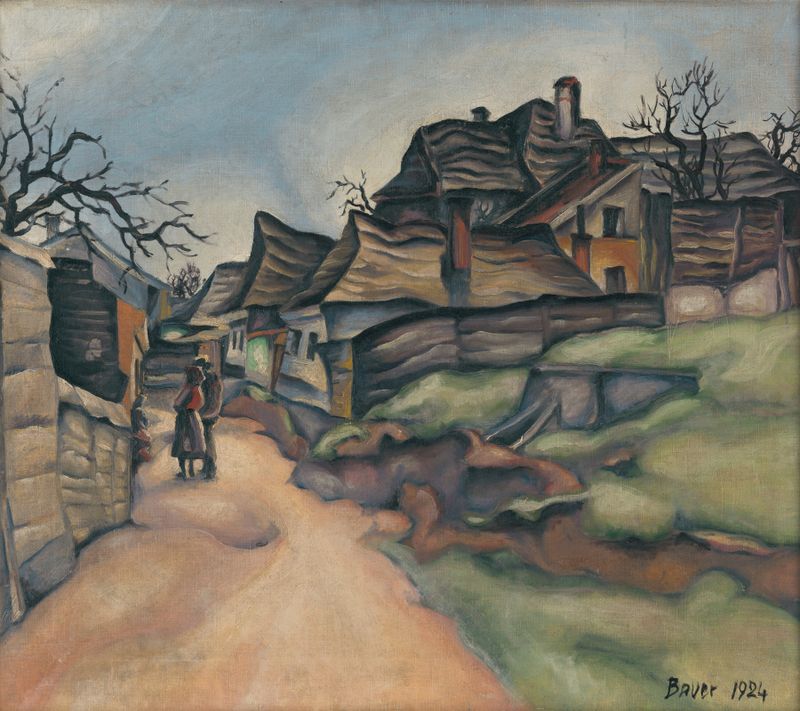
Domy na dedine s figurálnou štafážou
Konštantín Bauer
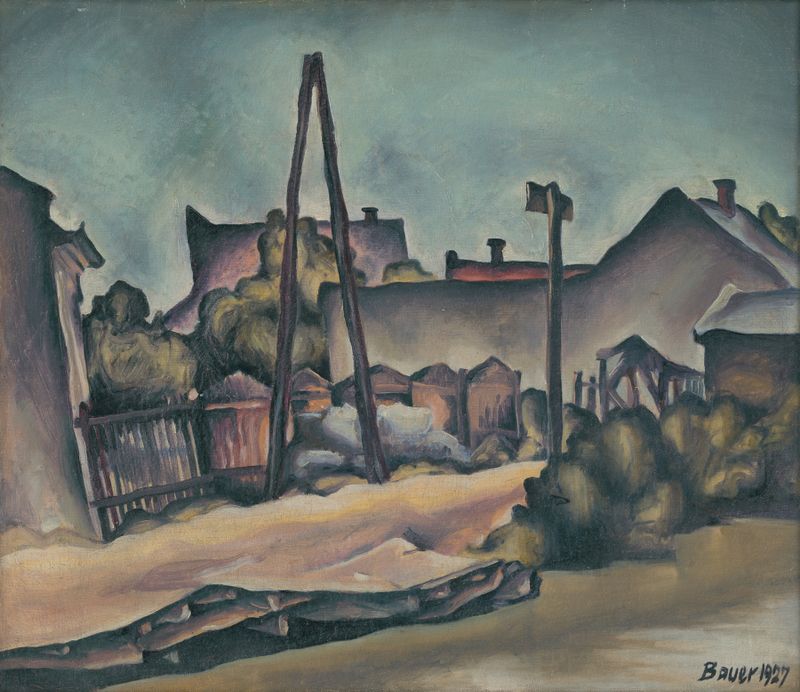
Na okraji Košíc
Konštantín Bauer

Vnútro košického dómu
Konštantín Bauer
More Architecture Art
Browse all →
The statue of Liberty
Frédéric Auguste Bartholdi

View of Houses in Delft, Known as ‘The Little Street’
Johannes Vermeer

View of Houses in Delft, Known as ‘The Little Street’
Johannes Vermeer

The Cathedral in Rouen. The portal, Grey Weather
Claude Monet

The yellow house
Vincent van Gogh

The Church in Auvers-sur-Oise, View from the Chevet
Vincent van Gogh