
Košické strechy — History & Facts
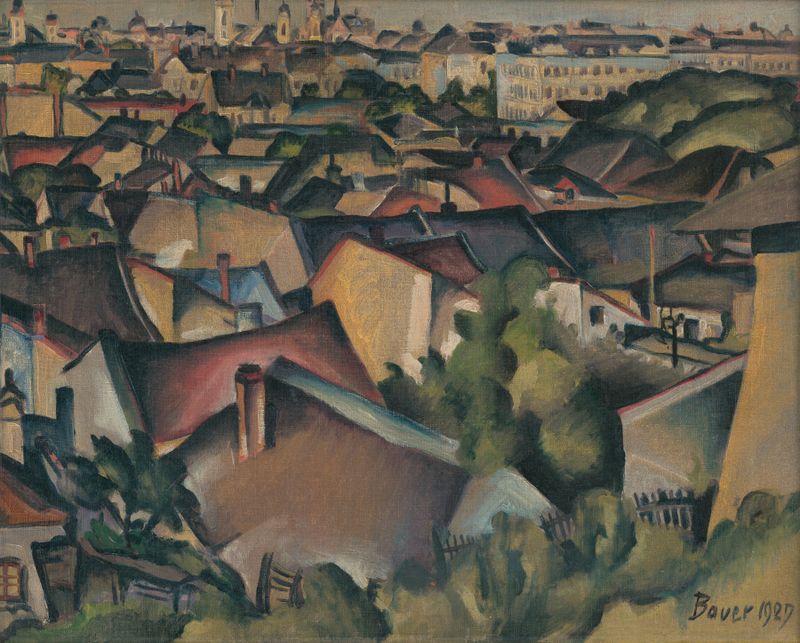
Can beauty exist without sorrow? In Konštantín Bauer's Košické strechy, the answer lies embedded in the layers of color and texture that capture both harmony and turmoil. Look to the center of the canvas, where rooftops converge in a tapestry of warm ochres and deep reds, punctuated by the cool blues of the sky. Notice how the slanted lines of the buildings create a rhythm, leading your eye upward, yet there’s a disquieting stillness beneath it all. Each roof appears to whisper stories of lives lived beneath, their shapes echoing a quiet resilience against the backdrop of a tumultuous history.
The brushwork is deliberate, merging form and emotion into a scene both vibrant and haunting. Delve deeper into the composition, and you’ll uncover the emotional tension inherent in the juxtaposition of beauty and violence. The harmonious colors evoke a sense of nostalgia, yet the angled rooftops suggest a history of upheaval — a reminder of the conflicts that have marked the region. This interplay between the idyllic and the unsettling evokes a poignant reflection on the dual nature of existence: joy intertwined with grief, beauty shadowed by its darker counterpart. Created in 1928, this work emerged during a transformative period in Bauer's life, as he navigated the shifting political landscape of post-World War I Czechoslovakia.
The art world was evolving, embracing modernism while grappling with the remnants of a recent past marked by violence and dislocation. It was a time when artists sought to find meaning in the chaos, and Bauer's portrayal of Košice rooftops reflects a city caught between its historical scars and the hope for a brighter future.
More Artworks by Konštantín Bauer
Browse all →
Košický dvor
Konštantín Bauer
Košice na jar
Konštantín Bauer
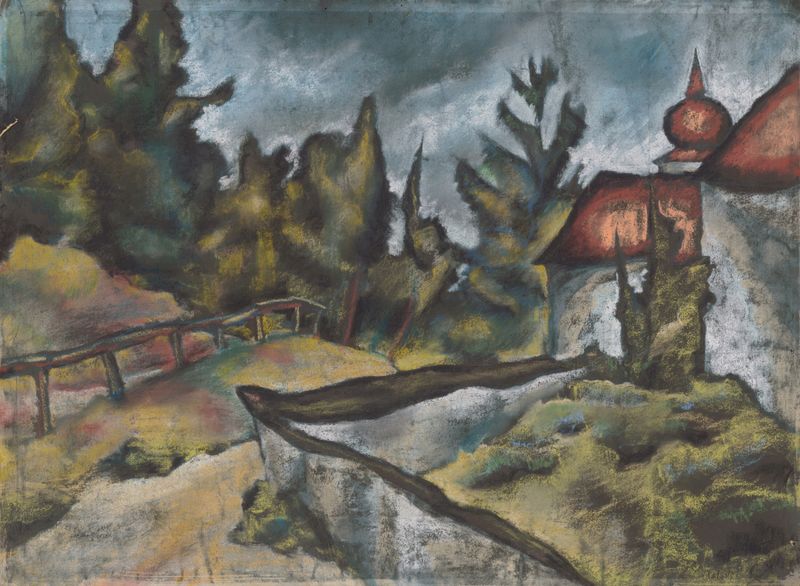
Košická kalvária
Konštantín Bauer

Zo starých Košíc
Konštantín Bauer
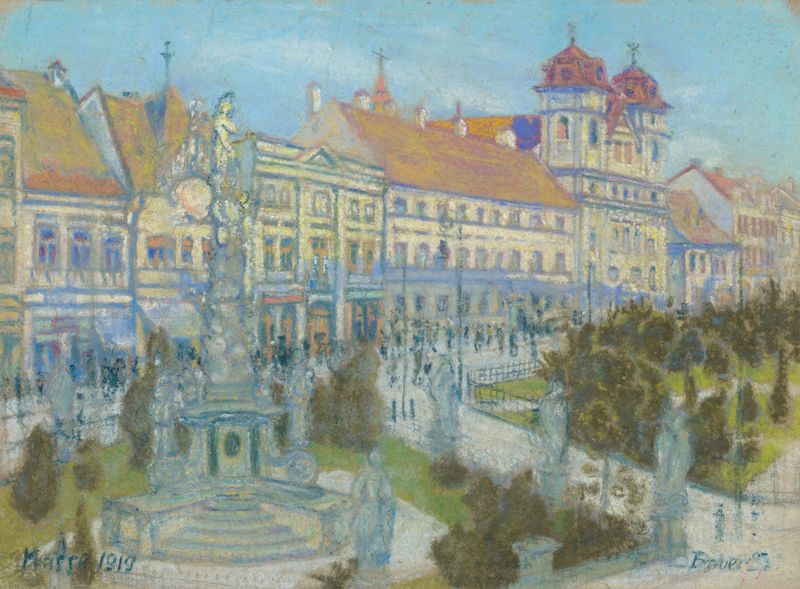
Na hlavnej ulici v Košiciach
Konštantín Bauer
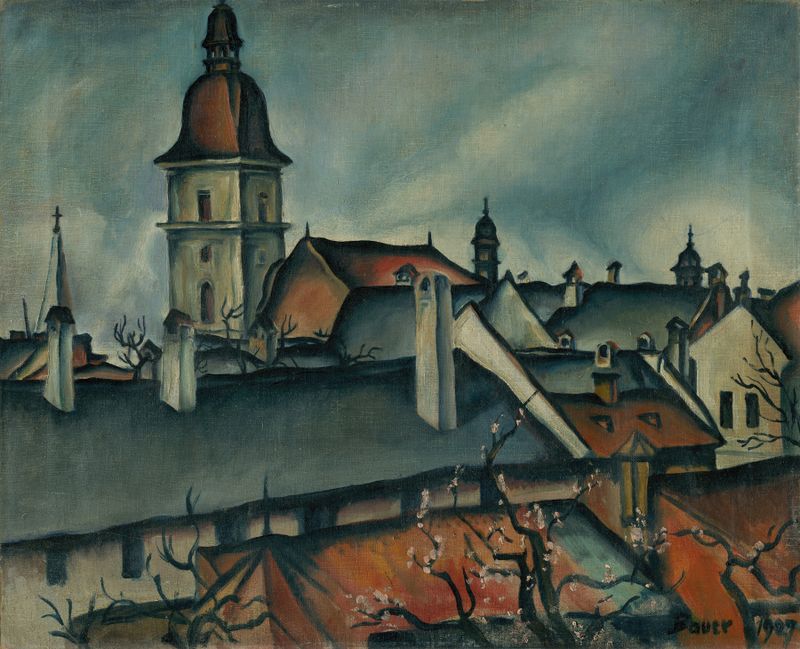
Pohľad na Košice
Konštantín Bauer
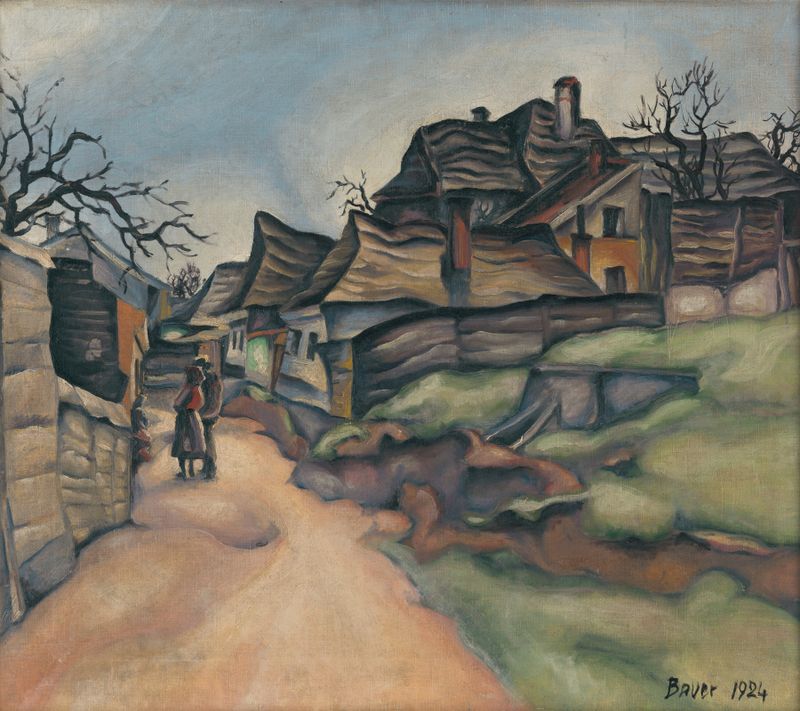
Domy na dedine s figurálnou štafážou
Konštantín Bauer
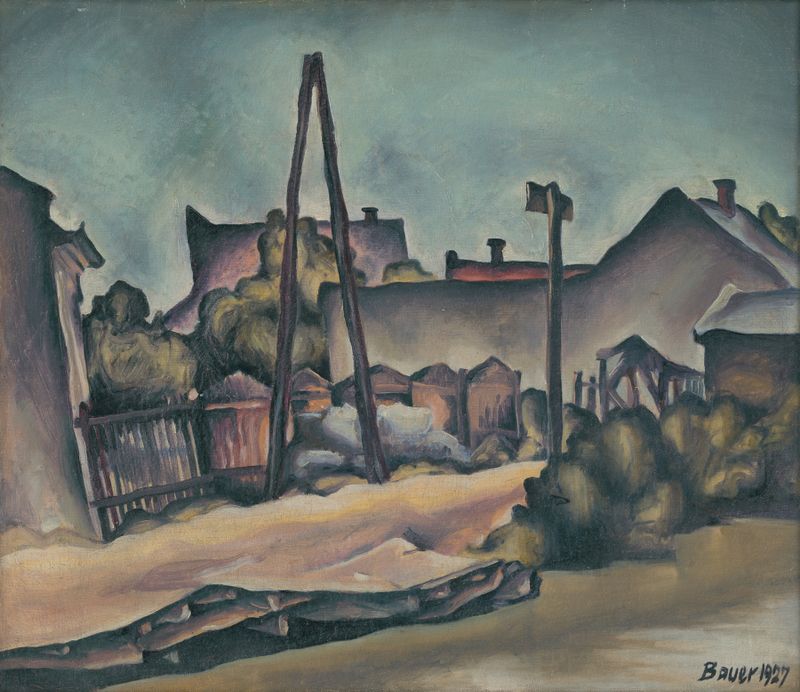
Na okraji Košíc
Konštantín Bauer

Vnútro košického dómu
Konštantín Bauer

Zákutie Košíc
Konštantín Bauer
More Architecture Art
Browse all →
The statue of Liberty
Frédéric Auguste Bartholdi

View of Houses in Delft, Known as ‘The Little Street’
Johannes Vermeer

View of Houses in Delft, Known as ‘The Little Street’
Johannes Vermeer

The Cathedral in Rouen. The portal, Grey Weather
Claude Monet

The yellow house
Vincent van Gogh

The Church in Auvers-sur-Oise, View from the Chevet
Vincent van Gogh