
Kawasaki — History & Facts
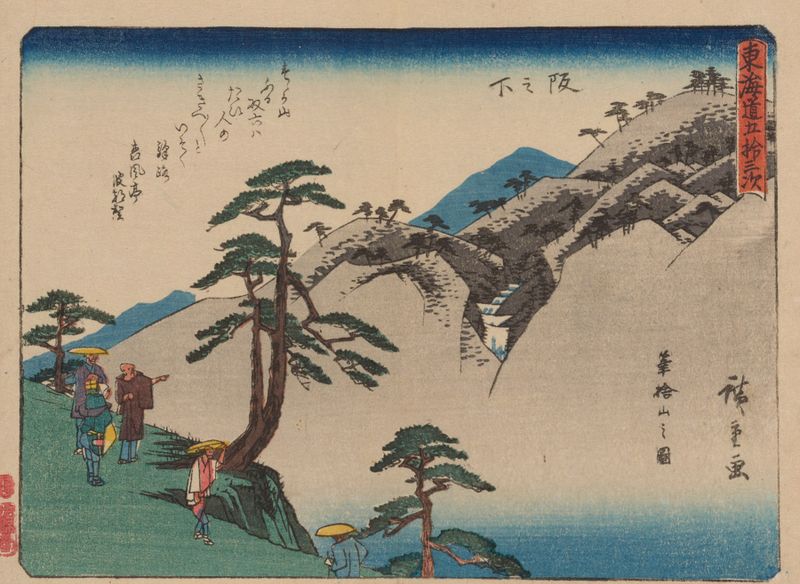
Who listens when art speaks of silence? In Kawasaki, the weight of mortality hangs heavy in the air, captured in the stillness of nature’s embrace. Look to the foreground where delicate cherry blossoms emerge, their fragile petals whispering tales of transience. The muted palette of blues and greens evokes a sense of calm, while the subtle interplay of light and shadow draws the eye towards the horizon. Notice how the distant mountains rise like guardians over the scene, their presence both comforting and ominous, reminding us of the ephemeral nature of life. As you linger on the intricate details, consider the contrast between the blossoming life and the looming silhouettes of the mountains.
Each petal that drifts away carries a piece of the moment—an echo of beauty that cannot last. The stillness is punctuated by the awareness of what is to come, as the blossoms are destined to fall, symbolizing the cycle of life and death that pervades all existence. In 1855, Hiroshige painted this work during a time when Japan was navigating rapid changes with the opening of the country to Western influences. Living in Edo, he drew inspiration from nature and the fleeting beauty around him, reflecting both personal longing and a broader cultural acknowledgment of impermanence.
This artwork stands as a testament to his masterful ability to weave the transient beauty of life into the fabric of his art.
More Artworks by Utagawa Hiroshige
Browse all →
Sudden Shower over Shin Ohashi Bridge and Atake (Ohashi Atake no yudachi), from the series "One Hundred Famous Views of Edo (Meisho Edo hyakkei)"
Utagawa Hiroshige
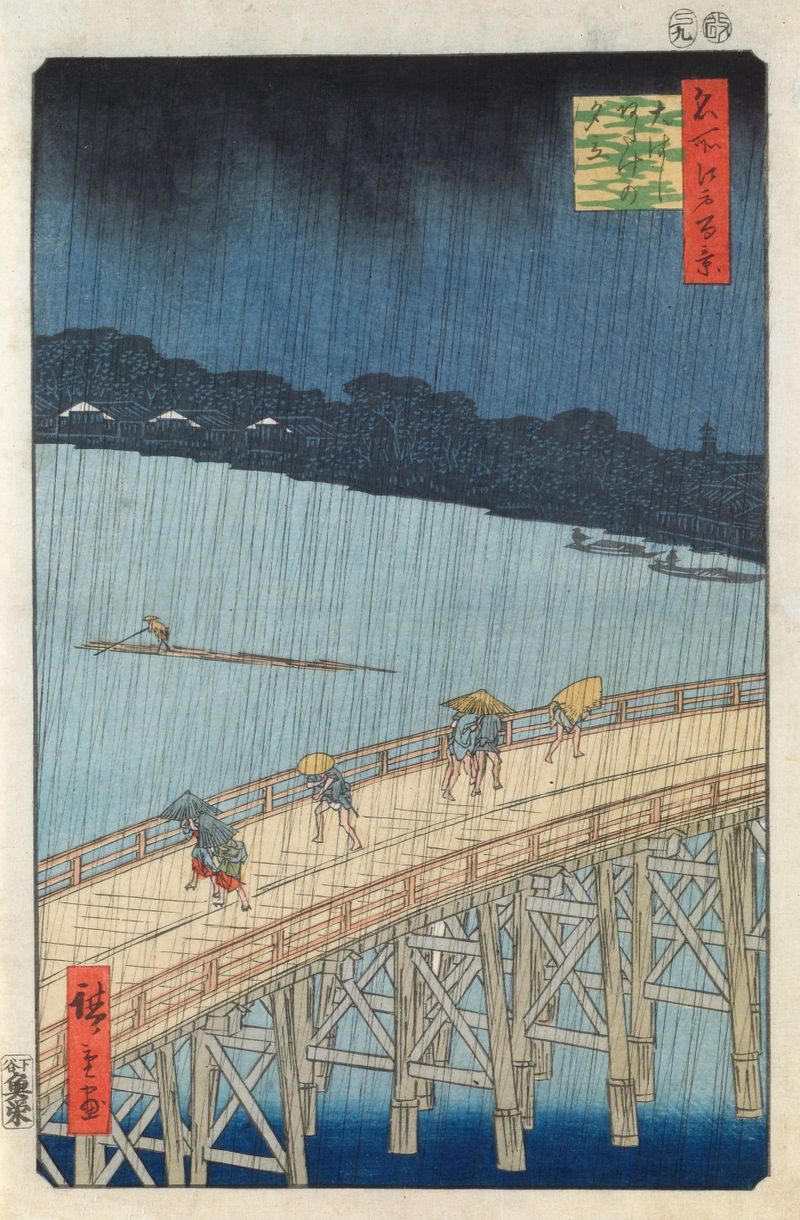
Sudden Shower Over Ohashi Bridge and Atake
Utagawa Hiroshige
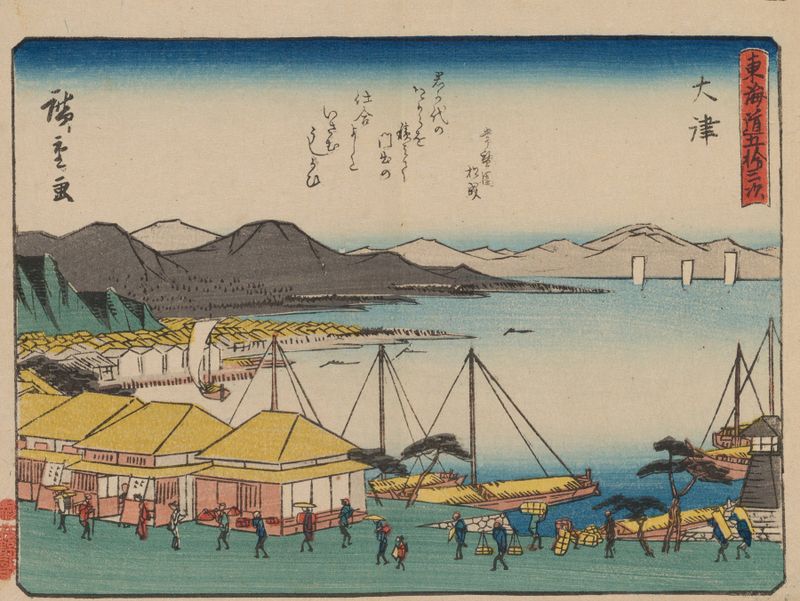
Tokaido gojusantsugi, Pl.54
Utagawa Hiroshige
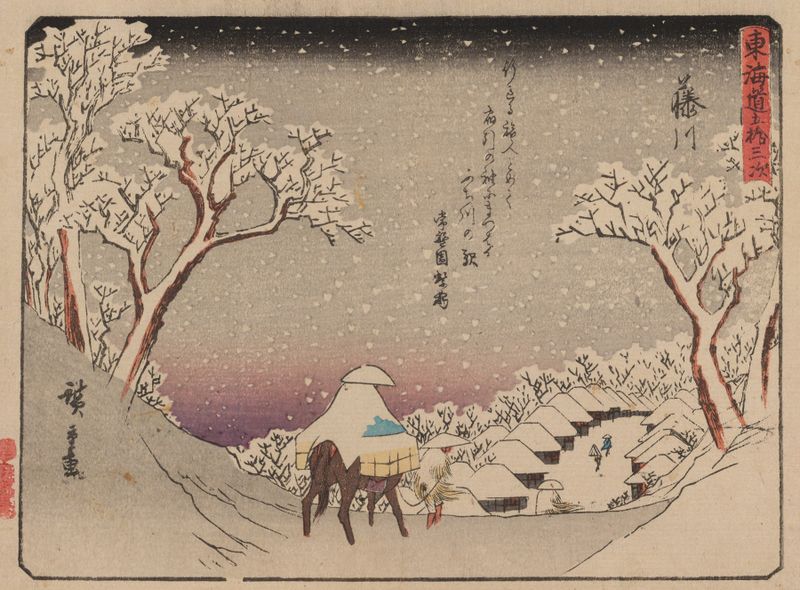
Tokaido gojusantsugi, Pl.38
Utagawa Hiroshige
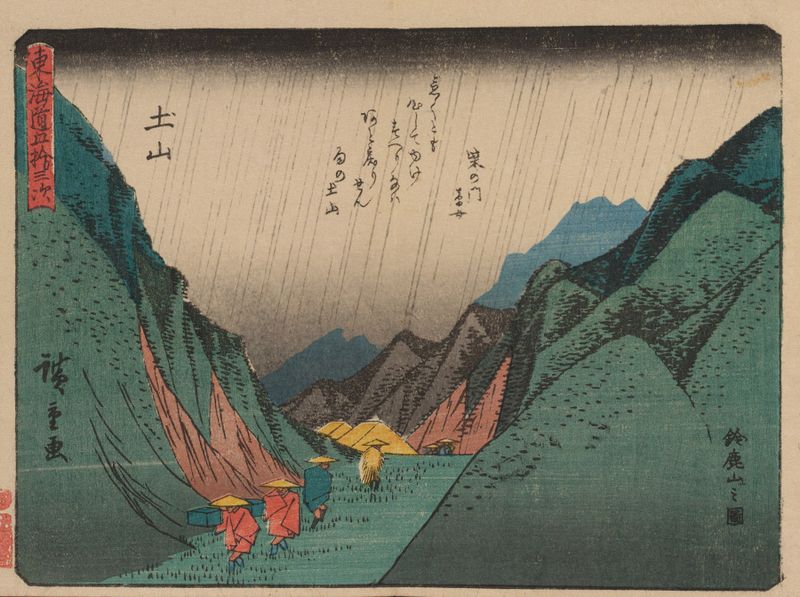
Tokaido gojusantsugi, Pl.50
Utagawa Hiroshige
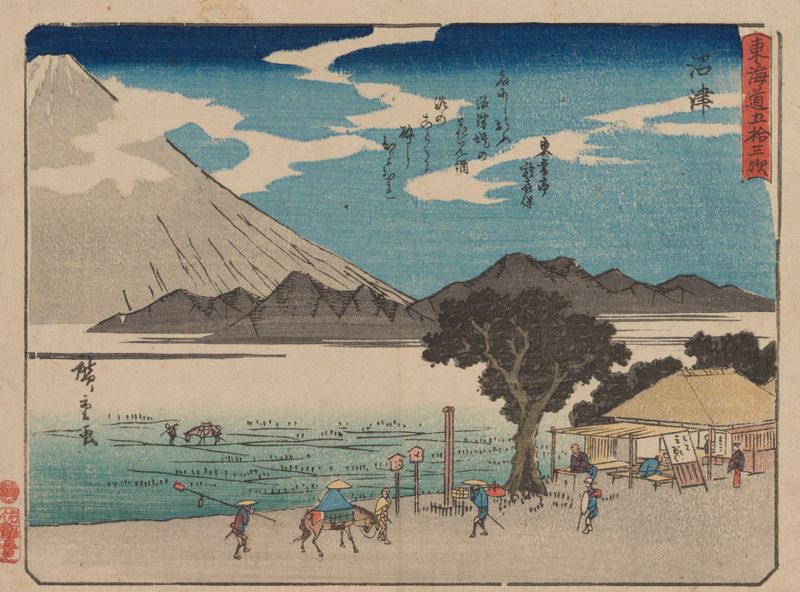
Tokaido gojusantsugi, Pl.13
Utagawa Hiroshige
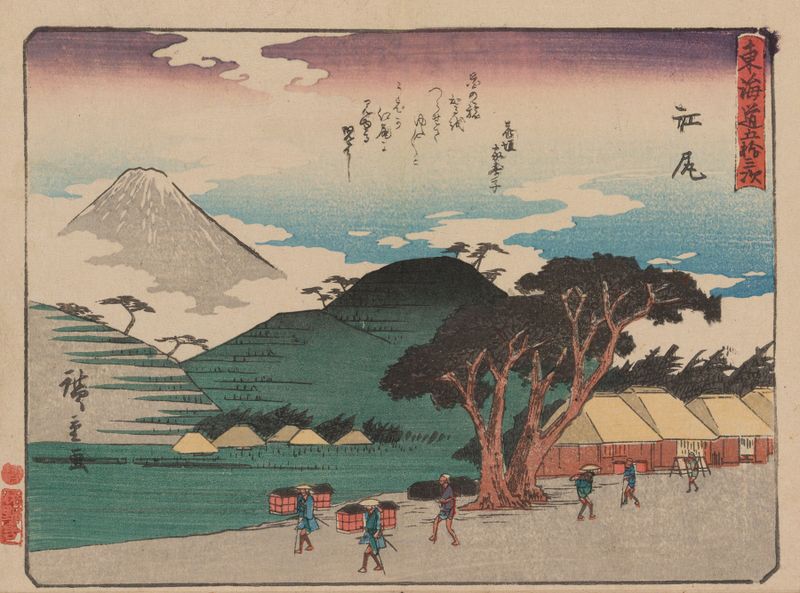
Tokaido gojusantsugi, Pl.19
Utagawa Hiroshige
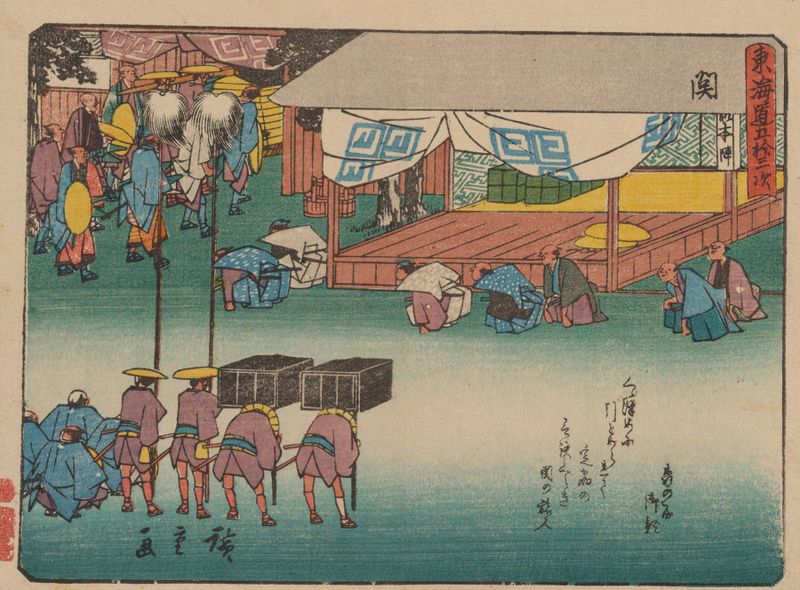
Tokaido gojusantsugi, Pl.48
Utagawa Hiroshige
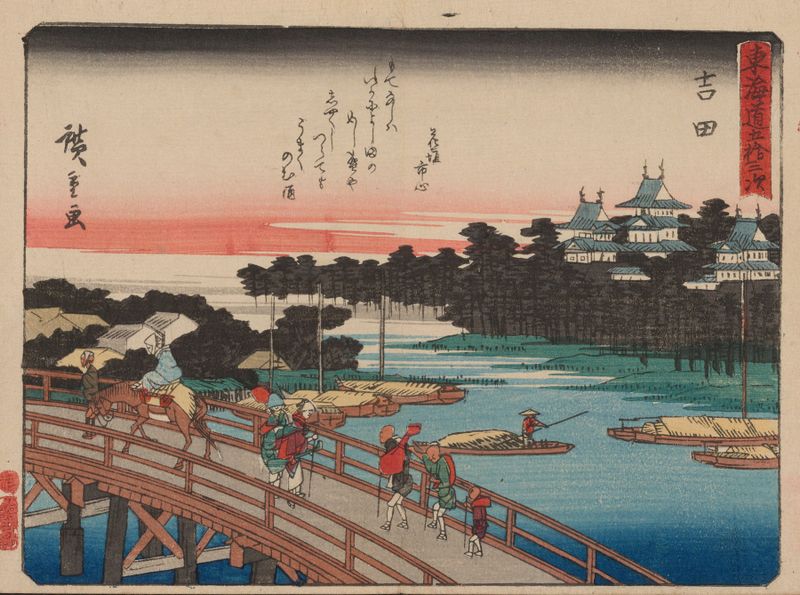
Tokaido gojusantsugi, Pl.35
Utagawa Hiroshige
Tokaido gojusantsugi, Pl.49
Utagawa Hiroshige





