Keeper’s house — History & Facts
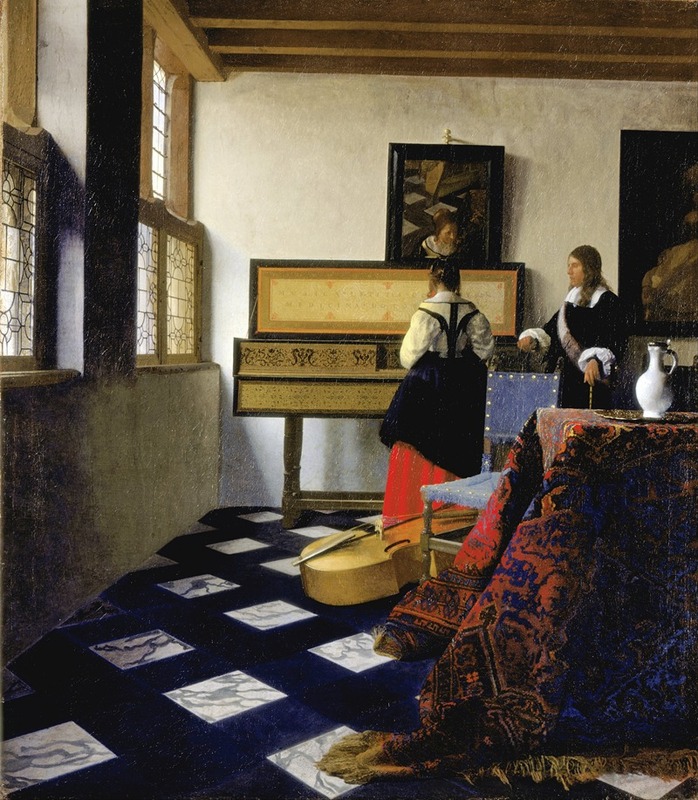
Can paint confess what words never could? In Keeper’s House, the quietude of solitude resonates through its wood-paneled walls and somber shadows, whispering tales of melancholy and longing. Look to the left at the dimly lit window, where muted daylight seeps through, casting a soft glow over the rustic furniture. The wooden beams, weathered and strong, evoke a sense of history while the colors—deep browns and soft grays—sustain an atmosphere of melancholy. Notice how the brushstrokes fluctuate; some areas are fluid and blended, while others are sharply defined, creating a tension between the past and present, a tension that lingers in the air like an unspoken word. Hidden within the composition is a profound sense of isolation.
The house, though solid and seemingly welcoming, stands as a fortress of solitude—a refuge, yet a reminder of abandonment. The juxtaposition of warmth from the hearth and the coolness of the shadowy corners suggests an emotional dichotomy: the comfort of familiarity alongside the ache of loneliness. Each object in the room, from the worn chair to the fading wallpaper, carries the weight of untold stories, inviting viewers to imagine lives lived within those walls. In 1870, John C.
Sinclair painted this work during a period marked by both personal introspection and a shift in the landscape of art. Living in the Victorian era, a time when realism was gaining prominence, he sought to capture the essence of human experience through his surroundings. This painting reflects Sinclair's own contemplative nature as he grappled with the complexities of life and art, making Keeper’s House a poignant exploration of both memory and emotion.