
Kinder am Heimweg — History & Facts
What if silence could speak through light? In the stillness of a moment, one can hear the whispers of the past echoing from the canvas, inviting viewers into a world of awe and reflection. Focus on the gentle play of light cascading across the figures, illuminating their faces with a soft, golden glow. The children, walking hand in hand, are positioned at the center, their bodies slightly turned as if caught between laughter and the secrets of their adventure. Notice how the artist masterfully contrasts the warm hues of the sun-drenched path with the cool shadows of the surrounding landscape, creating a palpable sense of time suspended.
Each brushstroke breathes life into the scene, revealing more than just a journey home; it's a passage through innocence. Yet, beyond the seemingly idyllic representation lies an undercurrent of melancholy. The figures seem both joyous and distant, encapsulating the fleeting nature of childhood. The way their feet tread the path suggests movement towards an inevitable end, evoking a bittersweet nostalgia.
The depth of the shadows hints at the looming presence of adulthood, contrasting the carefree spirits of the young souls who inhabit the painting. This duality draws the viewer into a contemplative space, where one can sense the tension between joy and the passage of time. Created during an undefined period in his life, Anton Doll captured Kinder am Heimweg amidst a shift in artistic explorations in the late 19th century. Working in Germany, Doll was influenced by the Romantic and Impressionist movements, which sought to depict everyday moments with emotional resonance.
During this time, the world was witnessing rapid industrialization, a backdrop that likely shaped how he viewed the innocence of childhood against the encroaching changes of modern life.
More Artworks by Anton Doll
Browse all →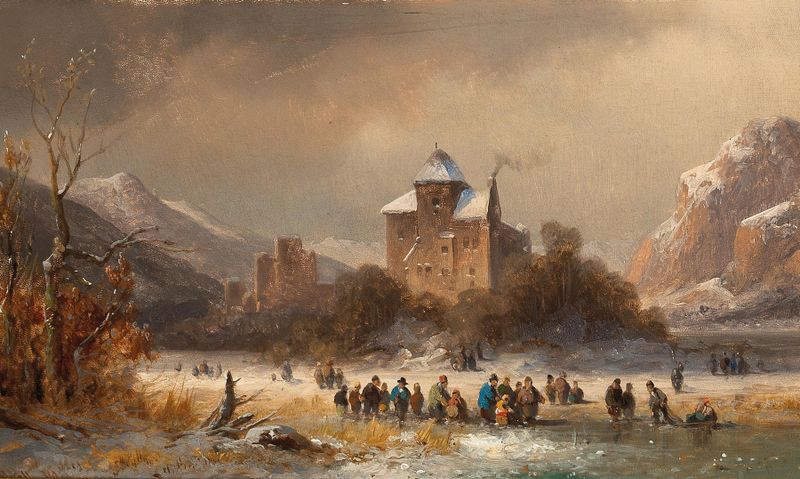
Ruine Kropfsberg und Schloß Lichtwert
Anton Doll
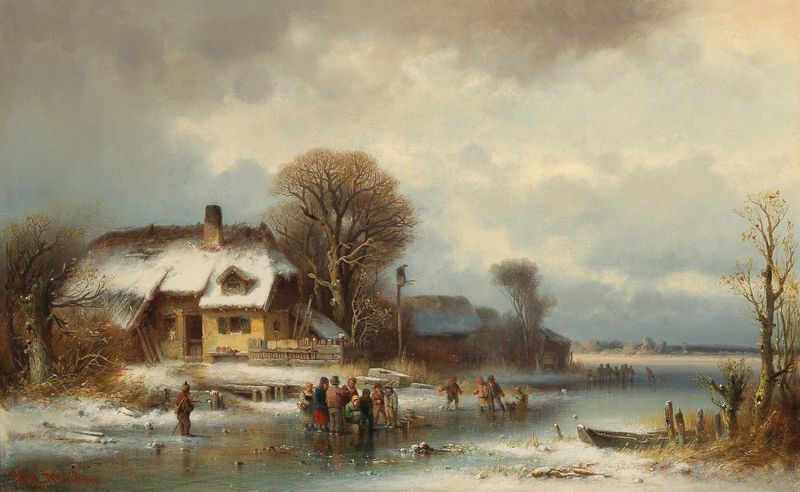
Winter Landscape With Ice Skaters
Anton Doll

Winter Amusements With A Town In The Background
Anton Doll
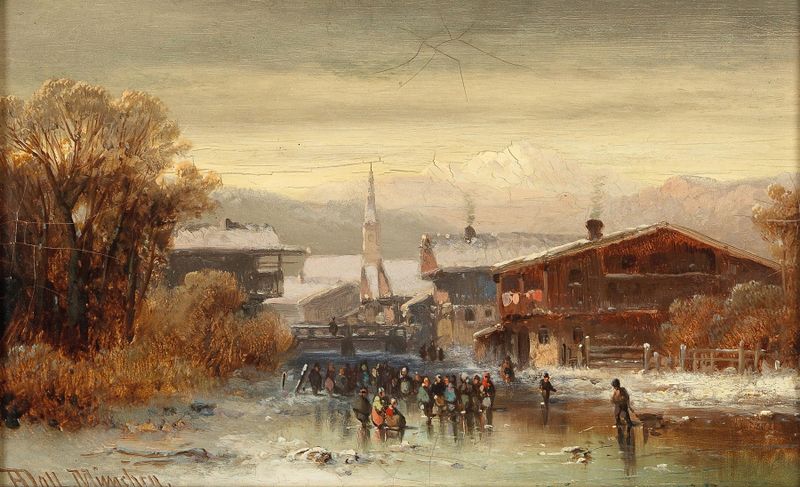
View Of Hardt On Lake Constance
Anton Doll
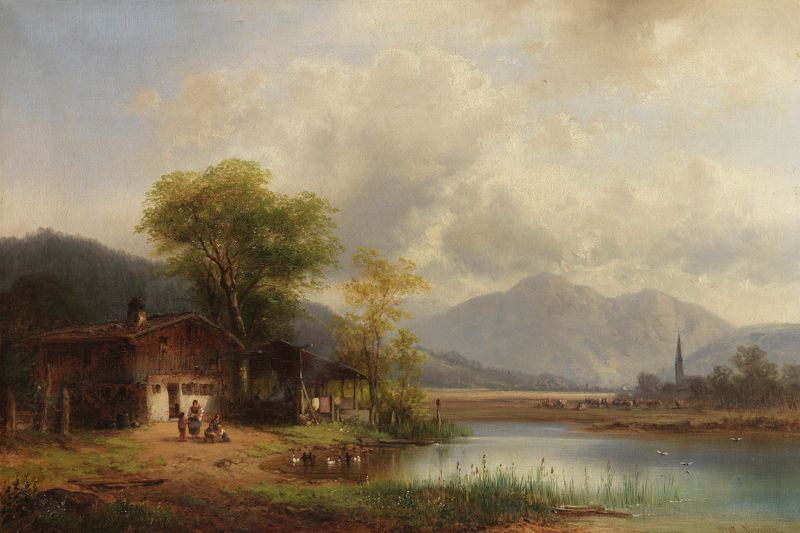
Oberbayerische Landschaft mit Waschhaus am See
Anton Doll
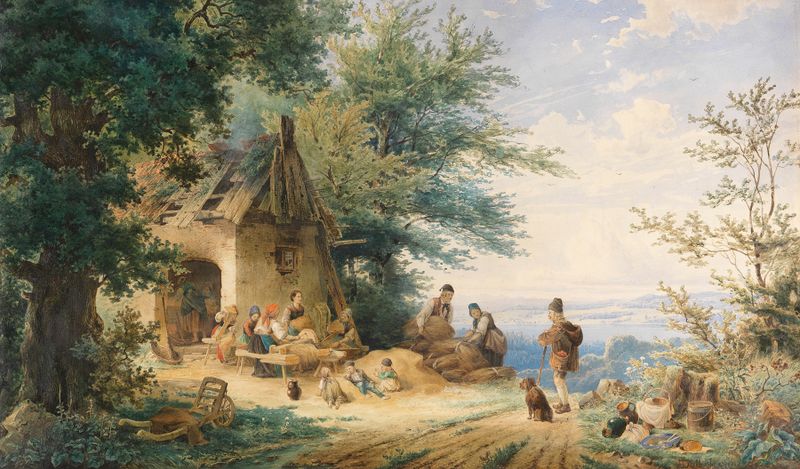
Sommerliche Landschaft mit Bauern bei der Flachsverarbeitung
Anton Doll

Wintervergnügen
Anton Doll
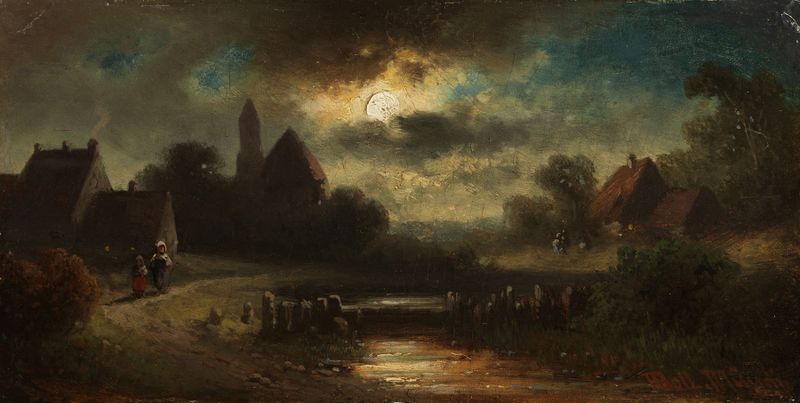
Dorfansicht in der Abenddämmerung
Anton Doll

Winterliche Flusslandschaft mit figürlicher Staffage
Anton Doll
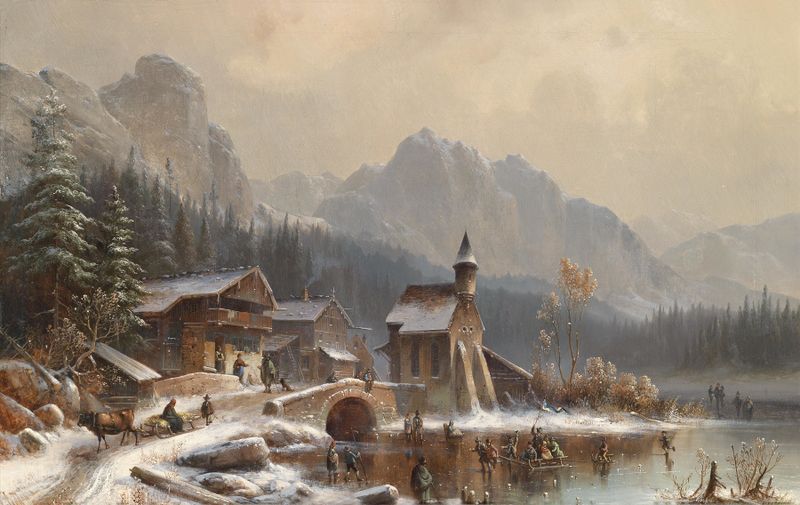
Wintervergnügen
Anton Doll





