
King Carl XIV Johan Visiting the Mounds at Old Uppsala in 1834 — History & Facts
A stillness blankets the mounds at Old Uppsala, where ancient earth whispers stories of the past. King Carl XIV Johan stands poised, his regal presence contrasting with the timeworn landscape before him. Sunlight weaves through the trees, casting dappled shadows that dance upon the ground, as if history itself is alive and watching. Look to the left, where the king's finely tailored coat creates a striking silhouette against the muted browns and greens of the mounds.
Notice his hand, extended slightly, a gesture that seems to both acknowledge the past and beckon it closer. The artist employs soft yet confident brushwork, layering earth tones with lighter hues that breathe life into the scene, inviting the viewer to step into this moment suspended in time. Within this serene tableau, the fragility of existence emerges. The mounds, silent witnesses to centuries of change, evoke a sense of connection to a heritage that persists despite the passage of time.
The delicate balance between the fleeting present and the enduring past is palpable; the king’s posture suggests reverence, yet there’s an underlying tension, a reminder of the inevitable erosion of memory. Each blade of grass sways gently, echoing the fragility of both the crown and the culture it represents. In 1836, Johan Way created this piece during a period of national awakening in Sweden. As the country sought to redefine its identity, the artist found inspiration in the ancient sites that symbolized a shared heritage.
The visit of the king to these mounds marked not only a royal pilgrimage but also a significant moment in the reconciliation of Sweden's past with its aspirations for the future.
More Historical Art
Browse all →
The Night Watch Militia Company of District II under the Command of Captain Frans Banninck Cocq
Rembrandt van Rijn
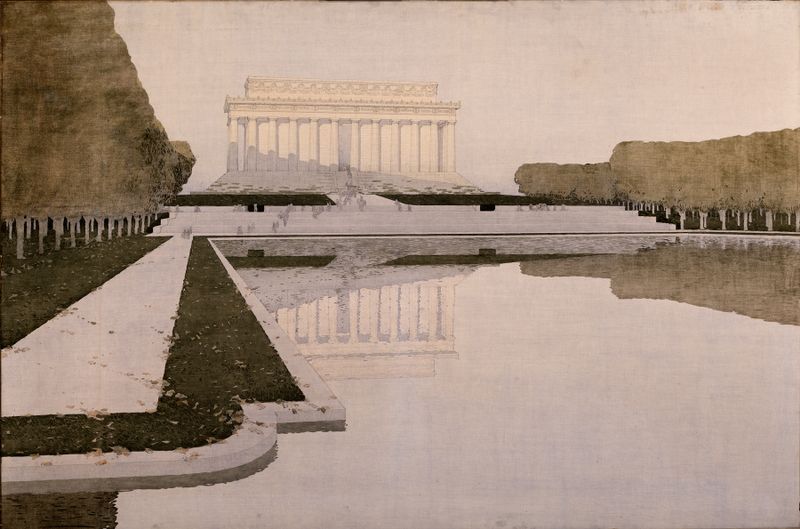
Lincoln Memorial
Henry Bacon
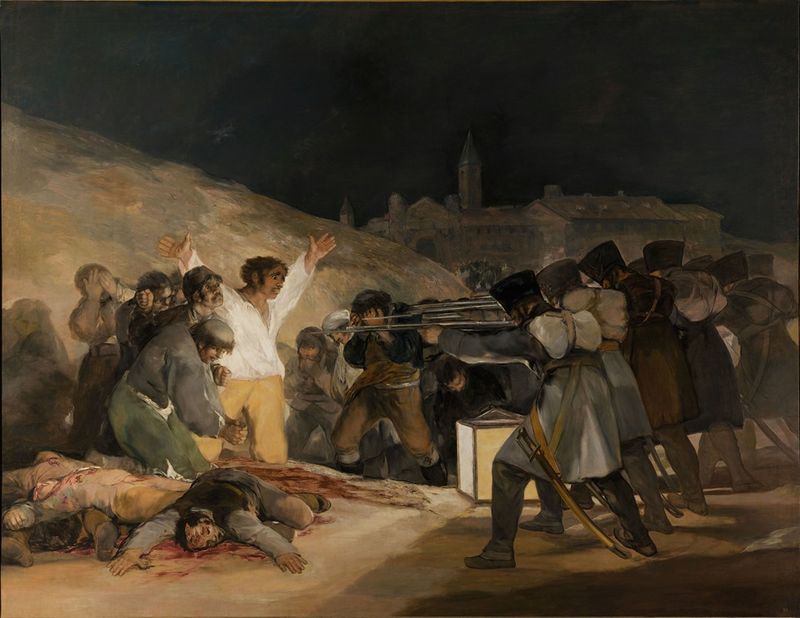
The Third of May 1808
Francisco de Goya

Isaac and Rebecca, Known as ‘The Jewish Bride’
Rembrandt van Rijn
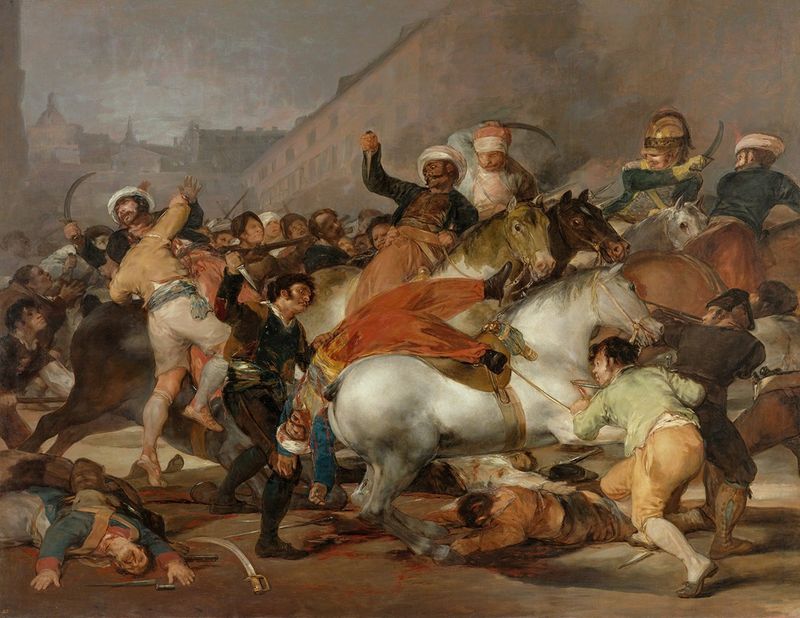
The Charge of the Mamelukes (1814)
Francisco de Goya

De vier ruiters van de apocalyps
Albrecht Dürer