
Kirchturm in Zbyszyce — History & Facts
In the stillness of existence, there lies a profound revelation waiting to be unveiled. Look closely at the tranquil landscape, where a solitary church tower rises against a backdrop of muted earth tones. The soft brushstrokes evoke a sense of serenity, drawing your gaze to the delicate interplay between light and shadow. Notice how the warm hues of the sun-drenched sky kiss the cool shadows of the tower, creating a contrast that speaks to the quiet resilience of faith amid uncertainty. The juxtaposition of the sturdy tower against the ethereal clouds suggests the tension between permanence and transience.
Each element invites contemplation: the way nature envelops human structures, and how the stillness of the scene emanates both hope and solitude. The subtle textures hint at the underlying emotions of a world caught in tumult, yet the tower stands as a beacon of solace, emblematic of a spiritual haven amidst chaos. Franz Poledne painted Kirchturm in Zbyszyce in 1917, a time when Europe wrestled with the shadows of the First World War. Living in Czechoslovakia, Poledne was influenced by the surrounding landscape and the shifting tides of artistic expression, navigating between impressionism and the burgeoning modernist movement.
His work reflects a quest for meaning in a world fraught with conflict, illustrating how art can transcend the immediate to reveal deeper truths.
More Artworks by Franz Poledne
Browse all →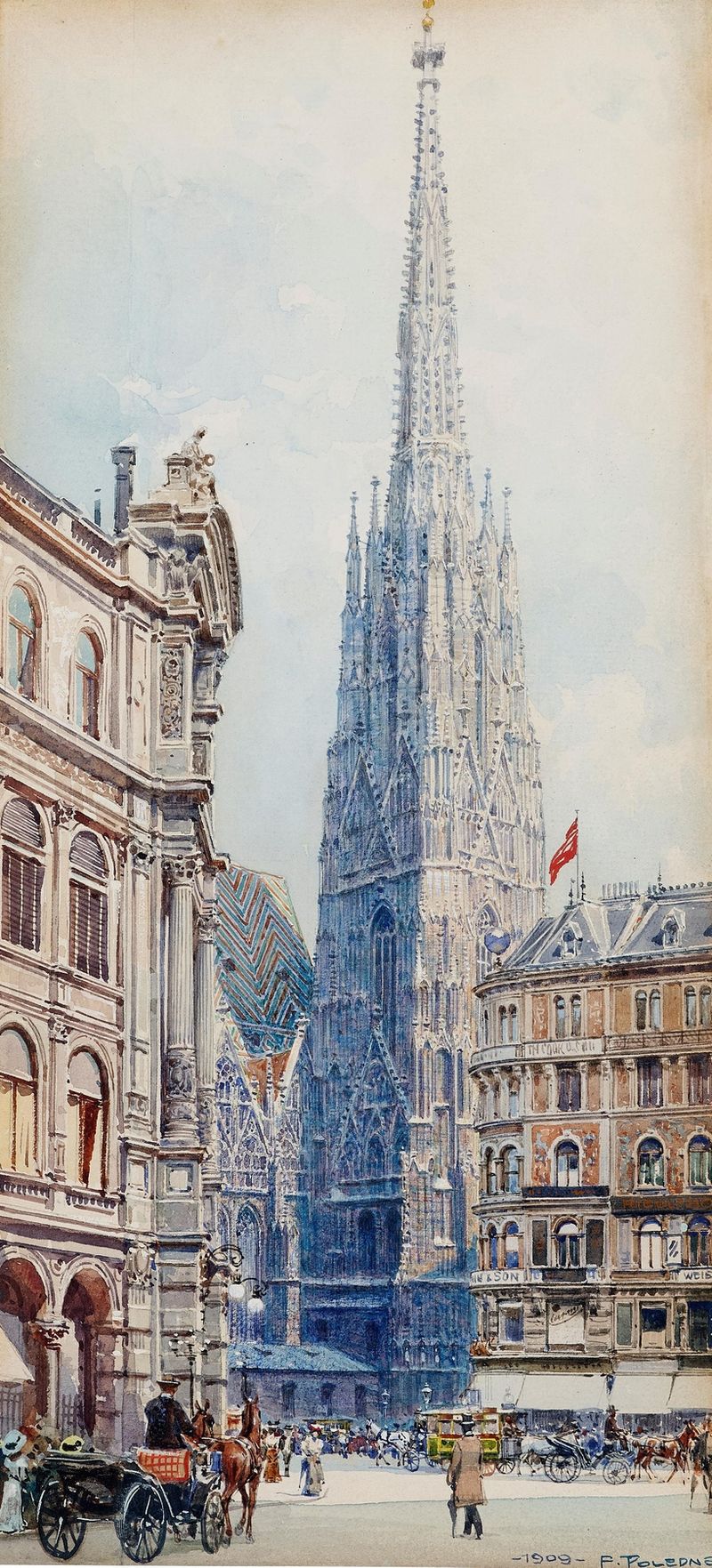
View from Graben to St. Stephen’s cathedral
Franz Poledne
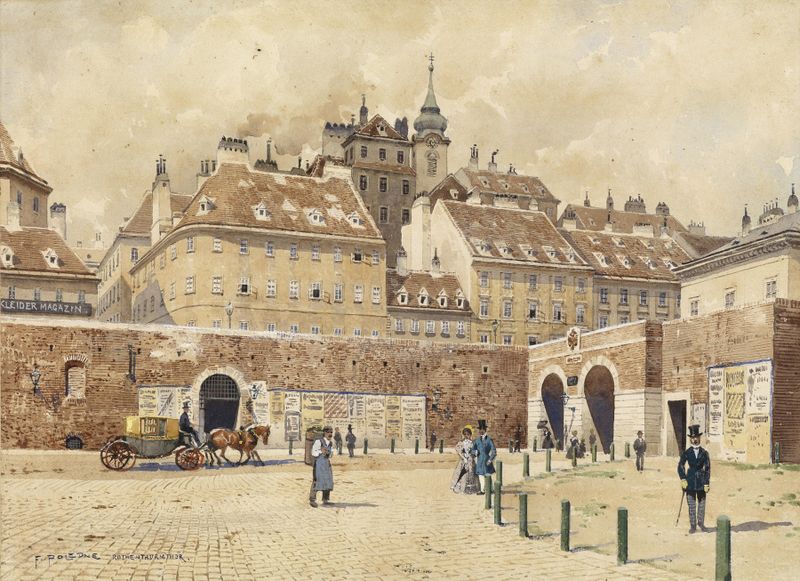
Blick auf Wien vom Rotenthurmtor
Franz Poledne
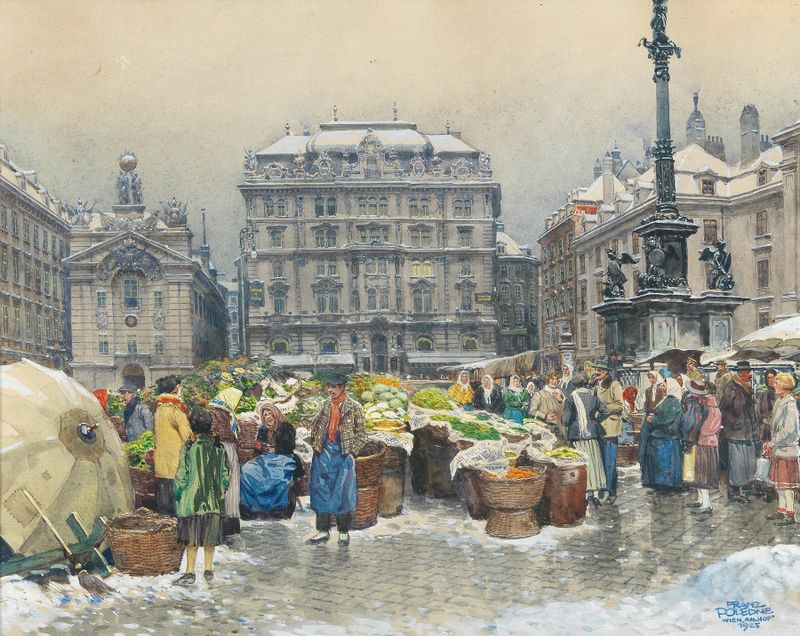
The vegetable market Am Hof
Franz Poledne
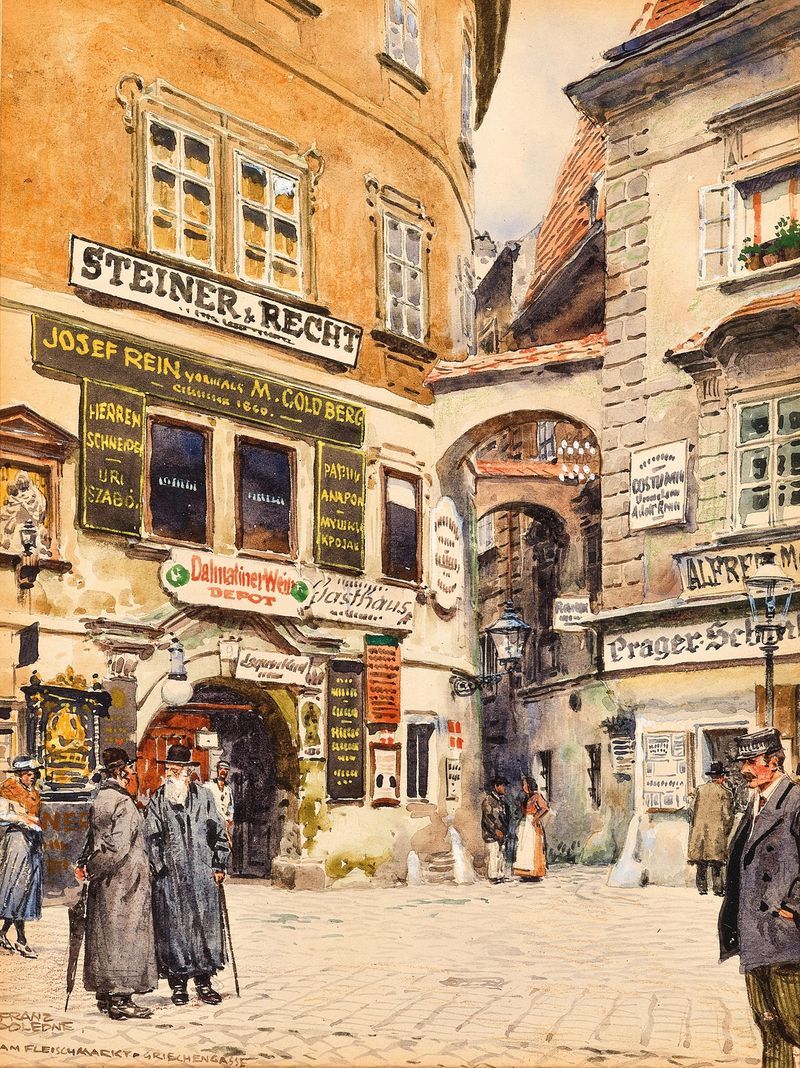
Fleischmarkt in Vienna with figural staffage and a view into Griechengasse
Franz Poledne

Weißenkirchen in der Wachau
Franz Poledne

Kohlmarkt in Vienna and the Kunsthandlung Artaria, carriages, a post man and shopping strollers
Franz Poledne
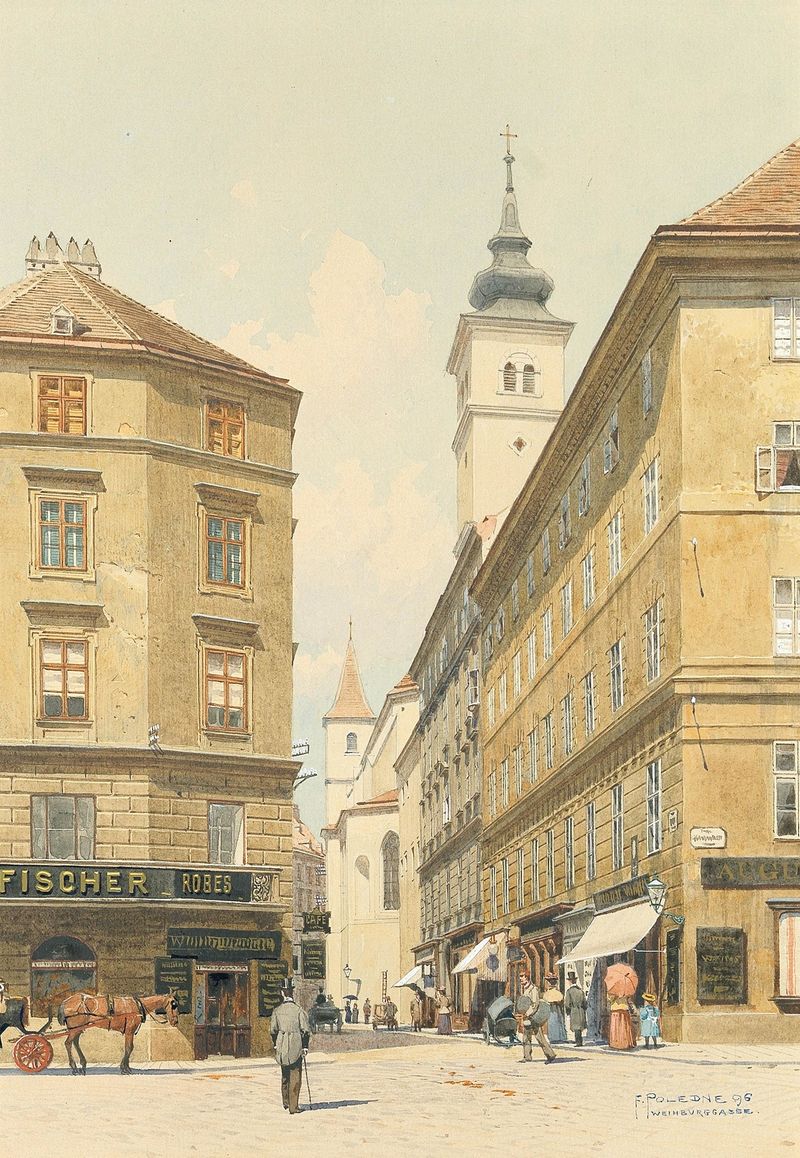
Weihburggasse
Franz Poledne
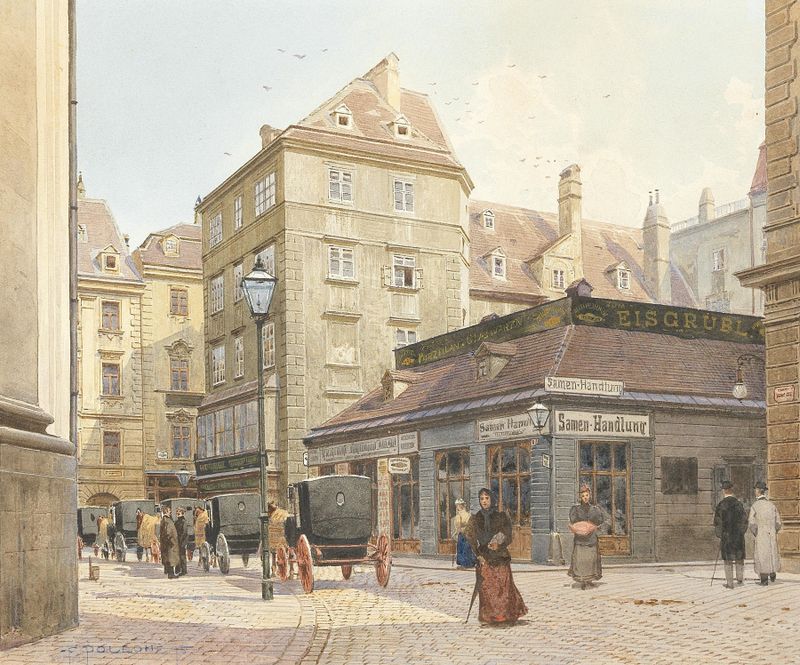
Eisgrübl, Vienna
Franz Poledne
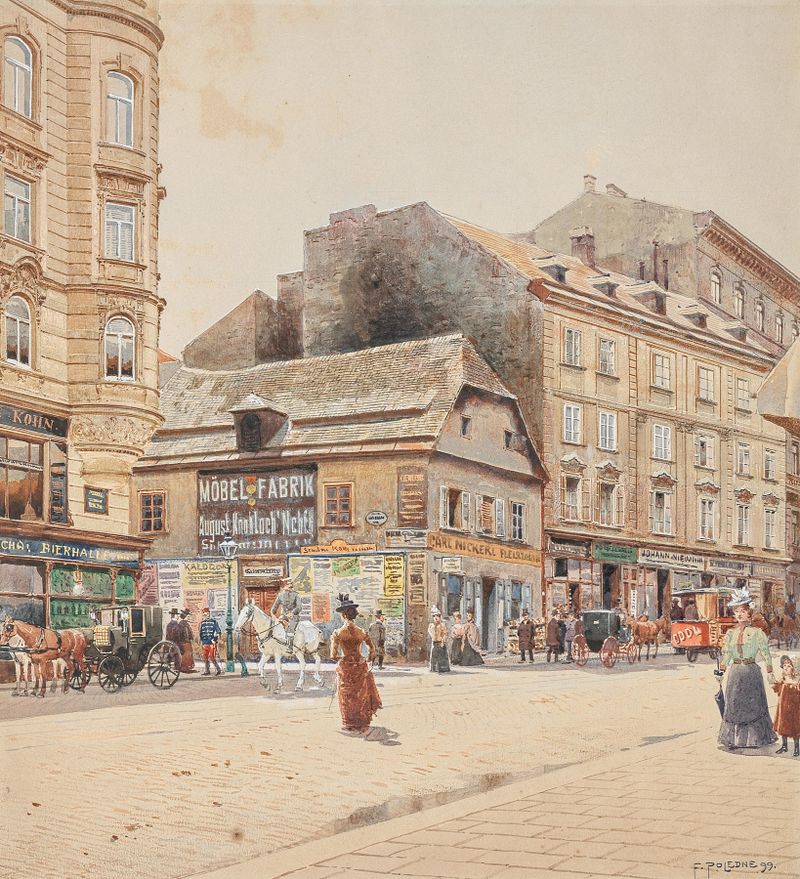
Ecke Ecke Mariahilferstraße und Königsklostergasse
Franz Poledne
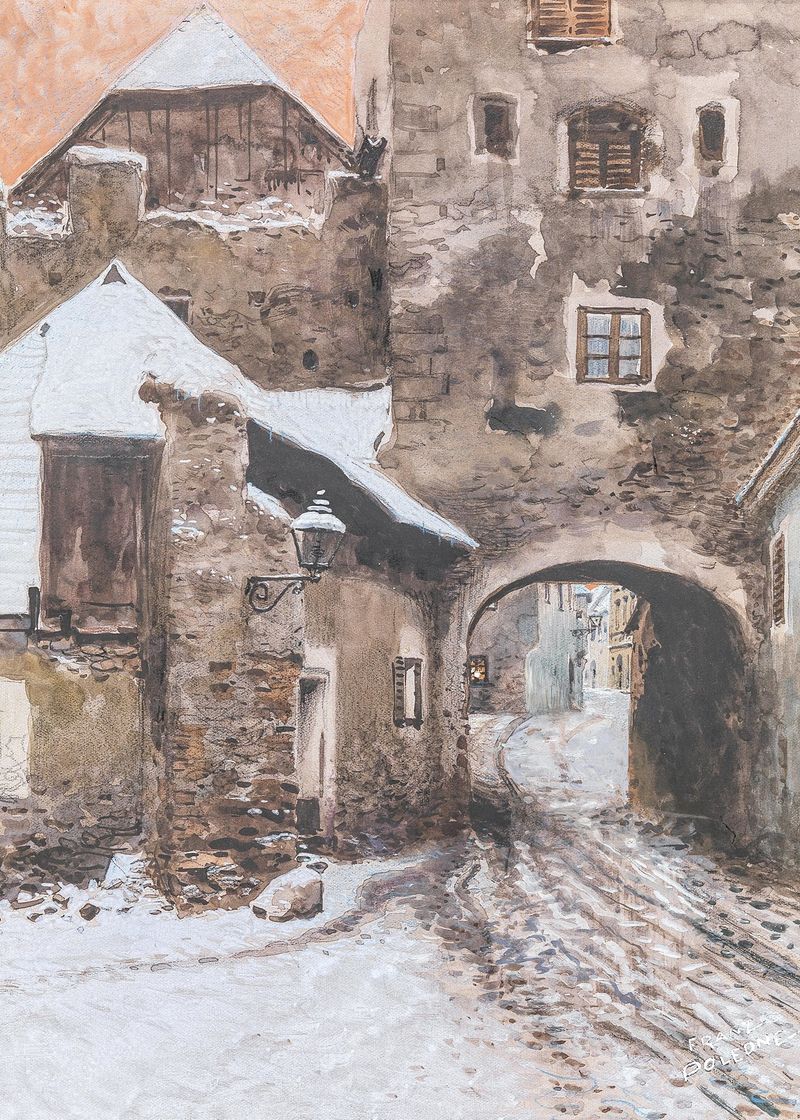
Kremser Tor in Dürnstein im Winter
Franz Poledne





