Kirkeinteriør — History & Facts
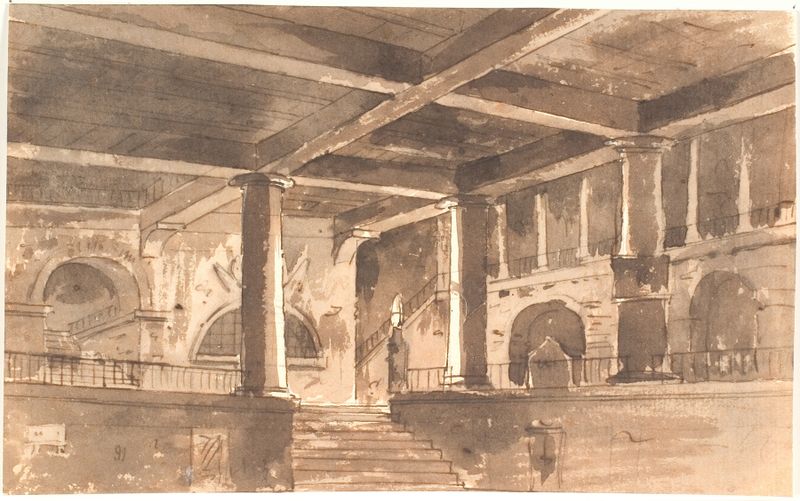
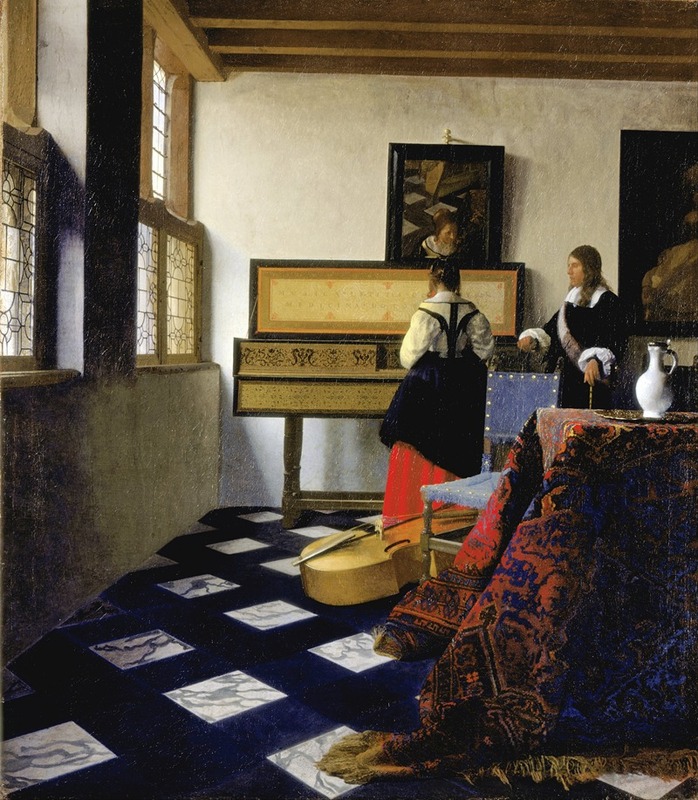
When did color learn to lie? The hues that dance across the canvas often whisper the truths of memory while simultaneously concealing the ache of longing. Look to the warm, golden light that spills generously from ornate windows, casting a gentle glow over the interior space. The serene arrangement of pews leads the eye to the altar, where the interplay of light and shadow creates a soft, inviting atmosphere. The rich browns and soft pastels evoke a sense of nostalgia, inviting viewers into a sacred moment caught between the past and the present.
Note how the delicate brushwork conveys texture, imbuing the wooden surfaces with a tactile quality that resonates emotionally. Beneath its tranquil surface, there lies a complex emotional tension. The stillness of the scene, punctuated by the absence of figures, hints at solitude and introspection. The meticulously rendered details in the architecture contrast with the simplicity of the interior, suggesting a place steeped in memory—a sanctuary that once echoed with voices now silenced.
This juxtaposition invites contemplation on the passing of time and the stories that linger in forgotten corners. Created between 1817 and 1821, this work emerged during a period of transition for its creator, who often focused on the interplay of light and architecture. At this time, the romantic movement was gaining momentum, infusing art with emotional depth and exploration of human experience. The artist’s choice to depict such serene interiors reflects a yearning for connection to a bygone era, mirroring the broader currents in art that sought to express the complexities of human emotion and memory.