
Kleiner Fluss, der ins Meer mündet, links eine Windmühle — History & Facts
When did color learn to lie? The serene beauty of nature often conceals deeper truths beneath its vibrant surface, inviting viewers to look closer. In Kleiner Fluss, der ins Meer mündet, links eine Windmühle, notice how the gentle curves of the river draw your gaze from the foreground to the distant horizon. The windmill stands tall and proud on the left, its blades whispering secrets to the breeze while casting delicate shadows upon the rippling waters below. The palette, drenched in soft blues and warm earth tones, creates an idyllic atmosphere, balancing tranquility with an undercurrent of movement — a reflection of life itself. Yet, amid this picturesque scene, an unease lurks.
The river’s journey towards the sea symbolizes both the passage of time and the inevitability of change. The juxtaposition of the static windmill with the flowing river hints at a tension between nature's permanence and the transience of human endeavors. The glimmers of light dancing on the water's surface evoke a fleeting beauty, suggesting that what we perceive is often just a moment — a reminder that all is in flux, despite appearances. Hendrik Kobell painted this work during the late 18th century, a time marked by a burgeoning appreciation for landscape artistry and the natural world.
Emergent from the Netherlands, Kobell was influenced by the Romantic movement, seeking to capture the essence of nature with emotional depth. His works reflect the era’s evolving relationship with the environment, as well as the artist's personal journey towards mastering the interplay of light and form.
More Artworks by Hendrik Kobell
Browse all →
Bewegte See mit vielen Schiffen, rechts der Hafen mit einer Windmühle und einer großen Kanone
Hendrik Kobell
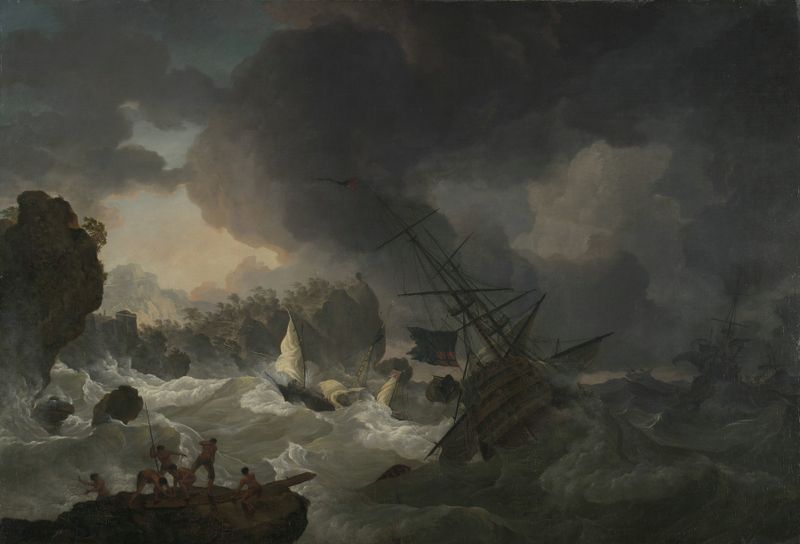
The Shipwreck
Hendrik Kobell
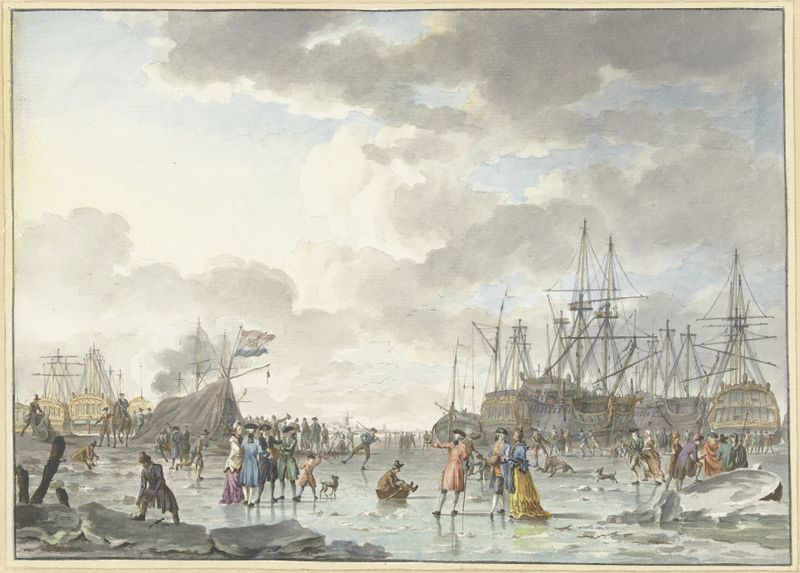
Frost Fair on a Frozen River with Ships
Hendrik Kobell

Ruhige See mit vielen Schiffen, links ein Boot mit zwei Mann, rechts am Ufer sitzt ein Matrose auf einem Korb, ein anderer steht vor ihm
Hendrik Kobell
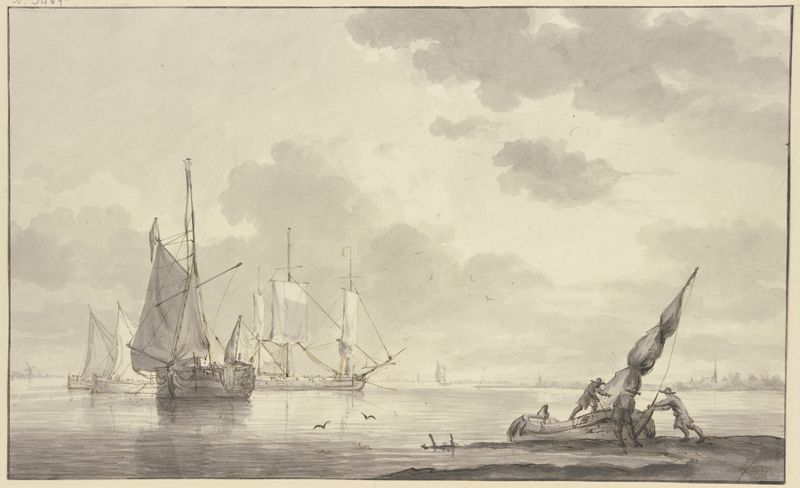
Ruhige See, links liegen mehrere große Schiffe, rechts machen drei Männer ein Boot flott
Hendrik Kobell
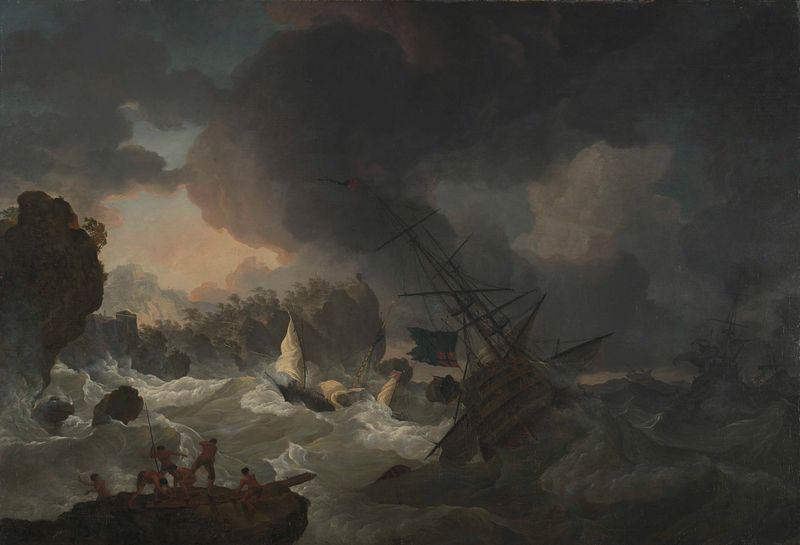
English Warships and a Moroccan chebec in Distress
Hendrik Kobell
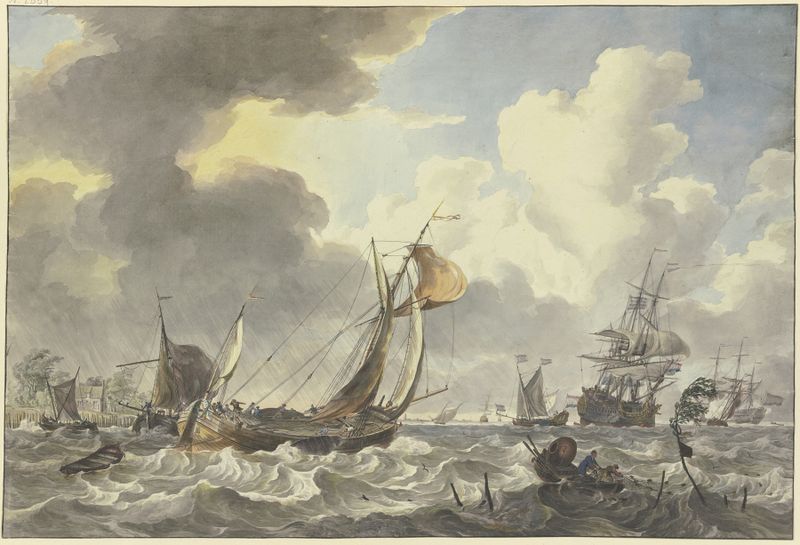
Bewegte See, viele Schiffe laufen aus, vorne rechts ein Fischerboot, in welchem ein Netz gezogen wird
Hendrik Kobell
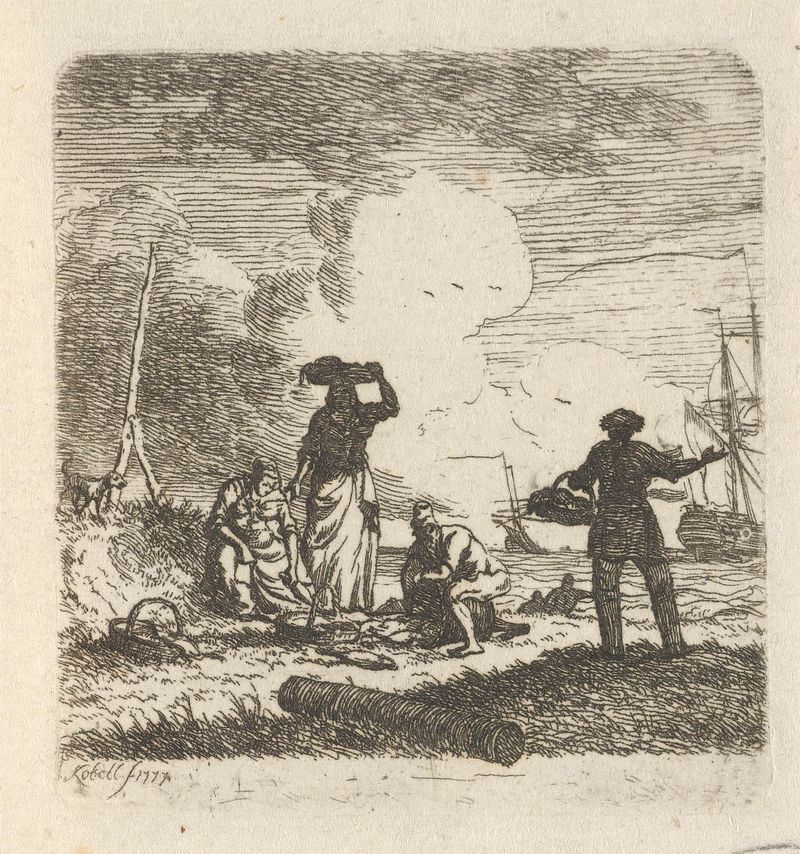
Vissers bij het strand
Hendrik Kobell

Seesturm, rechts ein entmastetes Schiff, links ein Felsen, an welchem ein Schiff vorbeisegelt
Hendrik Kobell
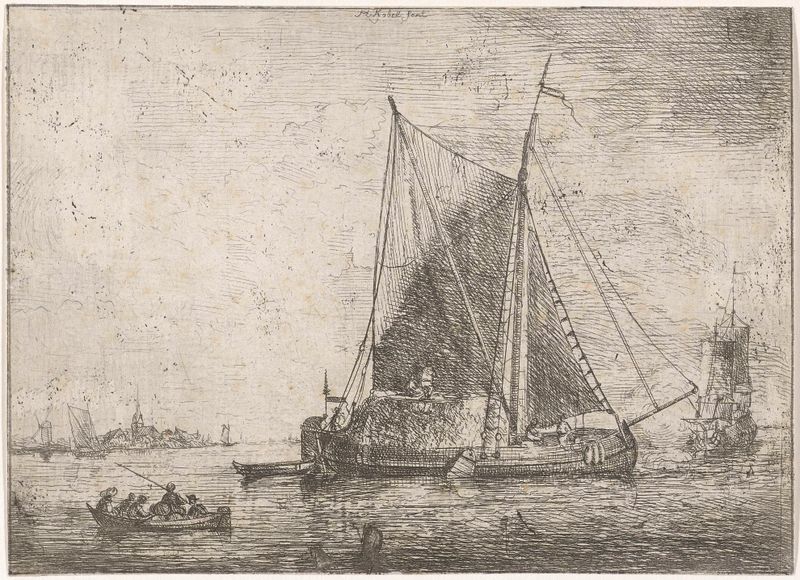
Hooischip
Hendrik Kobell





