
The Shipwreck — History & Facts
Where does light end, and longing begin? In the delicate brushstrokes of The Shipwreck, an unsettling balance emerges between despair and hope, inviting contemplation amidst chaos. Look to the left of the canvas, where the tumultuous waves crash against the jagged rocks, their frothy white tops illuminated by a pale, waning sun. This radiant light starkly contrasts the dark, brooding clouds that loom overhead, creating a sense of impending doom. Notice how Kobell employs a muted palette, dominated by deep blues and grays, punctuated by splashes of ochre that capture the fleeting warmth of the sun.
The composition draws your eye through the turmoil of the ocean, culminating at the central wreckage, a broken ship that symbolizes both destruction and the struggle for survival. Beneath the surface chaos lies a poignant narrative of human vulnerability. The figures struggling in the water exhibit a frail humanity against the vastness of nature, their desperate gestures invoking a deep empathy. The interplay of light and shadow emphasizes this dichotomy, contrasting the illuminating hope of the fading sun with the encroaching darkness of the storm.
This balance between light and shadow serves as a metaphor for the fragility of life itself, capturing the transient beauty that exists even in despair. In 1775, Hendrik Kobell painted The Shipwreck during a period when maritime themes were gaining popularity in Dutch art. The artist, already recognized for his adeptness in landscape and seascape depiction, was influenced by Romanticism's emerging focus on emotion and nature's power. Amidst a changing artistic landscape, Kobell's work stands as a testament to both his technical mastery and the deep emotional resonance of human struggle against nature's relentless forces.
More Artworks by Hendrik Kobell
Browse all →
Bewegte See mit vielen Schiffen, rechts der Hafen mit einer Windmühle und einer großen Kanone
Hendrik Kobell
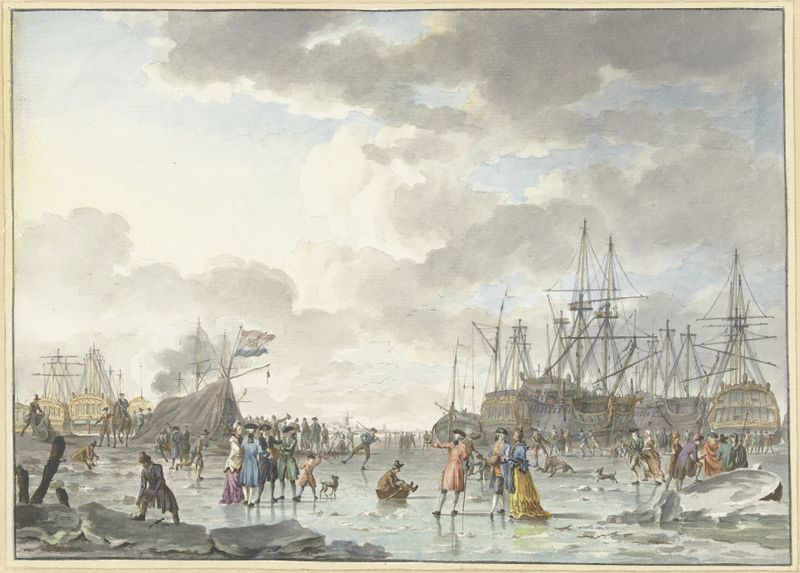
Frost Fair on a Frozen River with Ships
Hendrik Kobell

Kleiner Fluss, der ins Meer mündet, links eine Windmühle
Hendrik Kobell

Ruhige See mit vielen Schiffen, links ein Boot mit zwei Mann, rechts am Ufer sitzt ein Matrose auf einem Korb, ein anderer steht vor ihm
Hendrik Kobell
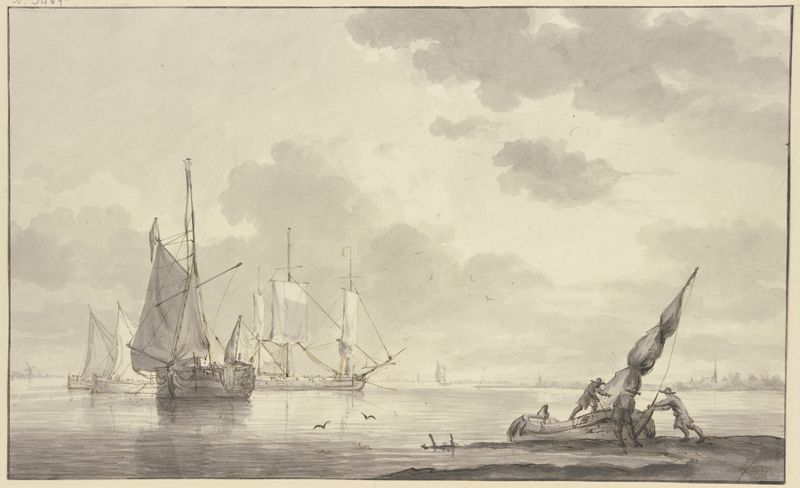
Ruhige See, links liegen mehrere große Schiffe, rechts machen drei Männer ein Boot flott
Hendrik Kobell
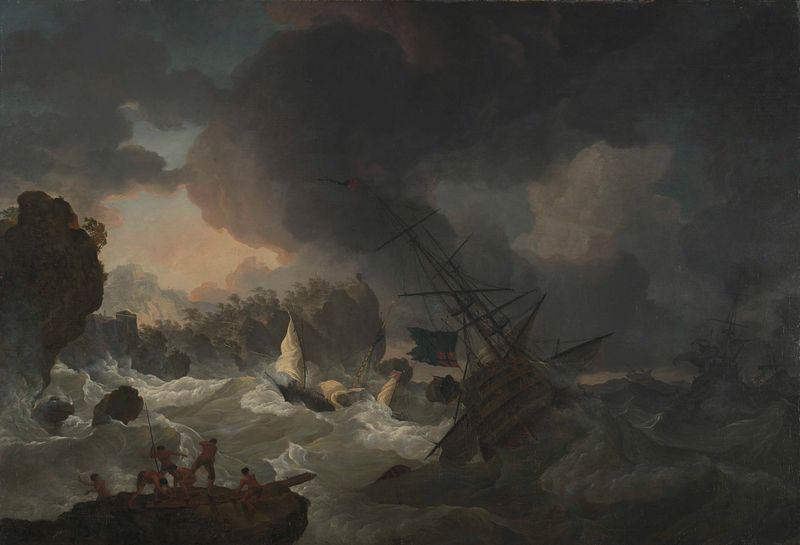
English Warships and a Moroccan chebec in Distress
Hendrik Kobell
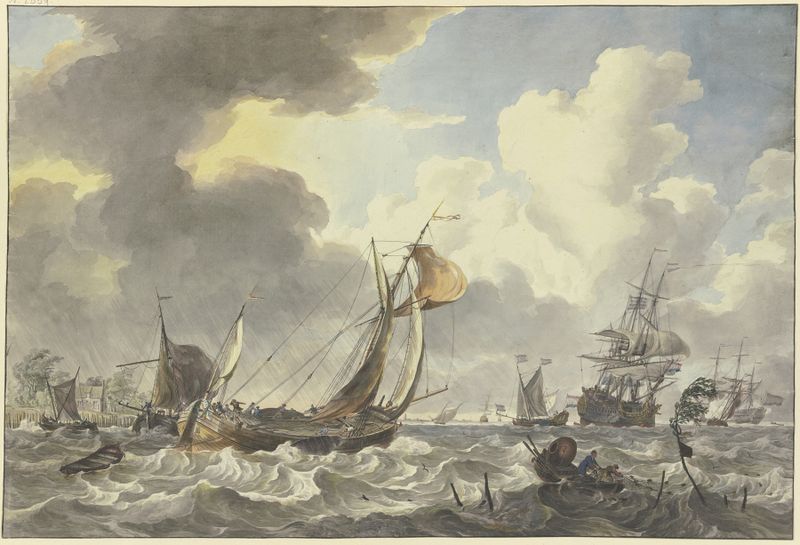
Bewegte See, viele Schiffe laufen aus, vorne rechts ein Fischerboot, in welchem ein Netz gezogen wird
Hendrik Kobell
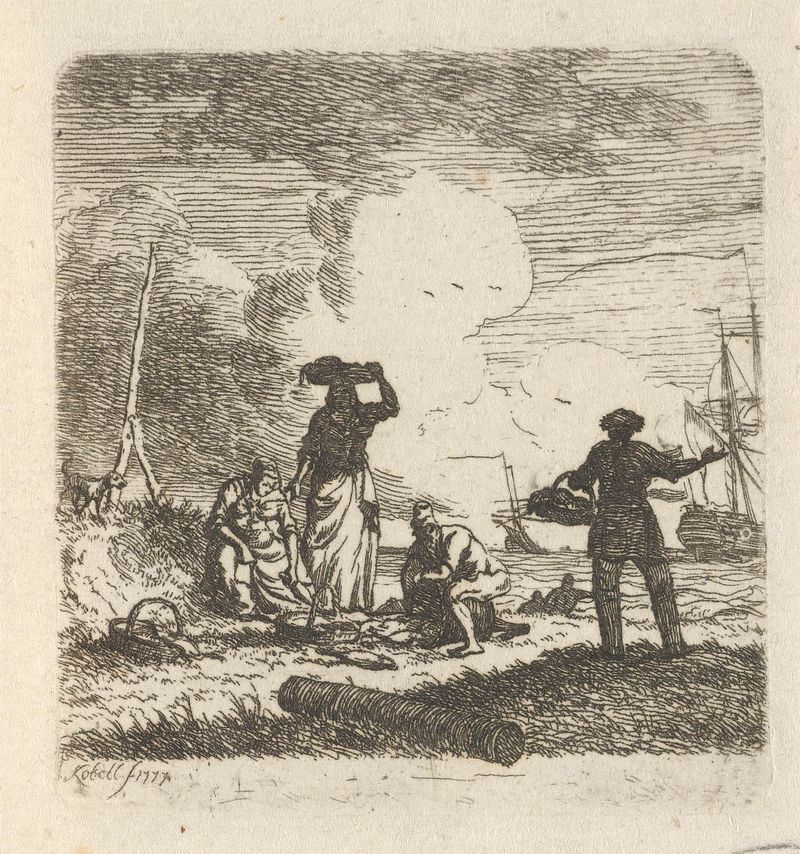
Vissers bij het strand
Hendrik Kobell

Seesturm, rechts ein entmastetes Schiff, links ein Felsen, an welchem ein Schiff vorbeisegelt
Hendrik Kobell
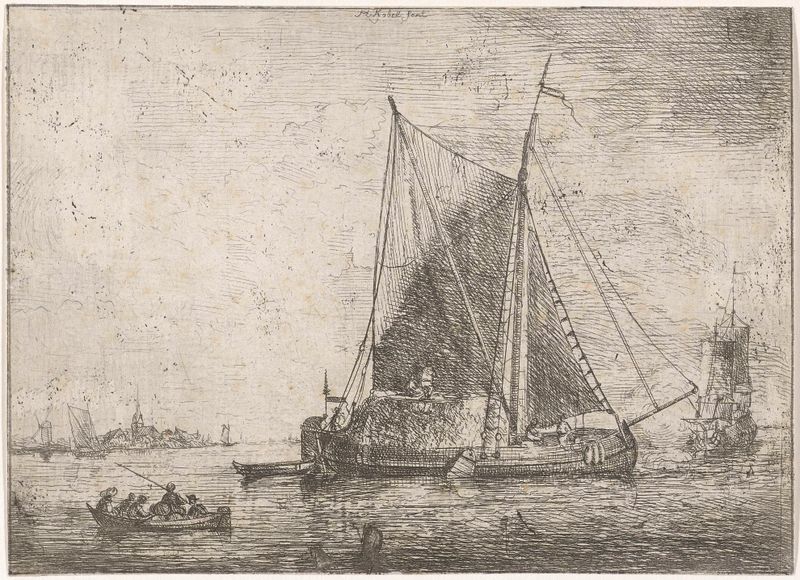
Hooischip
Hendrik Kobell





