
Hooischip — History & Facts
What secret hides in the quiet of the canvas? In Hooischip, the stillness of the moment invites viewers to reflect, as it captures the essence of nostalgia intertwined with the passage of time. Focus on the serene arrangement of figures gathered around a small fishing boat, the soft hues of blues and greens drawing you in. Notice how the light plays across the water, creating a gentle shimmer that contrasts with the earthy tones of the sandy shore. The delicate brushwork reveals the textures of the boat and the ripples of the water, guiding your eye through the composition with a sense of harmony and tranquility. Within this peaceful scene lies a deeper emotional resonance.
The way the figures lean into their work suggests a labor of love, while the distant horizon evokes a longing for adventures yet to be embarked upon. The calm waters reflect not only the physical landscape but also the internal landscapes of the characters, hinting at stories untold and memories cherished. The juxtaposition of labor and leisure captures the delicate balance of life’s burdens and joys. Hendrik Kobell created this piece between 1761 and 1779 in the Netherlands, a time when the art world was navigating the transition from Rococo to Neoclassicism.
Kobell, influenced by his surroundings and the maritime culture of his homeland, depicted everyday life with a naturalistic approach, focusing on the beauty found in simplicity. His work during this period showcased his interest in capturing both the literal and emotional aspects of human experience, making Hooischip a significant reflection of his artistic evolution.
More Artworks by Hendrik Kobell
Browse all →
Bewegte See mit vielen Schiffen, rechts der Hafen mit einer Windmühle und einer großen Kanone
Hendrik Kobell
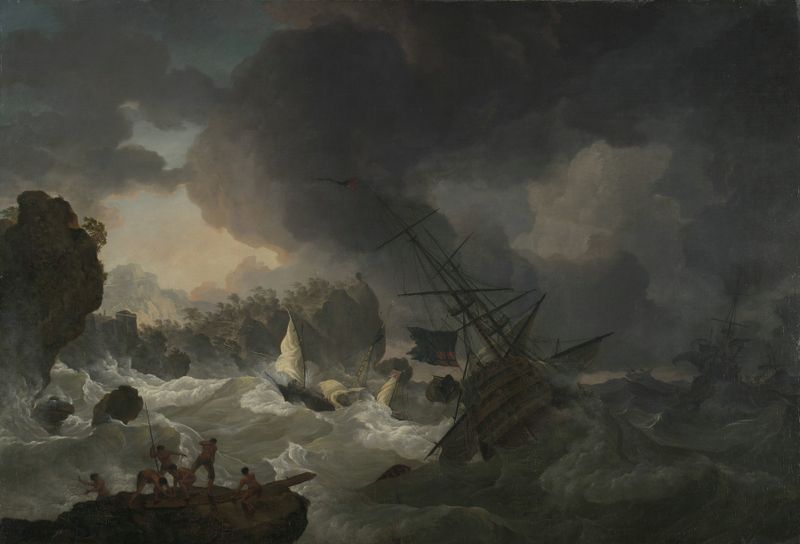
The Shipwreck
Hendrik Kobell
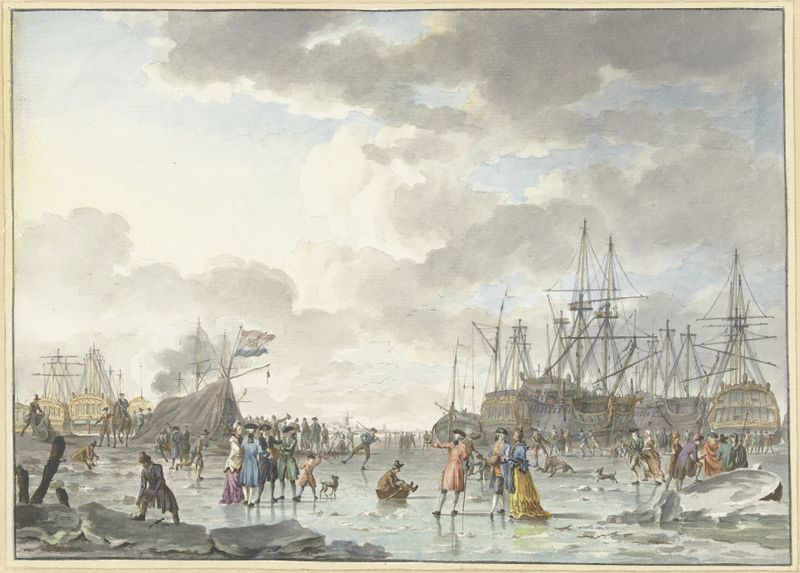
Frost Fair on a Frozen River with Ships
Hendrik Kobell

Kleiner Fluss, der ins Meer mündet, links eine Windmühle
Hendrik Kobell

Ruhige See mit vielen Schiffen, links ein Boot mit zwei Mann, rechts am Ufer sitzt ein Matrose auf einem Korb, ein anderer steht vor ihm
Hendrik Kobell
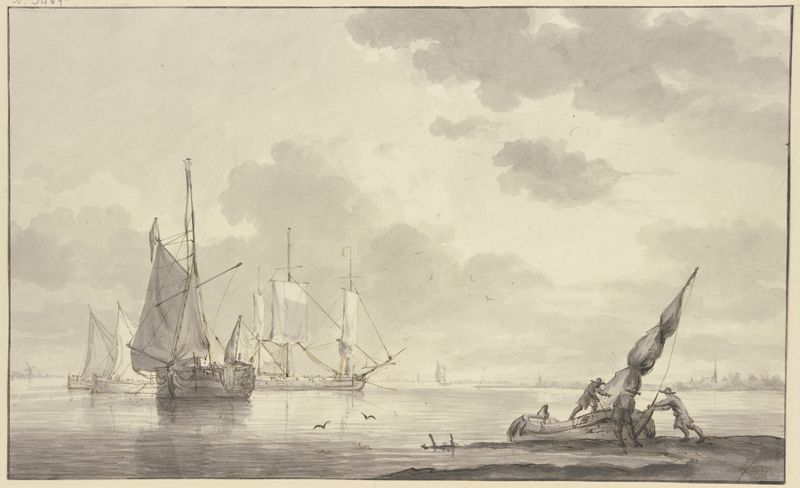
Ruhige See, links liegen mehrere große Schiffe, rechts machen drei Männer ein Boot flott
Hendrik Kobell
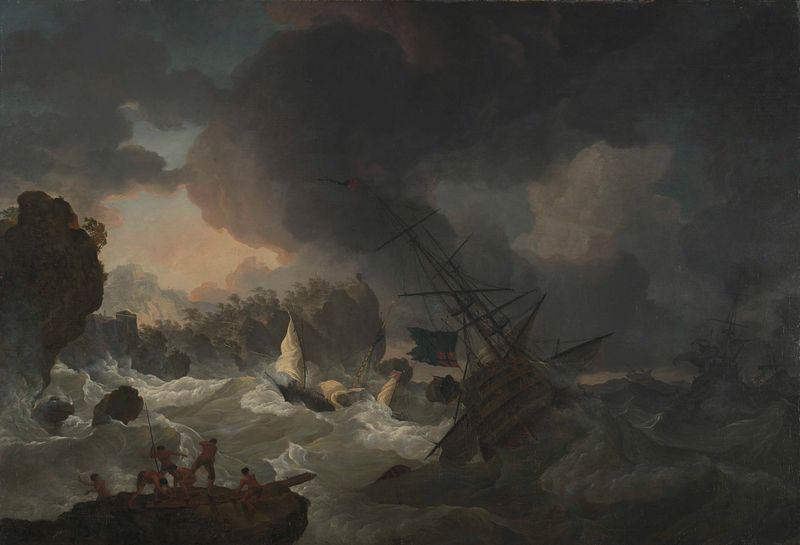
English Warships and a Moroccan chebec in Distress
Hendrik Kobell
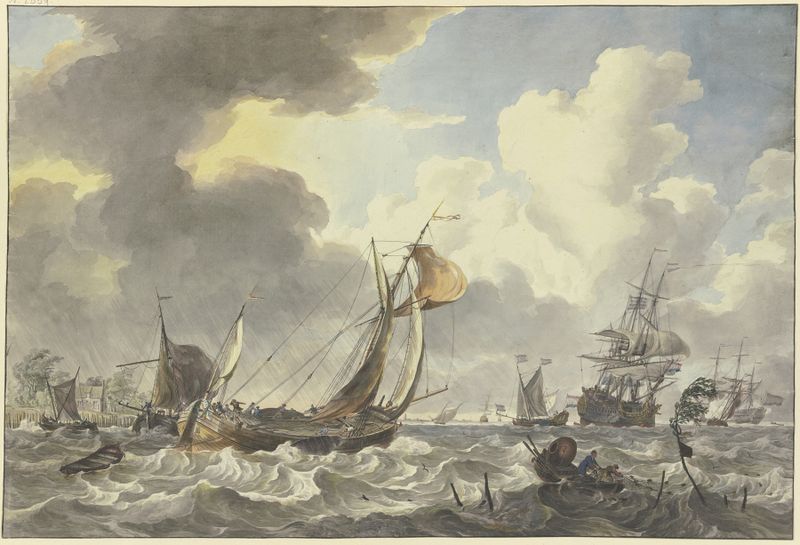
Bewegte See, viele Schiffe laufen aus, vorne rechts ein Fischerboot, in welchem ein Netz gezogen wird
Hendrik Kobell
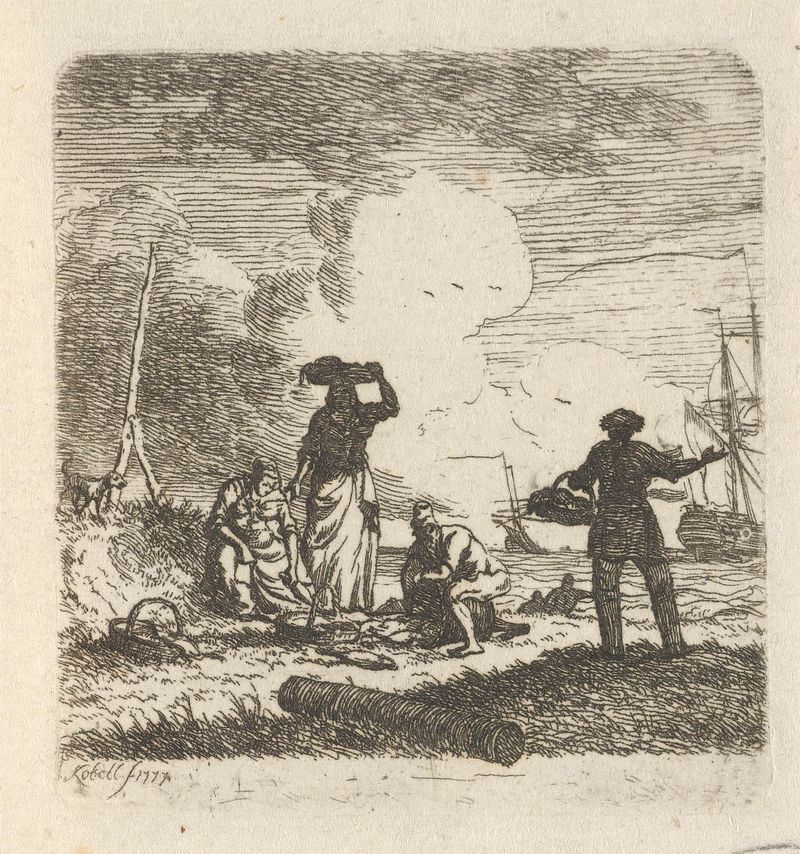
Vissers bij het strand
Hendrik Kobell

Seesturm, rechts ein entmastetes Schiff, links ein Felsen, an welchem ein Schiff vorbeisegelt
Hendrik Kobell





