
Discover insights about this artwork
Knight, death and the devil — History & Facts
In Knight, Death and the Devil, we see a knight in full armor riding a horse through a dark and foreboding landscape. The knight appears resolute, facing the viewer with a determined expression. Surrounding him are symbolic figures: Death, depicted as a skeletal figure, and the Devil, represented by a monstrous creature.
The colors are muted, with shades of gray and brown dominating the scene, creating a somber atmosphere. This artwork is an engraving, a technique that allows for fine detail and precision. Dürer’s meticulous line work is evident, showcasing his skill in rendering textures and forms. The composition is carefully balanced, with the knight positioned centrally, drawing the viewer's eye.
The intricate details of the knight's armor and the surrounding figures highlight Dürer's technical prowess. Albrecht Dürer was a key figure of the Northern Renaissance, known for his innovative use of printmaking. Knight, Death and the Devil is one of his most famous engravings, reflecting his interest in themes of morality and the human condition. An interesting fact about this work is that it was created during a time of great social and religious upheaval in Europe, which influenced its allegorical content.
More Artworks by Albrecht Dürer
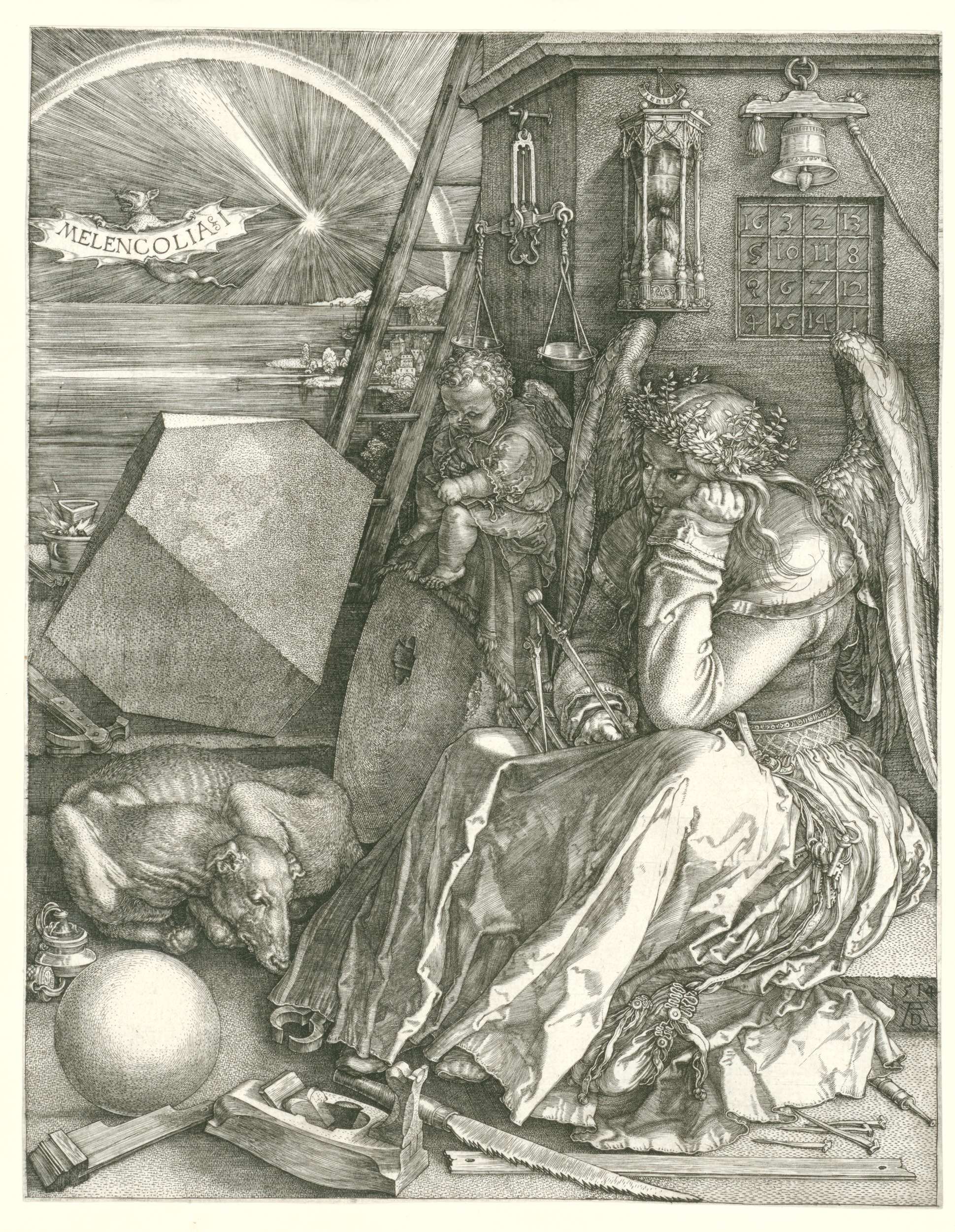
Melancholia
Albrecht Dürer

St. George and the dragon.
Albrecht Dürer

Adam and Eve (The Fall of Man)
Albrecht Dürer
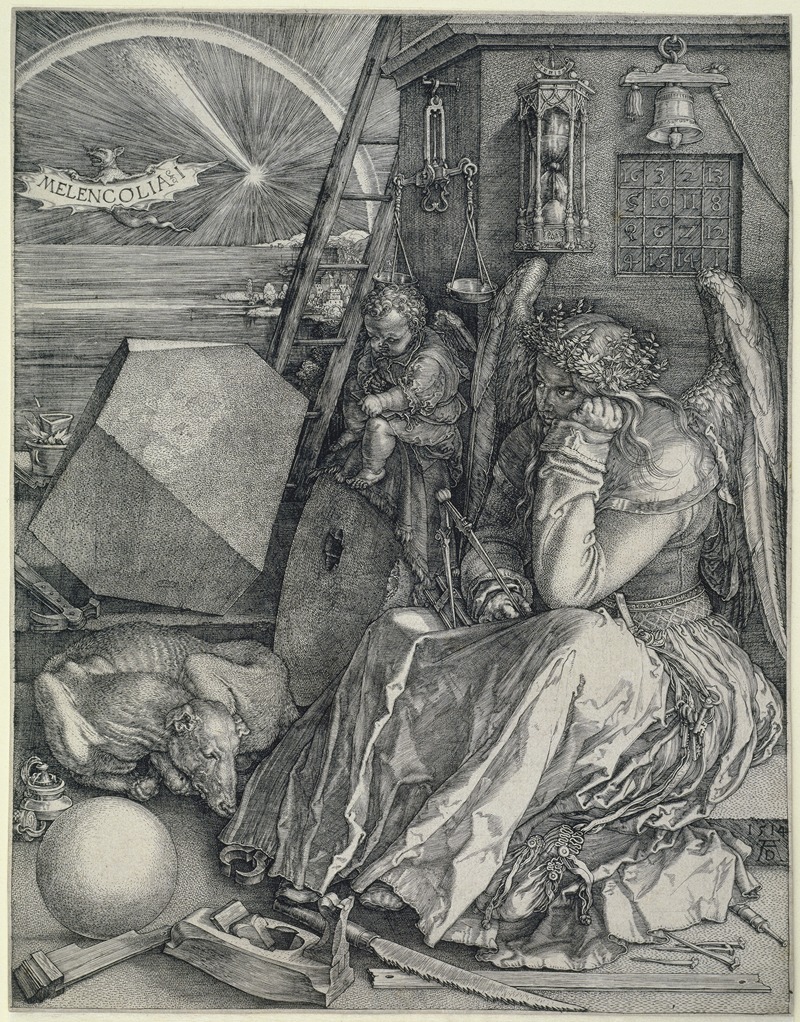
Melencolia I (The Melancholy)
Albrecht Dürer
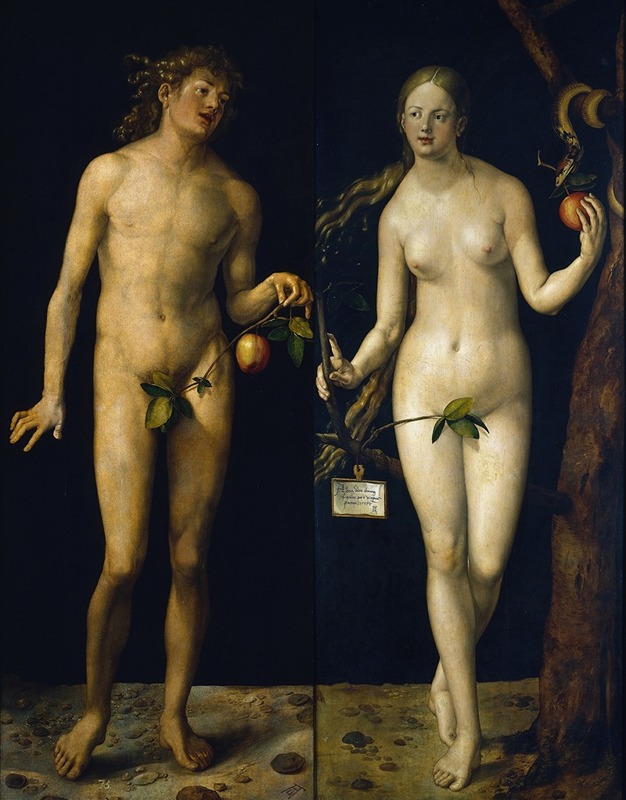
Adam And Eve
Albrecht Dürer
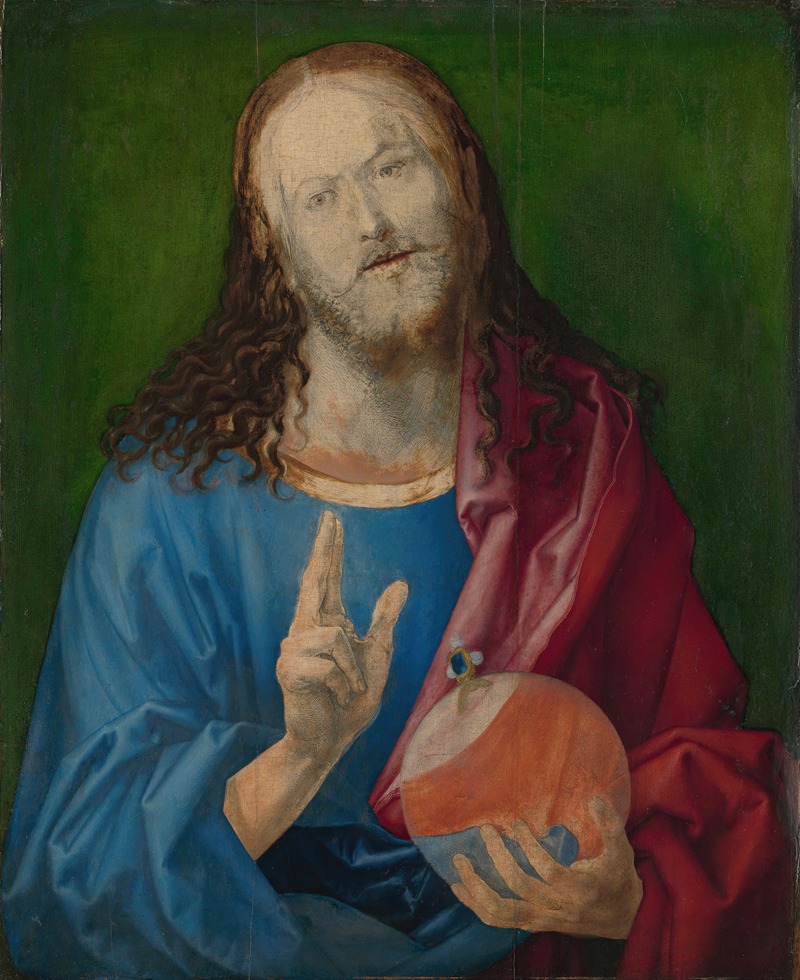
Salvator Mundi
Albrecht Dürer
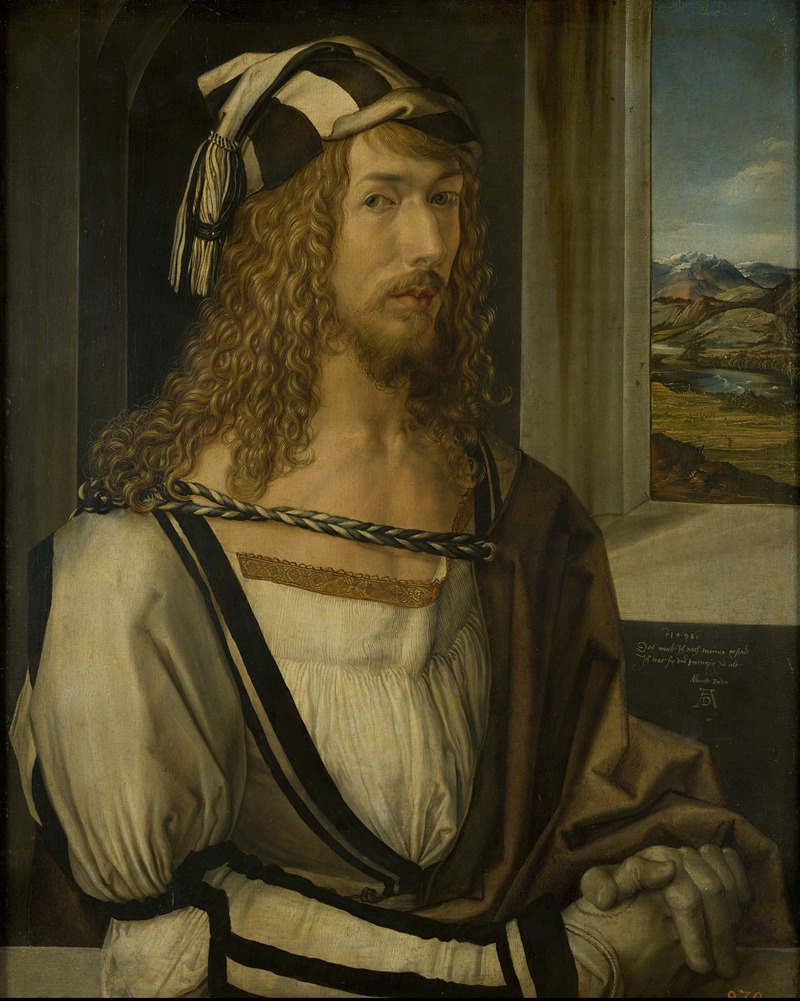
Self-portrait
Albrecht Dürer
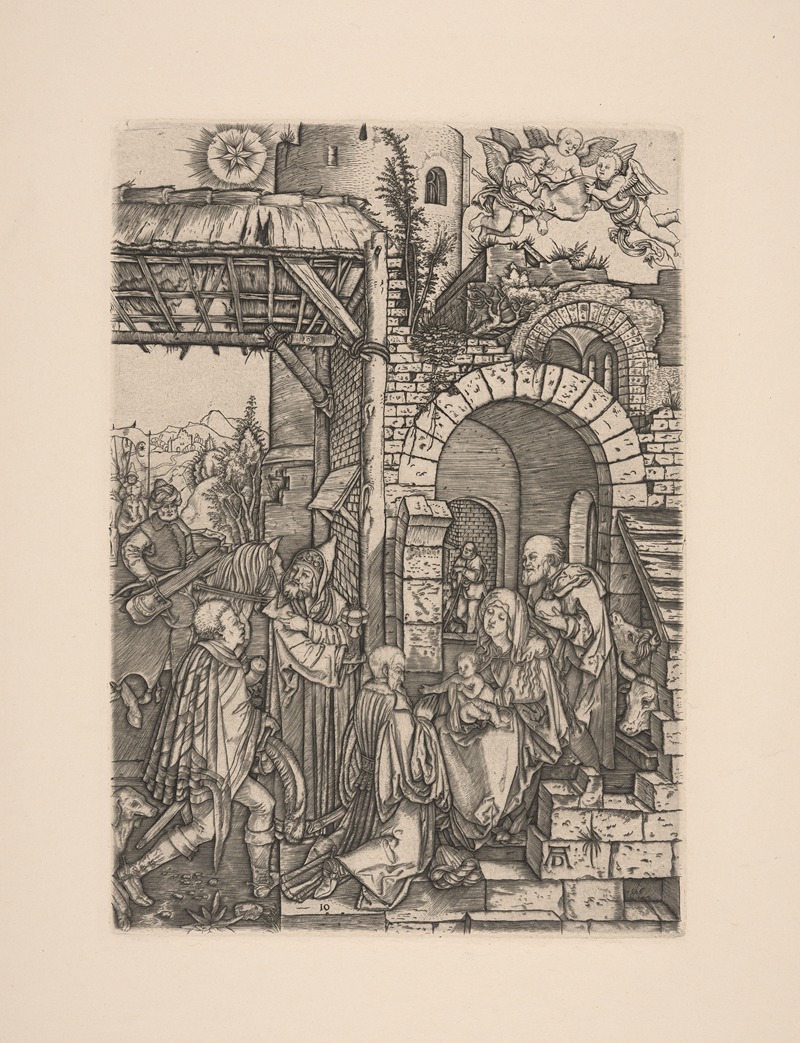
The Adoration of the Magi
Albrecht Dürer
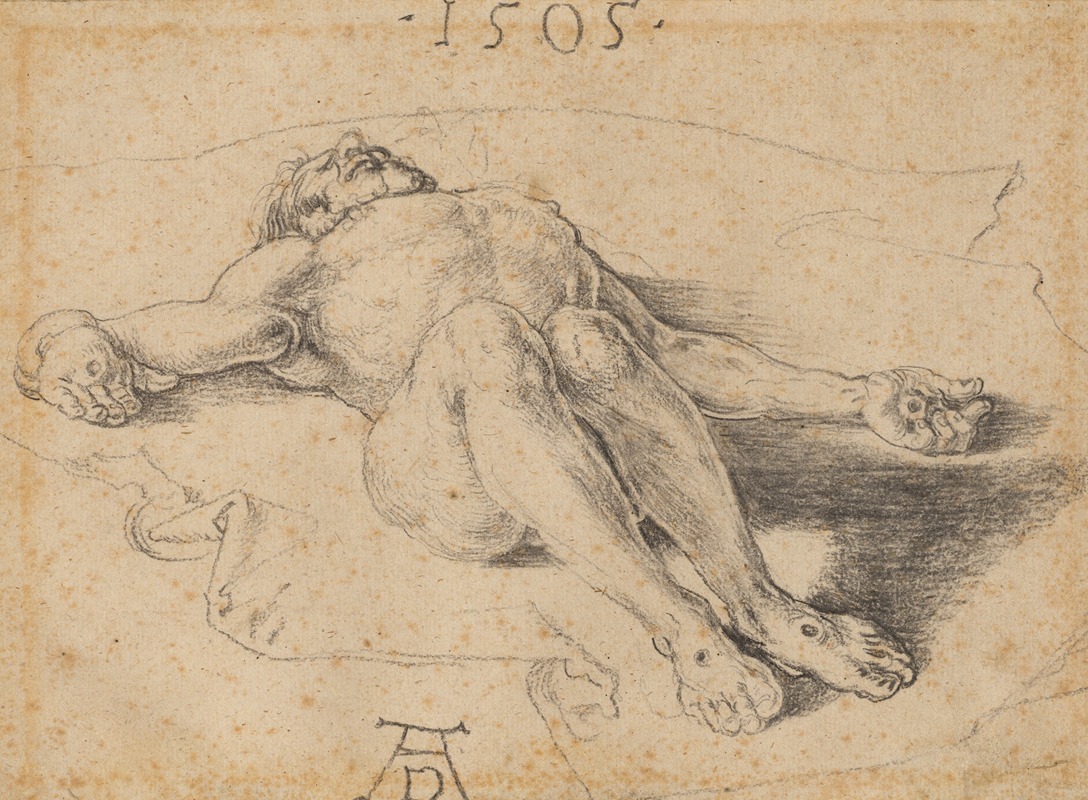
The Dead Christ
Albrecht Dürer
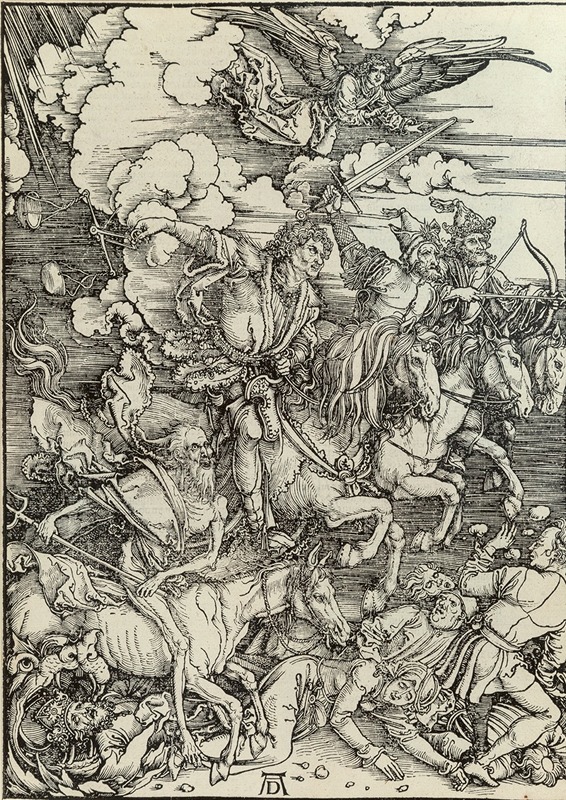
The Four Horsemen of the Apocalypse, from The Apocalypse
Albrecht Dürer
More Allegory Art
Melancholia
Albrecht Dürer
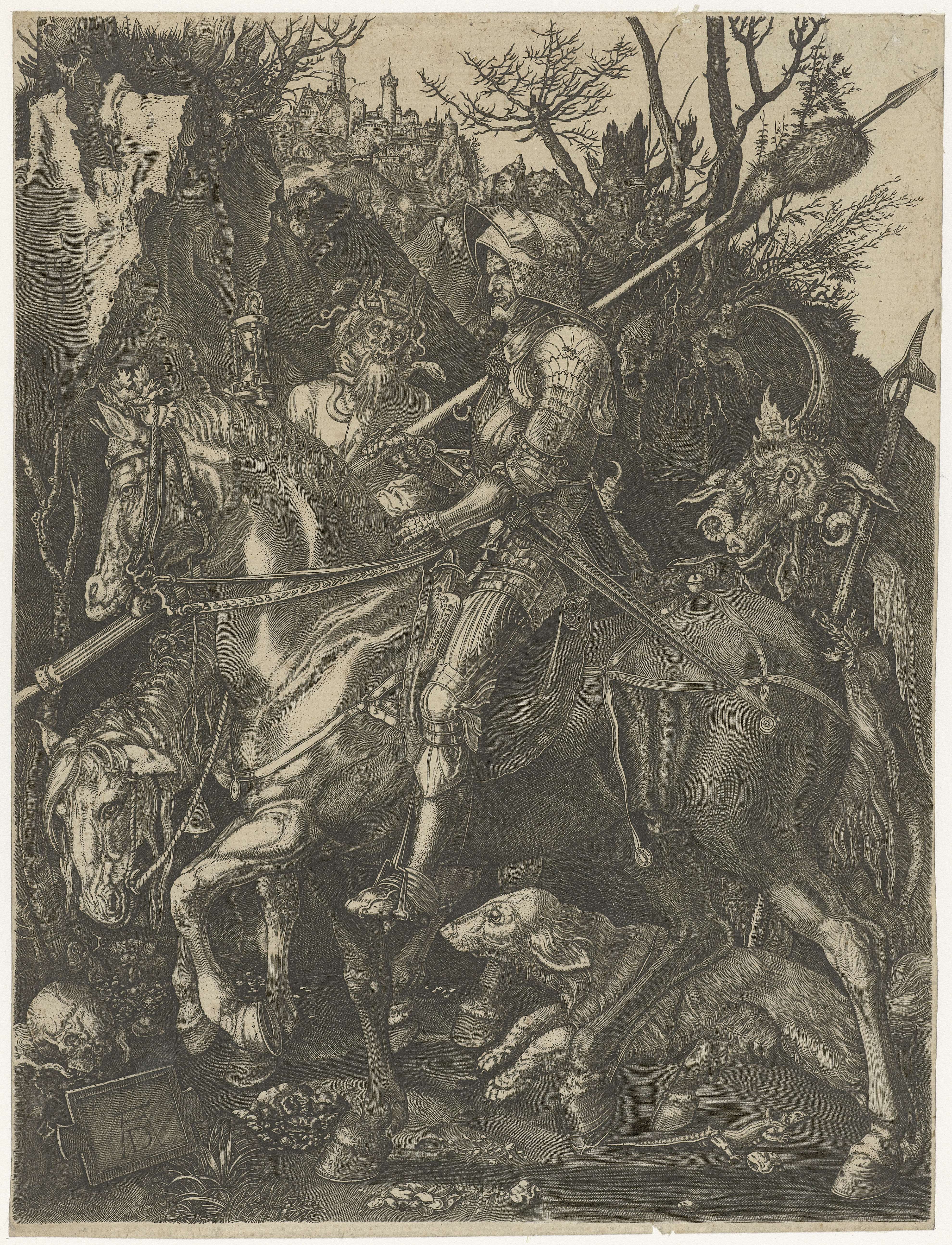
Ridder, Dood en Duivel
Unknown Artist
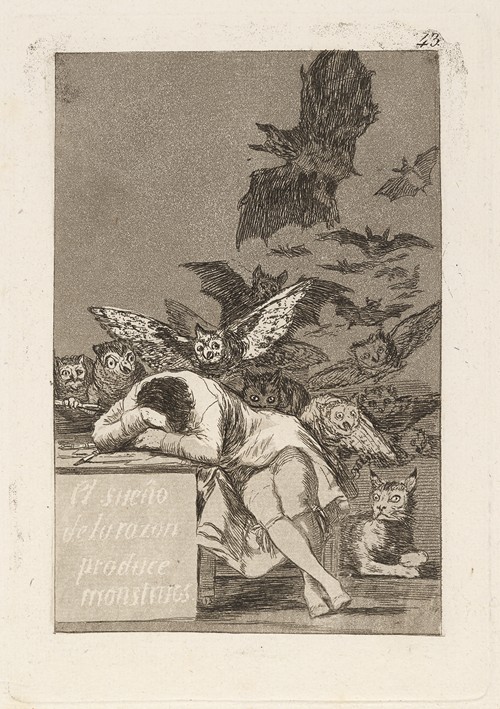
El sueño de la razon produce monstruos. (The sleep of reason produces monsters.)
Francisco de Goya
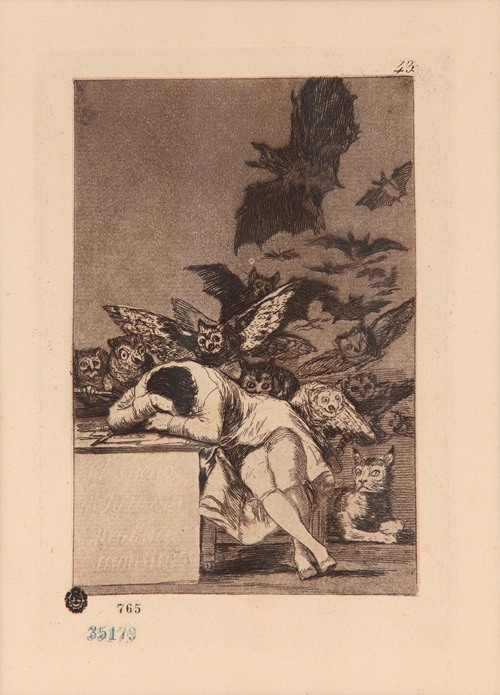
El sueño de la razon produce moustruos (Serie Caprichos)
Francisco de Goya
Melencolia I (The Melancholy)
Albrecht Dürer
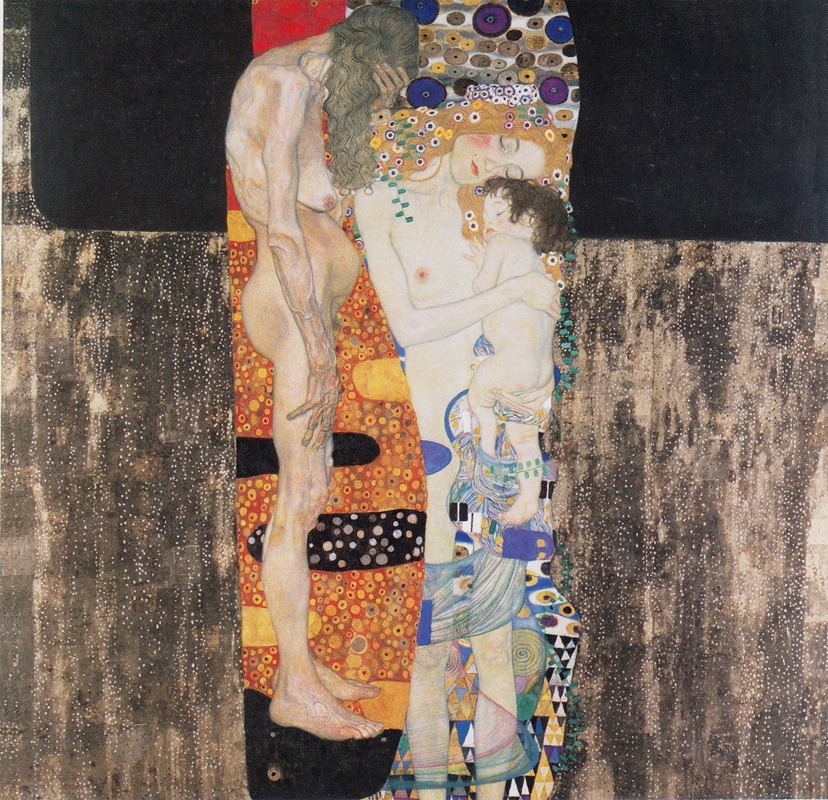
The Three Ages of the Woman
Gustav Klimt