Discover insights about this artwork
Adam and Eve (The Fall of Man) — History & Facts
In Adam and Eve (The Fall of Man) by Albrecht Dürer, we see two figures, Adam and Eve, standing in a lush garden. The colors are vibrant, with rich greens and earthy tones dominating the scene. Eve is depicted reaching for the forbidden fruit, while Adam stands beside her, looking contemplative.
The background features a detailed landscape filled with trees and animals, enhancing the narrative of the biblical story. This artwork is an engraving, showcasing Dürer's skill in line work and detail. The figures are rendered with anatomical precision, reflecting the Northern Renaissance's focus on realism. Viewers can observe the intricate textures of the foliage and the delicate expressions on the figures' faces.
The use of light and shadow adds depth to the composition, drawing attention to the central figures. Albrecht Dürer was a leading figure of the Northern Renaissance, known for his innovative techniques in printmaking. Adam and Eve was created around 1504 and is one of his most famous works, reflecting the artist's interest in humanism and biblical themes. An interesting fact is that this piece was influenced by classical sculpture, evident in the poses of Adam and Eve.
Dürer's work continues to be celebrated for its intricate detail and emotional depth.
More Artworks by Albrecht Dürer
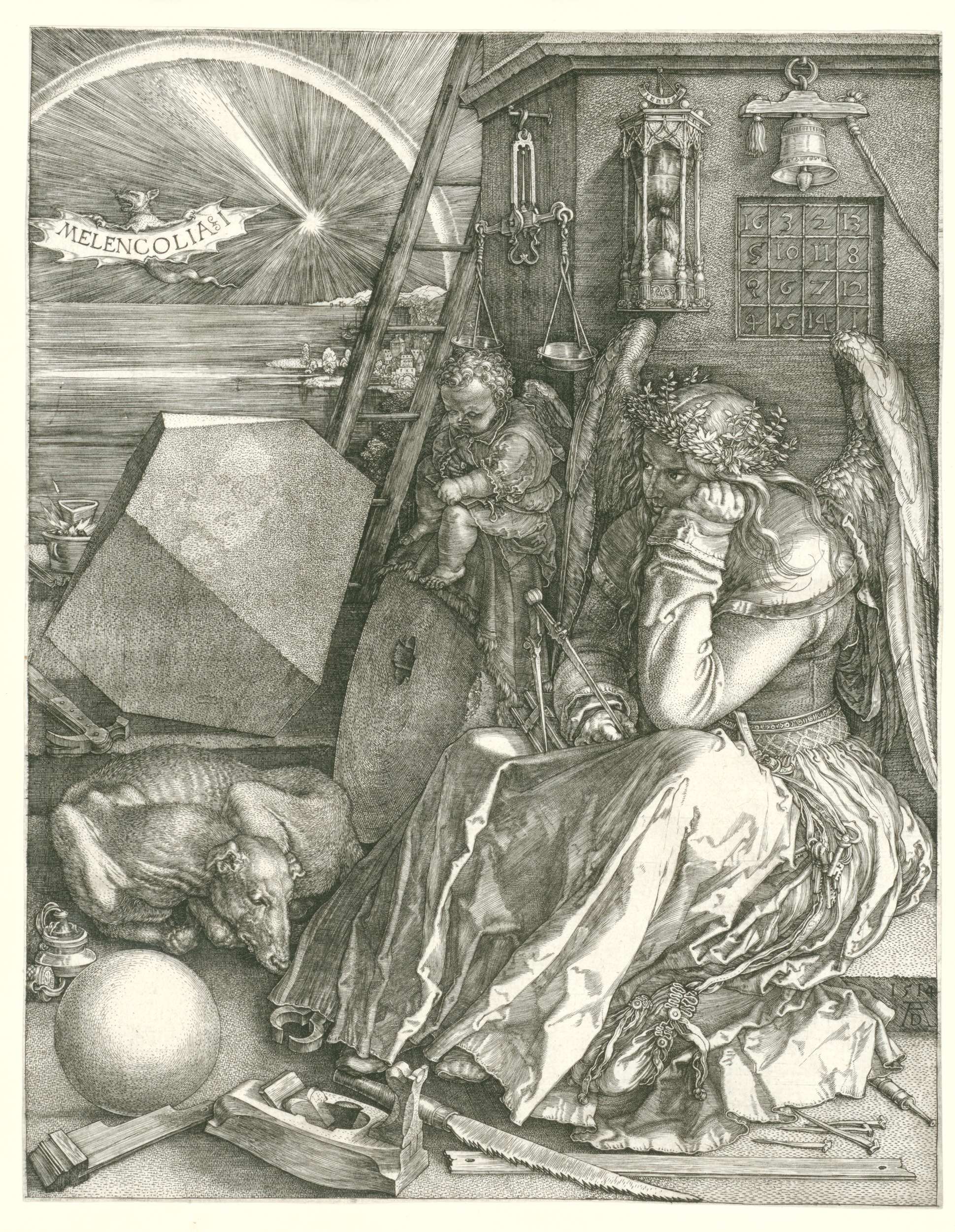
Melancholia
Albrecht Dürer

St. George and the dragon.
Albrecht Dürer
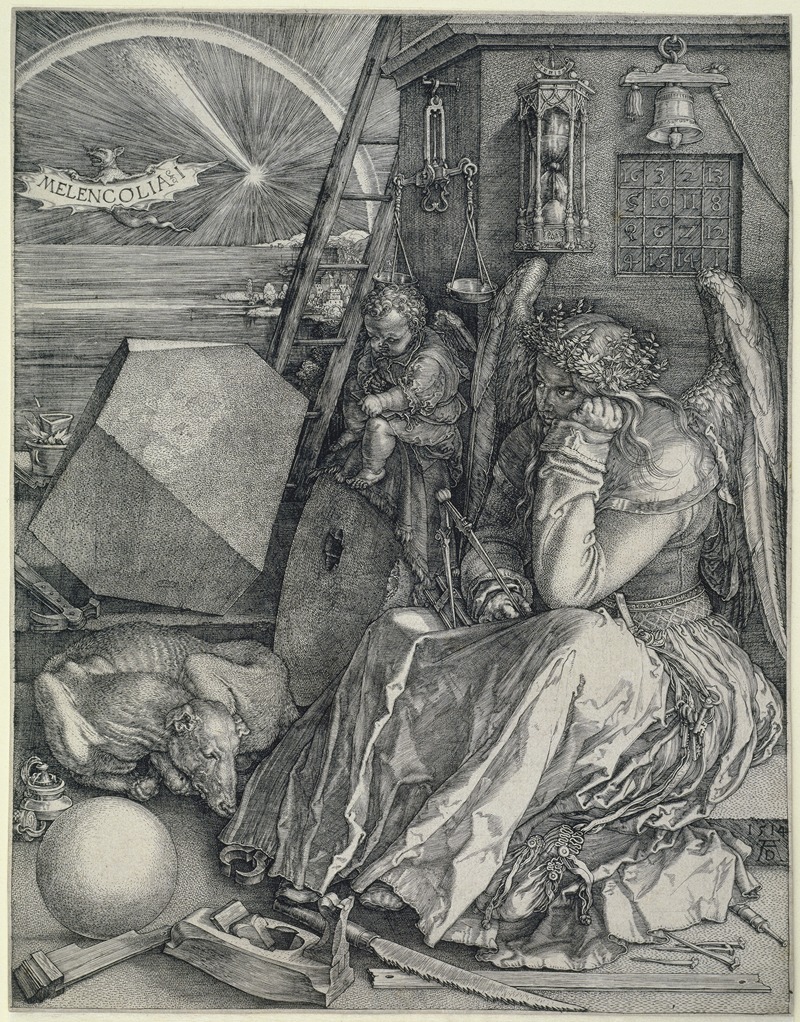
Melencolia I (The Melancholy)
Albrecht Dürer
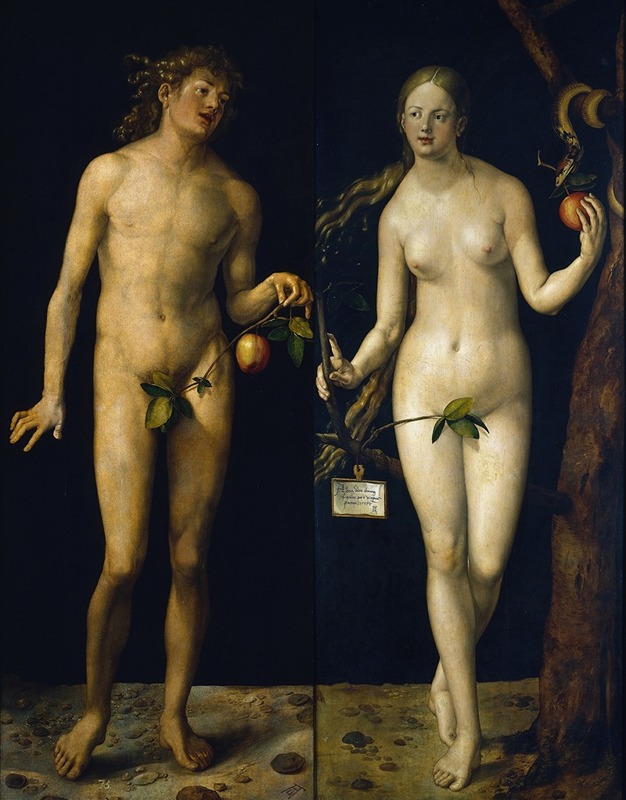
Adam And Eve
Albrecht Dürer
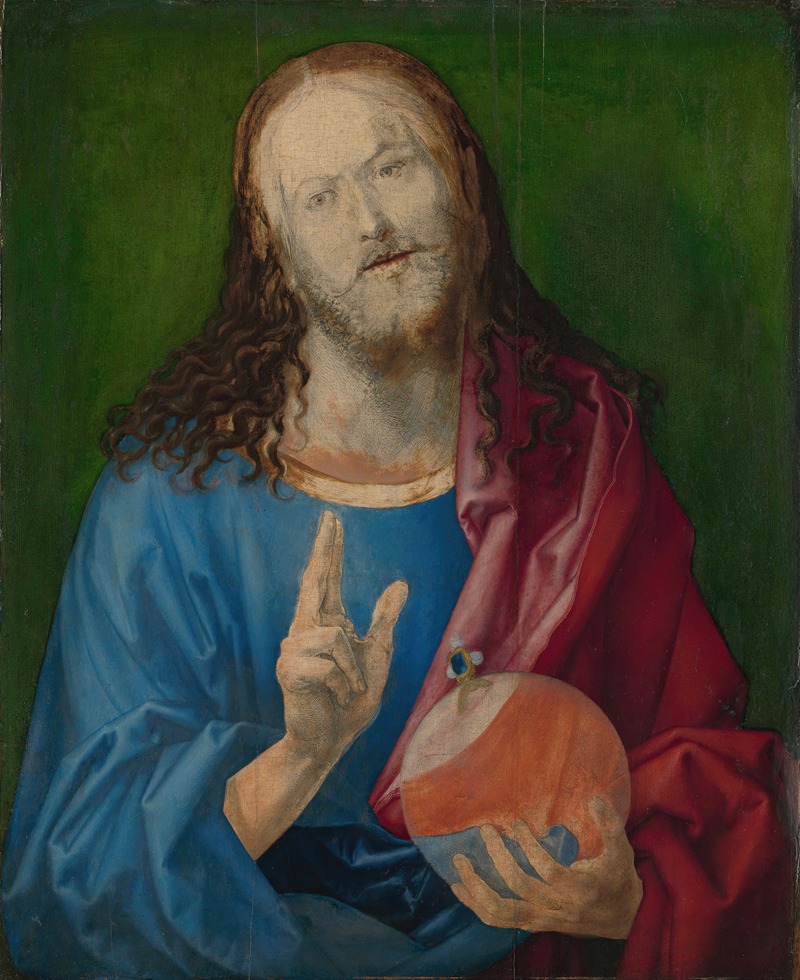
Salvator Mundi
Albrecht Dürer
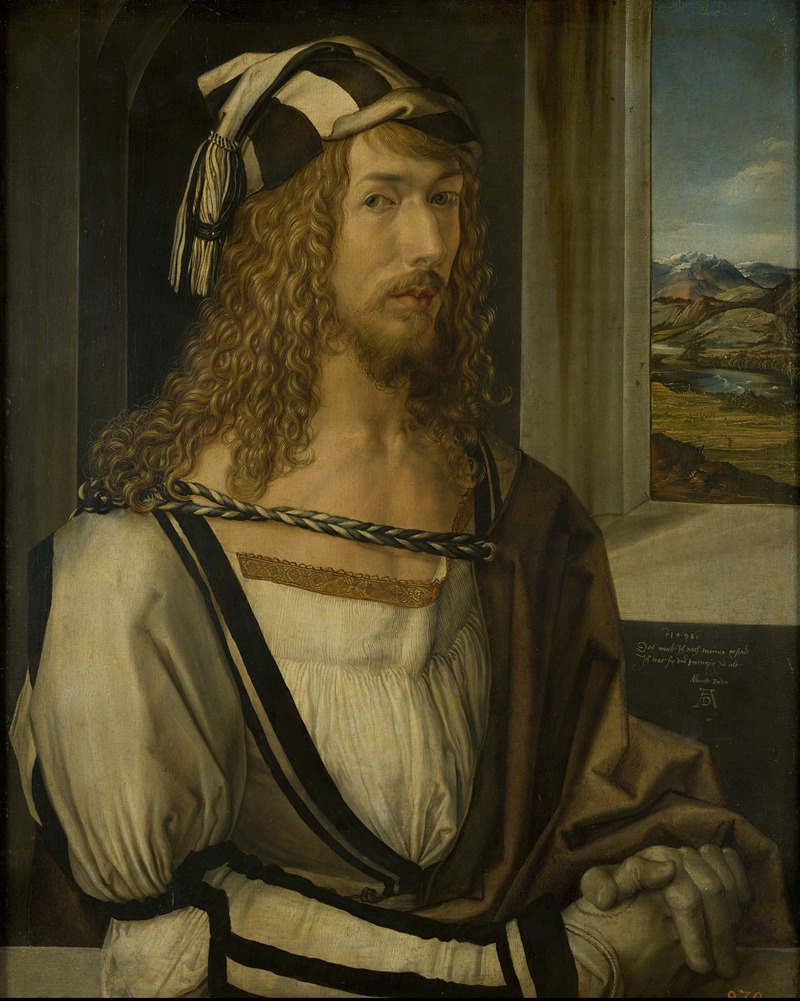
Self-portrait
Albrecht Dürer
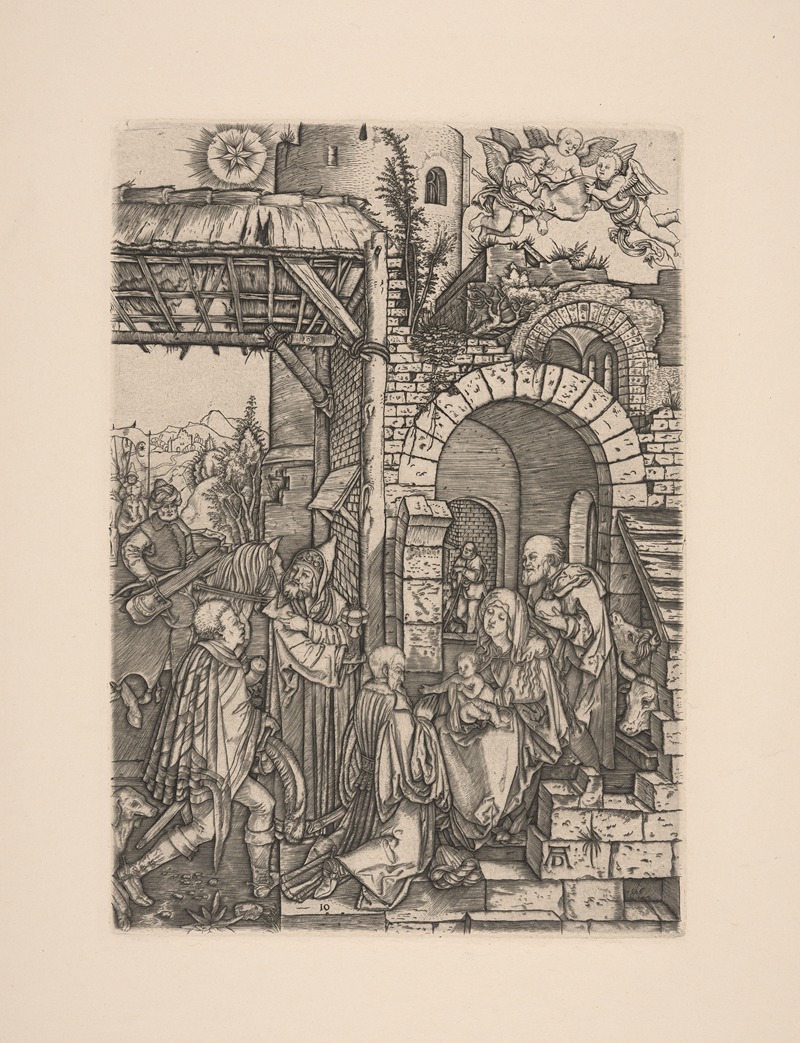
The Adoration of the Magi
Albrecht Dürer
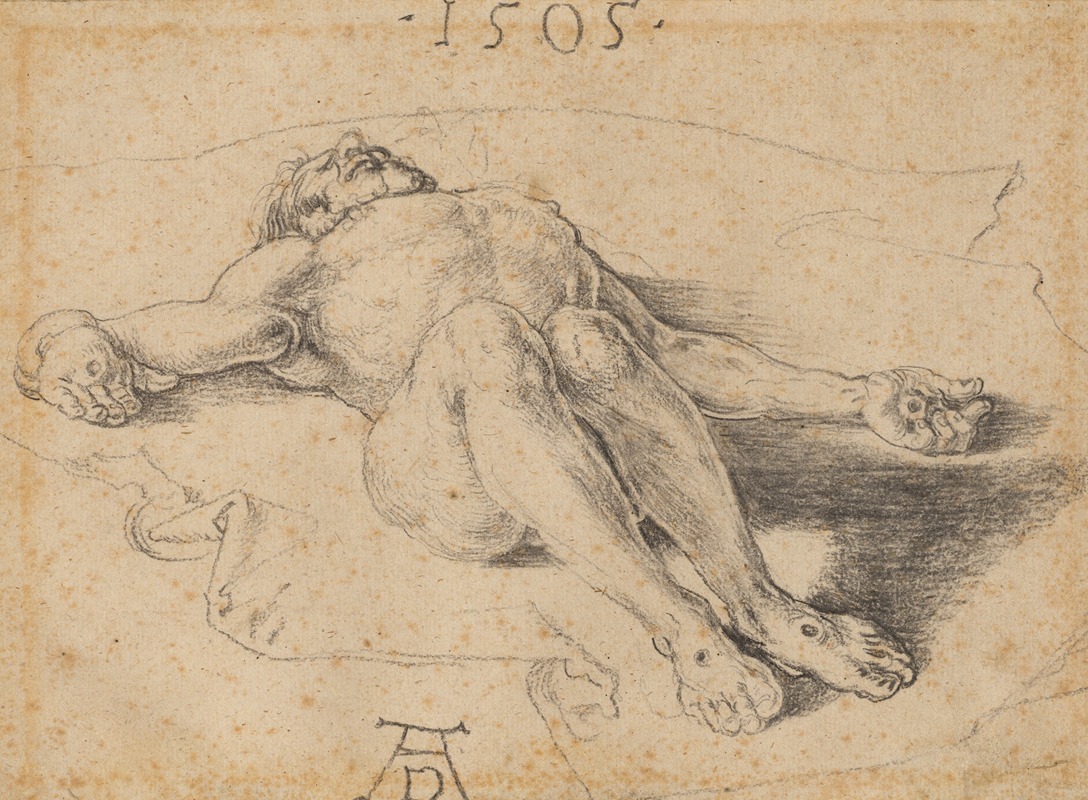
The Dead Christ
Albrecht Dürer
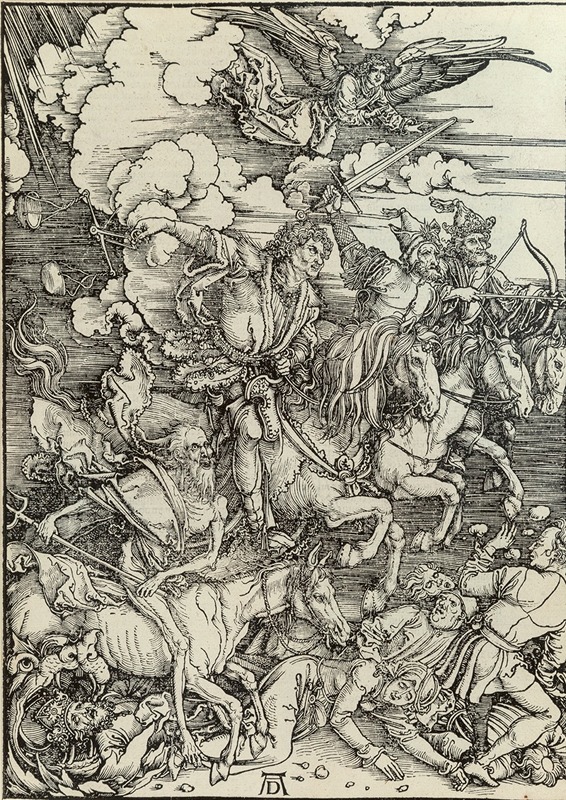
The Four Horsemen of the Apocalypse, from The Apocalypse
Albrecht Dürer
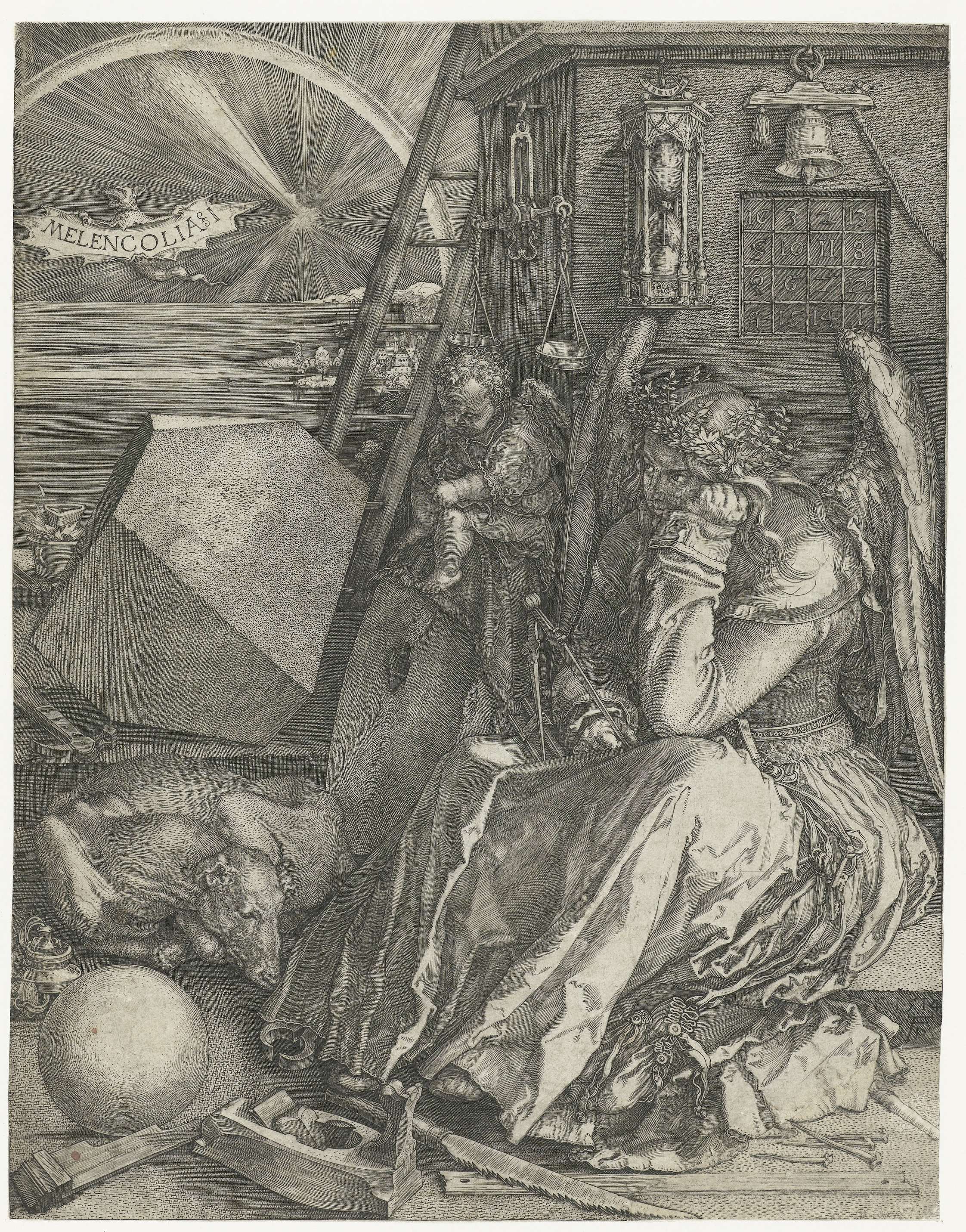
Melancholie
Albrecht Dürer