Knoeterich. Polygonum — History & Facts
In Knoeterich. Polygonum, Adolf Schrödter presents a lush arrangement of green leaves and delicate flowers. The painting is filled with various shades of green, complemented by soft whites and subtle pinks.
The intricate details of the leaves and petals draw the viewer's eye, creating a sense of depth and texture. The background remains soft and unobtrusive, allowing the botanical elements to take center stage. The painting is executed in oil on canvas, showcasing Schrödter's skill in capturing the nuances of plant life. The brushwork is meticulous, with fine lines that define the contours of the leaves and flowers.
The use of light and shadow adds dimension, enhancing the realism of the botanical subjects. Viewers can appreciate the artist's attention to detail, which is a hallmark of the Romantic style. Adolf Schrödter was known for his botanical illustrations, and this work exemplifies his dedication to capturing nature's beauty. Knoeterich.
Polygonum reflects the Romantic era's fascination with nature and the intricate details of flora. An interesting fact about this painting is that it was likely created during a time when botanical studies were gaining popularity in Europe, influencing artists to explore the natural world more deeply.
More Artworks by Adolf Schrödter

Göthe
Adolf Schrödter

Don Quixote
Adolf Schrödter
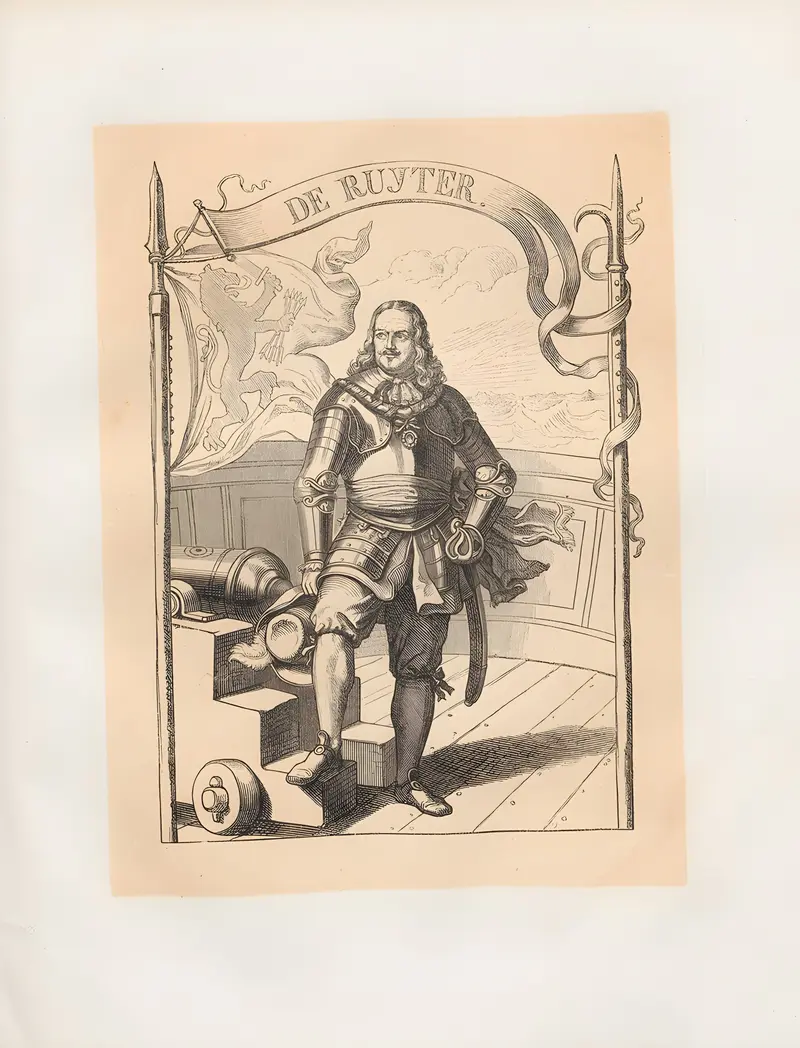
De Ruyter
Adolf Schrödter
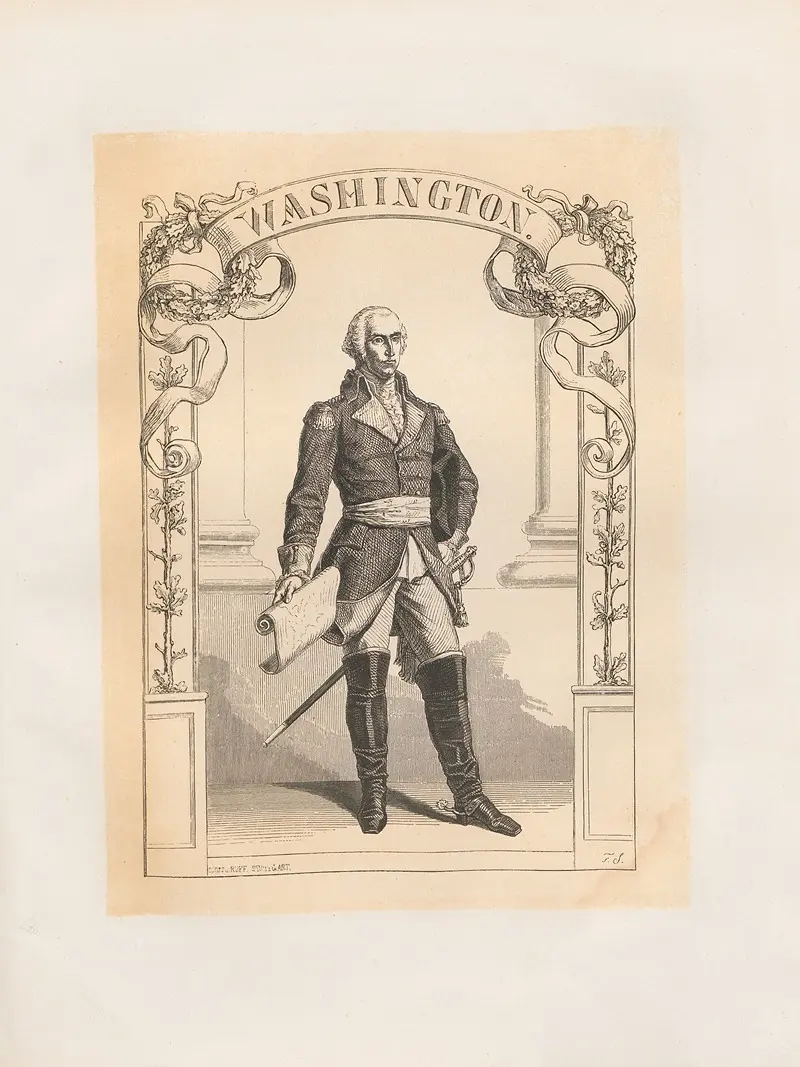
Washington
Adolf Schrödter
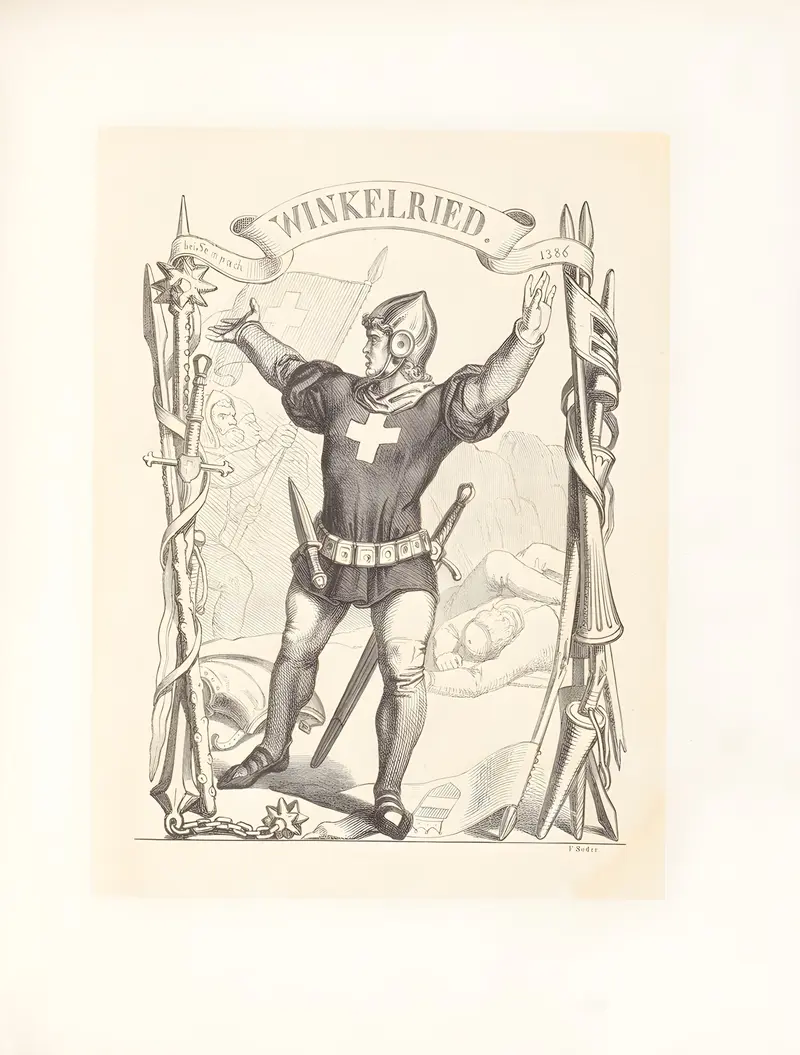
Arnold Winkelried
Adolf Schrödter
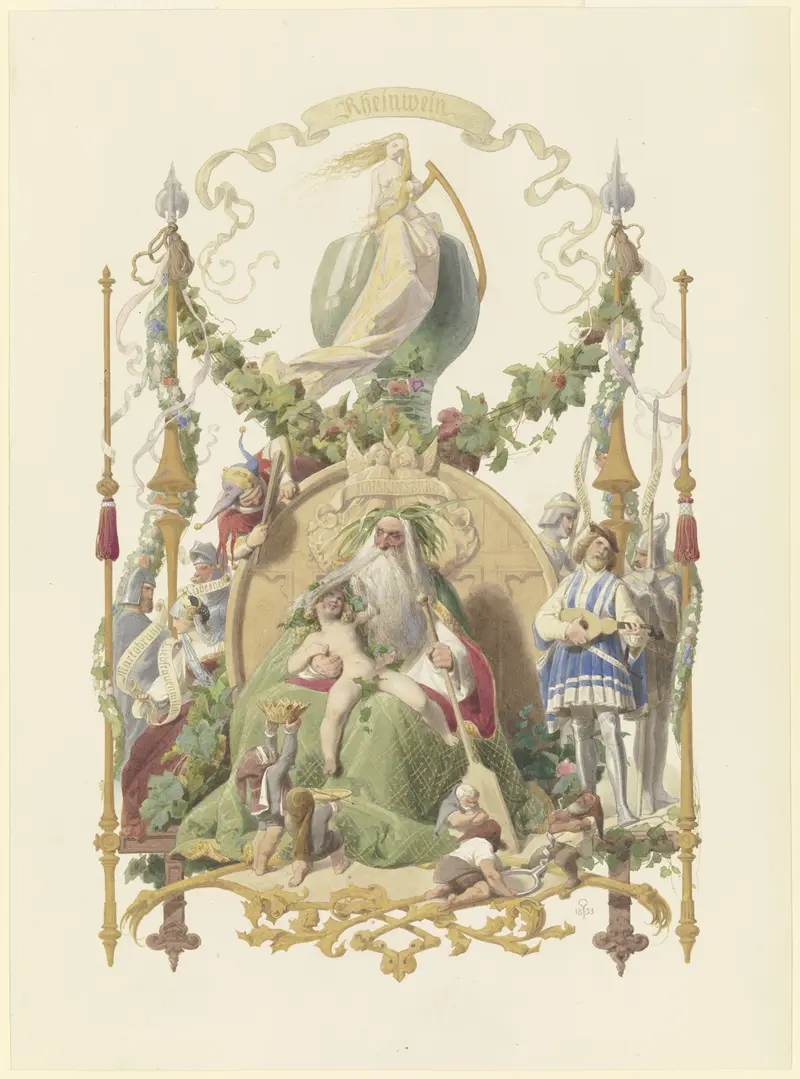
Die vier Hauptgetränke: Rheinwein
Adolf Schrödter

Ein Bouquet von blauen Winden, darunter ein sich voreinander verbeugendes Paar
Adolf Schrödter
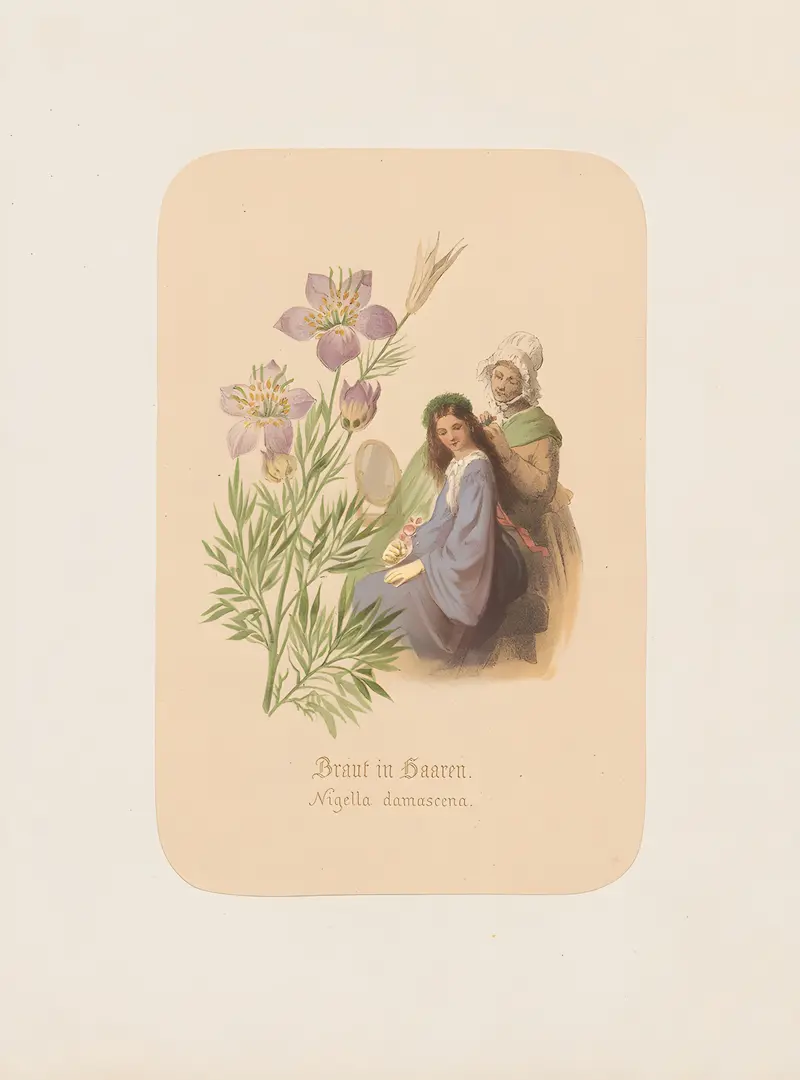
Braut in Haaren. Nigella damascena
Adolf Schrödter
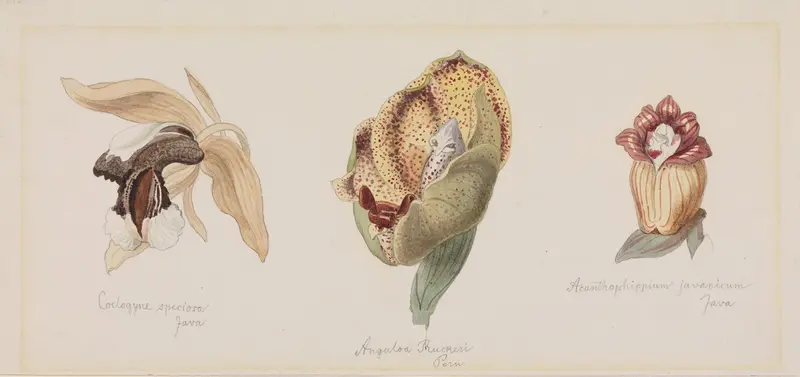
Drei verschiedene Orchideenblüten
Adolf Schrödter
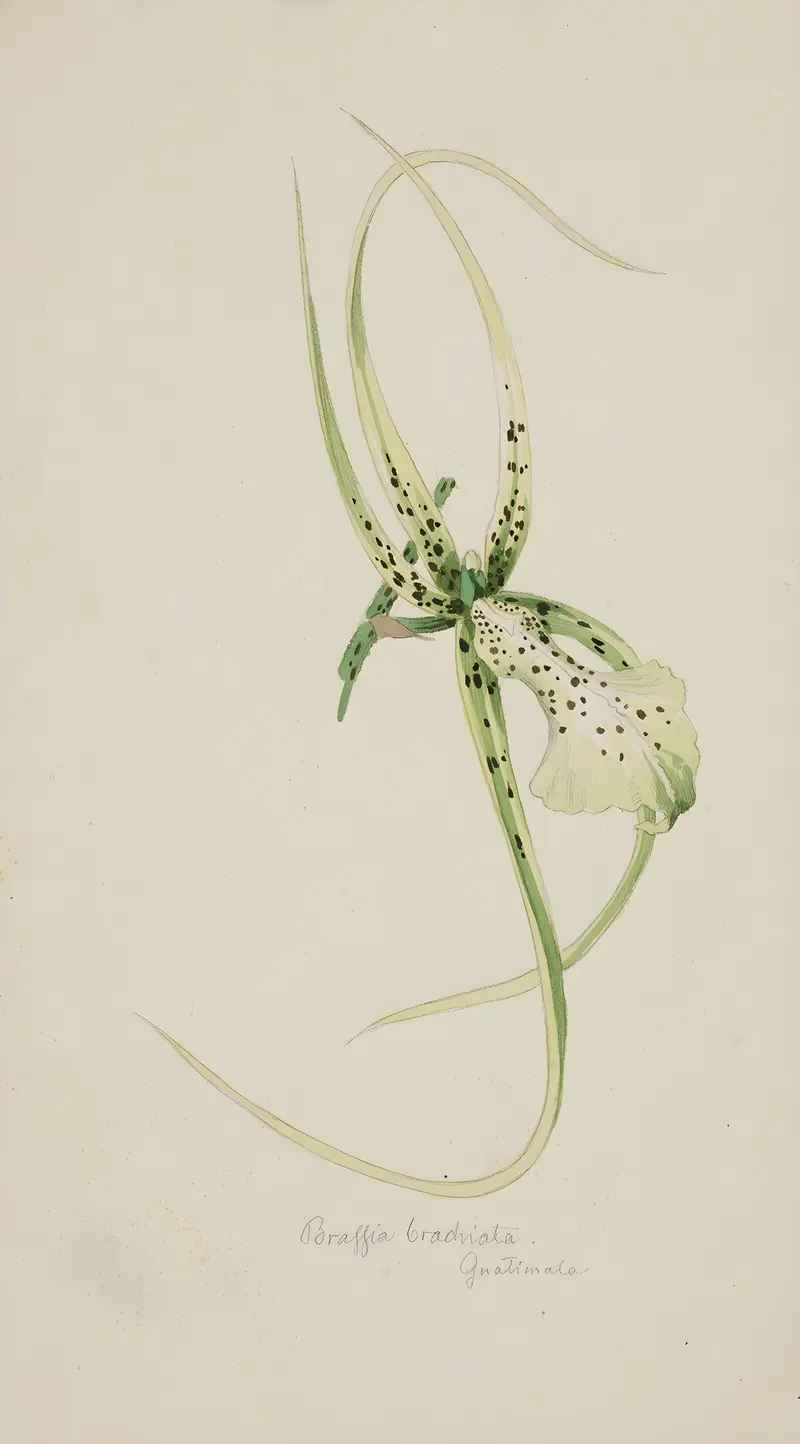
Orchidee ‘Brassia Brachiata’ (Guatemala)
Adolf Schrödter