Krásna Hôrka — History & Facts
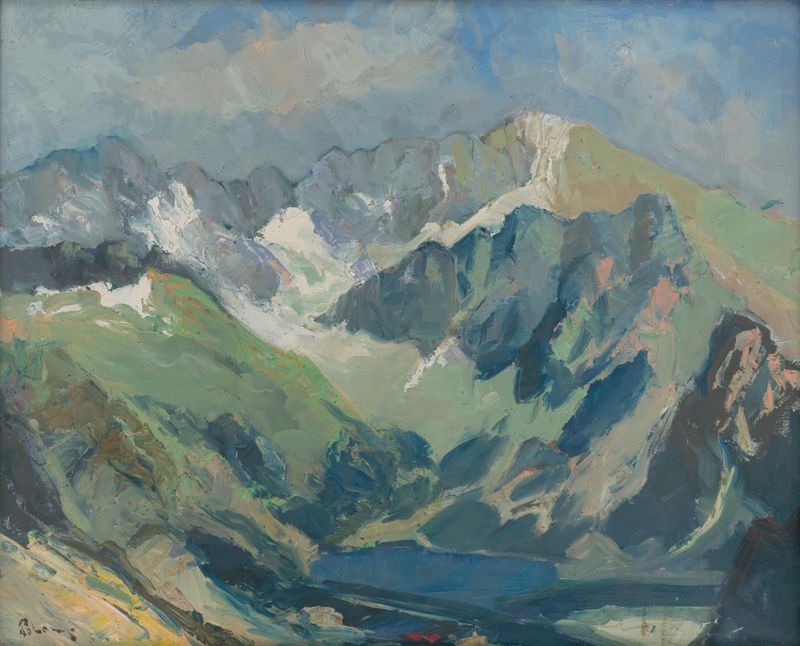
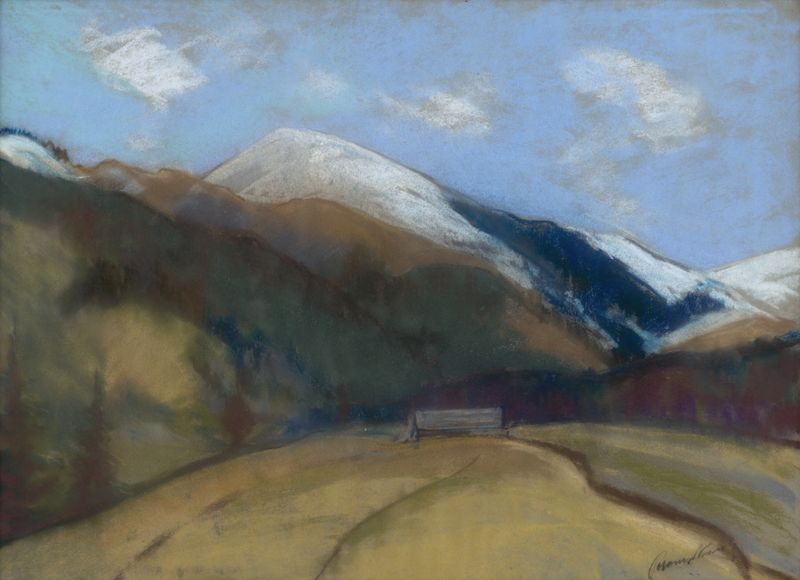
What if beauty was never meant to be finished? In the brushstrokes of Karol Polónyi, the essence of hope shines through the vibrant landscape of Krásna Hôrka, inviting the viewer to delve deeper into its unfolding narrative. Look to the center, where the quaint village of Krásna Hôrka nestles beneath the sprawling azure sky. The juxtaposition of the bright, verdant hills against the rustic tones of the houses creates a visual harmony that is both calming and invigorating. The artist’s meticulous technique captures the play of light across the landscape, revealing the intricate details of foliage and stone.
Warm yellows and rich greens dominate the palette, evoking feelings of warmth and belonging, while hints of deeper earth tones suggest a connection to the land itself. Yet, beneath this tranquil facade lies a rich tapestry of meaning. The near-silhouette of the mountains in the background speaks of resilience, suggesting that beauty is often borne from struggle. The soft clouds that drift lazily overhead carry the weight of dreams not yet realized, while the vibrant colors reflect the indomitable spirit of the village's inhabitants.
Thus, Polónyi masterfully encapsulates a sense of hope that transcends the picturesque—the promise of life continuing in cycles, ever-renewing. In 1930, Polónyi painted Krásna Hôrka during a time when Central Europe was grappling with the aftermath of World War I and the onset of economic turmoil. Working in his native Hungary, he sought to capture not only the beauty of the landscape but also the resilience of those who called it home. This period was marked by a growing appreciation for regionalism in art, as artists like Polónyi turned their focus towards local subjects, seeking solace and identity in the familiar.