
Kukkaistyttö — History & Facts
What first draws the eye in Kukkaistyttö is the gentle interplay between the girl's serene expression and the lush, almost tactile softness of the flowers she holds. Her gaze drifts downward, lost in the delicate petals she arranges, while the broad, rose-colored bow atop her head anchors her in an air of youthful festivity. The artist’s hand lingers on the textures: the crisp transparency of the lace cap, the smoothness of her skin, the feathery blooms that almost dissolve into the background.
Light pools around her face and hands, guiding the viewer to the quiet concentration of her task, while the pastel palette—creamy whites, cool blues, and blush pinks—sets a mood of gentle reverie. Every detail, from the gold bracelet at her wrist to the loose flowers scattered on the table, suggests a moment suspended between innocence and the first stirrings of adulthood. Painted in 1884, Kukkaistyttö belongs to a world where portraits of young women were both a celebration of beauty and a reflection of changing social ideals. In late nineteenth-century Finland, artists like Albert Edelfelt were at the forefront of capturing modern life with a new intimacy, often turning to scenes of everyday domesticity and youthful contemplation.
Such works were rarely grand commissions; instead, they were cherished as tokens of affection or studies in character, sometimes destined for private collections or as gifts. The presence of this piece in the Finnish National Gallery’s collection today hints at its quiet endurance, even as history has kept few traces of its early journey. Look again at the girl’s half-smile and the unfinished edges of the flowers—here, the fleeting beauty of a single afternoon is preserved, inviting us to linger a little longer.
More Artworks by Albert Edelfelt

The Day of Rest
Albert Edelfelt
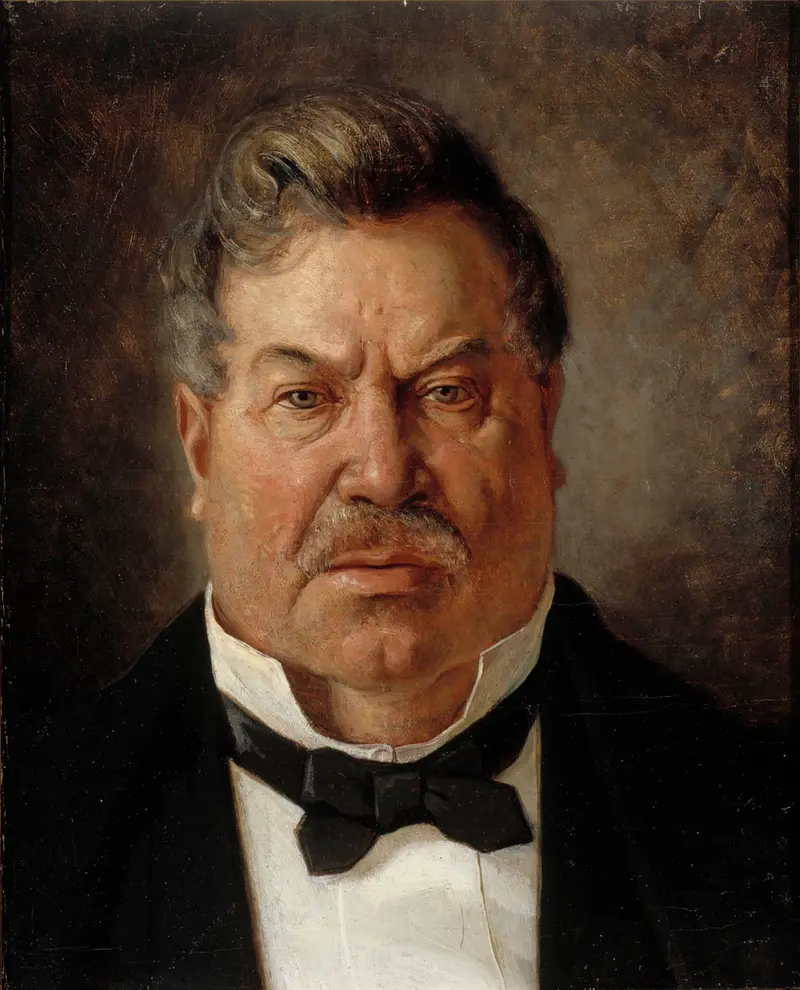
Portrait of August Streng
Albert Edelfelt
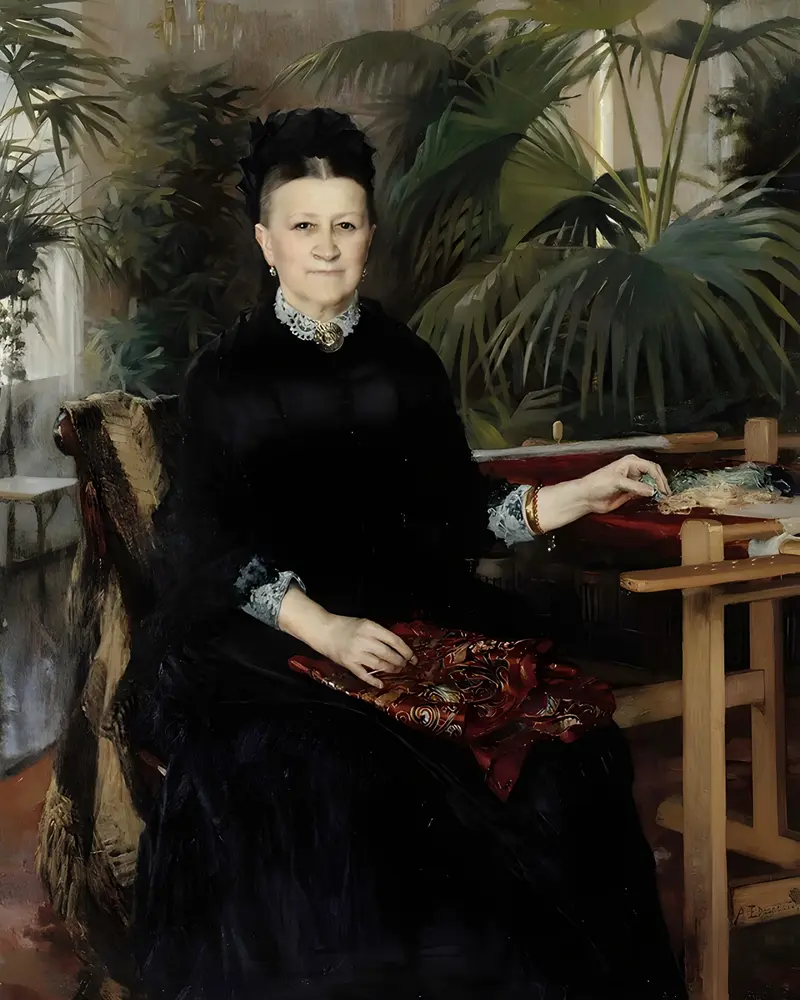
Portrait Of Mrs. Anna Sinebrychoff
Albert Edelfelt

The Poet, Larin Paraske
Albert Edelfelt

Parisian lady in a Peignoir
Albert Edelfelt
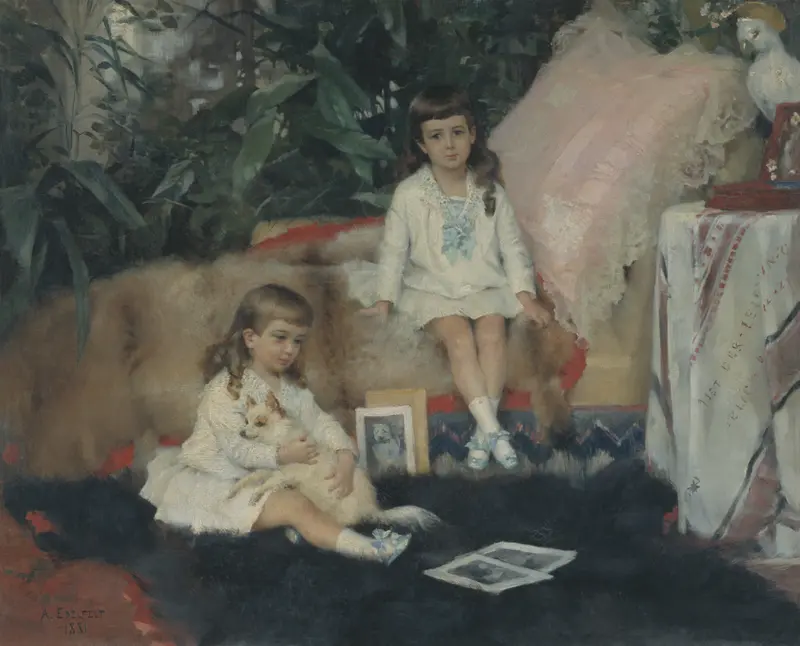
The Grand Dukes Boris and Kirill Vladimirovich as Children
Albert Edelfelt
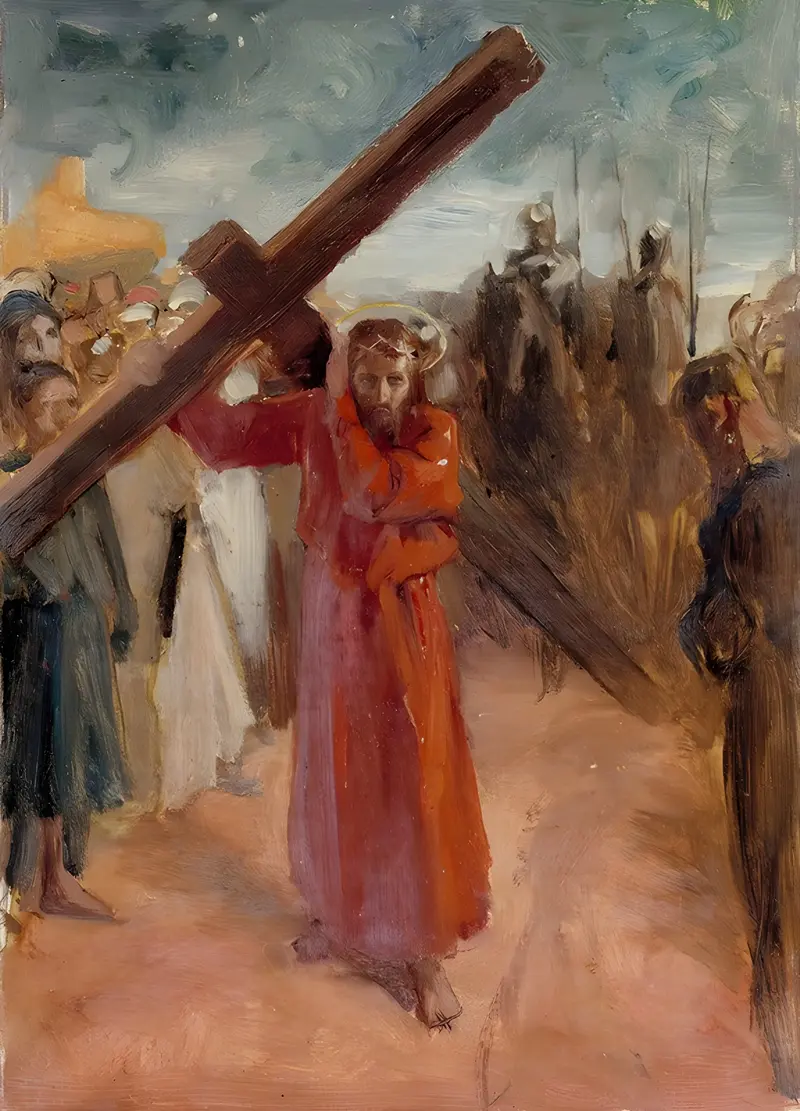
Christ Bears The Cross
Albert Edelfelt
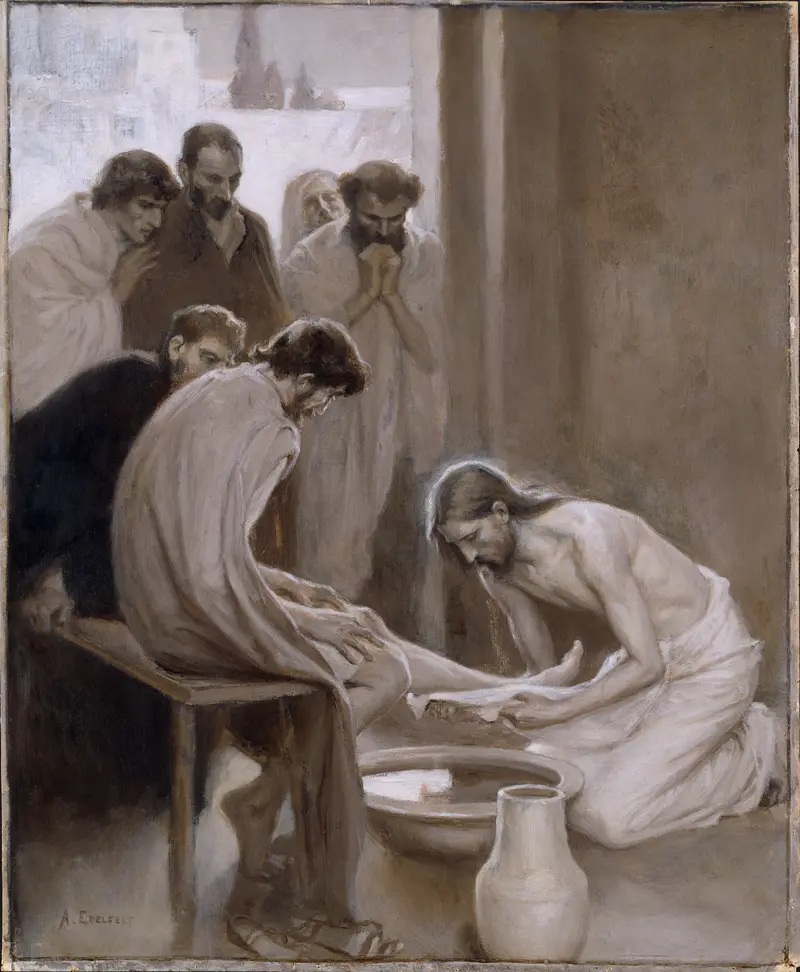
Jesus Washing the Feet of his Disciples
Albert Edelfelt

Larin Paraske with Kantele
Albert Edelfelt
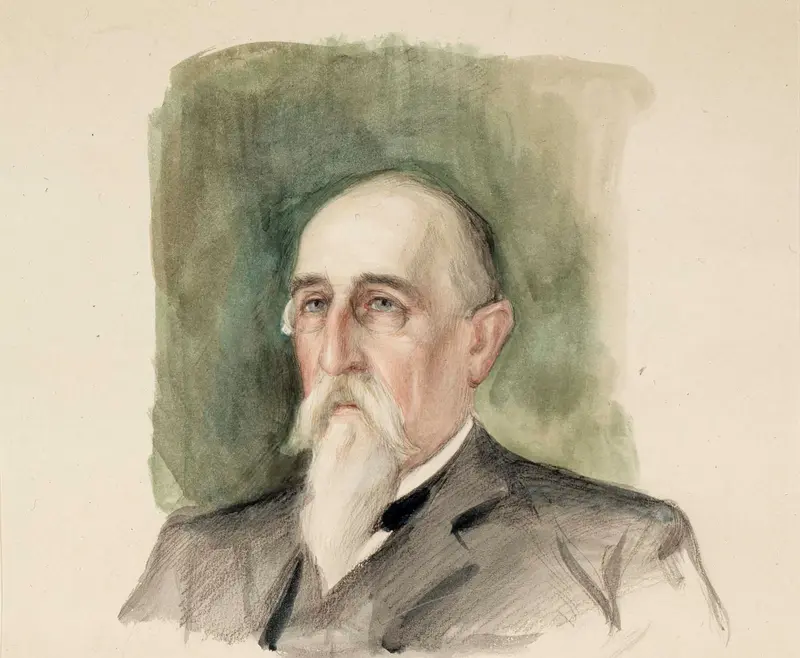
Leo Mechelin, Portrait Study
Albert Edelfelt





