
Kyoto — History & Facts
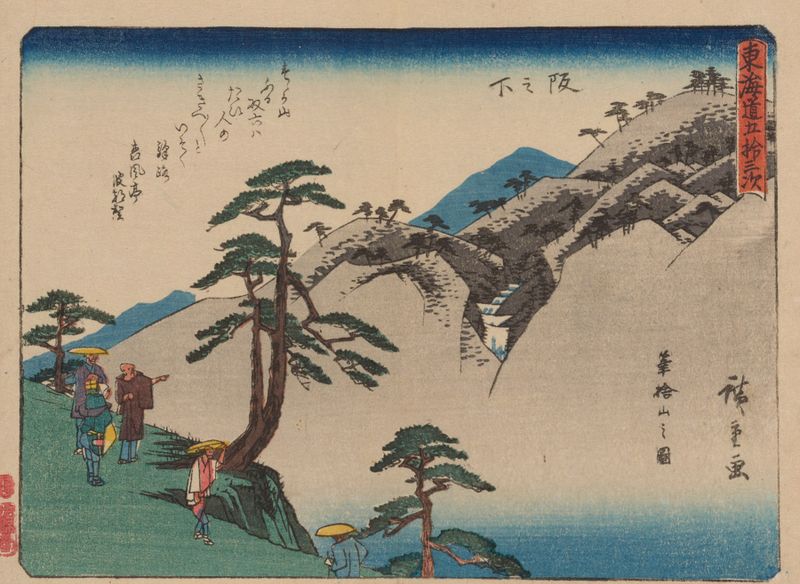
In Kyoto, the viewer is invited to ponder the delicate balance between nature and human existence, a harmonious vision shaped by faith and artistry. Look to the left where a tranquil river meanders through the composition, its flowing waters catching beams of soft, ethereal light. The artist’s use of subtle blues and greens invites contemplation, while the playful strokes of the brush evoke the gentle ripples of water. Notice the intricate details in the trees lining the riverbanks, their leaves whispering secrets of the season, contrasting with the distant silhouettes of mountains that loom quietly in the background. In this artwork, the convergence of nature and civilization speaks to the interconnectedness of life.
The serene landscape, dotted with traditional structures—perhaps tea houses or shrines—embraces a sense of peace, yet hints at the transience of such moments. This tension between permanence and impermanence evokes profound reflections on faith and the delicate nature of existence, urging the viewer to consider the beauty that arises from the chaos of life. Created during 1841-1842, this piece emerges from a period of significant transformation in Japan. Utagawa Hiroshige, already an established ukiyo-e master, was deeply influenced by the Western artistic methods of perspective and color.
At this time, Japan was beginning to open up to foreign influences while still holding onto its rich traditions, making the creation of Kyoto a poignant reflection of both the artist's personal journey and the broader cultural shifts of the era.
More Artworks by Utagawa Hiroshige
Browse all →
Sudden Shower over Shin Ohashi Bridge and Atake (Ohashi Atake no yudachi), from the series "One Hundred Famous Views of Edo (Meisho Edo hyakkei)"
Utagawa Hiroshige
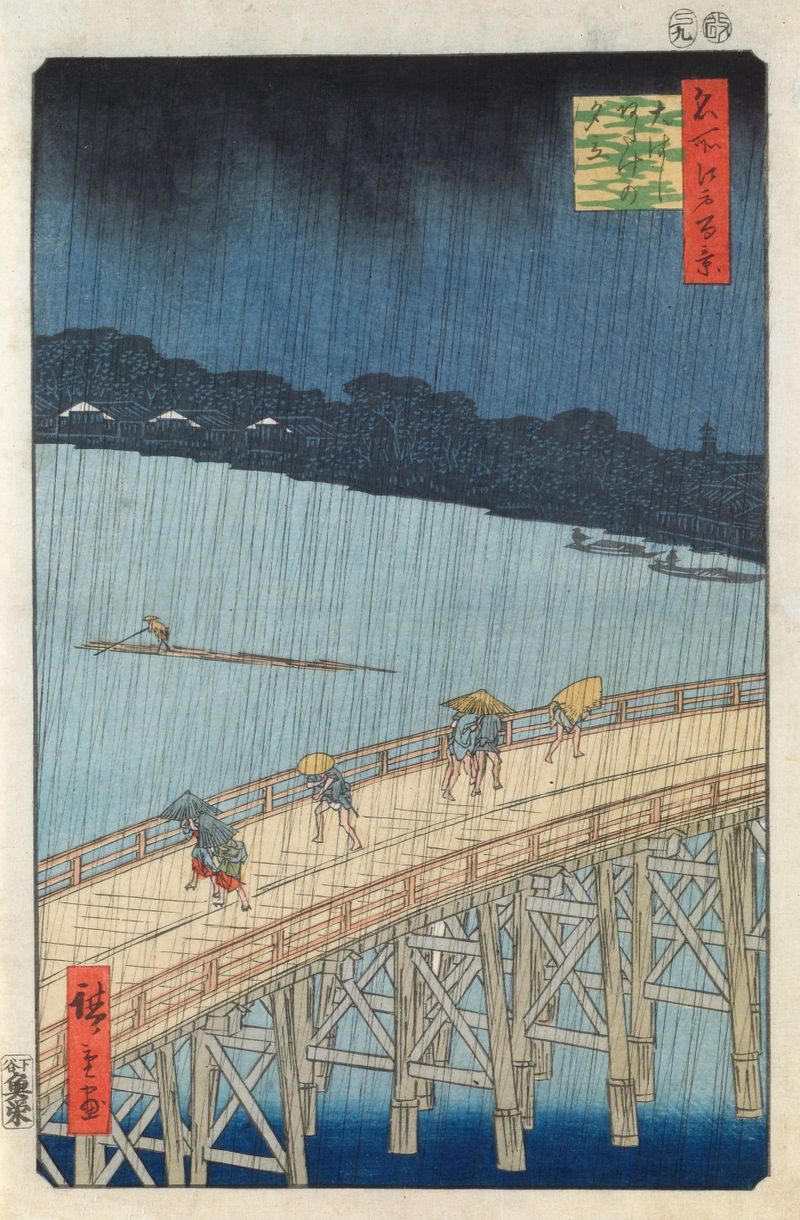
Sudden Shower Over Ohashi Bridge and Atake
Utagawa Hiroshige
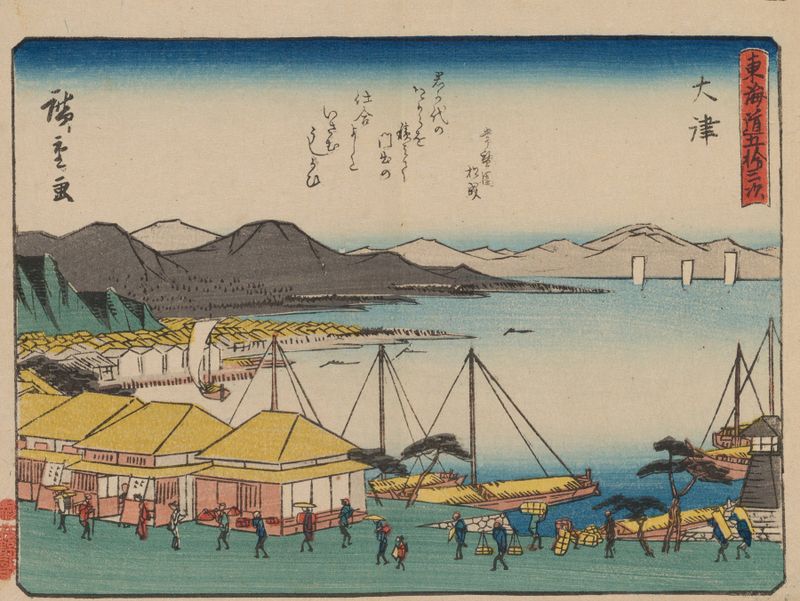
Tokaido gojusantsugi, Pl.54
Utagawa Hiroshige
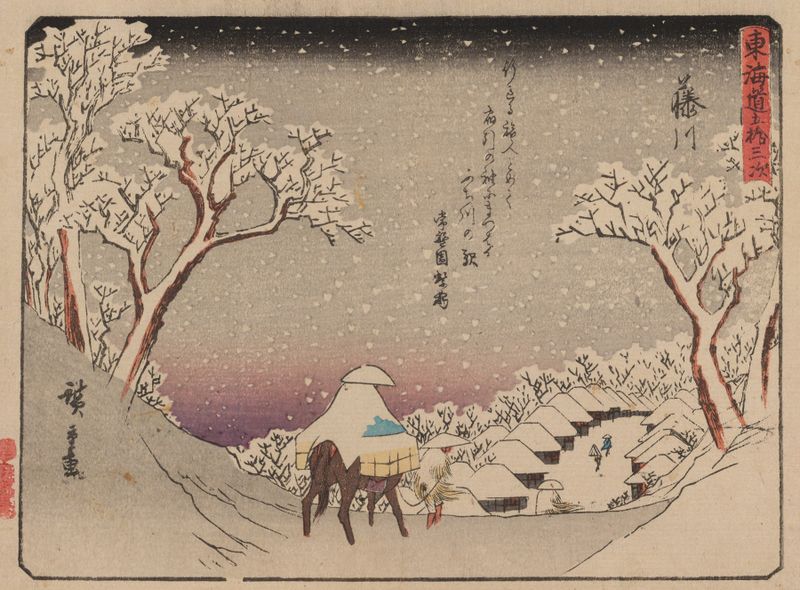
Tokaido gojusantsugi, Pl.38
Utagawa Hiroshige
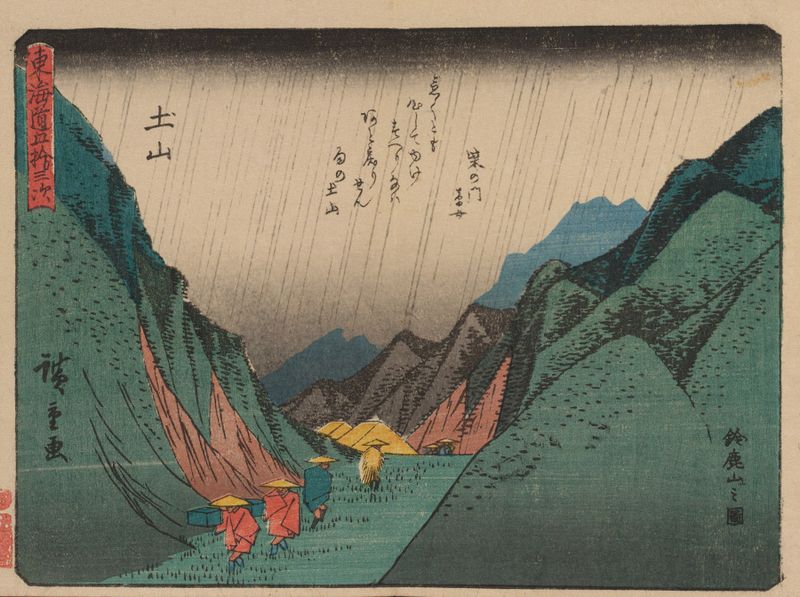
Tokaido gojusantsugi, Pl.50
Utagawa Hiroshige
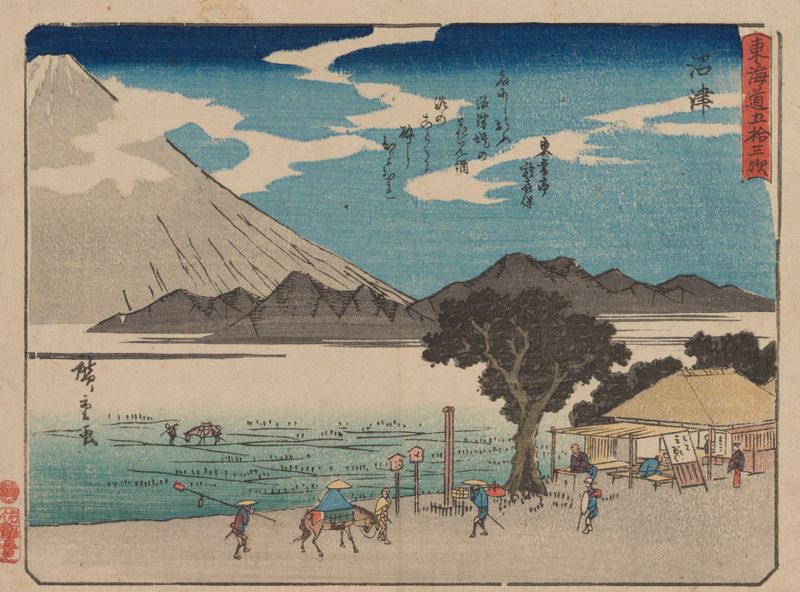
Tokaido gojusantsugi, Pl.13
Utagawa Hiroshige
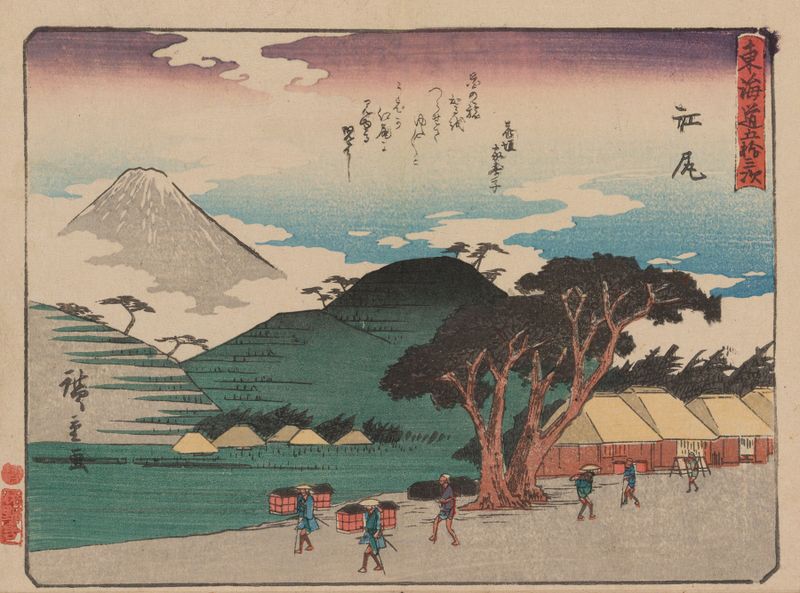
Tokaido gojusantsugi, Pl.19
Utagawa Hiroshige
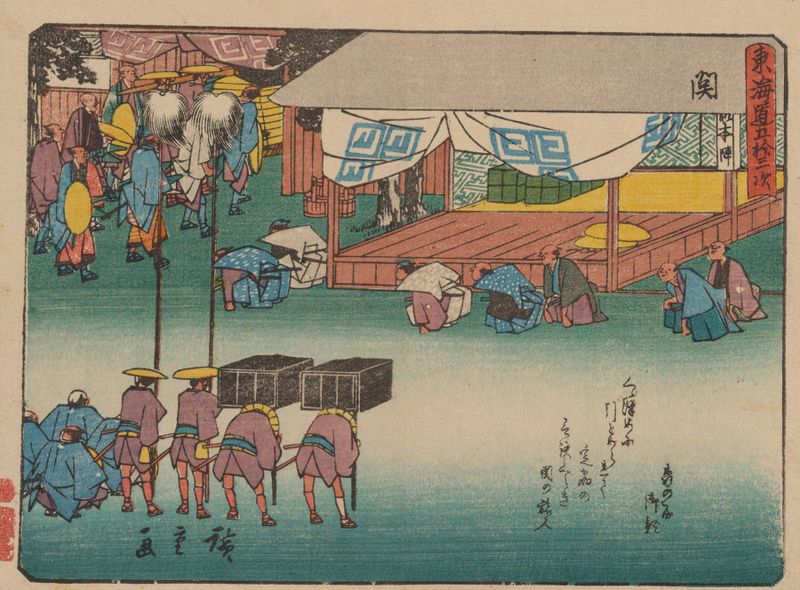
Tokaido gojusantsugi, Pl.48
Utagawa Hiroshige
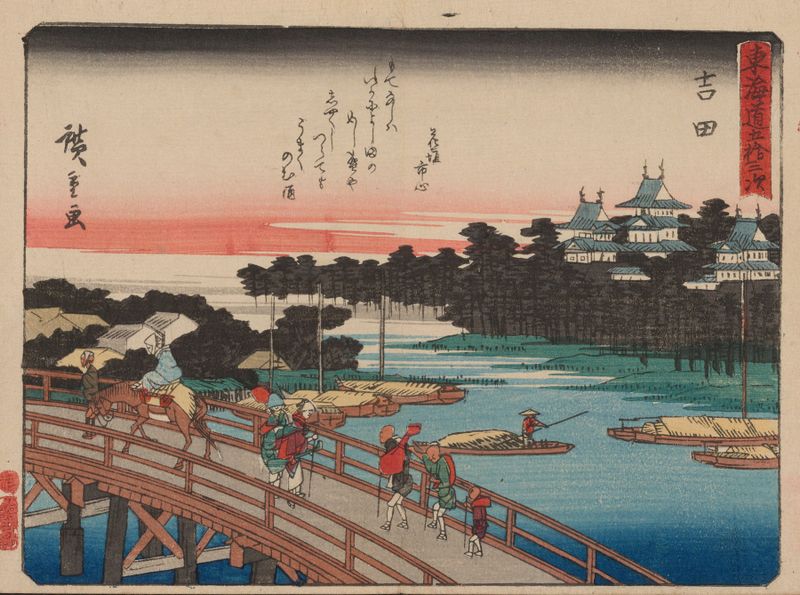
Tokaido gojusantsugi, Pl.35
Utagawa Hiroshige
Tokaido gojusantsugi, Pl.49
Utagawa Hiroshige





