Kyoto, Japan — History & Facts
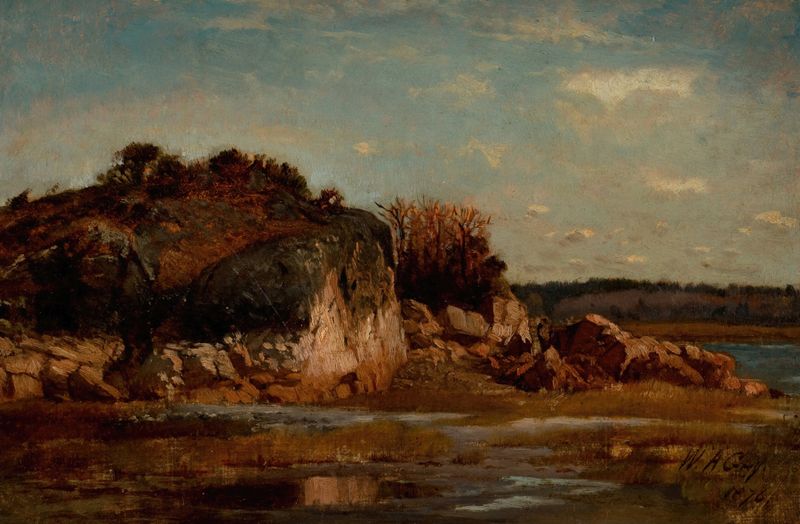
It is in these silent, vivid moments that we glimpse the legacies we leave behind, captured through the brushstrokes of time. In Kyoto, Japan, the spirit of a city, rich with history and tradition, comes alive in a harmonious blend of color and composition. Look to the left where the tranquil river meanders through the landscape, reflecting the delicate pinks of cherry blossoms above. Notice how soft hues interact with the muted earth tones in the buildings, creating a sense of serenity that draws the eye deeper into the scene.
The artist employs a masterful handling of light that dances across the water, inviting contemplation and anchoring the viewer in the moment. Each stroke reveals a story, as dynamic as the flowing river itself. Within this painted frame lies a celebration of nature’s beauty against the backdrop of human existence. The juxtaposition of the vibrant blossoms and the sturdy architecture speaks to the ephemerality of life and the permanence of cultural heritage.
It whispers of a time when tranquility and artistry interlaced, suggesting that the true essence of Kyoto remains timeless, even as the world around it evolves. These elements intertwine, inviting viewers to reflect on their own legacies amidst the passage of time. In 1878, while creating this piece, the artist found himself in a transitional period, influenced by both Impressionism and traditional Japanese aesthetics. As Western art began to engage more deeply with Eastern themes, Gay's work reflects an important moment of cross-cultural exchange.
Painting from a distance, he embodied a curiosity and reverence for a culture that would leave a lasting impact on his artistic legacy.