
L’Esclave blanche — History & Facts
In L’Esclave blanche, Louis Valtat presents a striking portrait of a white woman, possibly symbolizing the complexities of identity and freedom. The colors are vibrant, with rich reds and soft blues that create a dynamic contrast. The figure is depicted with a serene expression, her gaze directed towards the viewer, inviting contemplation.
The background is abstract, enhancing the focus on the subject and adding a layer of depth to the composition. The painting is executed in oil on canvas, a medium that allows for the rich texture and depth of color seen in Valtat's work. The brushwork is loose yet deliberate, characteristic of the Post-Impressionist style, which emphasizes personal expression over strict realism. The dimensions of the painting are approximately 80 x 100 cm, making it a substantial piece that commands attention in any space.
The use of light and shadow adds to the three-dimensionality of the figure, creating a lifelike presence. Louis Valtat was a prominent figure in the Post-Impressionist movement, known for his vibrant use of color and innovative compositions. L’Esclave blanche stands out as a significant work, reflecting the artist's exploration of themes related to identity and societal roles. Interestingly, Valtat was also influenced by Japanese art, which can be seen in the flat areas of color and the overall composition of this portrait.
This painting exemplifies his ability to blend different artistic influences into a cohesive and impactful work.
More Artworks by Louis Valtat

Portrait de Mme Valtat les mains derrière la tête
Louis Valtat

Les deux soeurs
Louis Valtat
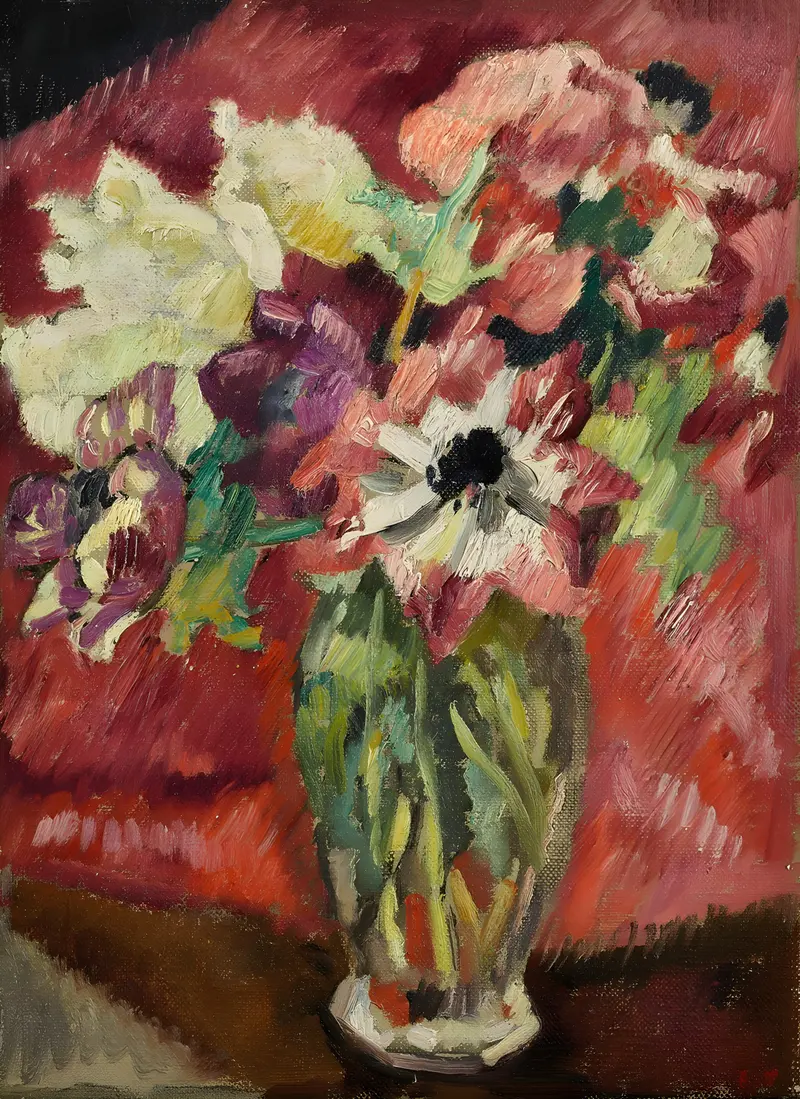
Bouquet au vase de Crystal
Louis Valtat
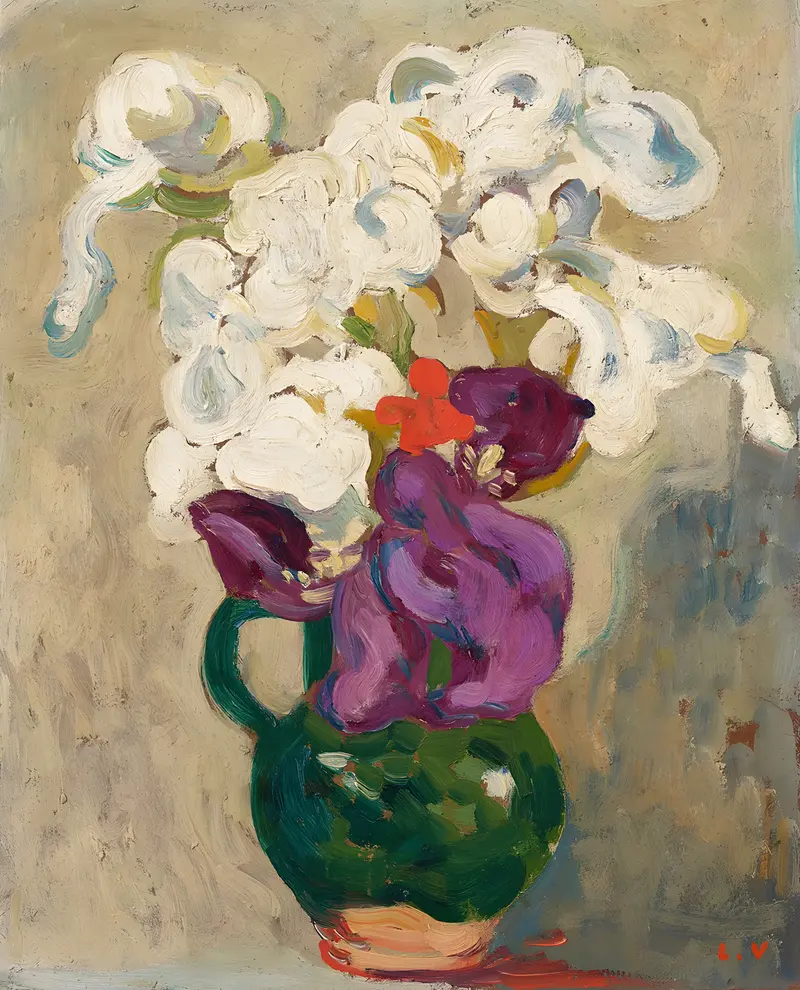
Bouquet d’iris au pichet vert
Louis Valtat
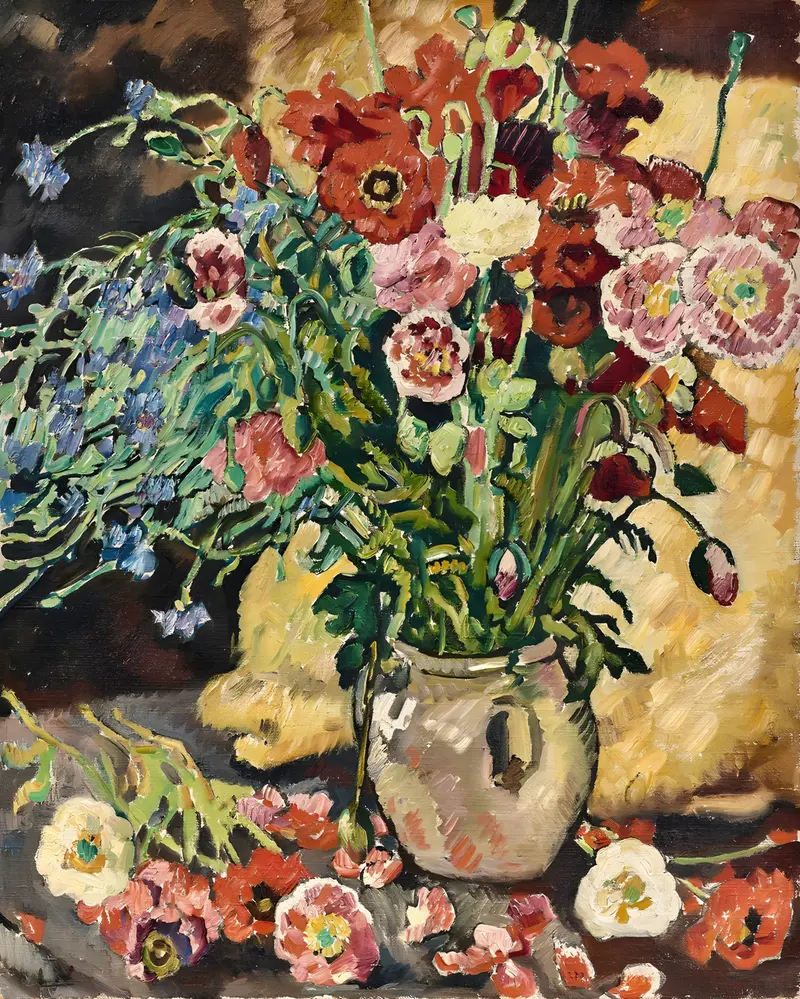
Bouquet de pavots
Louis Valtat
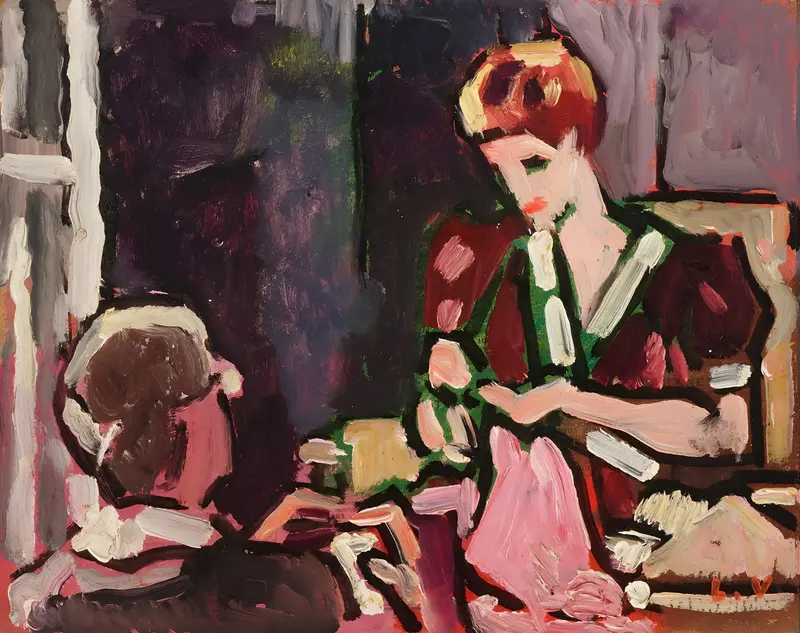
Jeune femme cousant
Louis Valtat
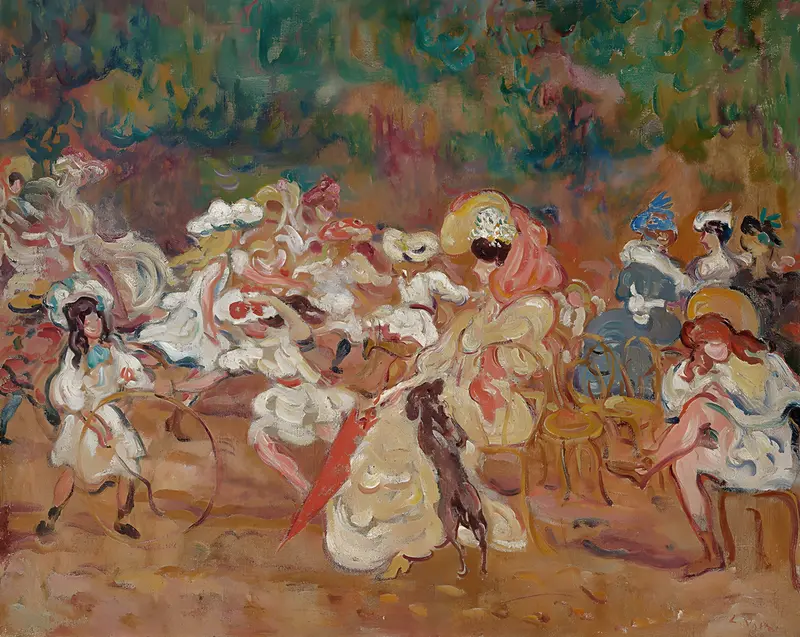
Jeux d’enfants
Louis Valtat
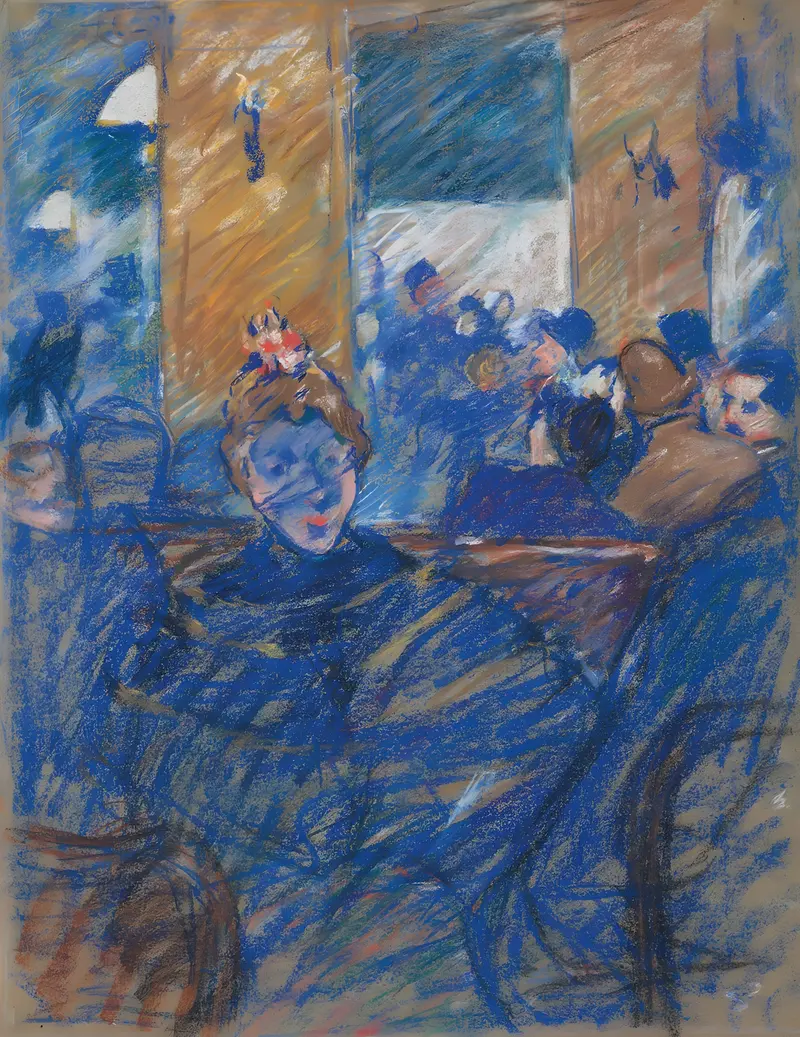
La Dame au café
Louis Valtat
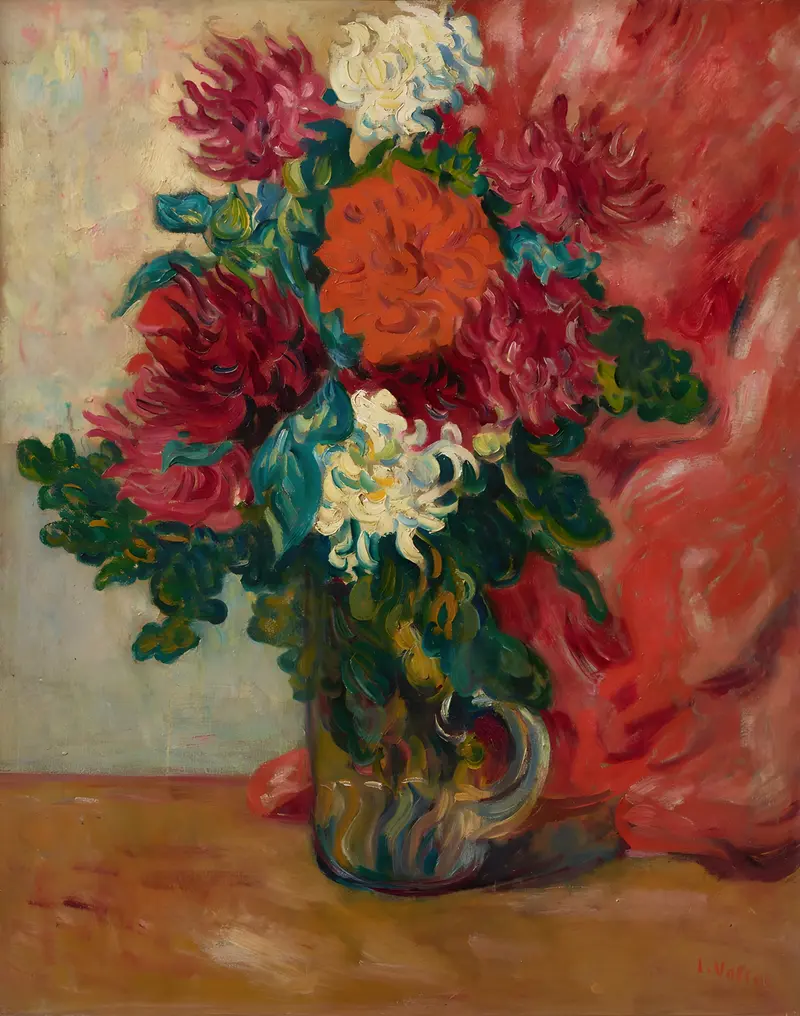
Dahlias à la cruche en verre devant une tenture rouge
Louis Valtat
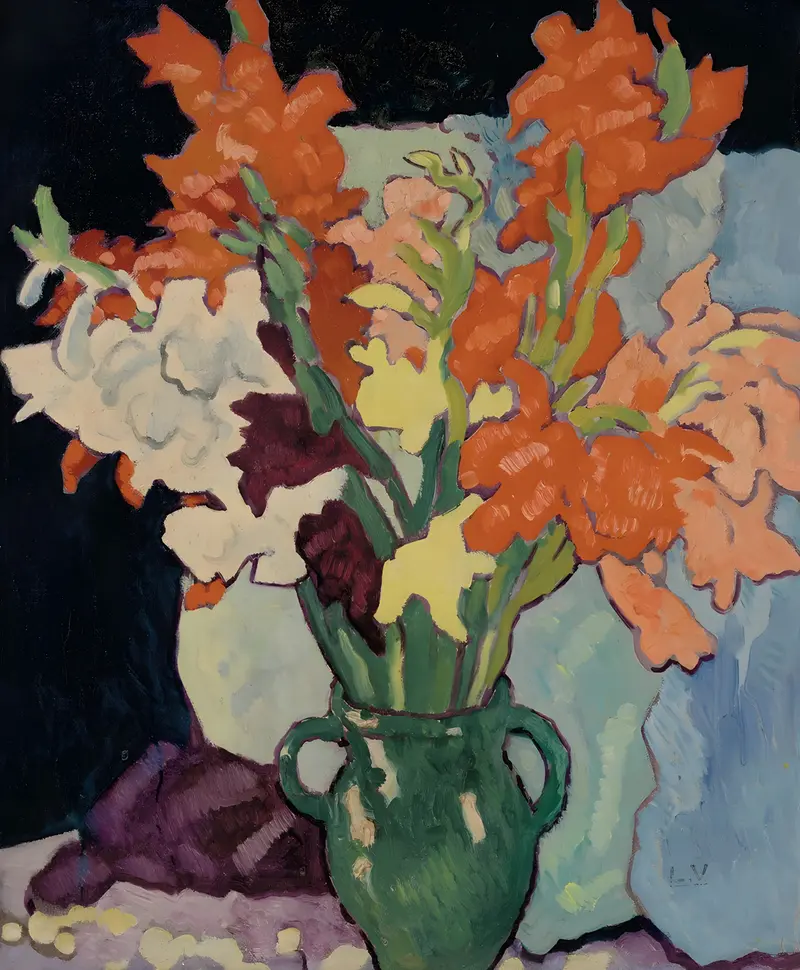
Glaïeuls à la cruche verte
Louis Valtat





