
La fin du jour (The End of the Day) — History & Facts
In the stillness of twilight, the essence of serenity whispers across the canvas, inviting the viewer into a moment of quiet contemplation. The hues blend seamlessly, reflecting a world at the cusp of night, where every brushstroke conveys the weight of the day’s end. Focus on the soft blues and golden yellows that dance together in a harmonious embrace, framing a tranquil landscape. Notice how the light, gentle yet determined, bathes the scene, illuminating the soft contours of nature.
The simplicity of the composition draws the eye to the horizon, where the fading light meets the earth, imparting a sense of balance and peace. Each color choice is meticulously crafted, creating an atmosphere where time seems to dissolve. Within this serene portrayal lies an emotional tension, a contrast between the day’s vitality and the quietude of dusk. The almost palpable silence invites introspection, suggesting a deeper connection between the human spirit and the natural world.
The blending of color here is not merely an aesthetic choice; it reflects the transient nature of existence, evoking a profound appreciation for the fleeting moments we often overlook. In 1893, while in Pont-Aven, Paul Sérusier created La fin du jour, capturing the essence of his life as part of the Nabis movement, which sought to push the boundaries of impressionism. This period marked a shift towards a more symbolic and emotional use of color, coinciding with the artist's personal exploration of spirituality and nature amid the rapidly changing world of art. The canvas stands as a testament to Sérusier's ambition to convey the depths of feeling through the simplicity of form and color.
More Artworks by Paul Sérusier
Browse all →
Bretonnes, Réunion Dans Le Bois Sacré
Paul Sérusier
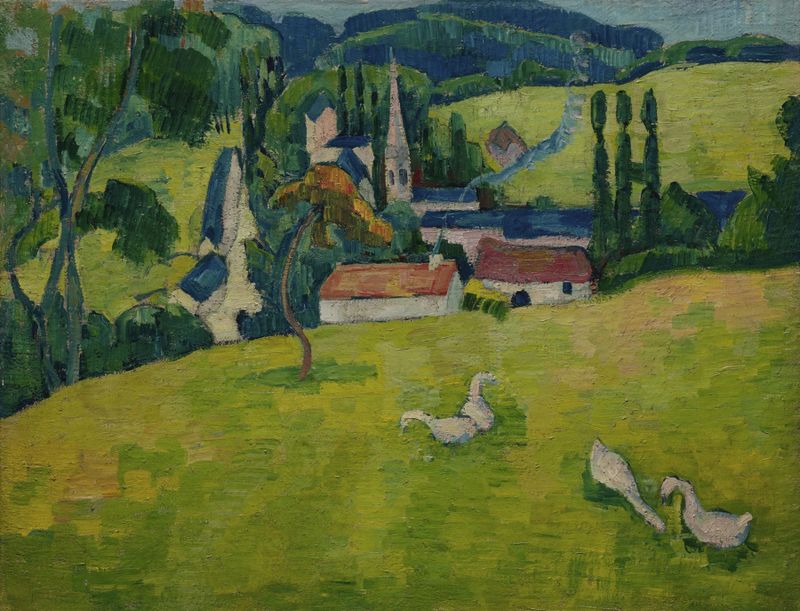
Pont-Aven, Le Pouldu
Paul Sérusier

Farmhouse at Le Pouldu
Paul Sérusier
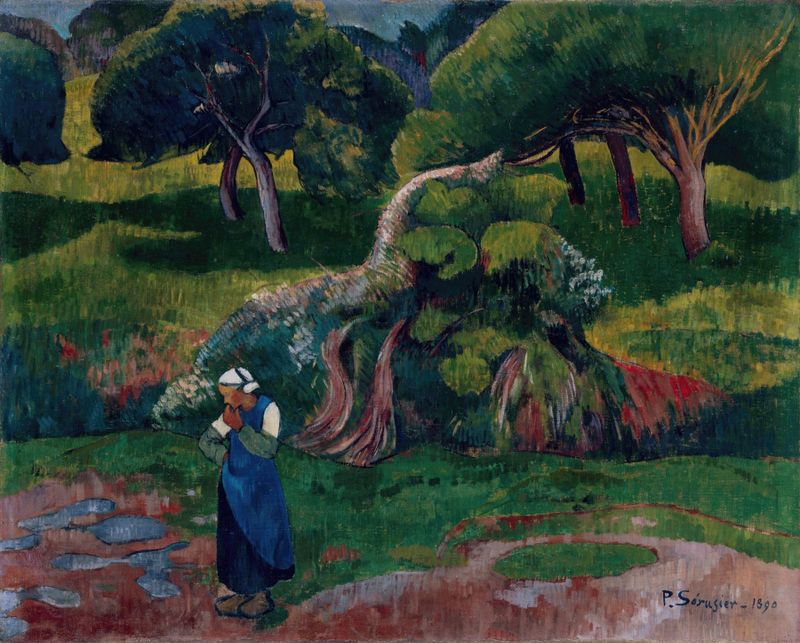
Landscape at Le Pouldu
Paul Sérusier
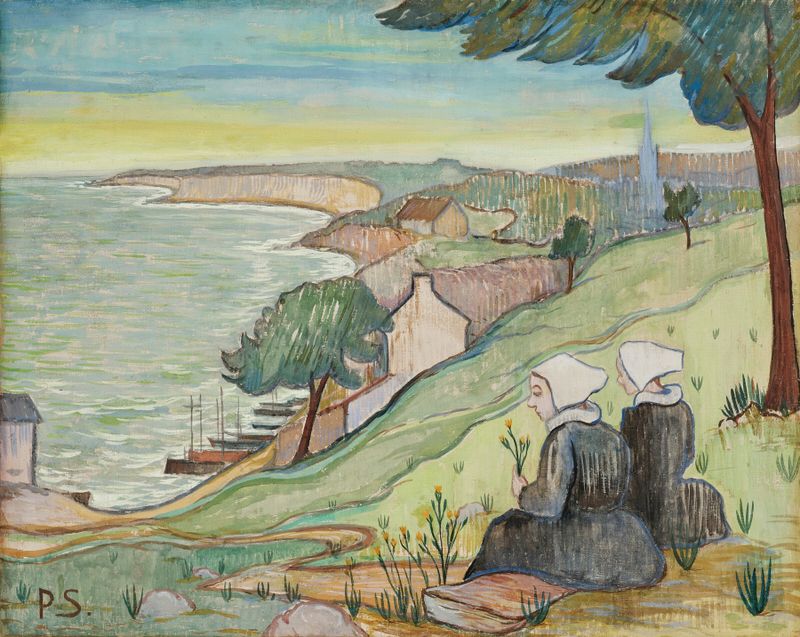
Bretonnes au Pouldu
Paul Sérusier
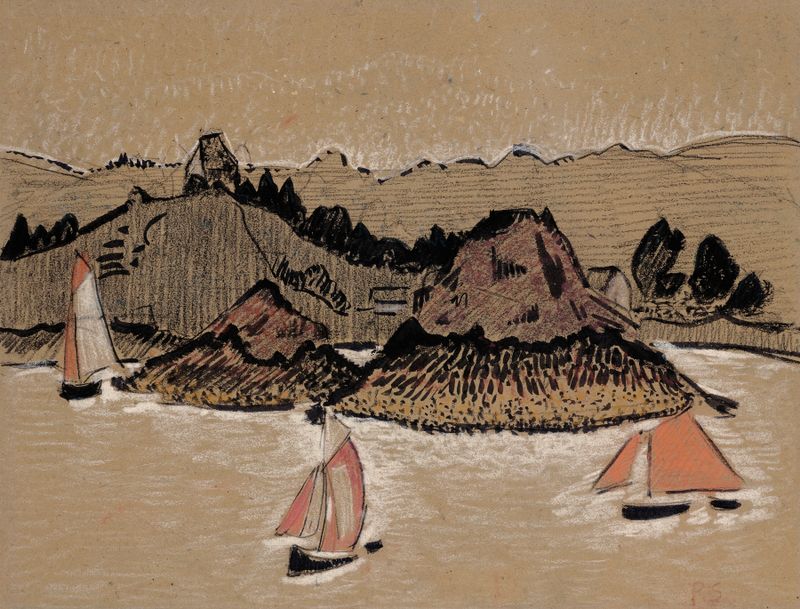
Trois bateaux sur le Trieux
Paul Sérusier
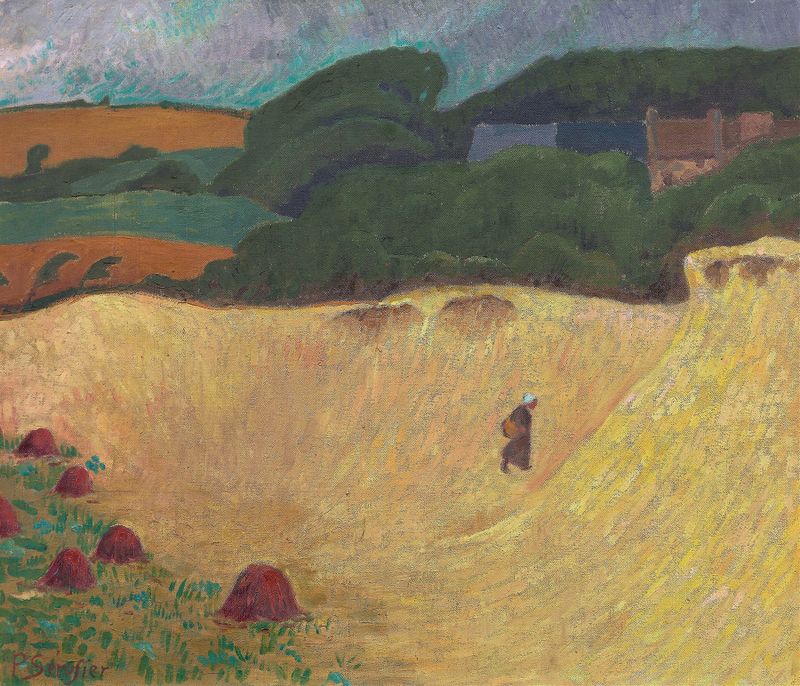
The Beach of Les Grands Sables at Le Pouldu
Paul Sérusier

The Harvest of Buckwheat
Paul Sérusier
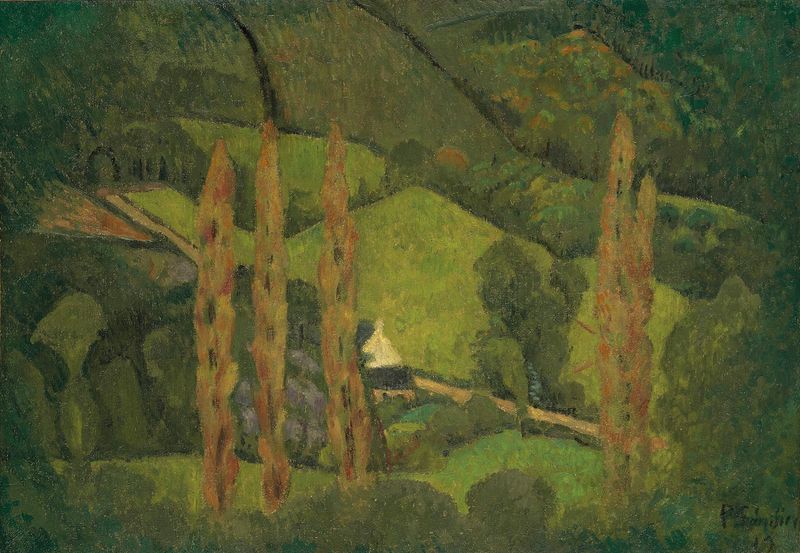
Paysage vert, Vallée de Châteauneuf
Paul Sérusier
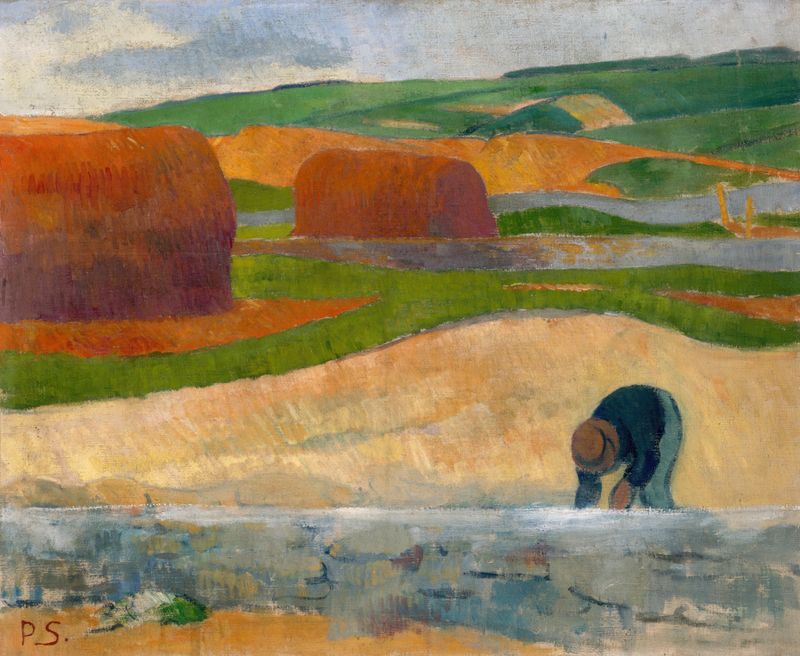
Seaweed Gatherer
Paul Sérusier





