
Landscape at Le Pouldu — History & Facts
When did color learn to lie? In Landscape at Le Pouldu, vibrant hues mask a deeper sorrow, inviting contemplation of the unseen weight that grief can bear. Focus on the left side of the canvas where the rich greens of the foliage contrast sharply with the sunlit field, drawing your eye to a serene yet strangely melancholic landscape. Notice how the brushstrokes convey a sense of movement, as if the trees whisper secrets to the breeze, while the patchy sky hints at a brewing storm. This juxtaposition of lively colors and restless forms creates a palpable tension, revealing a landscape infused with emotion beyond mere beauty. Delve into the strokes that create the undulating hills and the tranquility of the rippling water; they might represent a fleeting moment of peace amidst an undercurrent of grief.
Each color choice speaks to the artist's inner turmoil, reflecting a world of loss veiled beneath a picturesque facade. The simplicity of the scene juxtaposes the complexity of human experience, where joy and sorrow often coexist in delicate balance. In 1890, while living in Le Pouldu, Paul Sérusier became a pivotal figure in the cloisonnist movement, exploring the emotional potential of color. At this time, post-impressionism was emerging, challenging traditional representations of reality.
Sérusier's work reflected both personal struggles and broader artistic shifts, as he sought to convey profound feelings through vivid palettes and simplified forms, marking a significant evolution in the narrative of modern art.
More Artworks by Paul Sérusier
Browse all →
Bretonnes, Réunion Dans Le Bois Sacré
Paul Sérusier
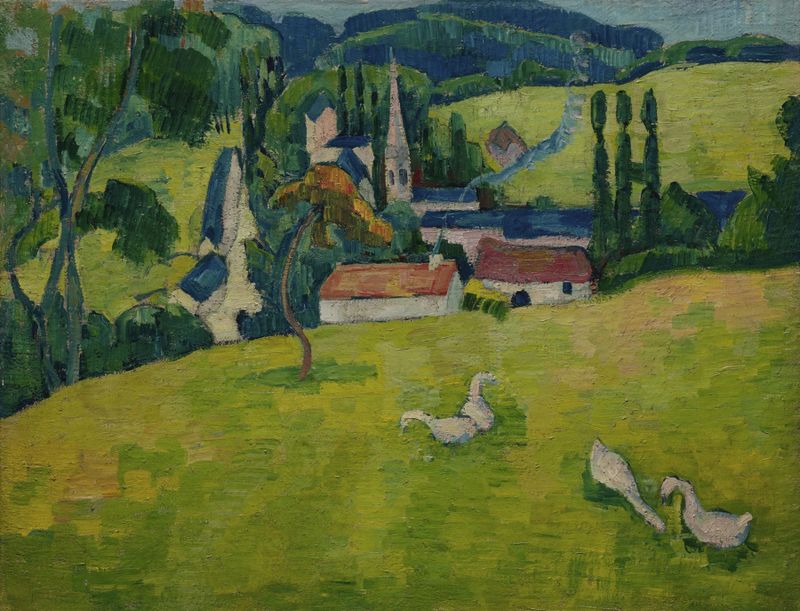
Pont-Aven, Le Pouldu
Paul Sérusier

Farmhouse at Le Pouldu
Paul Sérusier
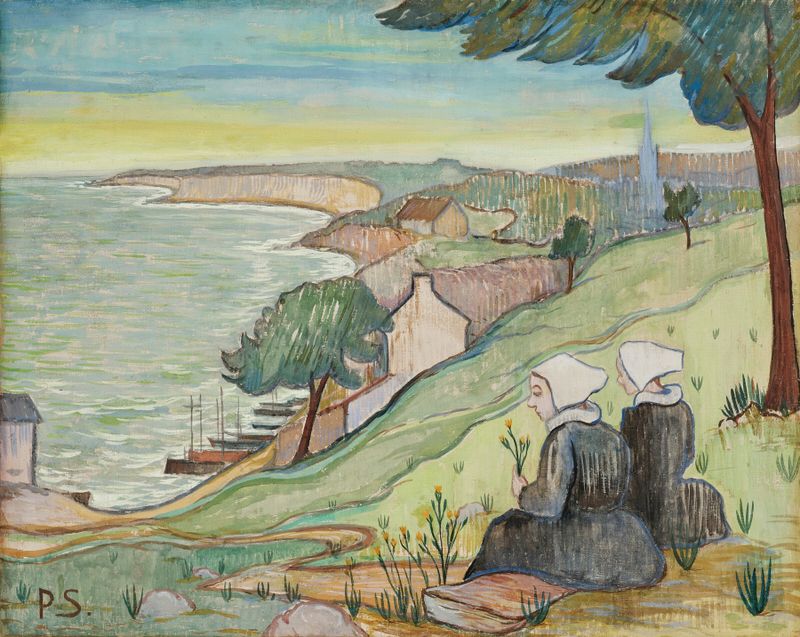
Bretonnes au Pouldu
Paul Sérusier
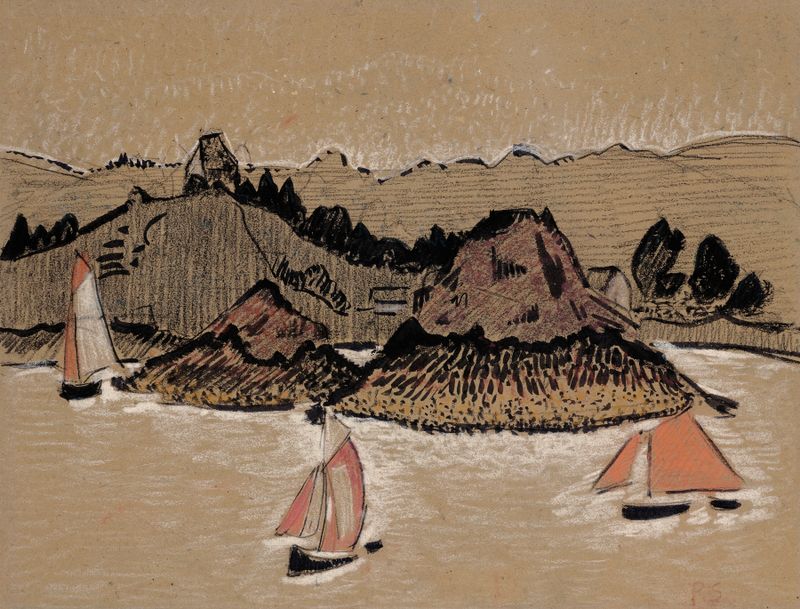
Trois bateaux sur le Trieux
Paul Sérusier
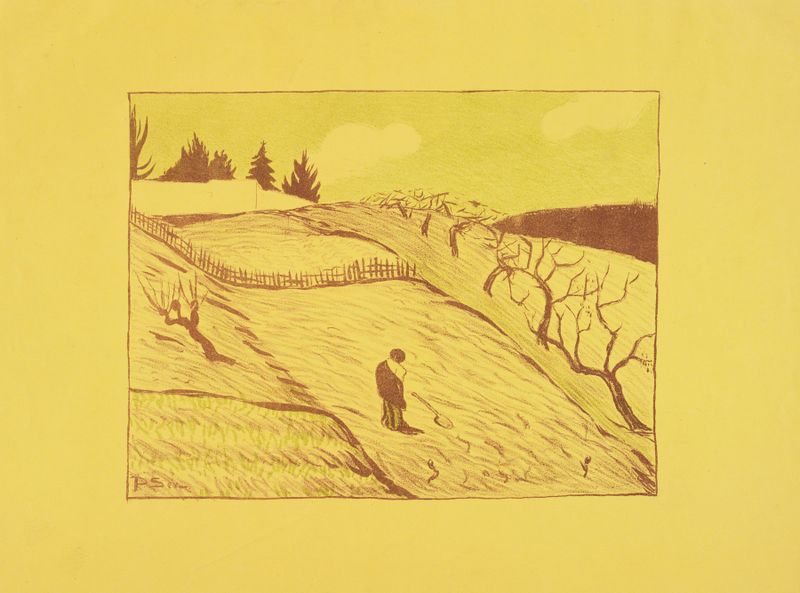
La fin du jour (The End of the Day)
Paul Sérusier
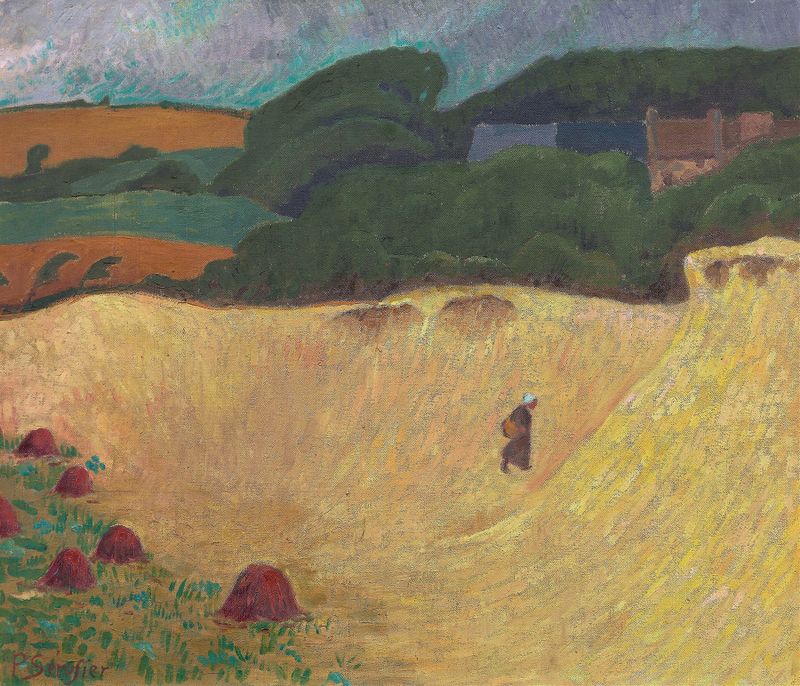
The Beach of Les Grands Sables at Le Pouldu
Paul Sérusier

The Harvest of Buckwheat
Paul Sérusier
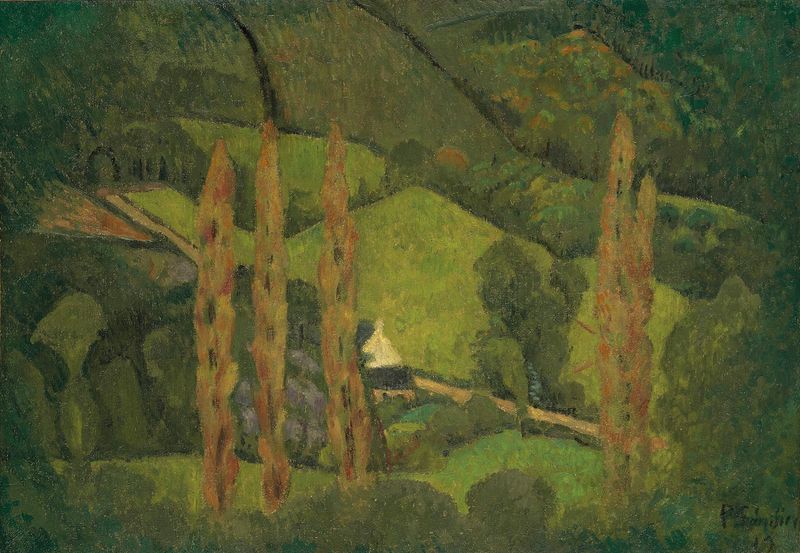
Paysage vert, Vallée de Châteauneuf
Paul Sérusier
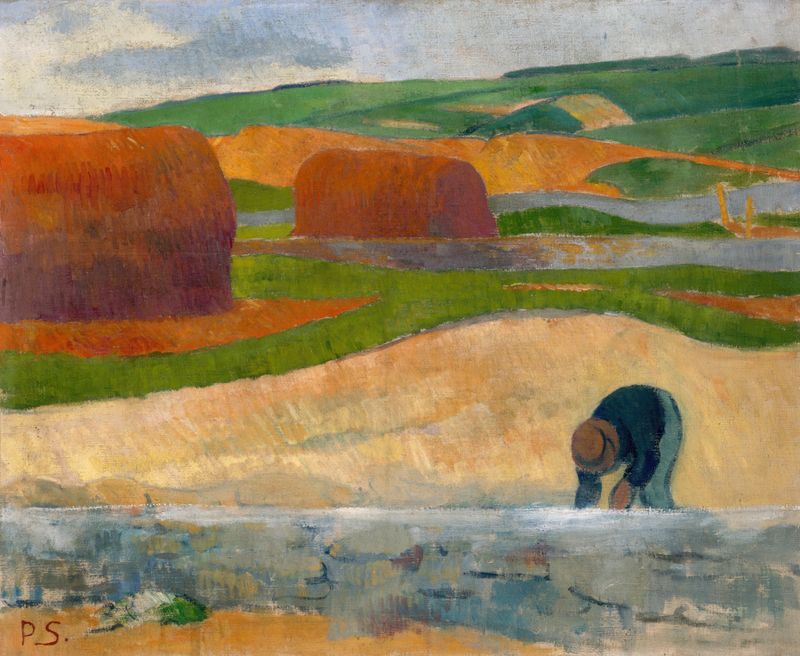
Seaweed Gatherer
Paul Sérusier





