
The Harvest of Buckwheat — History & Facts
Is this a mirror — or a memory? In The Harvest of Buckwheat, the viewer is invited to ponder the threads of life, labor, and destiny woven into the fabric of a rural scene. Focus on the vibrant tapestry of colors that dance across the canvas. Observe how the rich greens and earthy browns intermingle, capturing the essence of the land. Notice the thick, expressive brushstrokes that create a rhythm, almost like the heartbeat of nature itself.
In the foreground, workers bend with purpose, their forms blending seamlessly into the landscape, suggesting an intimate connection between humanity and nature. The overlapping figures seem to embody the weight of toil, while the soft blues in the background hint at an unseen horizon, evoking a sense of hope and continuity. Each worker's gesture tells a story of dedication, yet the idyllic setting contrasts sharply with the laborious task at hand, highlighting life's dichotomy between struggle and serenity. The painting resonates with the idea of shared destiny, reminding us that each stroke of the brush reflects the lives intertwined in this harvest. Created in 1899, this work emerged during a pivotal time for Paul Sérusier, who was deeply involved with the Nabis movement, which sought to blend symbolism and abstraction.
Working in Brittany, he drew inspiration from the rural landscape and the spiritual essence he perceived within it. This period marked a significant shift in art, as artists began to explore emotion and meaning beyond mere representation, reflecting a broader transformation in the art world.
More Artworks by Paul Sérusier
Browse all →
Bretonnes, Réunion Dans Le Bois Sacré
Paul Sérusier
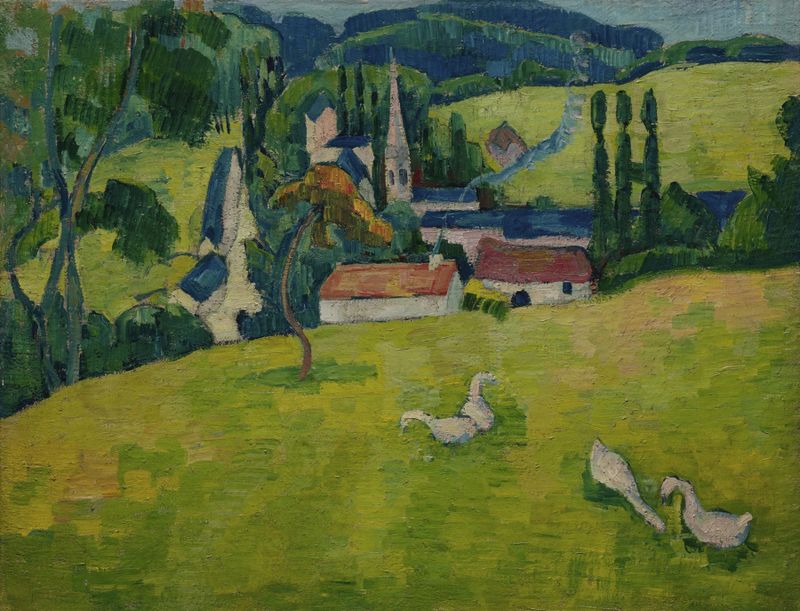
Pont-Aven, Le Pouldu
Paul Sérusier

Farmhouse at Le Pouldu
Paul Sérusier
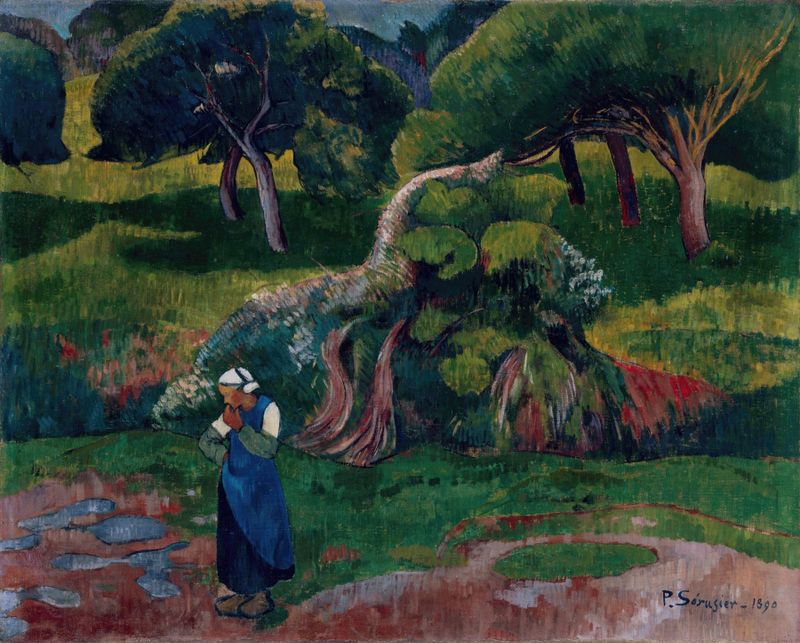
Landscape at Le Pouldu
Paul Sérusier
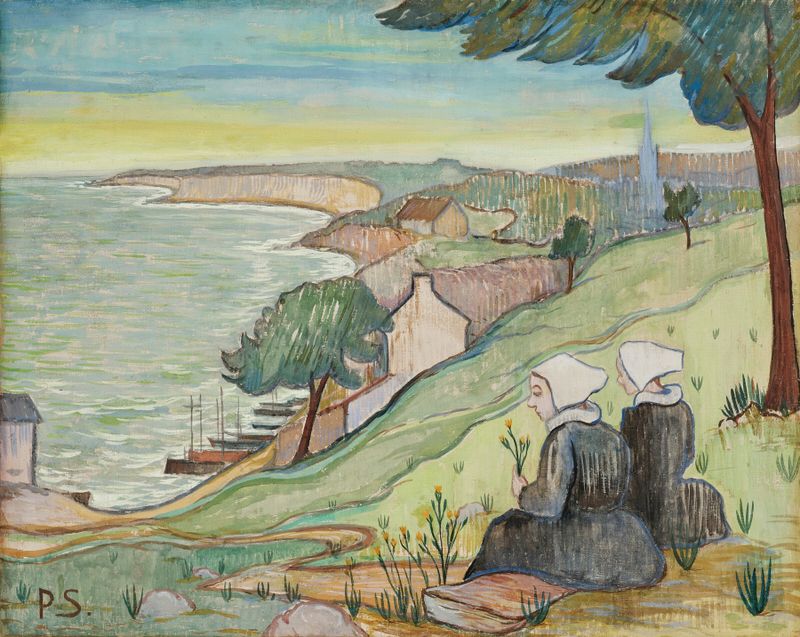
Bretonnes au Pouldu
Paul Sérusier
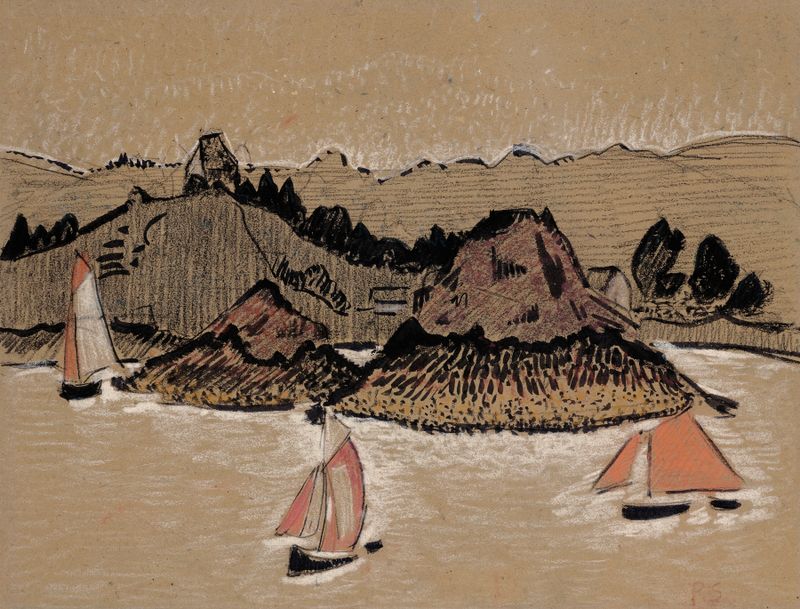
Trois bateaux sur le Trieux
Paul Sérusier
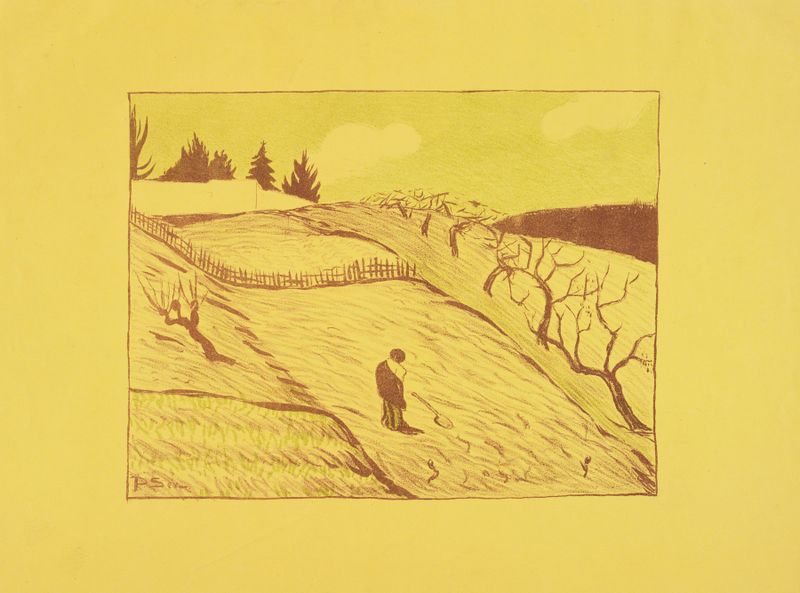
La fin du jour (The End of the Day)
Paul Sérusier
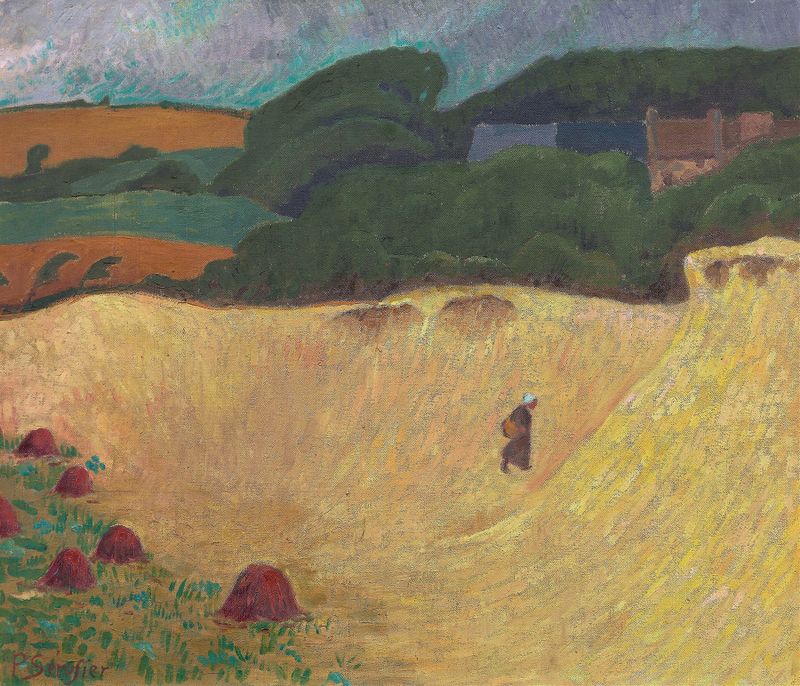
The Beach of Les Grands Sables at Le Pouldu
Paul Sérusier
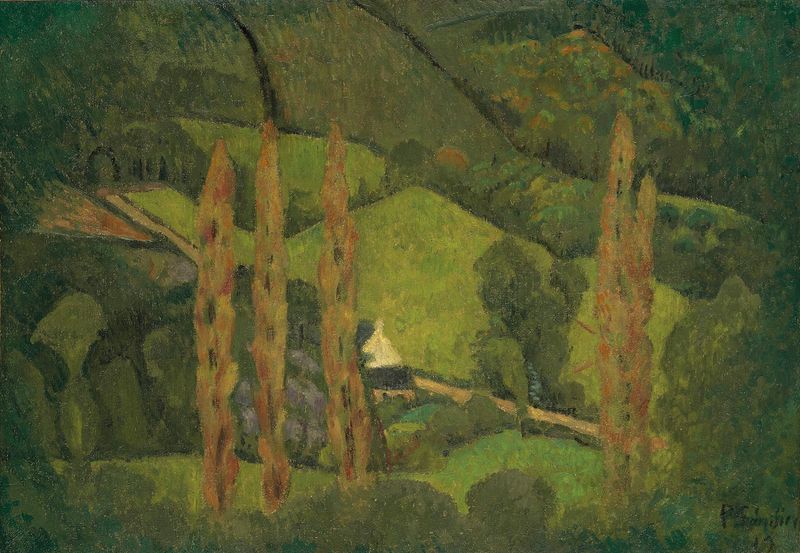
Paysage vert, Vallée de Châteauneuf
Paul Sérusier
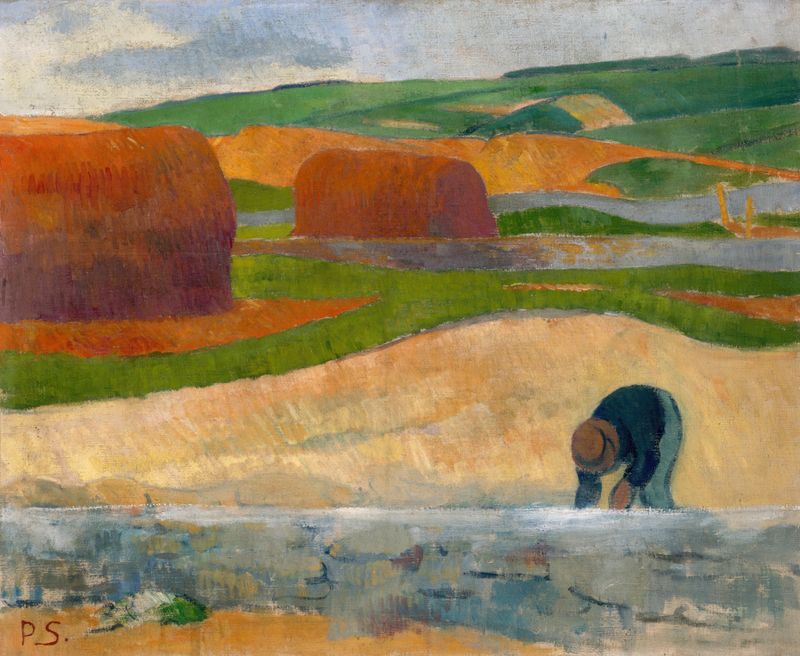
Seaweed Gatherer
Paul Sérusier





